Your Phone Is Ringing. You're Not Answering. Someone Else Will.
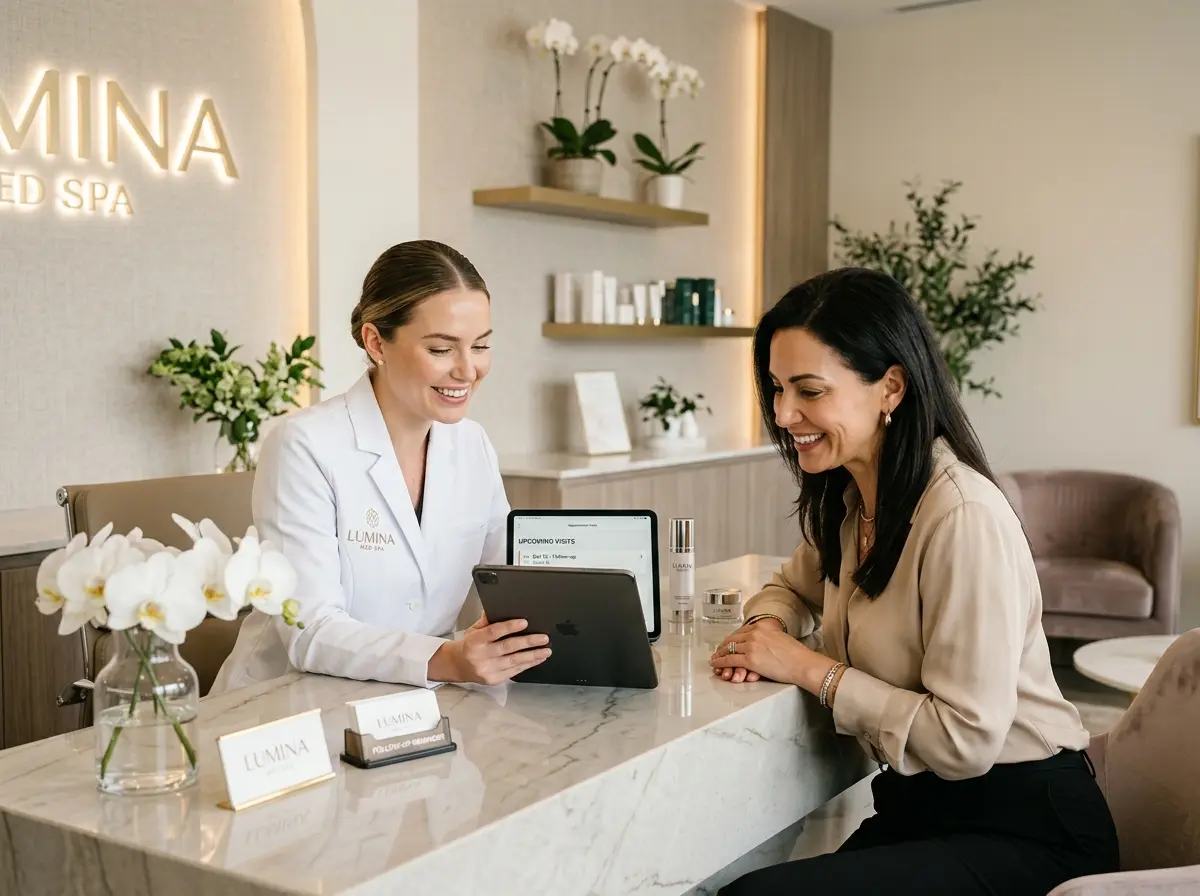
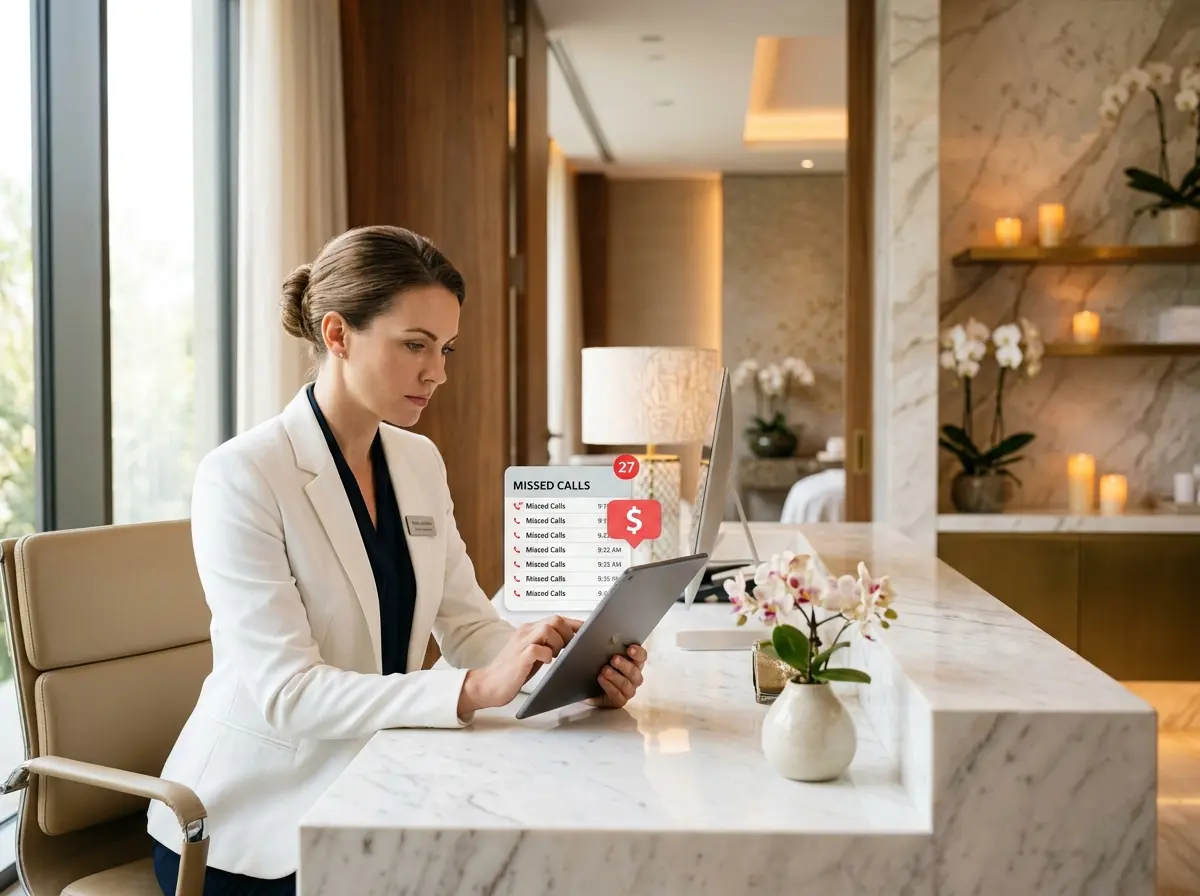
Let's paint a familiar picture. It's a Tuesday afternoon at your spa. Your front desk staff is checking in a client, your esthetician just started a 90-minute facial, and your massage therapist is elbow-deep in a deep tissue session. Meanwhile, your phone rings. Then rings again. Then goes to voicemail — where it will sit, unheard, until someone finds a spare moment, which at this rate might be Thursday.
That missed call? It wasn't just a missed call. It was a new client looking to book a $150 service. Or a regular wanting to add a series of treatments to her monthly routine. Or someone asking about your new membership package. You'll never know, because they already moved on to the spa down the street that actually picked up.
Here's the uncomfortable truth most spa owners don't want to sit with: your missed call log isn't just a communication problem — it's a revenue report. Every unanswered ring represents real money that walked (or clicked) somewhere else. The good news? This is one of the most fixable problems in your entire business.
The True Cost of a Missed Call at a Spa
The Numbers Are Not Pretty
Research from various customer experience studies consistently shows that between 62% and 85% of callers who reach a voicemail will not leave a message — they simply hang up and try a competitor. In an industry as personal and preference-driven as spa services, that statistic should keep you up at night. Clients aren't filling out a form or sending an email. They're ready to book right now, on the phone, with a human (or human-sounding) voice. When no one answers, that readiness evaporates instantly.
Consider the lifetime value of a spa client. If a client visits twice a month for facials at $80 per session, that's $1,920 per year — before you factor in retail product purchases, add-on services, or referrals to friends. Missing one call that could have become that client doesn't cost you $80. It costs you potentially thousands of dollars over a two-to-three year relationship. Multiply that by how many calls your spa misses in a week, and you're looking at a surprisingly significant leak in your revenue bucket.
When Does This Happen Most?
Missed calls at spas tend to cluster around predictable moments: peak service hours when all hands are literally on clients, early mornings before staff arrives, evenings after closing, and weekends when staffing is lean. These are also, not coincidentally, the exact times when potential clients are most likely to be researching and booking — because they're finally not at work and have time to think about treating themselves.
There's a painful irony in this: your busiest, most successful days are often the days you miss the most new business. The phone rings most when you're most slammed, and it gets ignored most when you can least afford to lose the revenue.
Voicemails Don't Save You
Some spa owners take comfort in their voicemail box, as if the existence of a beep and a recording option constitutes a safety net. It doesn't. Beyond the majority of callers who won't leave a message at all, those who do leave voicemails expect a callback within minutes — not hours. Studies show that responding to a lead within five minutes versus thirty minutes can make you up to 100 times more likely to connect with that prospect. By the time your front desk listens to messages after the afternoon rush, the window has long since closed.
Plugging the Leak — How Smart Spas Are Solving This
Let Technology Answer When You Can't
The most direct fix for missed calls is ensuring that someone — or something — is always available to answer. This is exactly where Stella, the AI robot employee and phone receptionist, becomes genuinely valuable for spa owners. Stella answers every phone call, 24 hours a day, seven days a week, using the same knowledge about your services, pricing, packages, and promotions that a trained front desk employee would use. She can answer questions about your menu of services, walk a caller through your booking process, collect their contact information through a conversational intake form, and even flag urgent calls for a human staff member to handle directly.
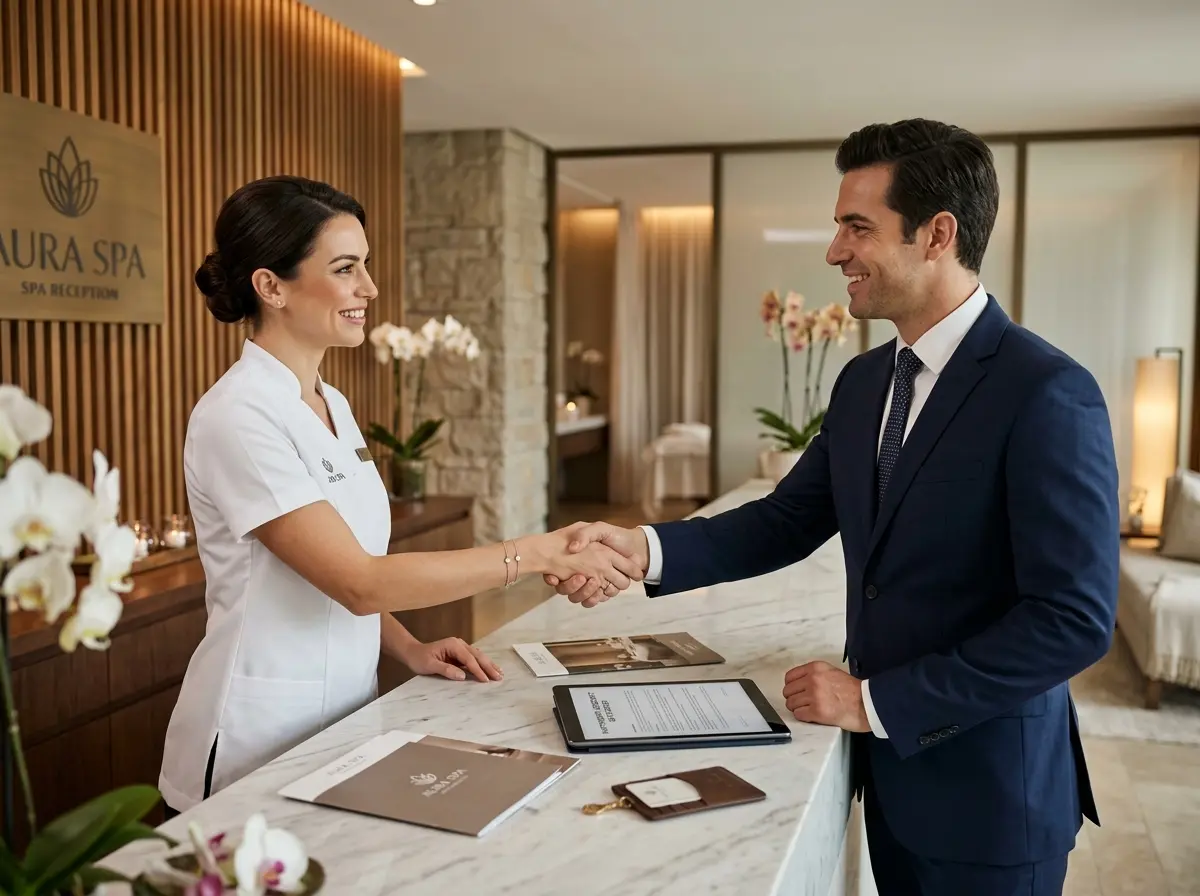
For spas with a physical location, Stella also operates as a friendly in-store kiosk presence — greeting walk-in clients, promoting current specials, and freeing your staff from constantly interrupting treatments to answer the same FAQ about whether you offer couples massages. (You do. She knows that.) Her built-in CRM automatically captures and organizes client information from every interaction, so you're building a database of prospects and customers without any manual data entry.
Turning Answered Calls Into More Revenue
Every Call Is a Sales Opportunity
Simply answering calls more consistently is the first win, but the second opportunity is often overlooked: every incoming call is a chance to sell more than the caller originally intended to book. A client calling to schedule a basic 60-minute massage is a warm lead for a 90-minute upgrade, an aromatherapy add-on, or an introduction to your new membership program. A well-trained front desk person knows to make those suggestions. The problem is that "well-trained front desk consistency" is not a thing that reliably exists across shifts, mood fluctuations, and busy afternoons.
An AI receptionist handles every caller with the same energy, the same completeness, and the same knowledge of your current promotions — whether it's the first call of the day or the fourteenth. Upselling and cross-selling scripts can be built in, so that relevant offers are mentioned naturally without feeling pushy. That consistency compounds. If even 20% of callers accept a modest upgrade or add-on, you're generating meaningful revenue from interactions that used to end with a voicemail beep.
Follow Up Before They Forget You
Captured caller information is only valuable if you use it. If someone calls about your new body wrap package but isn't ready to book today, the worst thing you can do is let that conversation disappear into the void. With a CRM that logs every interaction, you have the ability to tag that contact, note their interest, and follow up with a targeted message — a promotional offer, a reminder that your schedule has an opening, or a simple "we'd love to have you in" message that converts a warm lead into a paying client.
Most spas are sitting on a goldmine of unclosed leads and lapsed clients that they've never systematically followed up with. The difference between a spa that grows steadily and one that constantly scrambles for new clients is often nothing more than a disciplined, organized follow-up process built on accurate contact data.
Quick Reminder About Stella
Stella is an AI robot employee and phone receptionist designed for businesses like yours — available as a friendly in-store kiosk that engages walk-in clients and as a 24/7 phone receptionist that never misses a call. She runs on a simple $99/month subscription with no upfront hardware costs, integrates intake forms and a built-in CRM, and is ready to represent your spa professionally from day one. No training period. No sick days. No bad mood on a busy Saturday.
What to Do Starting This Week
If you've read this far, you probably already know that missed calls are costing you money. The question is what you're willing to do about it. Here's a practical starting point:
- Audit last month's missed calls. Pull your phone records or check your voicemail history. Count how many calls went unanswered or unresponded-to within an hour. Multiply a conservative estimate of service value by that number. Stare at that figure for a moment.
- Identify your highest-risk windows. When are you most likely to miss calls? Build a plan specifically around those time slots — whether that means AI phone coverage, adjusted staffing, or call forwarding protocols.
- Create a follow-up habit. Every captured lead who didn't book should receive some form of outreach within 24 hours. This alone will recover revenue you've been quietly losing for months.
- Evaluate your front desk experience. Is your in-person first impression as strong as it could be? Are walk-in clients being greeted, informed about current promotions, and guided toward a booking or purchase?
Your spa's missed call log isn't just a record of communication failures. It's a list of people who wanted to give you money and couldn't find a way in. The fix isn't complicated, and it isn't expensive. It just requires acknowledging that "we were busy" isn't a business strategy — and then building systems that work even when you are.
Your clients deserve to be answered. Your revenue certainly does.