Introduction: Because "Hope They Come Back" Is Not a Retention Strategy
You became a physical therapist because you wanted to help people move better, hurt less, and get back to the lives they love. You did not become a physical therapist to become a data analyst, a marketing strategist, or a customer relationship management expert. And yet, here we are.
Patient retention is one of the most quietly painful challenges in a physical therapy practice. You spend weeks — sometimes months — building rapport, guiding a patient through a difficult recovery, celebrating their progress, and then... they disappear. They got busy. They felt better. They forgot to reschedule. Meanwhile, you're spending real money on marketing to attract new patients when a significant portion of your existing patient base could benefit from continued or follow-up care.
The good news? A Customer Relationship Management (CRM) system — used properly — can transform a revolving door into a loyal, returning patient base. Studies consistently show that retaining an existing customer costs five times less than acquiring a new one, and in healthcare, that math hits differently when you consider the long-term nature of musculoskeletal health. Let's talk about how to use CRM tools strategically to keep your patients engaged, informed, and coming back when they need you most.
Understanding the Patient Retention Problem in Physical Therapy
Why Patients Drop Off (It's Probably Not What You Think)
Most physical therapists assume patients stop coming because of cost, insurance hassles, or dissatisfaction with care. And while those factors play a role, research suggests the more common culprit is far more mundane: patients feel better enough to stop, and no one follows up to remind them that "feeling better" and "being fully recovered" are not the same thing. There's also the classic issue of life getting in the way — a busy week turns into a missed appointment, which turns into the guilt of not rescheduling, which turns into never coming back at all.
Without a system to track where patients are in their care journey, it's nearly impossible to intervene at the right moment. You can't follow up with someone you've mentally filed under "probably fine." A CRM gives you the visibility to actually know — and act.
The Lifetime Value of a Physical Therapy Patient
Think about the full picture of a loyal patient. Someone who comes to you for a knee injury may later need help with lower back pain, shoulder stiffness from a new desk job, or post-surgical rehab. They may refer their spouse, their coworker, or their weekend pickleball partner. A single retained patient can be worth thousands of dollars in direct and referred revenue over the course of a few years.
When you frame patient retention in those terms, investing in a CRM system isn't an administrative luxury — it's a straightforward business decision. The practices that grow sustainably aren't necessarily the ones with the flashiest marketing. They're the ones that remember people's names, follow up consistently, and make patients feel like more than an appointment slot.
How to Use CRM Features Strategically for Patient Retention
Tagging, Segmentation, and Knowing Who Needs What
A CRM is only as useful as the data you put into it and the intelligence you apply to that data. Start by building a tagging and segmentation system that reflects your patient population. For example, you might tag patients by injury type, treatment phase, insurance provider, discharge status, or referral source. This allows you to send targeted communications that are actually relevant — rather than blasting everyone with the same generic newsletter that nobody reads.
Consider creating segments like "discharged but not fully recovered," "inactive for 60+ days," or "maintenance care candidates." These aren't just labels — they're action triggers. A patient tagged as inactive for 60 days should automatically prompt a follow-up touchpoint, whether that's a personalized email, a text check-in, or a phone call from your front desk. With custom fields in your CRM, you can track nuanced information like fitness goals, past injury history, or preferred communication style — all of which make your outreach feel personal rather than automated.
Automating Follow-Ups Without Losing the Human Touch
Automation gets a bad reputation because it's often done poorly. Nobody wants to receive a robotic email that clearly knows nothing about them. But when automation is built on rich patient data and thoughtful messaging, it can feel surprisingly personal — and it ensures that nobody falls through the cracks simply because your front desk staff had a hectic Tuesday.
Build automated follow-up sequences for key moments in the patient journey: after an initial evaluation, after a missed appointment, after discharge, and at the 30-, 60-, and 90-day marks post-discharge. Keep the messages warm and clinically relevant. A message that says "It's been a couple of months since we saw you — how's that shoulder feeling?" lands very differently than a generic promotional blast. You can also use CRM notes from previous sessions to personalize outreach in ways that genuinely impress patients and reinforce trust.
Streamlining Intake and First Impressions With the Right Tools
How Stella Can Help Physical Therapy Practices Run Smoother
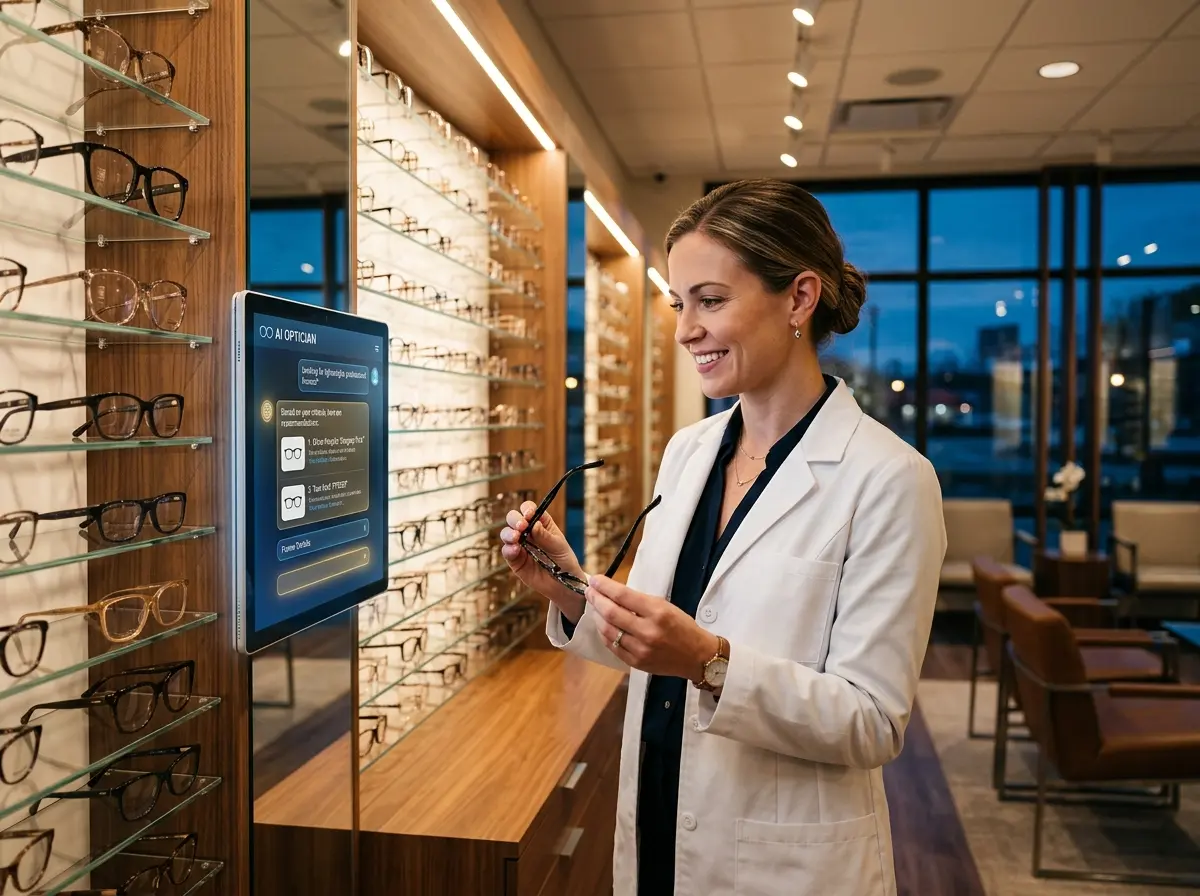
Before a patient ever becomes a retained patient, they have to have a great first experience — and that starts from the very first interaction, whether it's a phone call or walking through your door. This is where Stella, an AI robot employee and phone receptionist, genuinely earns her keep. For practices with a physical location, Stella greets patients at the kiosk, answers common questions about services and scheduling, and collects intake information conversationally — no clipboards, no waiting for a staff member to look up from the computer. For the phone side of things, Stella answers calls 24/7, meaning a prospective patient calling at 8 PM on a Friday actually gets a helpful, knowledgeable response instead of a voicemail they'll never leave.
Stella's built-in CRM automatically captures patient contact information and interaction details, tags patients based on your configured criteria, and generates AI-powered profiles — all of which feed directly into your retention strategy. When a new patient's intake data flows straight into a CRM with custom fields and notes, you're starting the relationship with a complete picture rather than a blank slate. That's not just convenient for your staff — it's the foundation of everything a good retention strategy is built on.
Turning Data Into Loyalty: Advanced CRM Strategies for Growth
Using Interaction Insights to Improve Retention Programs
One of the most underutilized features of modern CRM platforms is interaction analytics. Every patient touchpoint — an email open, a phone call, a rescheduled appointment — is a data point that tells you something about engagement. Are patients responding to your discharge follow-up emails? Are certain segments going dark at a predictable stage in treatment? Are referrals clustering around specific providers or services?
Regularly reviewing these patterns allows you to refine your approach rather than blindly repeating what isn't working. If you notice that patients who receive a personal phone call within 48 hours of discharge have a significantly higher return rate than those who only receive emails, that's an insight worth acting on. Build it into your protocol. Data-driven practices don't just retain more patients — they continuously improve at it.
Creating Loyalty Touchpoints Beyond Active Treatment
Patient retention doesn't mean keeping someone in weekly sessions indefinitely — it means staying meaningfully connected so that when they need care again, you're the obvious first call. Building loyalty touchpoints outside of active treatment is how you do that. Think seasonal check-in emails, educational content tailored to a patient's specific condition history, invitations to workshops or wellness events, or even simple birthday messages. These small gestures, executed consistently through your CRM, keep your practice top of mind without being pushy or salesy.
You can also use your CRM to identify and nurture your top referral sources — both patients and referring physicians. A quick note of appreciation, an update on a mutual patient's progress (within HIPAA guidelines, of course), or an invitation to a continuing education event can go a long way toward deepening those relationships and generating a steady stream of warm referrals.
HIPAA Considerations and Best Practices
It would be irresponsible to write a CRM guide for physical therapy practices without mentioning compliance. Any CRM system you use to store patient information must be HIPAA-compliant, which means evaluating vendors carefully, ensuring Business Associate Agreements (BAAs) are in place, and limiting access to protected health information appropriately. Automated communications should be carefully reviewed to ensure they don't inadvertently disclose clinical details without patient consent. When done correctly, CRM-driven retention is entirely compatible with HIPAA — it simply requires intentionality in your setup and ongoing vigilance in your processes.
Quick Reminder About Stella
Stella is an AI robot employee and phone receptionist that works in your physical location as a kiosk and answers your phones 24/7 — so your practice always has a professional, knowledgeable presence, even when your human staff are tied up or off the clock. She collects patient information through conversational intake forms, manages contacts through a built-in CRM with custom fields, tags, and AI-generated profiles, and helps ensure that no patient interaction — in person or over the phone — slips through the cracks. At $99/month with no upfront hardware costs, she's the kind of employee who never calls in sick and never forgets to follow up.
Conclusion: Build the Systems That Build the Relationships
Patient retention in physical therapy isn't a mystery — it's a systems problem. Patients leave because life gets busy, because no one follows up, and because your practice doesn't have a reliable way to stay connected between episodes of care. A well-configured CRM solves all three of those problems when used with intention and consistency.
Here's where to start: First, audit your current patient data and clean it up — good strategy requires good data. Second, define your key patient segments and build tags that reflect meaningful clinical and behavioral categories. Third, create automated follow-up sequences for your highest-impact touchpoints: post-evaluation, post-missed appointment, and post-discharge. Fourth, review your intake process and ensure the data you're collecting at the front end is rich enough to power personalized outreach down the line. Finally, schedule a monthly CRM review to assess what's working, what isn't, and where patients are falling off.
Physical therapy practices that invest in retention infrastructure don't just grow more predictably — they build the kind of patient relationships that are genuinely fulfilling. Because at the end of the day, a patient who comes back isn't just revenue. They're proof that what you do works. Build the systems that remind them of that, and the rest tends to take care of itself.