Introduction: The Future of Payment Is Already Here (And It's Tapping Impatiently)
Remember the last time you were stuck behind someone in a checkout line fumbling through their wallet for the exact change? Or worse — watching someone swipe their card three times before the cashier gives them the look? Those moments feel like ancient history now, and if your retail business hasn't fully embraced contactless payments, there's a good chance your customers are quietly judging you while they wait.
Contactless payments — including tap-to-pay cards, mobile wallets like Apple Pay and Google Pay, and QR code-based transactions — have gone from a novelty to a near-necessity in just a few short years. Global contactless payment transactions are projected to exceed $10 trillion by 2027, and consumer expectations have shifted accordingly. Shoppers who've experienced the speed and convenience of a quick tap aren't exactly thrilled about going back to chip readers that take 45 seconds and then ask you five questions.
This post is your practical guide to understanding contactless payments, why they matter for your retail business, and how to implement them without pulling your hair out. Let's dive in.
Understanding Contactless Payments: What They Are and How They Work
The Technology Behind the Tap
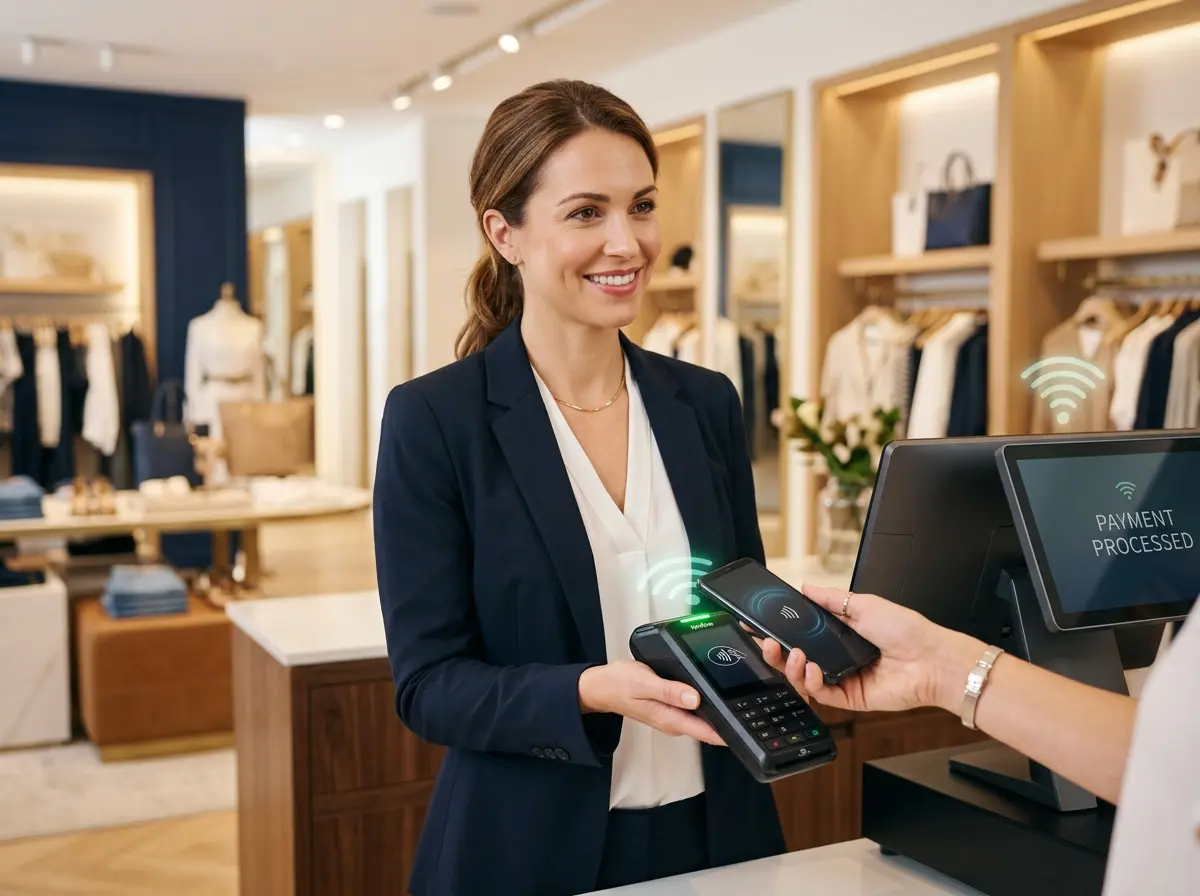
Contactless payments rely primarily on Near Field Communication (NFC) technology — a short-range wireless standard that allows two devices to exchange data when they're within a few centimeters of each other. When a customer taps their card or phone on your payment terminal, NFC transmits an encrypted, one-time transaction code to your system. No card number is stored or transmitted. No magnetic stripe is dragged across anything. It's clean, fast, and surprisingly secure.
QR code payments work slightly differently — the customer scans a code with their phone camera, which directs them to a payment interface — but the end result is the same: a frictionless transaction that takes seconds rather than minutes. Both methods are supported by major payment processors including Square, Stripe, PayPal, and virtually every bank-issued card network.
The Types of Contactless Payments You Should Know
Not all contactless payments are created equal, and knowing the landscape helps you choose the right setup for your store:
- Tap-to-pay debit and credit cards: Issued by Visa, Mastercard, Amex, and Discover with an embedded NFC chip. These are now standard on most new cards issued in the U.S. and are dominant in Europe, Canada, and Australia.
- Mobile wallets: Apple Pay, Google Pay, and Samsung Pay allow customers to store card information on their devices and pay with a tap or face unlock. These add an extra layer of biometric authentication, making them arguably more secure than a physical card.
- QR code payments: Popular in Asia and increasingly common in the U.S. through apps like PayPal, Venmo, and Cash App. Great for businesses with lower transaction volumes or outdoor/pop-up setups.
- Wearable payments: Smartwatches and fitness bands from Apple, Samsung, and Fitbit can also initiate NFC payments. Yes, your customer can pay with their wrist. It's as cool as it sounds.
Is It Actually Secure?
This is the question every business owner asks — and rightly so. The short answer is yes, contactless payments are extremely secure. Each NFC transaction generates a unique, one-time cryptographic token that cannot be reused or intercepted for fraudulent purposes. Mobile wallet transactions go even further, requiring biometric verification (fingerprint or face ID) before a payment is authorized.
In fact, contactless payments have a significantly lower fraud rate than traditional magnetic stripe transactions. The EMV liability shift already pushed most merchants toward chip readers, but contactless NFC takes security another step forward. So if fraud risk has been holding you back, you can breathe easy — this technology was built with security as a core feature, not an afterthought.
How Modern Tools Like Stella Can Support a Smarter Retail Experience
Beyond the Payment Terminal
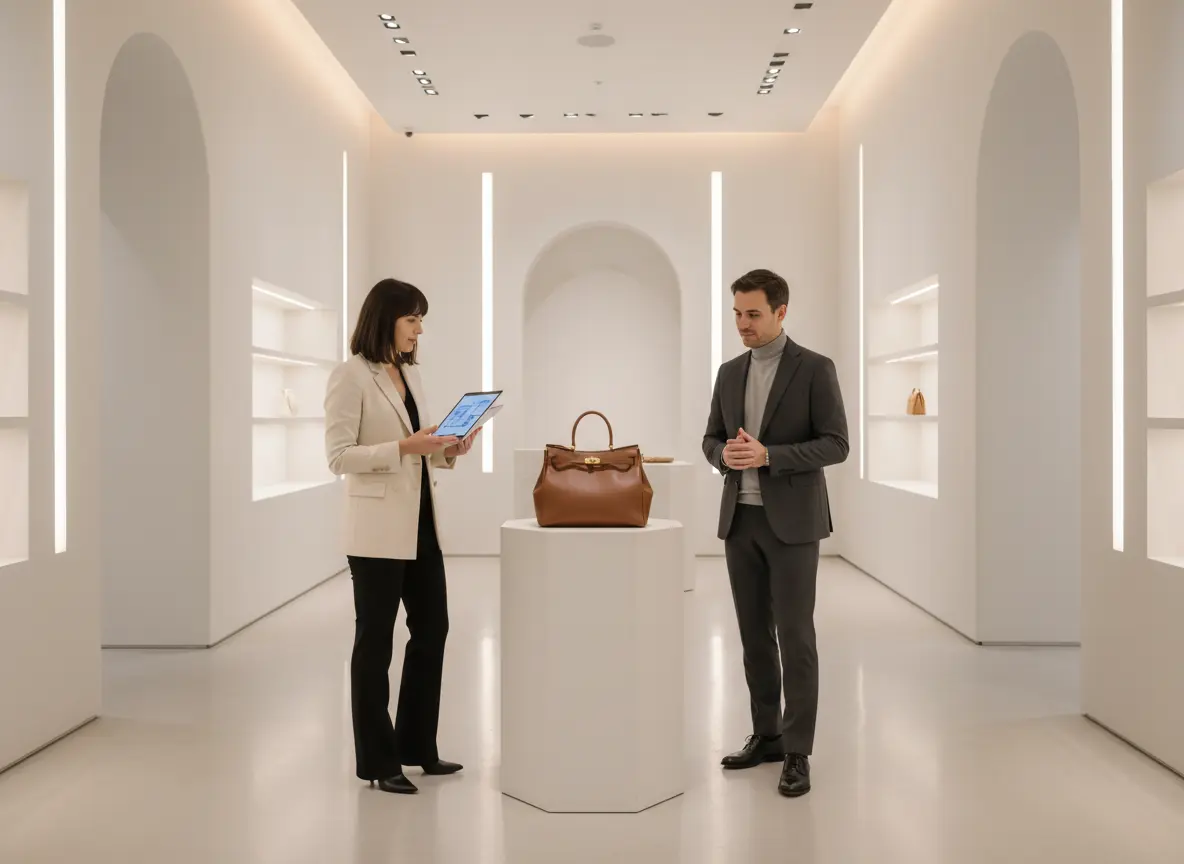
Upgrading your payment system is a great step, but truly modern retail is about the entire customer experience — from the moment someone walks through your door to long after they've left. That's where Stella, the AI robot employee and phone receptionist, comes in handy. Inside your store, Stella greets customers proactively, answers questions about products, services, hours, and promotions, and even upsells and cross-sells — all without pulling your staff away from the register or stockroom.
On the phone side, Stella answers calls 24/7 with the same business knowledge she uses in person, handles intake, takes voicemails with AI-generated summaries, and forwards calls to staff when needed. For a retailer focused on streamlining operations, pairing a contactless payment upgrade with a smarter customer engagement tool like Stella means you're not just speeding up checkout — you're improving the full journey. All of this starts at just $99/month, which is honestly less than most businesses spend on printer ink.
The Business Case for Going Contactless: Why Retailers Can't Afford to Wait
Speed, Throughput, and Happier Customers
Here's a stat worth taping to your cash register: contactless transactions are completed up to 10 times faster than traditional card payments. In a high-traffic retail environment, that difference is enormous. Faster checkout means shorter lines, higher throughput during peak hours, and customers who leave feeling good about the experience rather than slightly annoyed by it.
Think about a busy Saturday afternoon. If your average contactless transaction saves 30 seconds per customer and you serve 100 customers in a day, you've just recovered nearly an hour of checkout time. That's an hour that could mean fewer abandoned carts, more impulse purchases, and staff who aren't frantic by closing time. Speed isn't just a convenience — it's a competitive advantage.
Customer Expectations Have Already Shifted
Post-pandemic consumer behavior fundamentally changed the payment landscape. During COVID-19, contactless payments surged as hygiene-conscious shoppers avoided touching shared surfaces — and those habits stuck. A Mastercard survey found that 79% of consumers worldwide now use contactless payments regularly, with many explicitly preferring retailers that offer them.
Younger demographics — Millennials and Gen Z — are particularly attached to mobile wallets and tap-to-pay. If your store doesn't support Apple Pay or Google Pay, you're creating unnecessary friction for a segment of consumers who are used to paying for everything from coffee to concert tickets with a quick tap on their phone. Meeting customers where they already are isn't just good service; it's good business strategy.
Practical Steps to Implement Contactless Payments in Your Store
Getting started doesn't require a massive overhaul. Here's a straightforward implementation roadmap:
- Audit your current terminal: Many modern point-of-sale terminals already support NFC but have it disabled. Check with your payment processor — you may be one software update away from going contactless at zero additional cost.
- Choose the right processor: Square, Clover, Stripe, and Toast (for restaurants) all offer NFC-capable hardware at reasonable price points. Compare transaction fees, monthly costs, and hardware pricing before committing.
- Train your staff: This one takes about 15 minutes. Contactless payments are intuitive, but your team should know how to guide hesitant customers through their first tap.
- Signal it clearly: Display contactless payment logos (Apple Pay, Google Pay, contactless card symbol) prominently at checkout. Customers who prefer contactless sometimes don't even ask — they just assume you don't accept it and pull out cash instead.
- Test before you launch: Run a few test transactions with your own phone or card before going live. You'll feel much more confident, and you won't have your first real contactless moment witnessed by a line of eight impatient customers.
Quick Reminder About Stella
Stella is an AI robot employee and phone receptionist designed to help businesses of all sizes — retail, restaurants, service providers, and more — deliver a consistently professional customer experience. She stands inside your store engaging walk-in customers and answers your phone calls around the clock, so nothing falls through the cracks whether you're slammed at checkout or closed for the evening. At $99/month with no upfront hardware costs, she's the kind of team member who never calls in sick and always knows your current promotions.
Conclusion: Tap Into the Opportunity (Pun Fully Intended)
Contactless payments aren't a trend on the horizon — they're a present-day expectation that a growing majority of your customers already have. The businesses that embrace them gain faster checkout, reduced friction, improved security, and a customer experience that signals they're modern, professional, and paying attention.
Here's what you can do this week to move forward:
- Call your payment processor and ask if your current terminal supports NFC — and if not, request an upgrade quote.
- Research payment processors if you're starting from scratch, and prioritize NFC capability as a non-negotiable feature.
- Add contactless payment logos to your checkout counter and front window so customers know you're ready.
- Consider pairing your payment upgrade with a broader customer experience improvement — smarter greeting, better staff focus, and more consistent service across the board.
The checkout line is one of the last impressions you leave on a customer. Make it fast, smooth, and satisfying — because nobody's writing a glowing Yelp review about how much they enjoyed waiting to hand you their money.