When Your Front Desk Is Overwhelmed Before Lunch
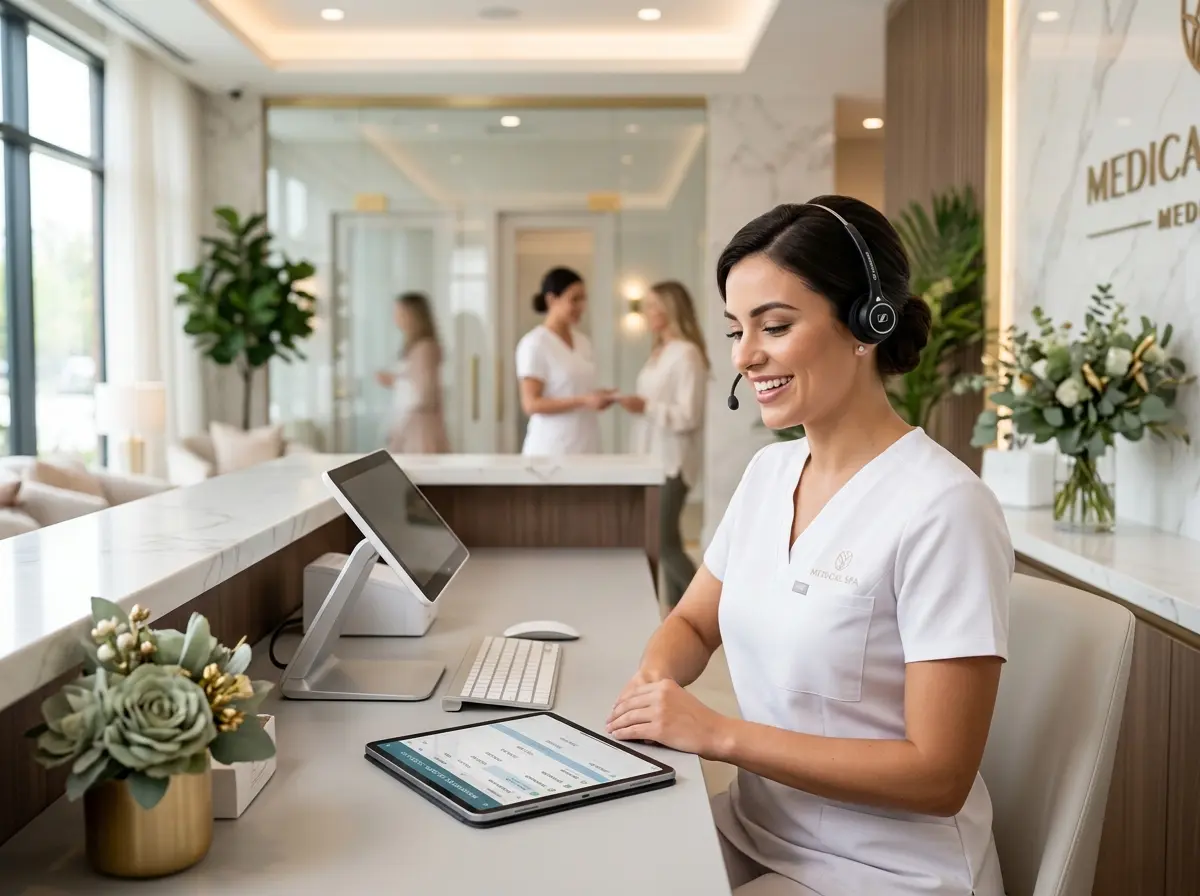
Picture this: it's 9:15 AM at your dermatology practice. The phone is ringing off the hook, three patients are standing at the front desk with questions, someone needs to verify their insurance, and your receptionist is somehow supposed to triage all of it while maintaining a calm, professional demeanor. Meanwhile, you — the person who spent years mastering the science of skin — are fielding a call about whether you treat ingrown toenails. (You don't.)
Patient triage and scheduling in dermatology is notoriously complex. Unlike a general practitioner who can often fit patients into a standard appointment slot, dermatology involves a wide spectrum of urgency. A suspicious mole that's changed color in three weeks is not the same as a routine annual skin check, and neither of those is the same as someone wanting a Botox consultation before a wedding. Getting the wrong patient into the wrong slot — or worse, making them wait weeks when they should be seen immediately — isn't just inefficient. It can have real consequences.
The good news is that AI is quietly revolutionizing how dermatology practices handle the intake and scheduling process. And no, it doesn't involve replacing your staff with robots who wear lab coats. (Well, not entirely.)
The Triage Challenge That's Unique to Dermatology
Why Skin Conditions Require Smarter Intake
Dermatology occupies a fascinating middle ground in medicine — it spans cosmetic, medical, and surgical disciplines, often within the same practice. A patient might call asking about a rash, but a well-structured intake process might reveal that the rash has been spreading for two weeks, is accompanied by fatigue, and bears characteristics that warrant a same-week appointment rather than a six-week wait. Without a smart intake system, that nuance can easily get lost in the shuffle of a busy front desk.
Traditional triage in dermatology often relies on staff asking the right questions, which depends heavily on training, bandwidth, and — let's be honest — how much coffee everyone's had. AI-driven triage tools can standardize this process by guiding patients through a structured set of questions before they ever speak with a human, capturing details like symptom duration, location on the body, changes in appearance, and associated symptoms. The result is a much richer picture of each patient's situation before the appointment is ever booked.
The Scheduling Puzzle: Cosmetic vs. Medical vs. Urgent
One of the biggest operational headaches for dermatology practices is appointment type management. A cosmetic filler appointment takes a completely different set of resources than a full-body skin cancer screening or a biopsy follow-up. When patients self-schedule online without guidance, you end up with mismatched appointments, frustrated patients, and providers who are either underutilized or scrambling.
AI scheduling tools — when configured thoughtfully — can act as an intelligent gatekeeper. They can ask qualifying questions, suggest the appropriate appointment type, flag potential urgency, and even allocate the right amount of time in the provider's calendar. A study by the American Academy of Dermatology noted that the average wait time for a dermatology appointment in the U.S. is over 32 days — smart triage and scheduling can help practices use their existing capacity far more effectively, rather than simply adding more slots to an already stretched schedule.
How AI Tools (Including Stella) Can Help Your Practice Right Now
From Phone Chaos to Structured Intake
One of the most immediate and impactful areas where AI can help a dermatology practice is the phone. A significant portion of patient inquiries — appointment requests, questions about services, insurance questions, pre-procedure instructions — arrive via phone call, often clustering around the same hours of the day. This creates bottlenecks that frustrate patients and exhaust staff.
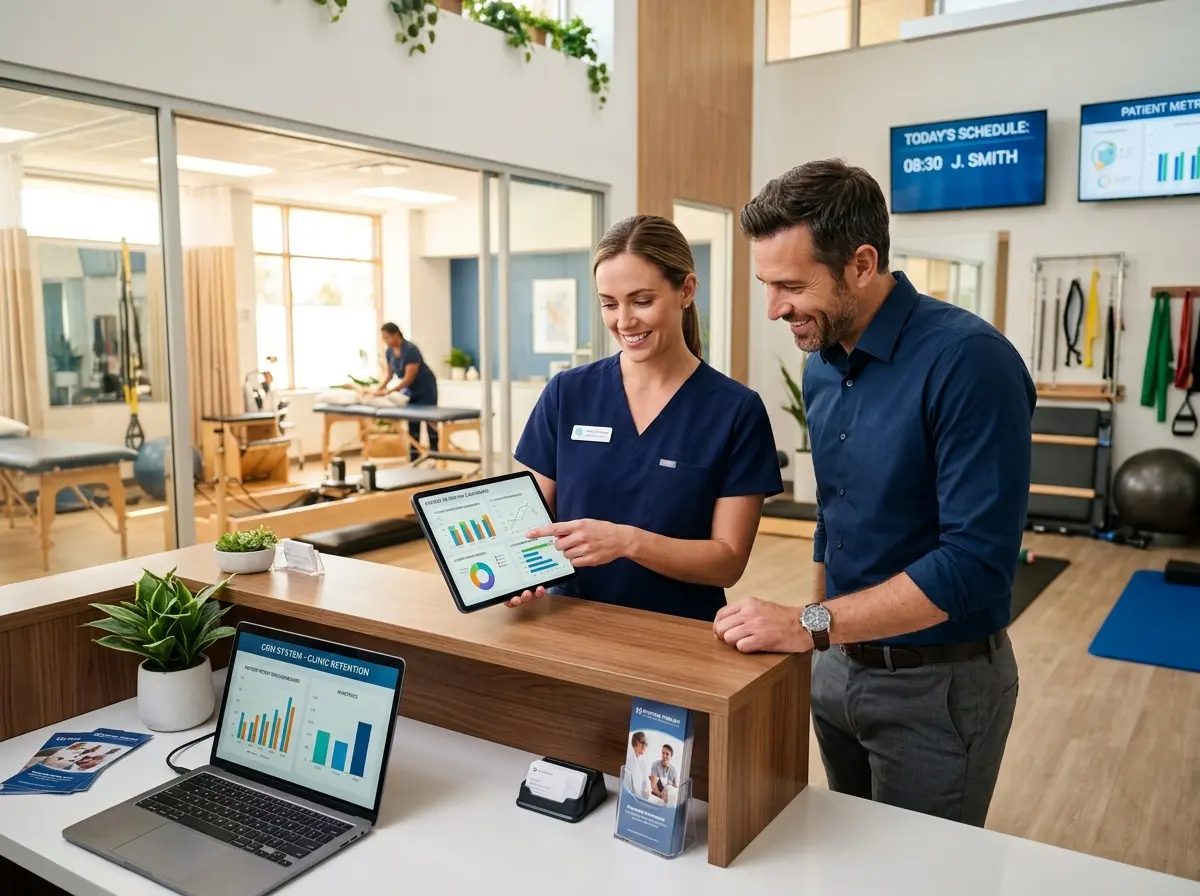
Stella, an AI robot employee and phone receptionist, is designed specifically for this kind of scenario. She can answer calls around the clock, walk patients through a structured intake conversation, collect relevant information, and route calls appropriately — whether that means forwarding to a clinical staff member for urgent concerns or simply booking a routine appointment. For practices with a physical location, she also functions as an in-person kiosk, greeting patients as they walk in and handling front-desk questions so your human staff can focus on higher-value tasks. Her built-in CRM and conversational intake forms mean that patient information is captured cleanly, tagged appropriately, and ready to use — without anyone manually transcribing notes from a voicemail.
Real-World Applications in Dermatology Practices
AI-Assisted Symptom Screening Before the Appointment
Several dermatology groups have begun implementing AI triage tools that operate before the patient even contacts the office. These tools — often delivered via a patient portal, website chatbot, or phone intake system — walk patients through a symptom assessment and use that data to recommend urgency levels and appointment types. Some systems integrate dermoscopy AI, which allows patients to upload photos of concerning lesions for a preliminary assessment. While these tools are not diagnostic, they provide clinically meaningful data that helps staff make better scheduling decisions.
One multi-location dermatology group in the Southeast reported reducing their no-show rate by 18% after implementing an AI-guided intake system, primarily because patients were being matched to the right appointment types from the start. When patients feel like their needs are understood and their appointment is appropriate, they show up. Imagine that.
Reducing Physician Burnout Through Smarter Workflows
It's no secret that physician burnout is a serious problem in dermatology. The administrative burden — documentation, prior authorizations, scheduling corrections — has grown significantly over the past decade. AI doesn't eliminate this burden, but it can meaningfully reduce it by automating the most repetitive, low-judgment tasks in the patient flow.
When intake is handled intelligently before a patient arrives, providers spend less time in the exam room gathering basic history and more time doing what they're actually trained to do. AI tools that integrate with EHR systems can pre-populate patient charts based on intake responses, flag potential drug interactions for cosmetic procedures, and even generate draft documentation for provider review. The dermatologist who used to start every appointment from scratch now walks in with a head start — and a slightly elevated sense of calm.
Enhancing the Patient Experience Without Adding Staff
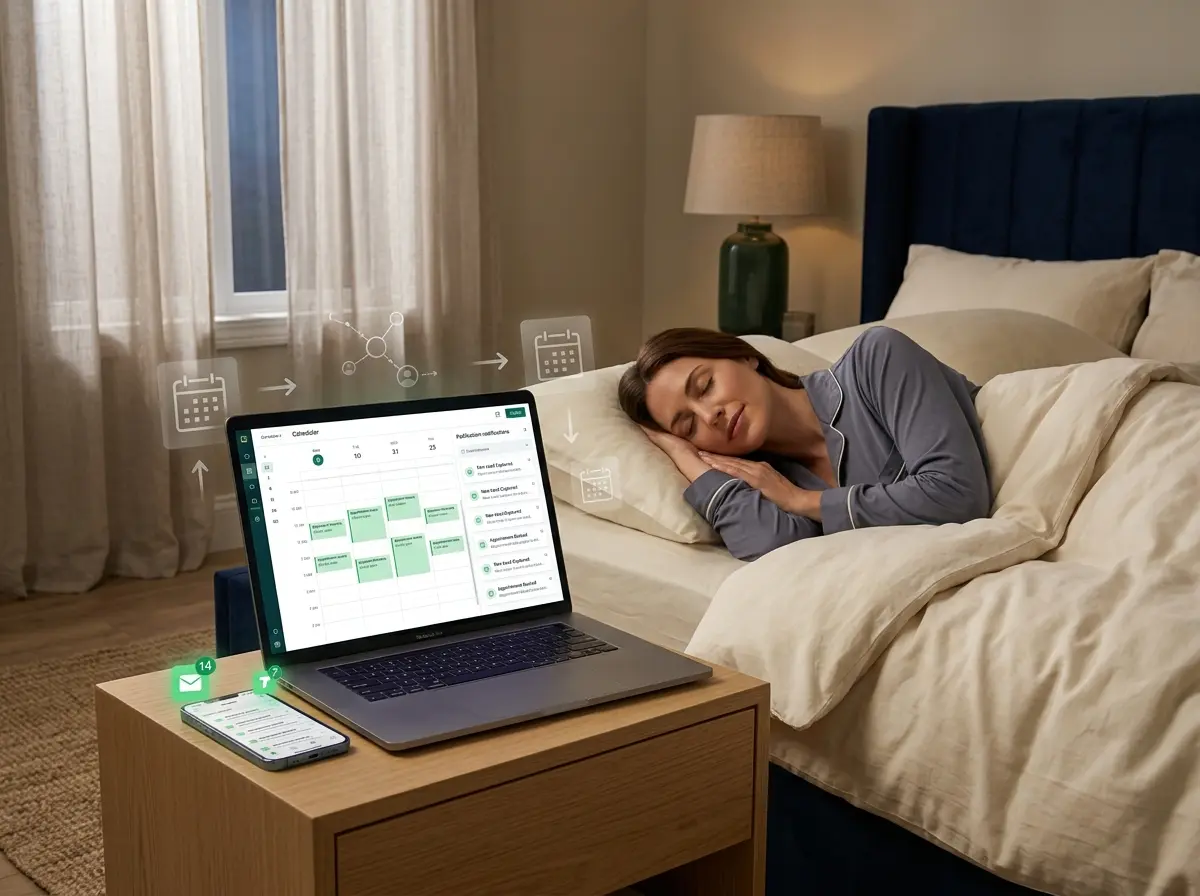
Patients have increasingly high expectations for healthcare interactions. They want to book appointments online at 11 PM. They want text confirmations. They want their questions answered without being put on hold for twelve minutes. Meeting these expectations used to mean hiring more staff — which comes with training costs, turnover, and the eternal challenge of finding someone who is simultaneously organized, empathetic, knowledgeable, and willing to work for a reasonable wage.
AI systems can fill many of these gaps without those complications. Automated appointment reminders reduce no-shows. AI-driven FAQ responses handle the routine questions that eat up front desk time. And when patients feel well-served from the moment they first interact with your practice — whether that's a phone call, a website visit, or walking through your door — they're more likely to become loyal, referring patients. In a competitive market where dermatology practices are fighting for the same patient base, that experience differential matters.
A Quick Reminder About Stella
Stella is an AI robot employee and phone receptionist built for businesses of all sizes, including medical practices. She answers calls 24/7, handles patient intake through conversational forms, manages contact records in her built-in CRM, and greets patients in person at the front of your practice — all for $99/month with no upfront hardware costs. She doesn't call in sick, doesn't need a lunch break, and never puts a patient on hold just to ask a colleague what the cancellation policy is.
Taking the Next Step Toward a Smarter Practice
If you've read this far, you're probably already feeling the pain points that AI triage and scheduling tools are designed to address. The question isn't really whether AI belongs in your dermatology practice — it's which parts of your workflow will benefit most from it first.
Start with a honest audit of where your front desk time is actually going. Track call volume by time of day, monitor appointment type mismatches, and ask your staff where they feel most overwhelmed. Chances are, you'll find that a significant portion of their time is spent on tasks that are repetitive, rule-based, and perfectly suited for AI assistance.
From there, consider the following practical steps:
- Evaluate your intake process. Are you collecting meaningful clinical information before patients arrive, or are you starting from scratch in the exam room every time?
- Assess your phone handling. How many calls go unanswered after hours? How many are routine questions that could be handled without a human?
- Look at your scheduling data. Are appointment types being matched correctly? What's your no-show rate, and is it tied to mismatched expectations?
- Start with one tool. You don't need to overhaul your entire practice overnight. Implementing an AI phone receptionist or an intake automation tool is a manageable first step with measurable results.
Dermatology is a field that requires precision, expertise, and genuine human connection. AI isn't here to replace any of that. It's here to make sure that when those moments of precision and connection happen, your team isn't distracted by a ringing phone or a stack of incomplete intake forms. Let the robots handle the scheduling. You focus on the skin.