Introduction: The Silent Patient Thief Hiding in Your Front Office
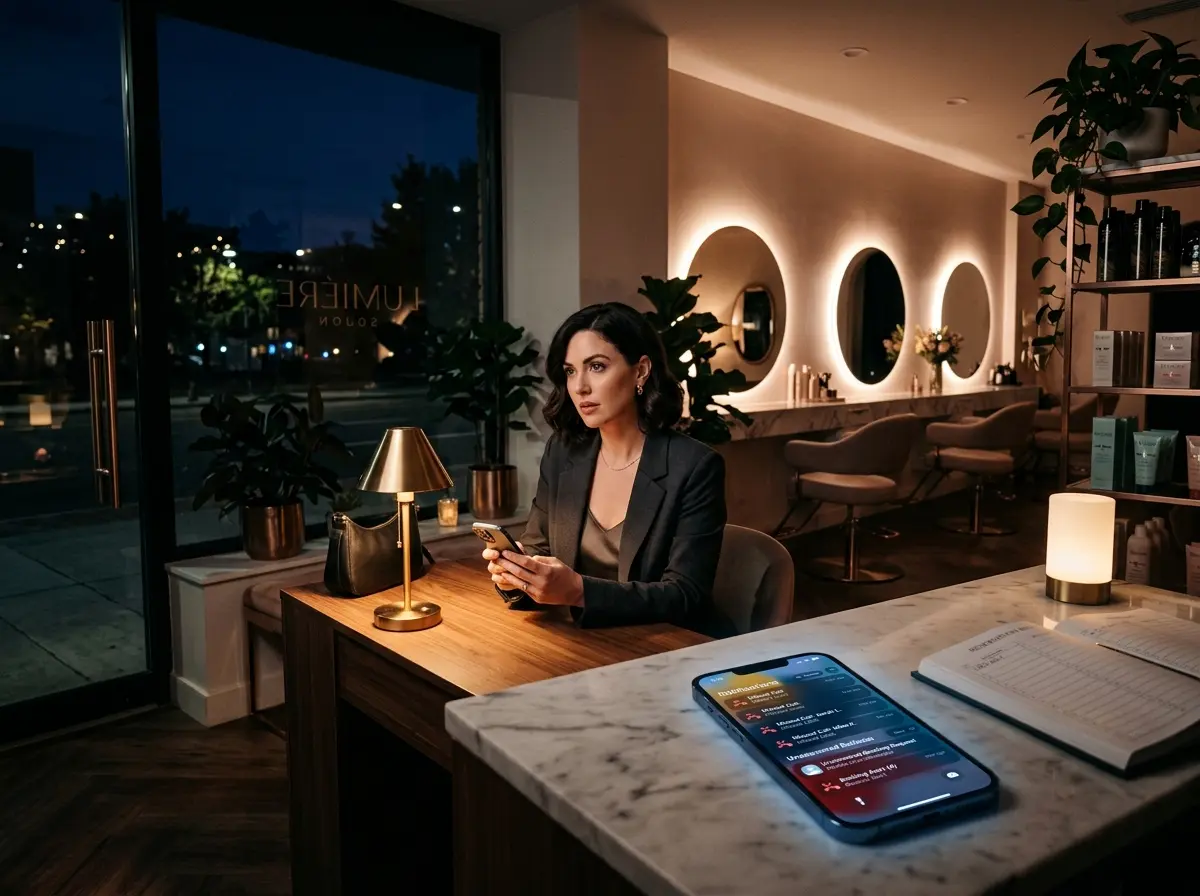
Picture this: It's 7:30 PM on a Tuesday. Someone just cracked a tooth on a rogue popcorn kernel and they're frantically searching for a dentist. They find your practice online, love your reviews, and immediately call your number — only to be greeted by the dulcet tones of your voicemail message. So they hang up. And then they call the next dentist on the list. Who answers.
Congratulations. Your answering machine just handed a new patient to your competitor.
This scenario plays out dozens — sometimes hundreds — of times per year at dental practices across the country, and most practice owners have absolutely no idea it's happening. You've invested thousands in your website, your Google ads, your patient reviews, and your spotless waiting room... and then you let a beep and a generic recording do the closing. It's a little like training for a marathon and then stopping 100 yards from the finish line to check Instagram.
The good news? This is one of the most fixable problems in your practice. Here's what's actually going on, why it matters more than you think, and what you can do about it today.
The Real Cost of Missed Calls in a Dental Practice
The Numbers Are Uncomfortable
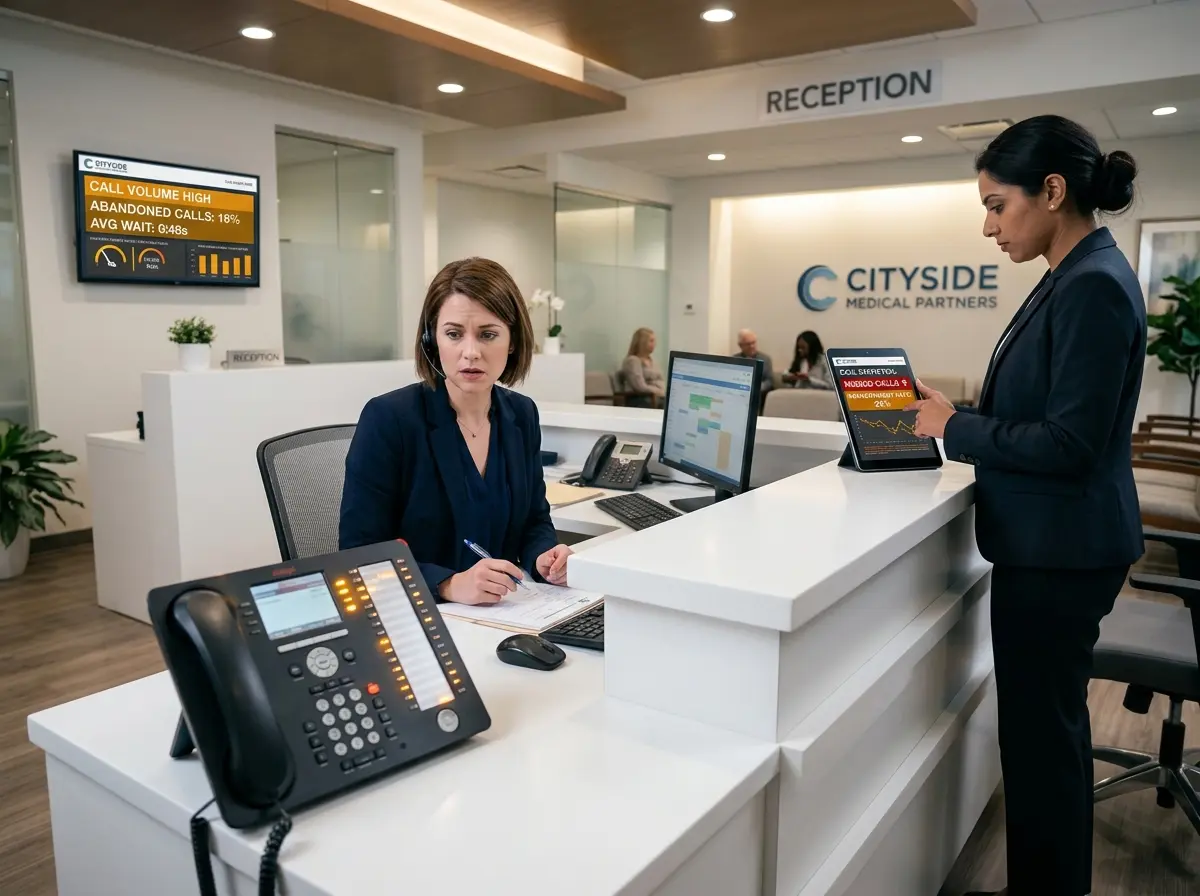
Let's talk data for a moment, because the math here is genuinely alarming. Studies suggest that up to 67% of callers who reach a voicemail simply hang up without leaving a message. Of those who do leave a message, a significant percentage move on if they don't get a callback within an hour — and let's be honest, your front desk team is juggling check-ins, insurance verifications, and a waiting room full of people who are not thrilled to be there. Callbacks in under an hour aren't always realistic.
Now factor in the lifetime value of a dental patient. A single patient relationship — when you account for cleanings, X-rays, the occasional crown, maybe orthodontics for their kids — can be worth $5,000 to $15,000 or more over a lifetime. Every missed call isn't just a missed appointment. It's a missed relationship. Multiply that by even 10 missed new-patient calls per month, and you're looking at a very expensive voicemail habit.
After-Hours Is When People Actually Call
Here's the frustrating irony: many people call their dentist precisely when your office is closed. Dental anxiety tends to peak in the evening when the pain won't quit or when they finally work up the nerve to schedule that procedure they've been putting off since 2021. Weekend calls? Same story. These are high-intent callers — people who are ready to book — and they're arriving at your practice's front door at 9 PM when the lights are off and the phones are forwarded to voicemail purgatory.
After-hours calls represent a disproportionately high percentage of new patient inquiries compared to existing patients, who are more likely to call during business hours because they already trust you. If you're not available when new prospects call, you're essentially filtering out your warmest leads by accident.
First Impressions Are Made on the Phone
Many patients choose a dental practice the same way they choose a restaurant — based on convenience, vibe, and how easy it is to get in the door. A phone call is often the very first human (or should-be-human) interaction they have with your brand. When that interaction is a voicemail box, the subliminal message isn't neutral. It communicates that your practice may be hard to reach, disorganized, or simply not that interested in their business. Even if none of that is true, perception is reality — especially for a new patient who has no other data points to go on yet.
How Modern Tools Can Plug the Leak
Always-On Phone Coverage Without Hiring Another Person
The traditional solution to missed calls has always been "hire more front desk staff." But that comes with real costs: salary, benefits, training, turnover, and the unavoidable fact that even the best receptionist can't be on three calls simultaneously or work at midnight. This is exactly where AI-powered phone solutions are changing the game for dental practices.
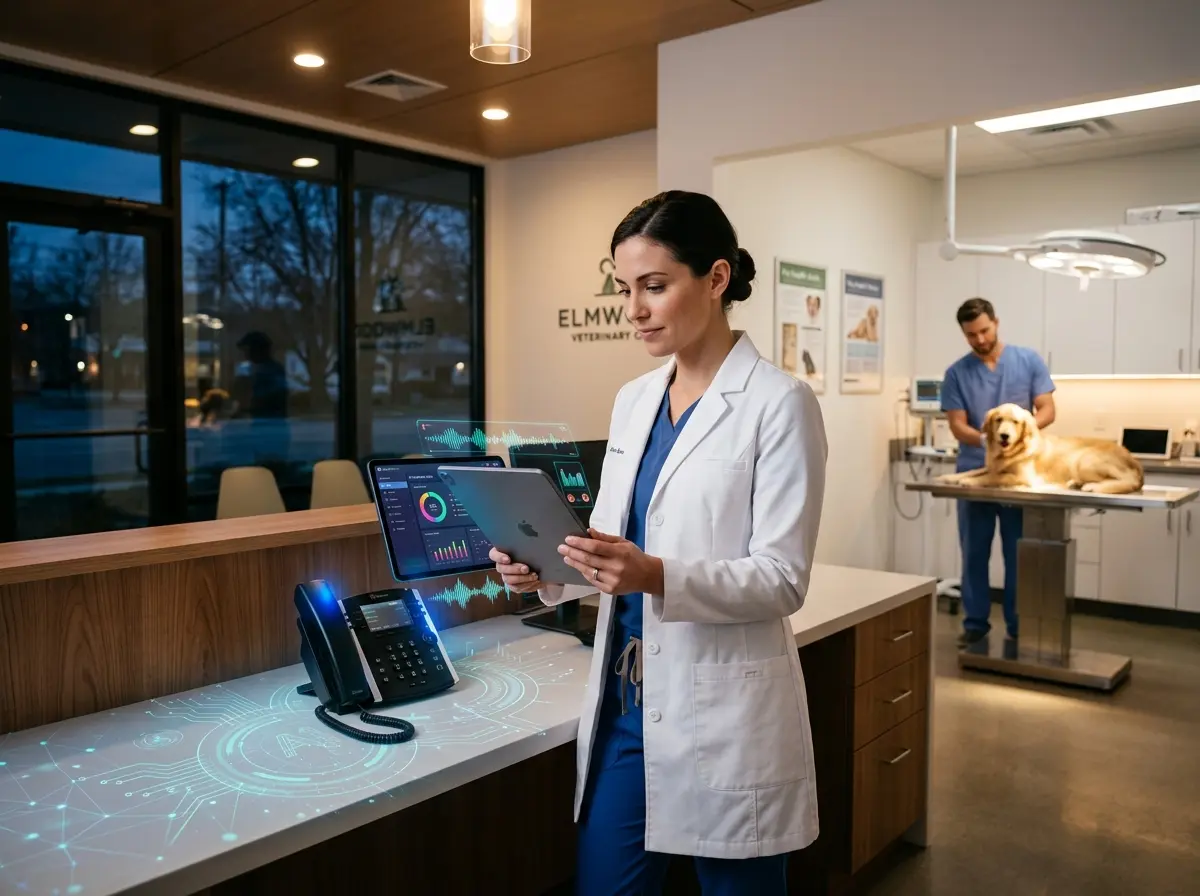
Stella, an AI robot employee and phone receptionist, answers calls 24/7 with real, conversational intelligence — not a clunky phone tree. She can answer questions about your services, explain what insurances you accept, describe your new patient process, and collect intake information directly from callers using natural conversation. She can forward calls to your human team when it makes sense, and when it doesn't (say, at 11 PM on a Sunday), she takes detailed voicemails with AI-generated summaries pushed directly to your phone. No more sifting through garbled recordings. No more "I think they said their name was Dave? Or Dave-ish?"
For practices with a physical location, Stella also serves as an in-office kiosk, greeting patients as they walk in and answering questions that would otherwise pull your front desk team away from their work. Her built-in CRM captures and organizes patient contact information from every interaction — whether it happens on the phone, on the web, or in person — so nothing falls through the cracks.
What a Proper Phone Strategy Actually Looks Like
Stop Treating Phone Calls Like Interruptions
There's a cultural problem lurking in a lot of dental offices: the phone is treated as a nuisance rather than a revenue stream. Staff members who are busy with an in-person patient let calls roll to voicemail without a second thought. That's understandable — they're doing their jobs — but it costs you. Training your team to treat every incoming call as a potential new patient worth thousands of dollars changes the psychology. Even small behavioral shifts, like always answering within three rings during business hours or ensuring voicemail messages are warm and set clear callback expectations, make a meaningful difference.
Set Up a Callback System That Actually Works
If someone does reach voicemail, your response time is everything. Aim for a callback within 15 to 30 minutes during business hours — full stop. Assign a specific team member to be the "callback champion" for that day, rotating responsibility across your front desk staff so no one burns out on it. Consider using a practice management tool that flags unresolved messages and tracks callback status. And when you call back, lead with empathy: "Hi, I'm returning your call from earlier today — I'd love to help you get scheduled." That tone alone converts significantly better than a perfunctory check-the-box callback.
Match Your Phone Availability to Patient Behavior
Look at your missed call data — if you're using a modern phone system, this should be accessible. Identify the peak hours when unanswered calls occur and make targeted adjustments. Maybe your lunch hour is a black hole for incoming calls because your front desk takes breaks in waves. Maybe Friday afternoons are surprisingly busy. The fix doesn't always require a massive overhaul; sometimes staggered breaks or extended availability on specific high-traffic days is enough to capture a meaningful portion of those missed opportunities.
For practices that see heavy evening or weekend call volume, real solutions require coverage during those windows — either through extended hours staffing (expensive), a call answering service (inconsistent quality), or an AI-powered receptionist that works around the clock without complaining about overtime.
Quick Reminder About Stella
Stella is an AI robot employee that works as both an in-office kiosk receptionist and a 24/7 phone answering agent — purpose-built for businesses like dental practices that can't afford to miss a patient inquiry. She starts at just $99/month with no upfront hardware costs, integrates naturally into your front office workflow, and never calls in sick the day before a holiday weekend. For dental practices losing new patients to voicemail, she's worth a very serious look.
Conclusion: The Easiest Patient You'll Ever Win Back
The missed-call problem is one of the rare business challenges that is both genuinely significant and surprisingly solvable. You don't need a massive operational overhaul. You need a clearer understanding of when and why calls are going unanswered, a cultural commitment from your team to treat every incoming call as a high-value opportunity, and the right tools to cover the gaps your human staff simply cannot fill around the clock.
Here's your action plan:
- Audit your missed calls. Pull the last 30 days of call data from your phone system and identify patterns — what times, what days, how many.
- Update your voicemail immediately. Make it warm, specific, and set a clear expectation: "We'll call you back within 30 minutes during business hours." Then actually do it.
- Assign callback ownership. Every unanswered call should have a specific team member responsible for the follow-up, with a time target.
- Solve the after-hours gap. Whether that's an AI receptionist or another coverage solution, stop letting evening and weekend callers disappear into voicemail oblivion.
- Track your results. Measure new patient conversion rates month over month. You'll be amazed at how much was simply falling through the cracks.
Your patients are out there, searching for a dentist they can actually reach. Be that dentist. The answering machine has had its run — it's time to retire it.