The Revolving Door Problem: Why New Members Disappear After Day One
You did it. You ran a killer promotion, your front desk staff was charming, and you signed up a wave of shiny new members. Congratulations! Now brace yourself, because statistically speaking, a significant chunk of them won't be back by month two. According to the fitness industry, nearly 50% of new gym members quit within the first six months — and a large portion of that drop-off happens embarrassingly early. Like, "they haven't even learned where the towels are" early.
Here's the uncomfortable truth: most gyms treat the sales process as the finish line when it's actually just the starting gun. The moment a new member signs that agreement and walks out the door, the clock starts ticking on their commitment. If nobody reaches out to welcome them properly, answer their questions, and help them feel like they actually belong — they'll quietly cancel, avoid your calls, and leave you a passive-aggressive two-star review about parking.
The onboarding call is one of the most underrated tools in a gym's retention arsenal, and most gyms either skip it entirely or do it so poorly it barely counts. This guide is here to fix that.
Building an Onboarding Call That Actually Works
Timing Is Everything — Call Within 48 Hours
If you wait a week to reach out to a new member, you've already missed the window of peak excitement. The first 24 to 48 hours after someone joins a gym are filled with motivation, optimism, and a Pinterest board full of meal prep containers. That's your moment. A well-timed onboarding call catches them while they're still fired up, before real life swoops in with its couch and its excuses.
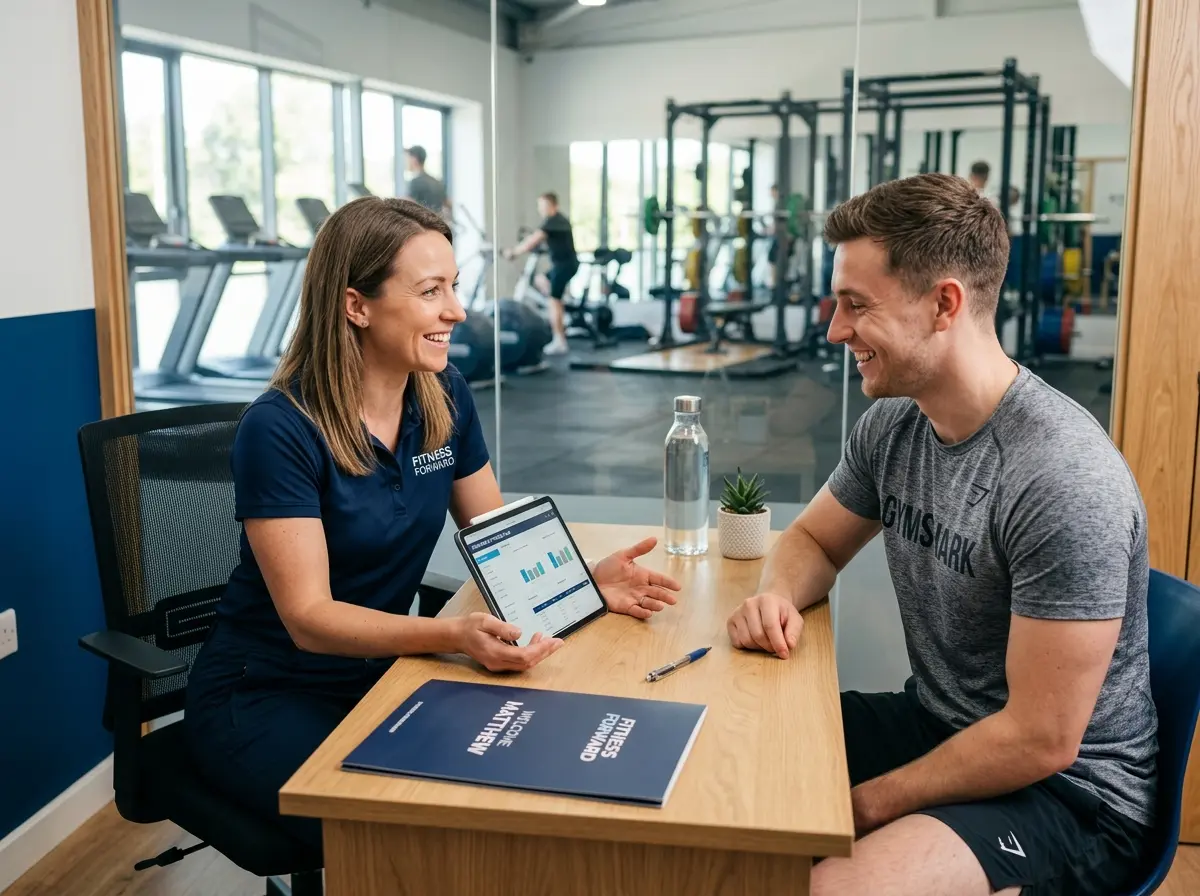
Your call doesn't need to be long — 10 to 15 minutes is plenty. The goal is to make a personal connection, set expectations, and answer any lingering questions before they spiral into doubt. Think of it less like a sales follow-up and more like a warm welcome from a knowledgeable friend. Members who feel welcomed early are significantly more likely to develop the habit of showing up, and habit formation is really the whole game here.
What to Cover: The Core Onboarding Call Framework
A great onboarding call follows a loose but intentional structure. You're not reading from a script like a robot (no offense to robots), but you do want to hit some key beats:
- A genuine welcome: Use their name. Acknowledge that joining a gym is a real decision, not just a transaction.
- Goal discovery: Ask them what brought them in. Weight loss? Stress relief? Training for an event? Knowing their "why" helps you connect them to the right resources and makes follow-ups feel personalized rather than spammy.
- Facility orientation: Remind them where things are, how to book classes, how the app works, and any policies they need to know. This reduces friction and eliminates the "I didn't know how to do that" excuse.
- Next step commitment: Ask them when they're planning to come in next. Getting a specific day on the calendar dramatically increases the likelihood they'll actually show up.
- Open invitation: Let them know who to contact with questions and make that feel genuinely easy.
Training Your Staff to Make It Feel Human, Not Scripted
The fastest way to ruin a good onboarding call is to make it feel like a checklist being read by someone who'd rather be anywhere else. Your staff needs to understand that this call isn't a formality — it's a relationship-building opportunity that directly impacts your monthly recurring revenue. Frame it that way and they'll take it more seriously.
Role-play the call in your team training sessions. Practice the awkward moments — the member who's standoffish, the one who talks for 20 minutes about their knee surgery, the one who signed up for their spouse and has zero personal interest. Equip your staff with language that feels natural, warm, and professional. The best onboarding calls feel like a conversation, not a customer service interaction.
Keeping Track of It All Without Losing Your Mind
How Stella Can Support Your Member Communication Flow
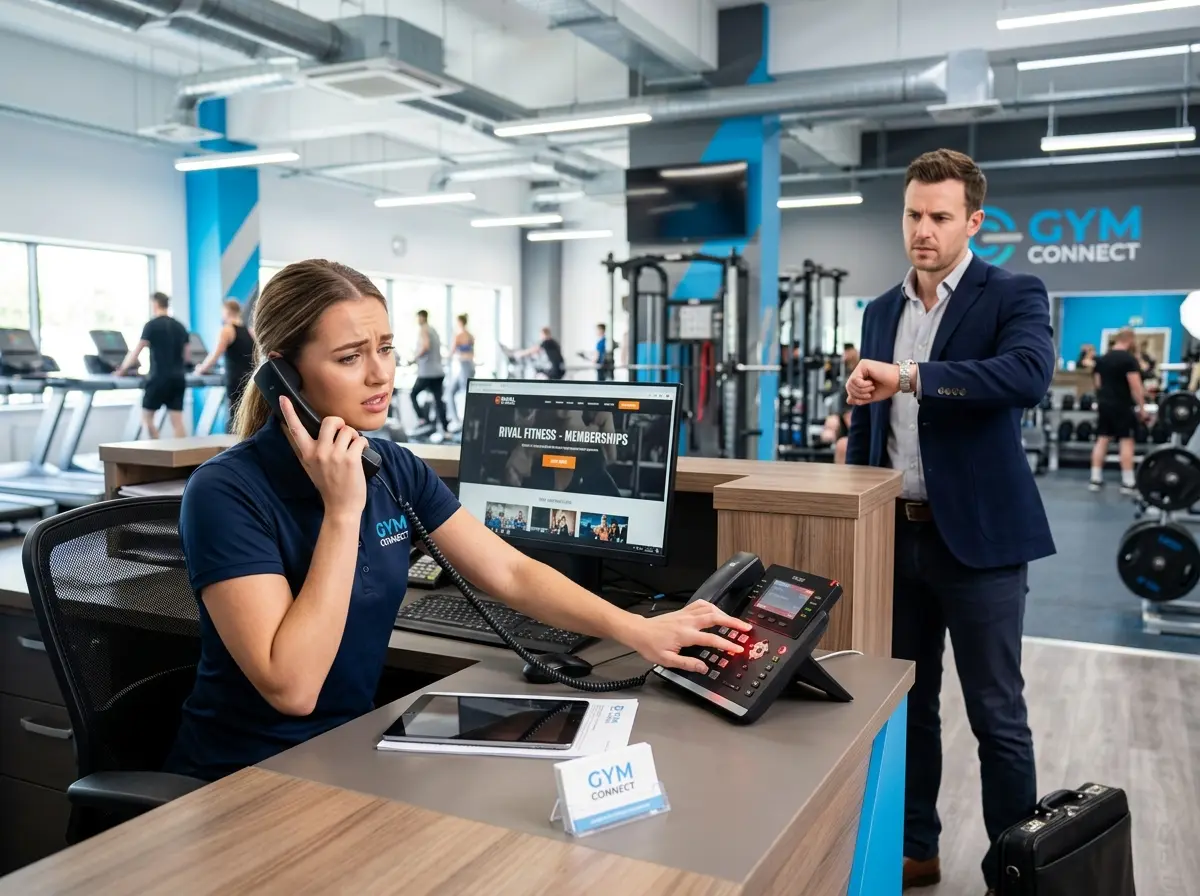
Here's where things get practical. Running a gym means juggling classes, equipment maintenance, staff scheduling, and about forty other things that don't involve sitting by the phone. Stella, the AI robot employee and phone receptionist, can help fill the gaps so new members never fall through the cracks.
On the phone side, Stella answers calls 24/7 — which matters because prospective and new members often call at inconvenient times with questions about hours, membership options, or class schedules. She can collect new member information through conversational intake forms right over the phone, feeding that data directly into her built-in CRM so your staff has everything they need before making that first onboarding call. No more sticky notes. No more "I thought you called them." Her AI-generated member profiles and tagging system make it easy to track who's been welcomed, who still needs a follow-up, and who might be at risk of ghosting you. If you also have a physical location, her in-person kiosk presence means new members walking in for the first time get a friendly, knowledgeable greeting even when your front desk is slammed.
Turning One Good Call Into a Long-Term Retention Strategy
The 30-60-90 Day Check-In Cadence
One call is a great start. A system of calls is a retention strategy. The most successful gyms build a simple check-in cadence that extends through the first three months — the highest-risk period for cancellations. A 30-day check-in asks how the first month went and whether they've been able to hit their goals. A 60-day call reinforces their progress and might be a good moment to introduce a personal training package or specialty class. By 90 days, a member who's still engaged is forming a real habit, and your goal is simply to celebrate that and keep the momentum going.
This doesn't need to be a massive operational lift. Even brief, personalized touchpoints — a text, a quick call, a check-in from a trainer on the floor — signal to members that they're more than a monthly charge on their credit card. That feeling of being seen is surprisingly powerful in an industry where people often feel intimidated or invisible.
Using Data to Identify Members Who Need Attention
If your gym management software tracks visit frequency (and it should), use it. A member who visited four times in week one and then went silent for two weeks is a red flag worth acting on. A quick, non-pushy "Hey, we missed you — everything okay?" message can re-engage someone who was on the verge of canceling. It sounds almost too simple, but it works because most gyms don't bother. The bar is genuinely low, and clearing it makes you look great.
Creating Community That Makes Canceling Feel Weird
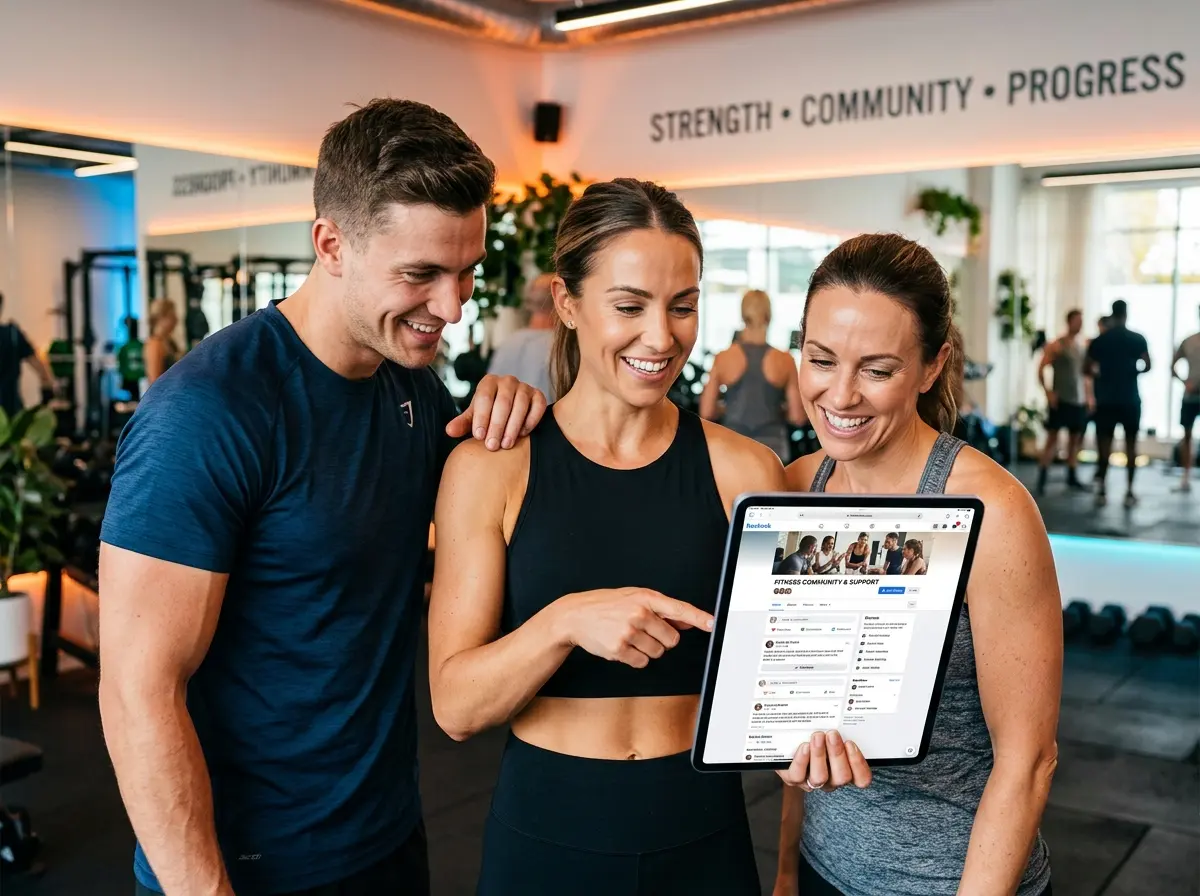
The gyms with the best retention rates aren't always the ones with the fanciest equipment. They're the ones where members feel like they belong to something. Structured community touchpoints — whether that's a beginners' orientation class, a member Facebook group, a monthly challenge, or just a staff culture of learning member names — dramatically reduce churn. When canceling a gym means leaving a community, the calculation changes. Make your gym a place people want to be, not just a place they feel obligated to visit.
Quick Reminder About Stella
Stella is an AI robot employee and phone receptionist built for businesses like yours. She greets members at your front entrance, answers calls around the clock, manages intake and follow-up information through a built-in CRM, and keeps your operation running professionally even when your team is stretched thin — all for $99 a month with no upfront hardware costs.
Your Next Steps Toward Better Retention
The onboarding call isn't glamorous. It won't go viral on social media or show up in a flashy marketing deck. But it is one of the highest-ROI activities a gym owner can invest in, because keeping a member costs a fraction of what it takes to acquire a new one. Every member you retain through thoughtful onboarding is revenue you don't have to chase down through another promotion.
Start small if you need to. Assign one staff member to own the onboarding call process. Build a simple template. Set a 48-hour contact window as a firm standard. Track your results. Then layer in the 30-60-90 check-in cadence once the first phase is running smoothly. Use tools — whether that's your existing gym software, a CRM, or something like Stella to handle intake and after-hours communication — to make the process consistent and scalable.
Your new members walked through the door with hope and a gym bag. Give them a reason to keep coming back. The ones who stay will become your most loyal advocates, your best word-of-mouth marketers, and the members who make running this whole operation feel worth it. That starts with a single, well-timed phone call.