Introduction: Because "Good Enough" Isn't Paying the Bills
Let's be honest — your retail team is probably doing fine. Customers are greeted (most of the time), questions get answered (eventually), and sales happen (when the stars align). But fine doesn't grow a business. Fine doesn't build loyalty. And fine definitely doesn't show up in your year-end revenue report as anything worth celebrating.
The difference between a good retail team and a great one isn't magic, talent, or some secret handshake. It's training — systematic, intentional, and ongoing sales training that turns well-meaning employees into confident, revenue-generating pros. Research from the Association for Talent Development found that companies with comprehensive training programs see 218% higher income per employee and a 24% higher profit margin than those without formalized training. So yeah, it matters.
This guide lays out a practical sales training framework you can actually implement — no consultants required, no weekend retreat to a mountain cabin, and no PowerPoint presentations with clip art. Just a straightforward approach to building a retail team that consistently performs at its best.
Building the Foundation: What Great Sales Training Actually Looks Like
Before you start handing out scripts and role-play scenarios, it helps to understand what you're actually building. Great sales training isn't a one-time event — it's a culture. It's the difference between a team that waits for customers to ask for help and one that proactively creates buying moments at every touchpoint.
Start With the Customer Journey, Not the Product Catalog
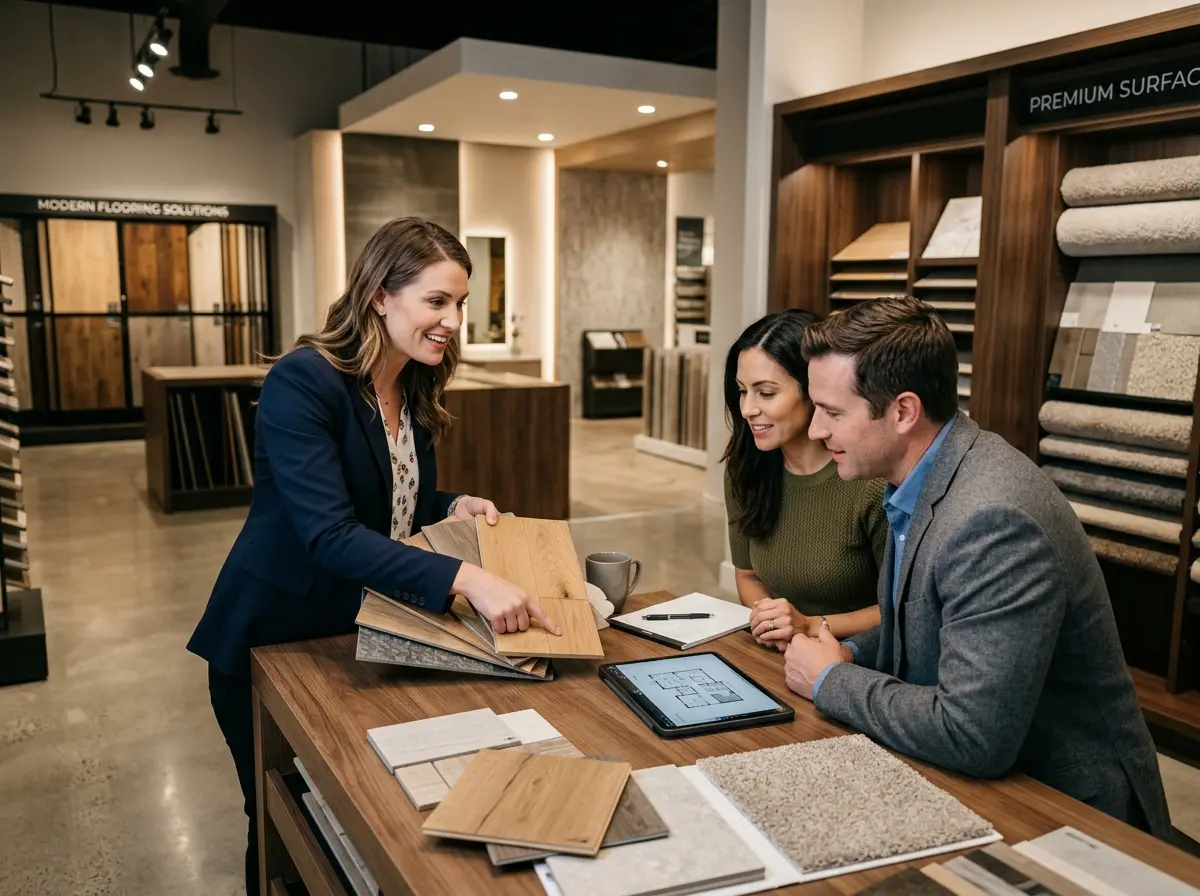
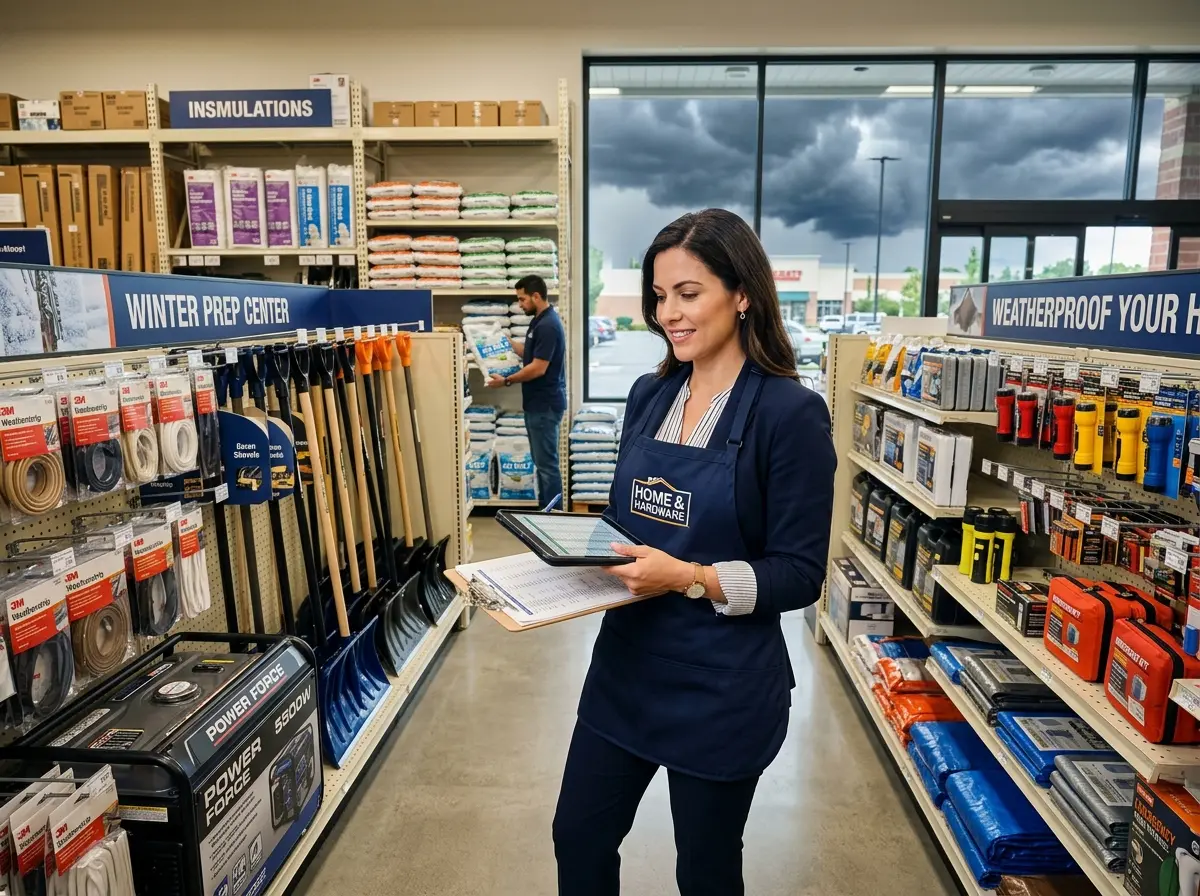
Most retail training starts in the wrong place. New employees get buried in product details, SKU numbers, and inventory logistics before they've ever thought about what a customer actually experiences walking through the door. Flip the script. Begin every onboarding session by walking your team through the customer journey from start to finish — from the moment someone notices your storefront to the moment they leave (hopefully with a bag in hand and a smile on their face).
Map out the key touchpoints: entry, browsing, assistance, decision-making, checkout, and follow-up. For each stage, discuss what the customer is likely thinking and feeling, and what your team's role is in that moment. This builds empathy first, which is — surprise — the foundation of great selling. A team that understands the customer's perspective doesn't need to be told to be helpful. They just are.
Teach the Art of the Proactive Greeting
The greeting is arguably the highest-leverage moment in retail. Studies show that customers who are greeted within the first 30 seconds of entering a store are significantly more likely to make a purchase. Yet somehow, "I'll be right with you" hollered from the back room has become an industry standard. It shouldn't be.
Train your team on proactive, personalized greetings — ones that don't start with "Can I help you?" (which almost always gets a "No, just looking"). Instead, coach them to make an observation or a relevant comment: "That jacket is going to look amazing with the new scarves we just got in" or "Are you shopping for yourself today or looking for a gift?" These openers invite conversation rather than closing it down before it begins.
Build a Core Selling Skills Curriculum
Once your team understands the customer journey and can nail a greeting, it's time to get into the mechanics. A solid core curriculum should cover needs discovery (asking the right questions), active listening, product matching, handling objections, and closing — not in a pushy, used-car-salesman way, but in a genuinely helpful way that makes customers feel confident in their decisions.
Keep training sessions short and frequent rather than long and infrequent. Thirty minutes twice a week beats a four-hour marathon once a month every time. Use real scenarios from your store, real objections your team actually hears, and real products your customers are actually buying. Contextual training sticks. Generic training gets forgotten by Tuesday.
Leveraging Technology to Support Your Team (and Fill the Gaps)
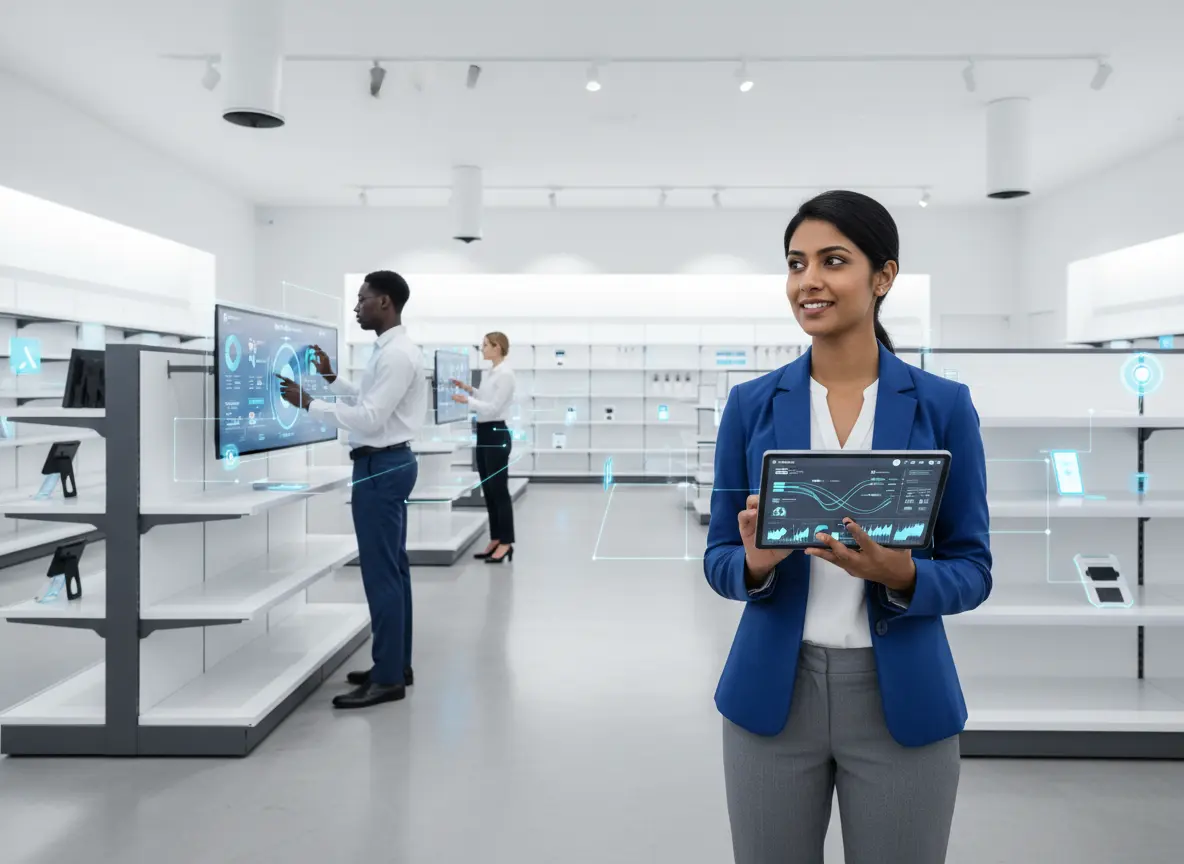
Here's a gentle truth: even your best-trained team has limits. They go on break. They get slammed during rush hour. They occasionally have an off day where their people skills are, let's say, aspirational. That's where smart technology comes in — not to replace your team, but to make sure nothing falls through the cracks.
Let AI Handle the Repetitive Stuff So Your Team Can Sell
One of the biggest time-drains on a retail team is answering the same questions over and over: "What are your hours?" "Do you carry this in blue?" "Is this still on sale?" Every minute spent on those questions is a minute not spent guiding a customer toward a purchase. Stella — an AI robot employee and phone receptionist — is built to handle exactly this kind of interaction, both in-store as a human-sized kiosk and over the phone as a 24/7 AI receptionist.
In-store, Stella proactively greets customers, answers product and policy questions, promotes current deals, and even upsells and cross-sells — all without pulling your human staff away from higher-value interactions. On the phone, she handles calls around the clock, takes AI-summarized voicemails, and forwards calls to staff when needed. The result? Your team gets to focus on what they do best: building relationships and closing sales.
From Skills to Habits: Making Great Selling Stick
Training your team once is table stakes. Making the skills permanent — turning them into automatic, consistent habits — is where most retail businesses fall short. You can run the best onboarding program in your industry, and within six weeks, old habits creep back in. This is not a character flaw; it's just how humans work. Your job is to build systems that reinforce good behavior continuously.
Use Observation and Feedback as Regular Practice
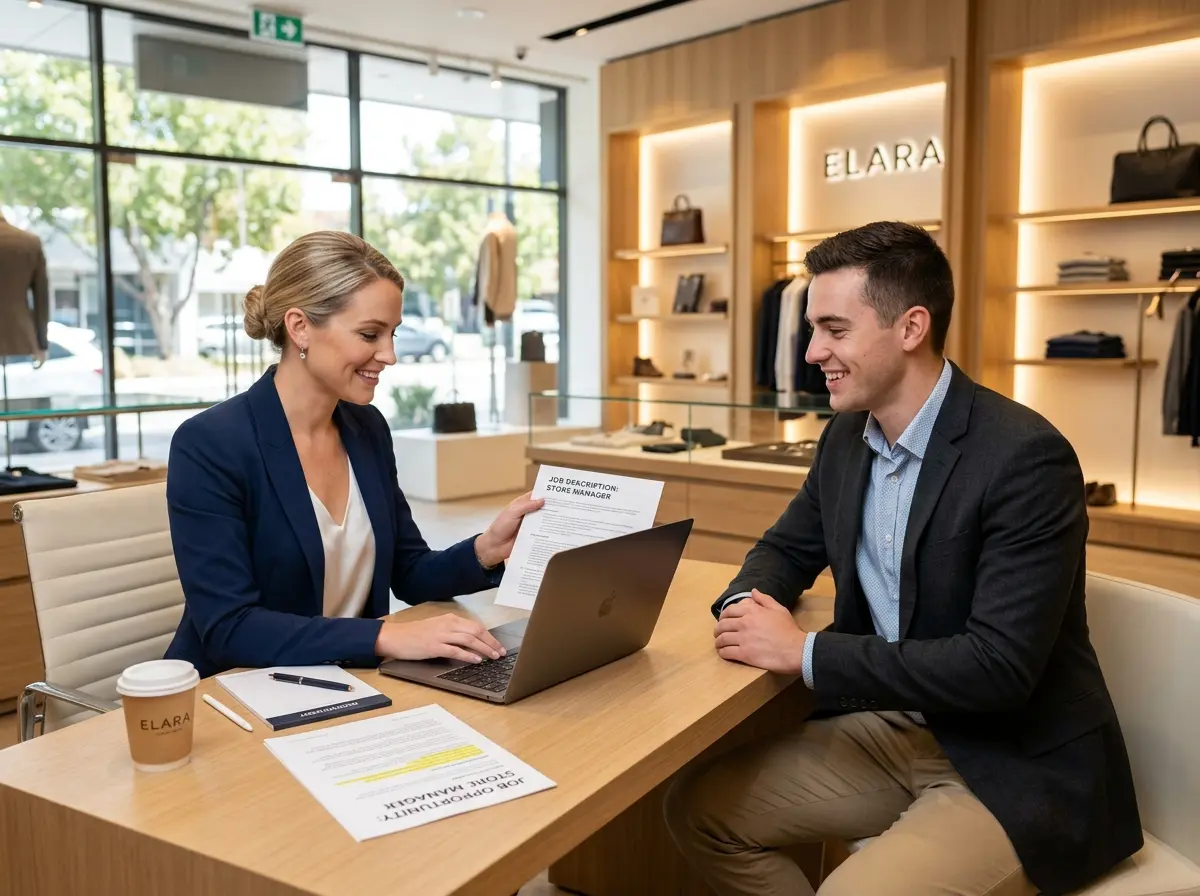
Coaching in the moment is wildly more effective than feedback delivered days later. Build a habit of short, regular observation walks — spend ten minutes on the floor watching how your team interacts with customers, then deliver specific, timely feedback. Not "you could be more engaging" but "I noticed you asked three closed-ended questions in a row — try following up with 'what else matters to you about this?' and see how the conversation opens up."
Specificity is everything. Vague feedback produces vague improvement. And make sure coaching isn't only corrective — catching your team doing something right and calling it out is one of the most powerful reinforcement tools you have. People repeat behavior that gets noticed and appreciated.
Run Weekly Role-Play Scenarios
Yes, your team will groan. Do it anyway. Role-playing is the closest thing to a flight simulator that retail training has — it lets your employees practice handling difficult situations without the consequence of a real customer on the line. Rotate scenarios weekly based on what's actually happening in your store. Did three customers this week push back on your return policy? That's your next role-play topic. Did several sales stall at the checkout? Practice the close.
Keep sessions to 15-20 minutes, make them low-pressure and even a little fun, and rotate who plays the customer so everyone gets perspective from both sides of the transaction. Over time, this builds muscle memory — and muscle memory is what shows up when things get busy and there's no time to think.
Track Metrics That Actually Reflect Sales Performance
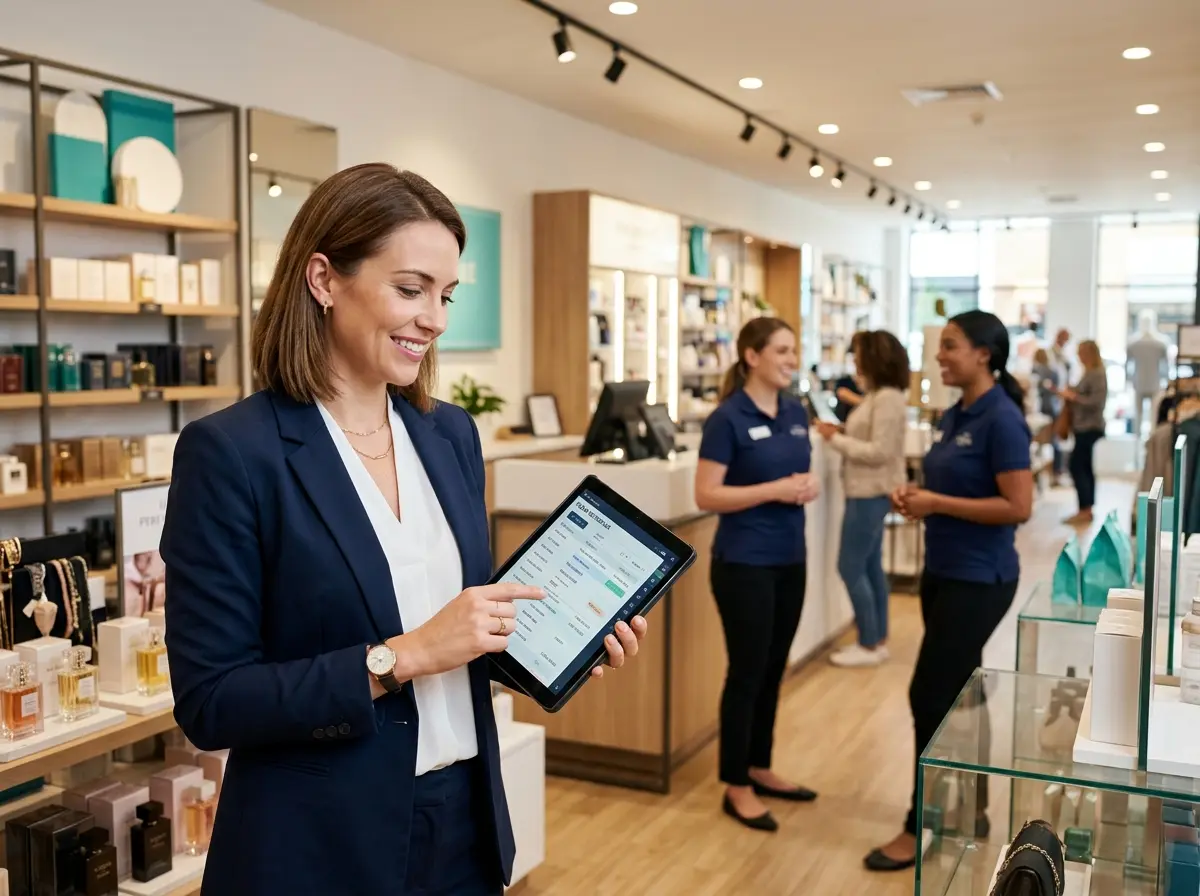
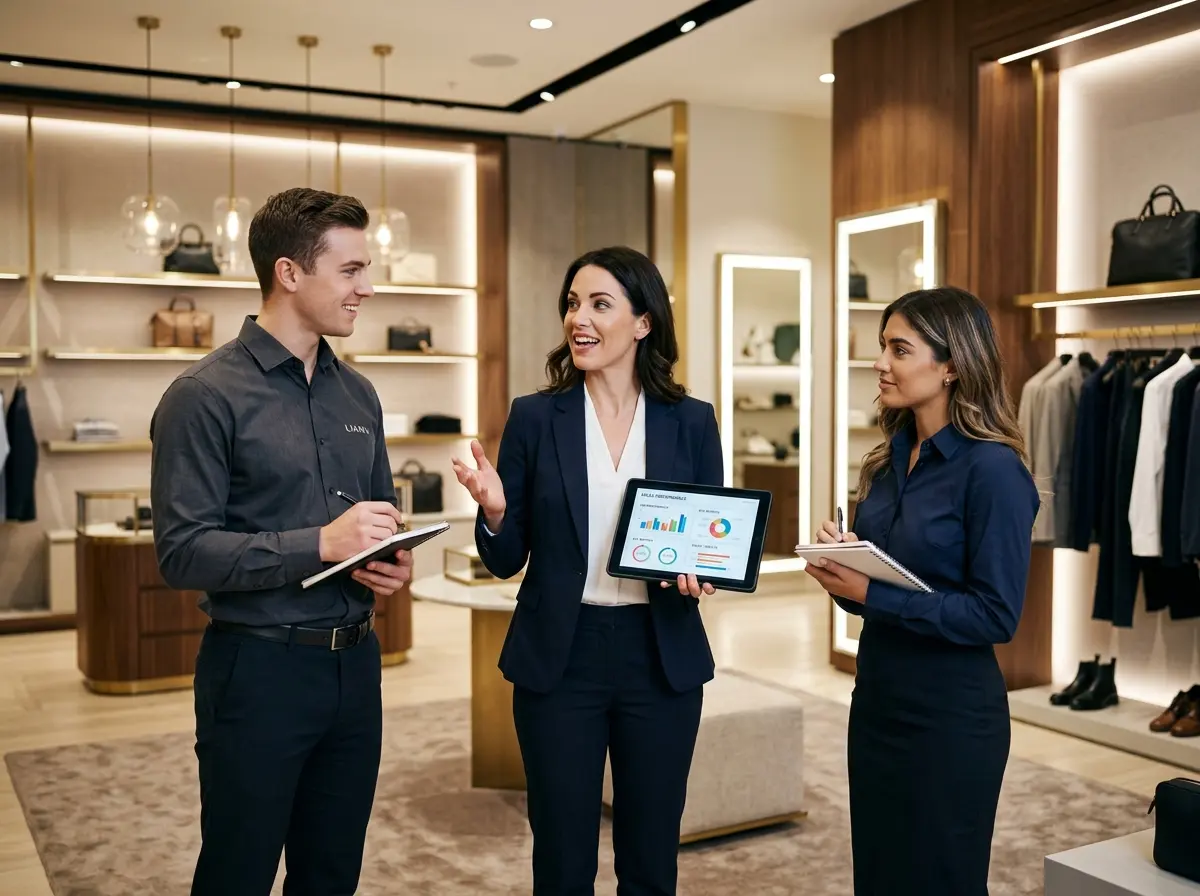
You can't improve what you don't measure. Beyond basic revenue numbers, track conversion rate (what percentage of visitors make a purchase), average transaction value, and units per transaction. These three metrics together tell you a much more complete story than total sales alone. A team with a low conversion rate but high average transaction value has different training needs than one with the reverse pattern.
Review these metrics with your team regularly — not as a blame exercise, but as a shared scoreboard. When people understand what the numbers mean and can see their own impact on them, they become invested in moving them. And invested employees sell better. Every time.
Quick Reminder About Stella
Stella is an AI robot employee and phone receptionist that works in your store as a human-sized kiosk and answers phone calls 24/7 — starting at just $99/month with no upfront hardware costs. She greets customers, promotes deals, answers questions, upsells, and handles calls so your human team can stay focused on selling. Think of her as the teammate who never calls in sick, never needs a break, and never forgets the script.
Conclusion: Your Action Plan Starts Today
Transforming your retail team from good to great doesn't require a massive budget or a restructured org chart. It requires commitment to a few fundamentals done consistently: understanding the customer journey, teaching proactive engagement, building core selling skills, reinforcing those skills with ongoing coaching and role-play, and measuring what matters.
Here's your practical starting point for this week:
- Map your customer journey and share it with your team — make it visible, make it real.
- Audit your current greeting practices — observe two or three customer interactions today and take notes.
- Schedule your first role-play session for this week, even if it's just 15 minutes.
- Pull your conversion rate and average transaction value for the last 30 days as a baseline.
- Identify one repetitive task that's pulling your team away from selling, and explore whether technology like Stella could handle it instead.
None of this is complicated. The businesses that win in retail aren't necessarily the ones with the best products or the flashiest stores — they're the ones with teams that are consistently good at connecting with customers and helping them make decisions. Build that team, and the results will follow.
Now go run a role-play. Your team will thank you later. (Probably.)