Introduction: The Sale Is Just the Beginning
Congratulations — you sold a $4,000 refrigerator. Champagne all around. But here's the uncomfortable truth that separates good appliance retailers from truly great ones: the moment the delivery truck pulls away is when your real job begins. A high-end appliance purchase isn't a transaction — it's the start of a relationship. And just like any relationship, if you stop putting in the effort the moment things get official, things tend to go sideways pretty quickly.
According to research from Bain & Company, increasing customer retention by just 5% can boost profits anywhere from 25% to 95%. In a category like premium appliances — where a single household might spend $20,000 or more furnishing a kitchen — post-purchase service isn't a "nice to have." It's your most powerful competitive weapon. Your customers didn't just buy a dishwasher. They bought into a lifestyle, a standard of quality, and — whether they consciously know it or not — an expectation that you'll be there when that dishwasher starts making a sound no dishwasher should ever make.
This guide walks through the practical, actionable strategies high-end appliance retailers can implement to turn buyers into brand loyalists, generate repeat business, and build the kind of word-of-mouth reputation that no ad budget can replicate.
Building a Post-Purchase Communication Strategy That Actually Works
Most appliance stores send one follow-up email. Maybe two. Then silence — until the customer shows up three years later needing a replacement and can't quite remember where they bought the last one. Don't be that store. A deliberate, well-timed communication cadence keeps you top of mind without becoming the retailer who clogs someone's inbox with coupons for things they already own.
The First 30 Days: Onboarding Your Customer Like They Matter
The first month after a purchase is golden. Your customer is engaged, excited, and actively thinking about their new appliance. This is the ideal window to deliver value proactively. Send a personalized "welcome to your new kitchen" message within the first 48 hours — not a generic receipt forward, but something warm and specific to what they bought. Follow it up around day seven with helpful usage tips, links to video tutorials, or care instructions tailored to their specific model. Around day 30, check in with a brief satisfaction touchpoint. Ask how things are going. You'll catch problems early, demonstrate that you care, and open the door to referrals while the experience is still fresh.
Ongoing Touchpoints: Staying Relevant Without Being Annoying
Beyond the first month, your communication strategy should shift from onboarding to relationship maintenance. Quarterly or seasonal touchpoints work well in this industry — a reminder about filter replacements, a note about complementary products that pair well with their range, or a heads-up about an upcoming sale on items they've shown interest in. The key is relevance. A customer who bought a Wolf range does not want an email about budget blenders. Segment your customer list by purchase history, price point, and product category, and speak to each group accordingly. A well-maintained customer database makes this not just possible but genuinely easy.
Leveraging Technology to Enhance the Post-Purchase Experience
Here's where things get interesting — and where a lot of appliance retailers leave serious money on the table. The post-purchase journey involves a lot of touchpoints: follow-up calls, service scheduling, product questions, warranty inquiries, and more. Managing all of that manually is how you burn out your staff and create inconsistent customer experiences.
Let Smart Tools Handle the Repetitive Stuff
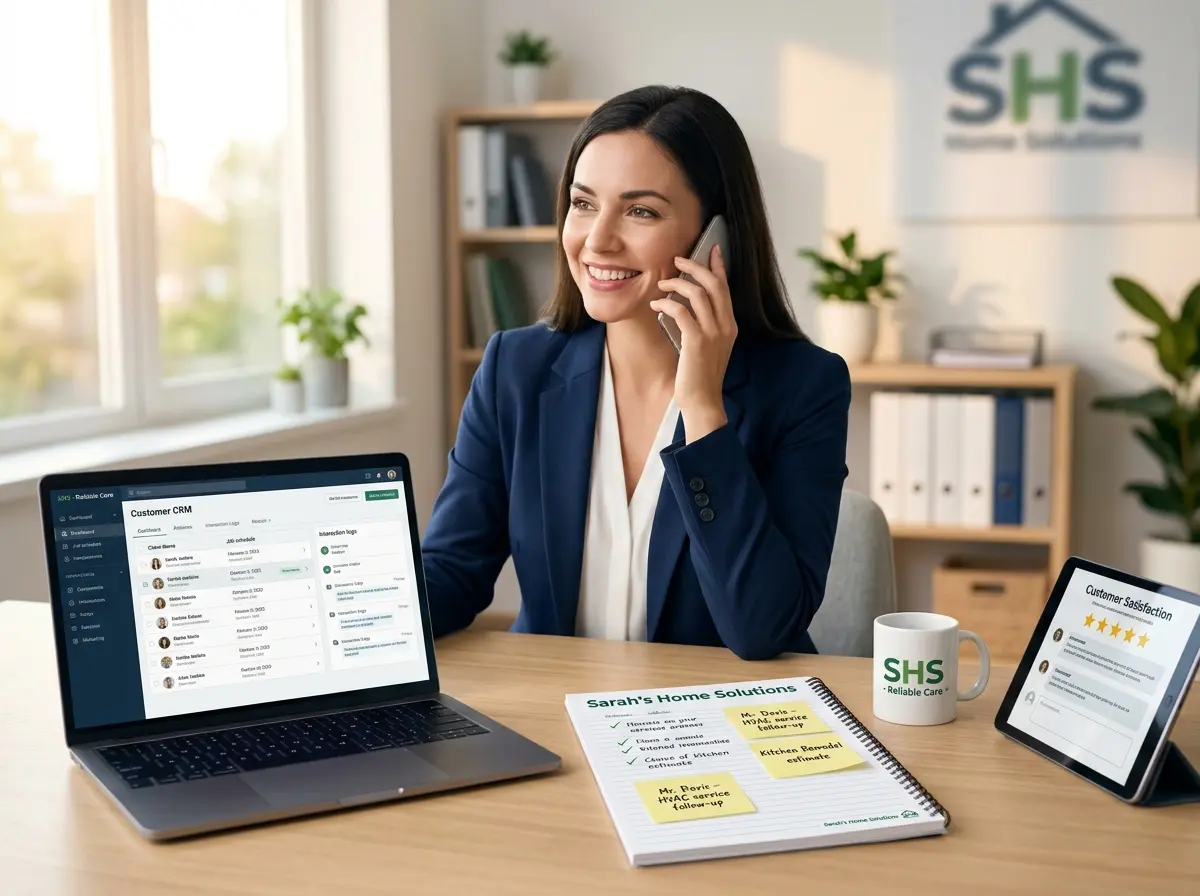
Stella, the AI robot employee and phone receptionist, is a natural fit for appliance retailers who want to maintain a high-touch experience without hiring a small army to do it. In-store, Stella greets customers, answers questions about products, services, and current promotions, and can even assist with post-purchase inquiries at the kiosk — freeing your sales staff to focus on active selling. On the phone, she handles calls around the clock, answering questions about warranty policies, service scheduling availability, and store hours so your team isn't fielding the same questions on repeat. Her built-in CRM lets you store customer purchase history, add custom tags, and generate AI-powered customer profiles that make every future interaction feel personal and informed. When a customer calls six months after buying a Sub-Zero refrigerator, Stella already knows who they are. That's not just efficiency — that's the kind of service that earns five-star reviews.
Service, Warranties, and the Art of the Follow-Through
Premium appliances come with premium expectations. When something goes wrong — and occasionally, something will — how you handle it defines your reputation more than any marketing campaign ever could. A customer who has a problem handled quickly and professionally will talk about that experience. A customer who gets put on hold for 40 minutes and transferred three times will also talk about that experience. You want to be the former story.
Making Warranty and Service Claims Painless
The number one complaint customers have about appliance service isn't the repair itself — it's the process of getting help. Streamline your service intake as much as possible. Offer multiple ways to initiate a claim: phone, web form, and in-store. Train your staff to handle warranty questions with confidence rather than uncertainty. Communicate clearly and proactively about scheduling windows, technician arrival times, and repair timelines. If there's going to be a delay, tell the customer before they have to ask. Being upfront about setbacks doesn't damage trust — being caught off guard does.
Using Service Moments as Relationship Opportunities
A service visit doesn't have to be just a repair call. It's a touchpoint with a customer who is already engaged with your brand. Train your technicians — or your service coordination team — to note what other appliances are in the home, identify units that may be aging out, and flag opportunities for future conversations. A customer whose refrigerator you just repaired expertly is in a far better headspace to hear about a new dishwasher than a cold prospect who's never interacted with your store. Done thoughtfully, post-service follow-up can become one of your most consistent sources of repeat business.
Extended Warranties and Protection Plans: Sell the Peace of Mind
Extended warranties and service contracts are often viewed as a pain point in the sales process, but for high-end appliance retailers, they're a genuine value-add when framed correctly. Customers buying a $6,000 range want to protect that investment — they just need to be shown why your protection plan is worth it. Be transparent about what's covered, emphasize the quality of your service network, and make enrollment easy. A customer on an ongoing service contract has a reason to call you first, visit your store, and think of you before they think of anyone else.
Quick Reminder About Stella
Stella is an AI robot employee and phone receptionist that works in your store as a physical kiosk and answers your phones 24/7 — no breaks, no bad days, no turnover. For $99 a month with no upfront hardware costs, she handles customer questions, promotes your services, manages contact data through a built-in CRM, and keeps your operation running smoothly whether your human team is slammed or it's 11pm on a Sunday.
Conclusion: Make the Relationship Outlast the Warranty
The best high-end appliance retailers aren't just in the business of selling appliances. They're in the business of building households that trust them — for the next purchase, the next upgrade, the referral to a neighbor who's finally redoing their kitchen. Every post-purchase touchpoint is a chance to reinforce that trust or let it erode. The good news is that most of your competitors aren't doing this well, which means the bar isn't as high as it might seem.
Here's your action plan:
- Audit your current post-purchase communication. How many touchpoints do you have? Are they relevant and timely? If the answer is "we send a receipt and hope for the best," it's time for an upgrade.
- Segment your customer database by product category and purchase history so your outreach feels personal rather than generic.
- Streamline your service intake process so that getting help feels as premium as the products you sell.
- Train your team to see service moments as sales opportunities — handled with integrity and genuine care, not pressure.
- Explore tools like Stella to handle the repetitive, always-on communication work so your team can focus on the high-value interactions that actually require a human touch.
Your customers made a significant investment in your store. Give them every reason to do it again — and to bring their friends along when they do.