First Impressions Are Everything (And You're Probably Blowing It)
Let's be honest — someone just walked into your gym, they're nervous, they smell the rubber and sweat, and they have absolutely no idea what they're doing. This is your moment. This is the moment where you either turn a curious visitor into a loyal, dues-paying member, or you send them straight into the arms of the big-box gym down the street that has more treadmills and zero soul.
The new member tour is one of the most underrated tools in a gym owner's arsenal. Most gyms treat it like a formality — a quick lap around the facility with a vague wave toward the locker rooms and a "and that's the free weight area, pretty self-explanatory." But a high-converting new member tour is a structured, intentional sales and retention experience that makes prospects feel welcome, informed, and genuinely excited to sign on the dotted line.
The good news? You don't need a bigger facility or a bigger staff to do this well. You just need a better system. Let's break it down.
The Anatomy of a Tour That Actually Converts
Start Before They Walk in the Door
The tour doesn't begin when a prospect steps onto your gym floor — it begins the moment they make contact with your business. Whether that's a phone call, a web form, or a walk-in, the experience leading up to the tour sets the tone for everything that follows. If someone calls and gets voicemail, or a distracted staff member who puts them on hold for three minutes, you've already lost momentum.
Before the tour, make sure you're collecting key information: Why are they interested in joining? What are their fitness goals? Have they been a gym member before? This isn't just small talk — it's intelligence. A prospect who says "I want to lose weight before my daughter's wedding in four months" is handing you a golden opportunity to tailor every step of the tour to their specific emotional driver. Use it.
The Warm Welcome Is Non-Negotiable
When a prospect arrives, greet them by name if at all possible. It sounds simple, but it signals that you were expecting them, that they matter, and that your gym is the kind of place that pays attention. Offer them water. Introduce yourself. Ask a clarifying question or two based on the intake information you already collected.
Research consistently shows that people make emotional decisions and justify them with logic afterward. That means the warm, human connection at the start of the tour is doing more conversion work than any equipment specification or amenity list you could rattle off. Don't rush past this step to go show them the squat racks.
Structure the Tour Around Their Goals, Not Your Floor Plan
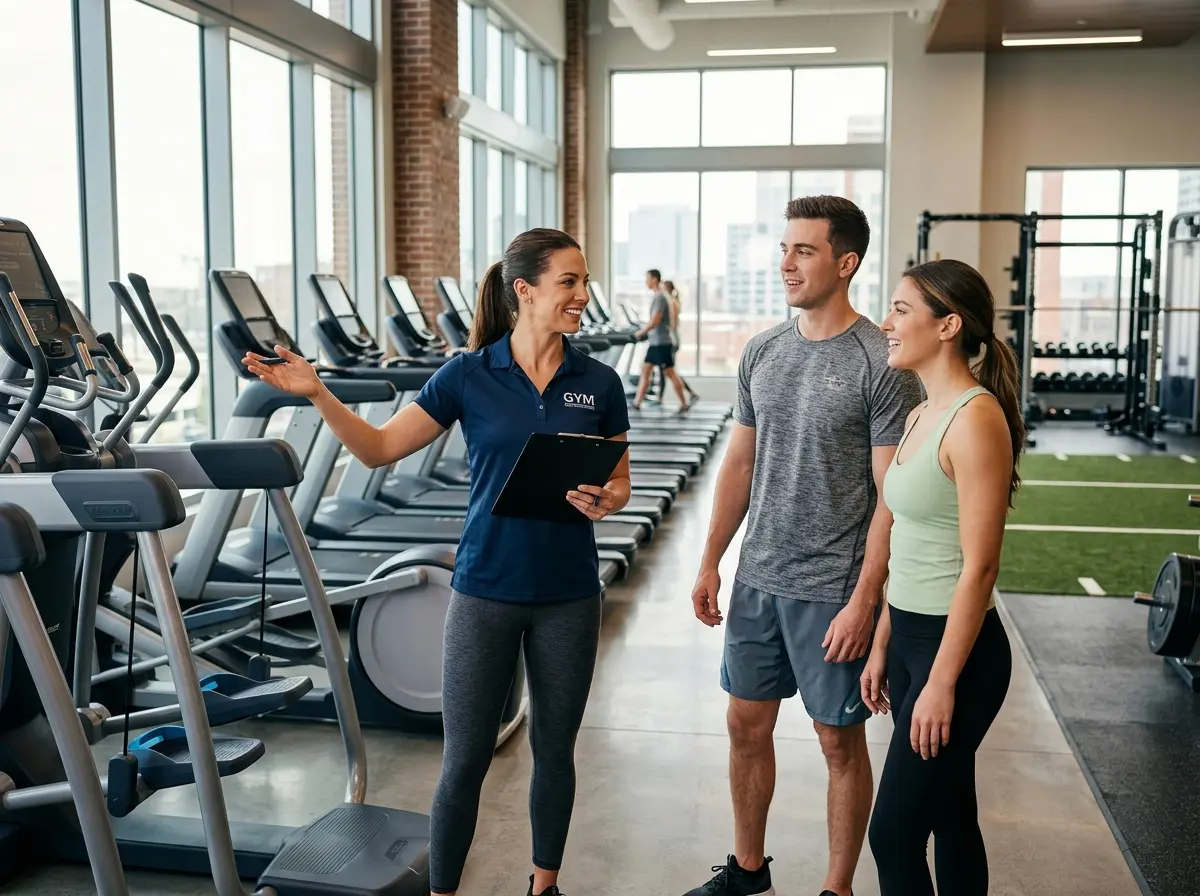
This is where most gym tours go sideways. The default approach is a geographic tour — you walk them through the facility in whatever order it's physically laid out. But a high-converting tour is a goal-centric tour. You show them what matters to them, in the context of how it solves their problem.
If your prospect wants to build strength, spend real time in the free weight area. Explain your programming options. Introduce them to a trainer if one is available. If they're a busy parent who needs efficient workouts, highlight the group fitness schedule and the fact that classes start on time. Connect every feature of your facility to a benefit that maps directly to their stated goals. You're not showing them a gym — you're showing them their future.
How Smart Tools Can Streamline Your Member Experience
Let Technology Handle the Gaps Your Staff Can't
Even the best-staffed gym has blind spots. The front desk gets slammed during peak hours. A prospect calls at 8pm on a Sunday and nobody answers. A walk-in arrives while your sales manager is mid-tour with someone else. These aren't failures of effort — they're failures of capacity. And they're costing you memberships.
This is exactly where Stella, an AI robot employee and phone receptionist, steps in. Stella greets walk-ins proactively from her kiosk position inside your gym, engages them in natural conversation about your memberships, classes, and current promotions, and even collects intake information before your staff gets involved. On the phone side, she answers calls 24/7 with the same depth of knowledge she uses in person — so that Sunday night prospect gets a real, informed response instead of a voicemail they'll never follow up on. Her built-in CRM also means that every interaction is logged, tagged, and summarized, so when your team picks up a lead, they already know who they're talking to and why they reached out.
Closing the Tour Without Being That Guy
Create a Moment of Decision, Not Pressure
There's a fine line between guiding someone to a decision and making them feel like they're being chased through a car dealership. The best gym sales staff understand that the close isn't a trick — it's a natural continuation of the conversation you've been having throughout the tour. If you've done your job well, by the end of the tour the prospect should be mentally picturing themselves as a member. Your job at the close is simply to make the next step easy.
After the tour, sit down with them — not standing at the front desk, but actually sitting — and recap what you showed them in the context of their goals. "You mentioned you want to be in better shape before the holidays. Based on everything we talked about, here's how I'd recommend you get started." Then present one or two clear membership options, not a confusing menu of tiers and add-ons. Decision fatigue is real, and nothing kills a conversion faster than overwhelming someone with choices right when they're ready to commit.
Handle Objections Like a Human Being
The most common objections — price, timing, "I need to think about it," and the classic "I have to talk to my spouse" — are almost always proxies for something else. Price objections usually mean the prospect doesn't yet see enough value. Timing objections often mean they're not quite convinced. Instead of countering objections with pressure, try getting curious. "What would need to be true for this to feel like the right decision?" or "What's the biggest thing holding you back?" opens a real conversation and often surfaces the actual concern you can actually address.
If they genuinely need time, that's fine — but don't let them walk out without a concrete follow-up plan. Get a specific date and time for a callback, and actually follow through. According to industry data, over 80% of sales require five or more follow-up contacts, yet most gyms give up after one. The fortune really is in the follow-up.
Onboard Immediately After the Signature
Most gyms treat the signed membership agreement as the finish line. It's actually the starting line. New member attrition is highest in the first 90 days, and it's almost entirely driven by whether or not a new member feels connected and competent early on. The moment someone joins, schedule their first session, introduce them to at least one staff member or regular, and give them a clear picture of what their first two weeks should look like. A new member who shows up three times in their first week is dramatically more likely to still be a member a year from now.
A Quick Reminder About Stella
Stella is an AI robot employee and phone receptionist built for businesses like yours. She greets walk-ins, answers phones around the clock, promotes your memberships and specials, and keeps your CRM updated — all for just $99/month with no hardware costs upfront. While your team focuses on delivering great tours and building relationships, Stella makes sure no lead slips through the cracks before they even get to the front door.
Your Action Plan Starts Today
Building a high-converting new member tour isn't about being slick or pushy — it's about being intentional. Every touchpoint, from the first phone call to the handshake after they sign, is an opportunity to demonstrate that your gym is different, that you actually care about outcomes, and that joining is one of the better decisions they'll make this year.
Here's where to start this week:
- Audit your current tour. Walk through it yourself as if you were a nervous prospect. What feels rushed? What's missing? Where does the energy die?
- Build an intake form. Collect goals, timeline, and experience level before every tour — and actually use that information during the walkthrough.
- Train your team on goal-centric touring. Replace the floor plan tour with a benefits-driven narrative that connects your facility to the prospect's specific motivation.
- Create a follow-up sequence. For every prospect who doesn't join on the day of their tour, have a structured, human follow-up plan ready to go.
- Plug the off-hours gap. Make sure inquiries that come in outside business hours are captured and responded to promptly — because your competition is open on the internet 24 hours a day.
Your gym is probably better than you're making it look during the tour. The facility, the community, the programming — it's all there. Now it's time to build a tour experience that actually shows it off. Get intentional, get consistent, and watch your conversion rate do something you'll actually want to brag about.