Why Your Marketing Emails Are Going Into the Void (And What to Do About It)
Let's be honest. You've probably sent out a promotion to your entire patient list at some point — a blanket email blast, a mass text, maybe a flyer stuffed into every single appointment bag — and waited expectantly for the phones to ring. And they did. Kind of. A few people responded. Most didn't. And somewhere out there, a patient who just came in for a teeth cleaning received your "Ask Us About Botox!" campaign and quietly judged you for it.
That's the cost of spray-and-pray marketing. It's not just ineffective — it actively erodes trust. According to HubSpot, personalized email campaigns generate 6x higher transaction rates than non-personalized ones, yet the majority of small and mid-sized businesses still rely on one-size-fits-all outreach. For medical practices, spas, wellness centers, and other patient-facing businesses, this gap between what patients expect and what they receive is especially costly.
The good news? CRM automation makes it entirely possible — and frankly, not that complicated — to send the right offer to the right patient at exactly the right time. No more accidental Botox emails to your 80-year-old knee surgery patients. Let's get into it.
Understanding CRM Automation and Why It Matters for Patient-Based Businesses
Before we talk strategy, let's make sure we're on the same page about what CRM automation actually means — because it's not just "sending emails automatically." A Customer Relationship Management (CRM) system is the backbone of your patient communication strategy. When paired with automation, it becomes a tireless marketing engine that works in the background while you're busy, you know, actually running your practice.
What Is CRM Automation, Really?
CRM automation refers to using software to trigger personalized communications — emails, texts, calls, reminders — based on specific patient data and behaviors. Think of it as setting up a series of smart, conditional rules: if a patient does X, send them Y at time Z. Done well, it feels less like marketing and more like genuinely helpful, timely communication. Done poorly, it feels like spam with your logo on it.
The key ingredients for effective CRM automation are clean data (what you know about each patient), smart segmentation (grouping patients by shared characteristics), and well-timed triggers (events that kick off a communication). Miss any one of these, and your carefully crafted offer lands in the wrong inbox at the wrong time — or worse, never gets read at all.
The Real Cost of Generic Outreach
Here's a number worth sitting with: 72% of consumers say they only engage with marketing messages that are personalized to their interests. For patient-facing businesses, the stakes are even higher. Patients have an inherent expectation of being known and understood — after all, they've shared their health history, their concerns, and often their anxieties with your team. Receiving a generic promotional blast after that level of trust-building feels tone-deaf at best and unprofessional at worst.
Beyond perception, there's a practical revenue argument. A patient who came in six months ago for a facial is statistically far more likely to respond to a "Book Your Follow-Up and Get 15% Off" offer than to a general "We Have Great Services!" email. Relevance drives response. And response drives revenue.
Building Your Patient Segments and Automating Smart Outreach
This is where the rubber meets the road. CRM automation is only as effective as the segmentation strategy behind it. If your patient database is one undifferentiated blob of contact information, automation won't save you — it'll just help you send irrelevant messages faster.
How to Segment Your Patient Database Effectively
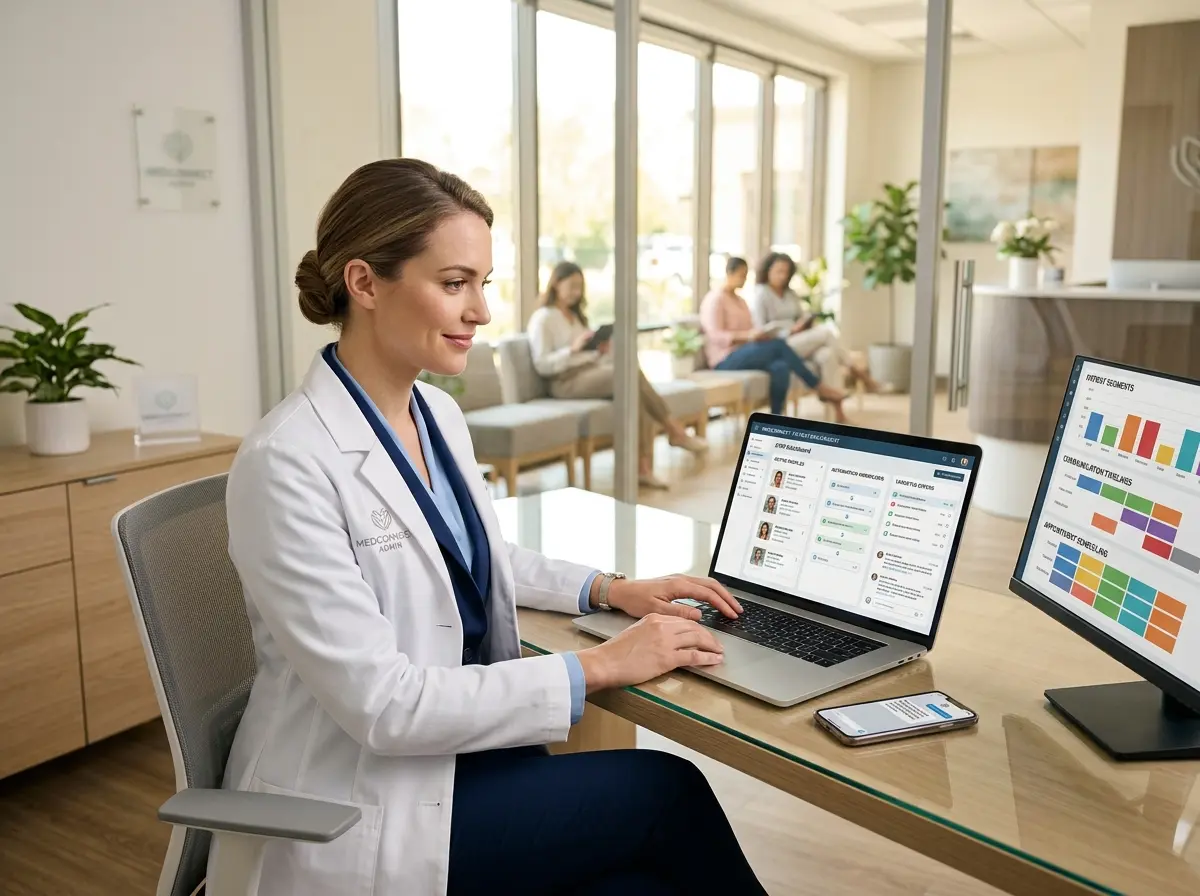
Start by auditing the data you already have. Most practice management or CRM tools allow you to tag and categorize contacts with custom fields. Useful segmentation criteria for patient-based businesses typically include service history (what they've had done and when), appointment frequency (are they regulars or one-and-done?), treatment interests or inquiries, demographic information where relevant and compliant, and lifecycle stage (new patient, lapsed patient, loyal patient).
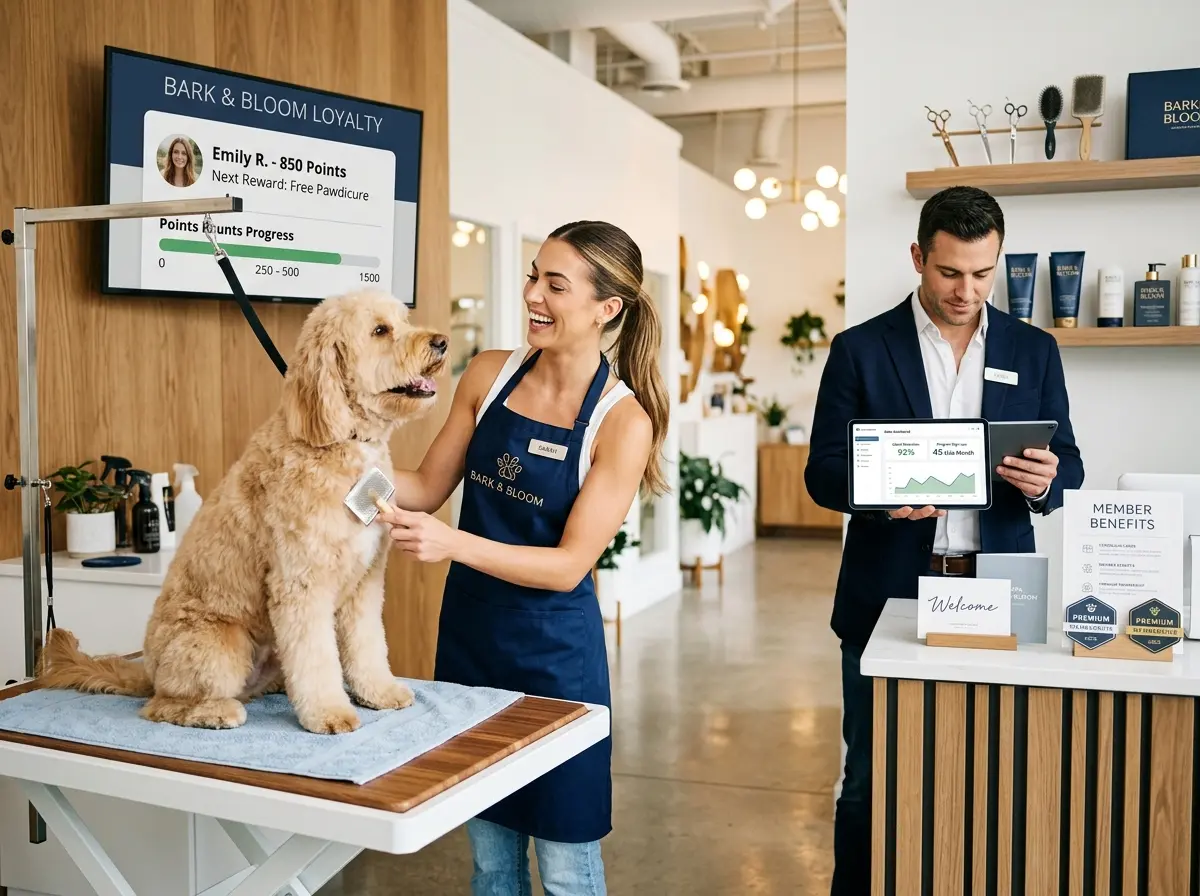
Once you've mapped your segments, you can build targeted campaigns around each. A lapsed patient who hasn't visited in over a year might receive a "We Miss You" campaign with a reactivation offer. A loyal patient who visits monthly might receive an early-access invite to a new service. A new patient who just completed their first visit might enter an onboarding sequence that educates them about your full range of offerings — gently, over time, without overwhelming them on day one.
Setting Up Triggers That Actually Make Sense
Automation triggers are the events that set a communication sequence in motion. Common and effective triggers for patient-based businesses include post-appointment follow-ups (sent 24-48 hours after a visit), appointment anniversary reminders (one year since their last specific service), birthday offers (when done thoughtfully, these genuinely delight patients), seasonal promotions targeted only to relevant service users, and re-engagement sequences for patients who haven't booked in a defined period.
The goal is to make every touchpoint feel intentional. When a patient receives a message that references their specific situation — "It's been about six months since your last treatment — here's a little something to say thanks for coming back" — they don't experience it as marketing. They experience it as good service. And that distinction is everything.
How Stella Can Help You Capture the Data That Powers Smarter Automation
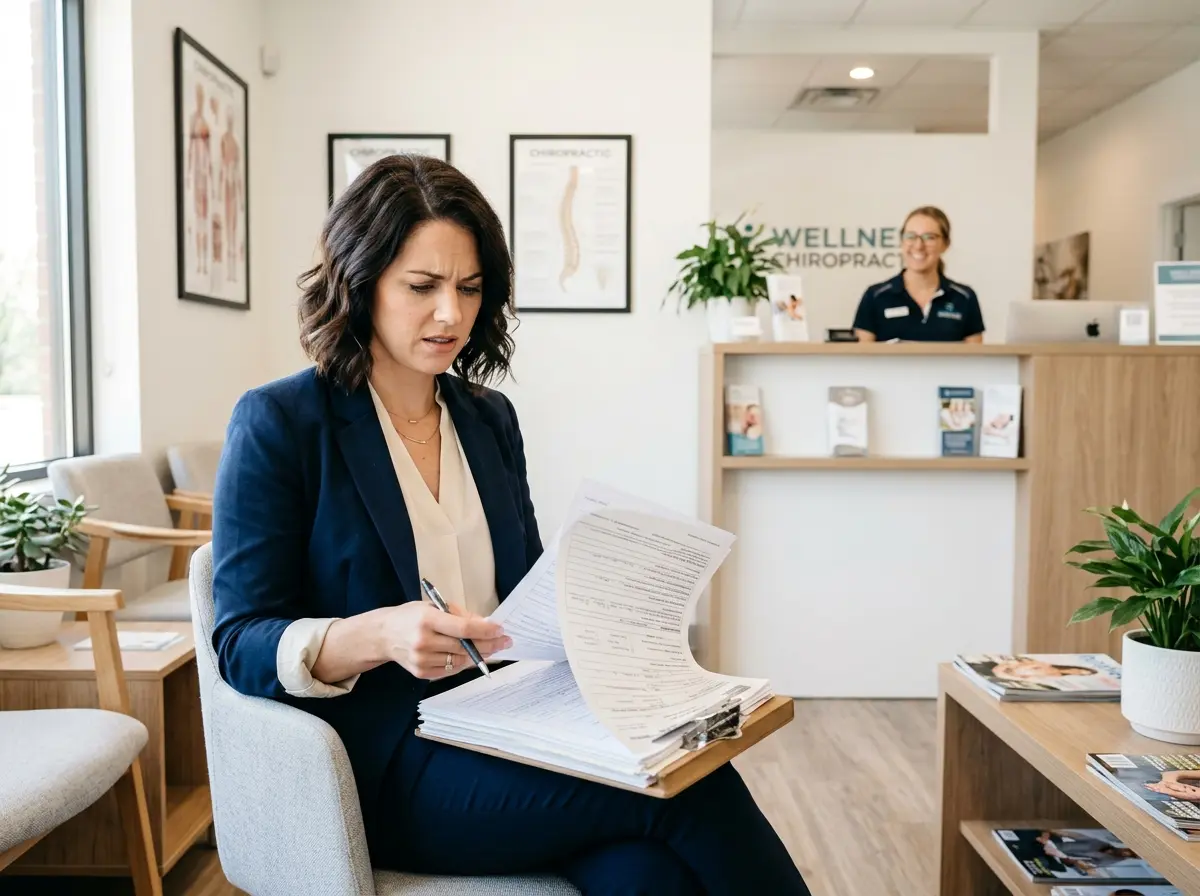
Here's the part where we acknowledge an uncomfortable truth: CRM automation only works if your CRM actually has good data in it. And for many practices, data collection is the weak link in the chain. Busy front desks, rushed check-ins, and inconsistent intake processes mean that valuable patient information either never gets captured or gets buried in paper forms that no one digitizes.
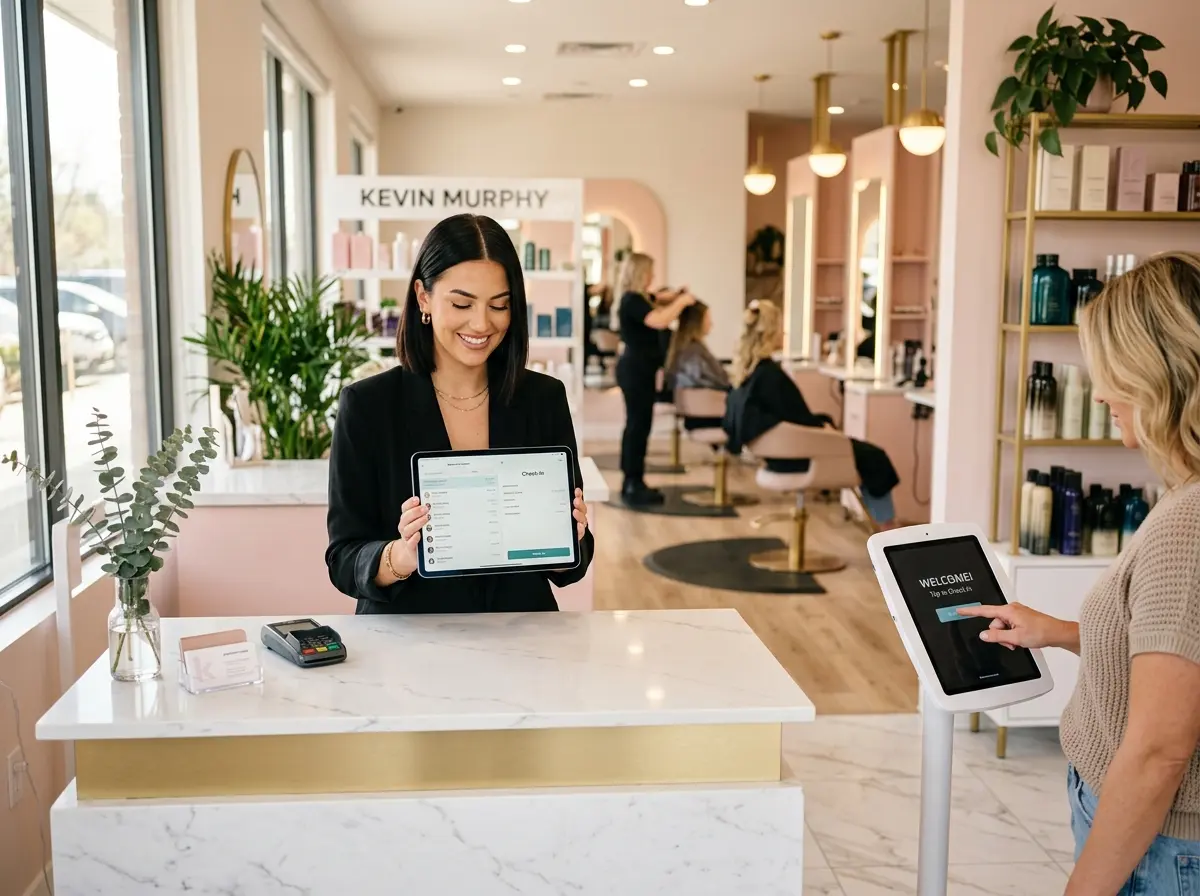
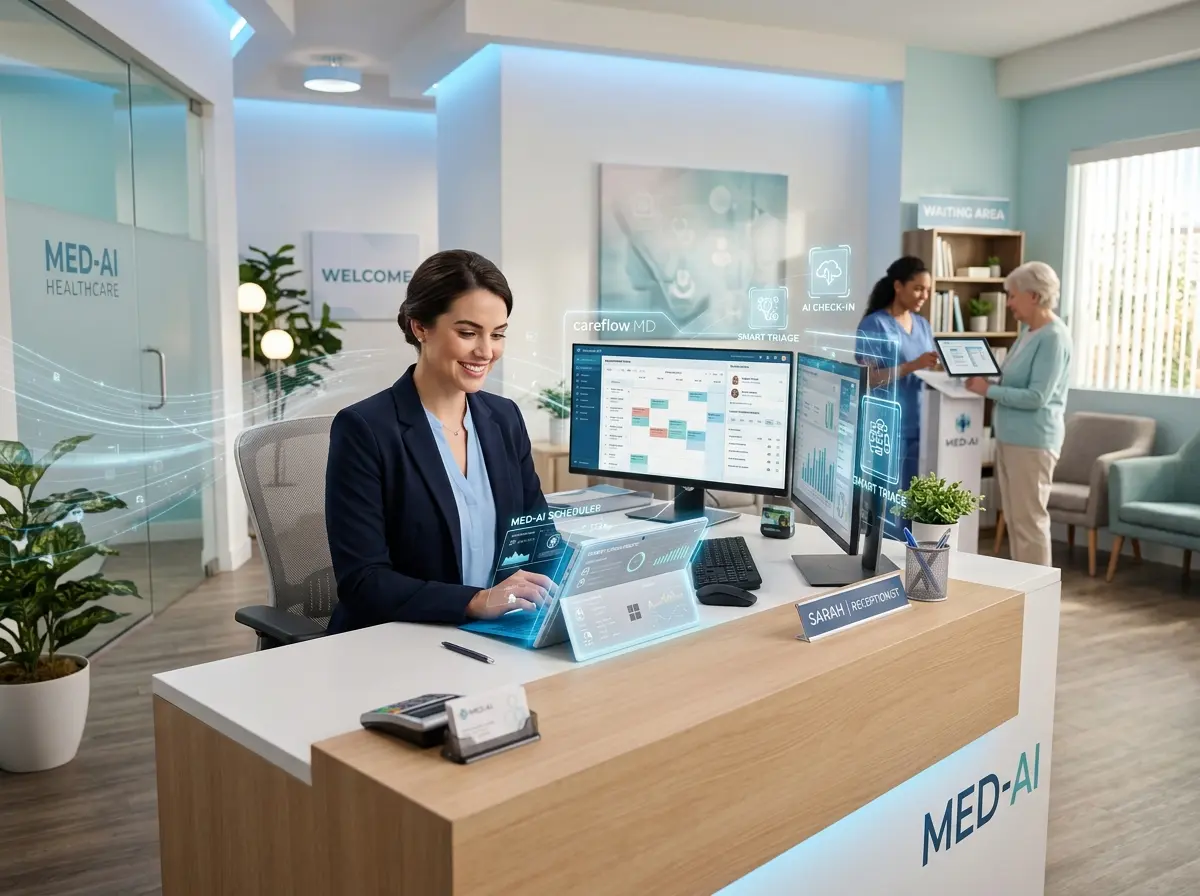
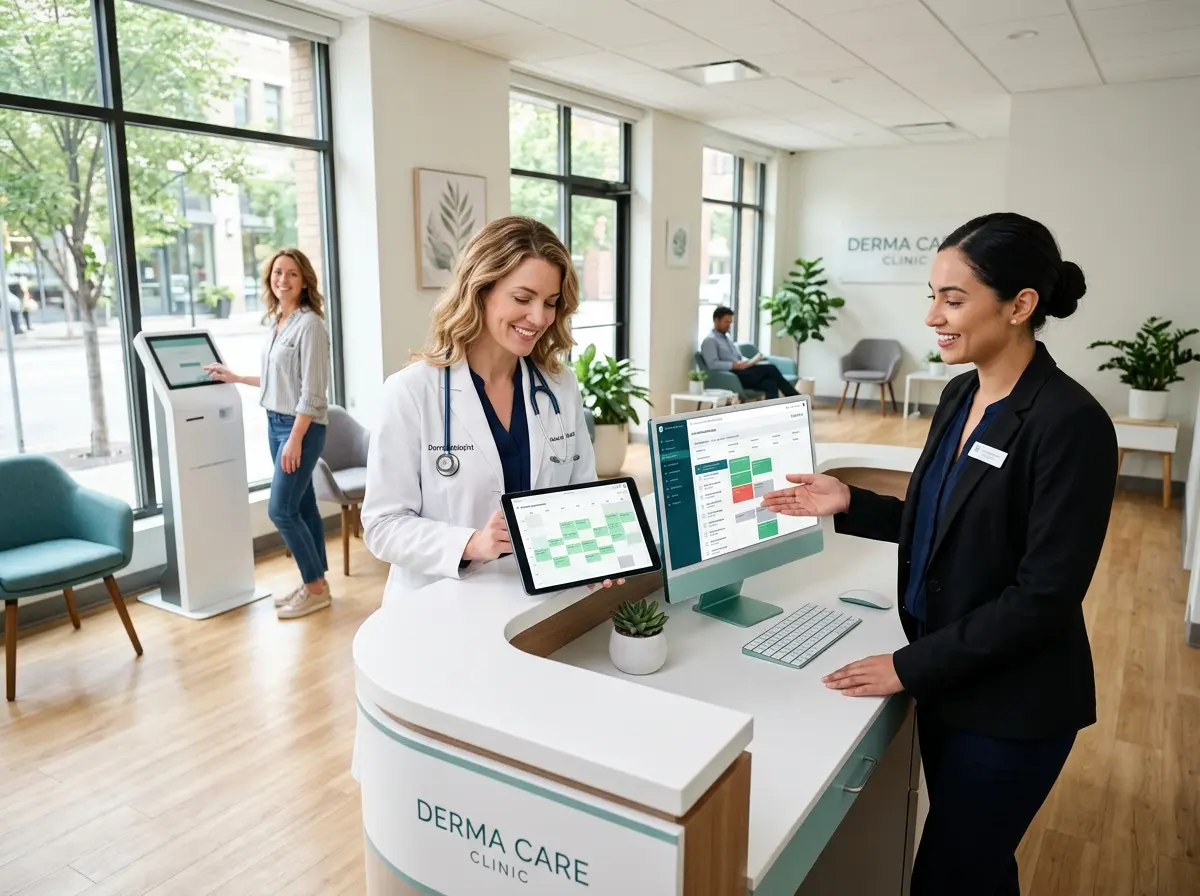
This is where Stella, the AI robot employee and phone receptionist, quietly becomes one of the most useful tools in your patient engagement toolkit. Stella handles conversational intake forms during phone calls, at an in-store kiosk, or on the web — collecting patient information naturally and consistently, without putting the burden on your front desk staff. Every detail she gathers feeds directly into her built-in CRM, complete with custom fields, tags, notes, and AI-generated patient profiles.
That means when a new patient calls to inquire about a service, Stella doesn't just answer their questions — she also begins building a rich contact record that your automation sequences can actually use. She's available 24/7, never forgets to ask the right questions, and never has a bad day at the front desk. The result is cleaner data, better segmentation, and — ultimately — more effective automation.
Making Automation Feel Human: Timing, Tone, and Testing
There's an art to automation that doesn't feel automated. The technical setup is the easy part. The harder work is making sure that your communications — however triggered and however timed — still feel like they came from a practice that genuinely cares about its patients. Get this wrong, and even a perfectly segmented, perfectly timed message will fall flat.
Getting the Timing Right
Timing isn't just about when during the lifecycle you send a message — it's also about when during the day and week. Research consistently shows that emails sent on Tuesday through Thursday mornings tend to see higher open rates, while weekend sends often underperform for professional services. Text messages operate differently; they're best kept short, friendly, and sent during business hours. Test your send times with your specific patient base, because different demographics behave differently, and your data will tell a more accurate story than any general benchmark.
Tone, Personalization, and the Art of Not Being Weird About It
Personalization is powerful, but there's a fine line between "this practice knows me" and "this practice is definitely monitoring me." Use patient names, reference their specific services, and acknowledge their history with your practice — but do it naturally. Avoid over-engineering messages to the point where they read like a data dump. "Hi Jennifer, we noticed it has been 187 days since your last appointment on March 14th when you received Treatment X" is technically personalized. It's also slightly unsettling.
Keep the tone warm, clear, and value-focused. The offer should always be framed around the patient's benefit, not your revenue goal. And always — always — make it easy to respond, book, or opt out. Respecting patient autonomy is both legally smart and simply good manners.
Testing and Iterating Like a Professional
No automation sequence is perfect out of the gate. Build in A/B testing from the start: test subject lines, offer types, timing, and CTAs. Track open rates, click-through rates, and — most importantly — actual appointment bookings or conversions. Review your sequences quarterly and don't be precious about retiring what isn't working. The goal is a living system that gets smarter over time, not a "set it and forget it" machine that slowly drifts out of relevance.
A Quick Reminder About Stella
Stella is an AI robot employee and phone receptionist built for businesses of all types — she stands in your practice as a friendly, knowledgeable kiosk, greets patients as they walk in, promotes your current offers, and answers questions without tying up your staff. She also answers every phone call, 24/7, with the same depth of business knowledge she uses in person. At just $99/month with no upfront hardware costs, she's the kind of team member who never calls in sick and never forgets to collect intake information.
Conclusion: Start Small, Stay Consistent, and Let the Data Lead
CRM automation isn't a magic wand, but it's the closest thing to one that your marketing budget is going to find. When done well, it transforms your patient communication from a series of hopeful guesses into a deliberate, data-driven strategy that respects your patients' time and intelligence — while consistently driving them back through your door.
Here's a practical action plan to get started:
- Audit your current CRM data. Identify gaps in patient records and establish a process for filling them consistently going forward.
- Define three to five core patient segments based on service history, visit frequency, or lifecycle stage.
- Build one automation sequence to start — a post-appointment follow-up is an excellent first choice. Get that working well before expanding.
- Review your data collection process. If your front desk is overwhelmed or your intake is inconsistent, consider tools like Stella to handle this reliably and automatically.
- Set a quarterly review cadence to assess performance and iterate based on real data, not assumptions.
The practices that win in today's competitive healthcare and wellness landscape aren't necessarily the ones with the biggest budgets — they're the ones that communicate with purpose. A well-timed, relevant offer to the right patient isn't just good marketing. It's good care. And your patients will notice the difference.