Introduction: Stop Waiting for Referrals and Start Building Your Pipeline on Purpose
Let's be honest — waiting for your phone to ring with qualified leads is a strategy, just not a very good one. In today's competitive real estate market, agents who thrive aren't the ones sitting by the phone hoping last year's clients remember to refer their friends. They're the ones creating opportunities, building trust before the first showing, and positioning themselves as the go-to expert in their market. First-time homebuyer workshops are one of the most underutilized — and frankly, most powerful — tools in a real estate agent's arsenal.
Here's the beauty of it: first-time buyers are nervous, overwhelmed, and desperately searching for someone they can trust. They're Googling "how much house can I afford" at midnight and watching YouTube videos about escrow like it's a Netflix series. If you can be the person who walks them through the confusion with clarity and confidence, you don't just earn a client — you earn a raving fan who will refer everyone they've ever met to you.
This guide will walk you through exactly how to plan, host, and follow up on first-time homebuyer workshops that consistently fill your pipeline with warm, pre-educated leads who already trust you before you ever step foot in a house together.
Planning a Workshop That People Actually Want to Attend
Choose a Topic That Solves a Real Problem
Generic workshops don't fill seats. "Learn About Buying a Home!" is about as enticing as "Attend a Meeting." Instead, get specific with your messaging. Think about what actually keeps first-time buyers up at night and lead with that. Titles like "How to Buy Your First Home in [Your City] Without Losing Your Mind (or Your Savings)" or "From Renter to Owner: What Nobody Tells You About Buying Your First Home" will outperform vague alternatives every single time.
You can also niche down further based on your local market. Is down payment assistance a major pain point in your area? Build the workshop around that. Are FHA loans widely misunderstood in your buyer pool? Make that the centerpiece. The more specific your promise, the more a first-time buyer feels like you're speaking directly to them — because you are.
Pick the Right Format and Venue
You have more options here than ever before. In-person workshops at local libraries, community centers, coffee shops, or even your own office create a personal, trust-building environment that's hard to replicate online. Virtual workshops via Zoom dramatically expand your reach and are easier for busy renters to attend from the couch. A hybrid format — in-person with a livestream option — gives you the best of both worlds, though it does require a little more setup.
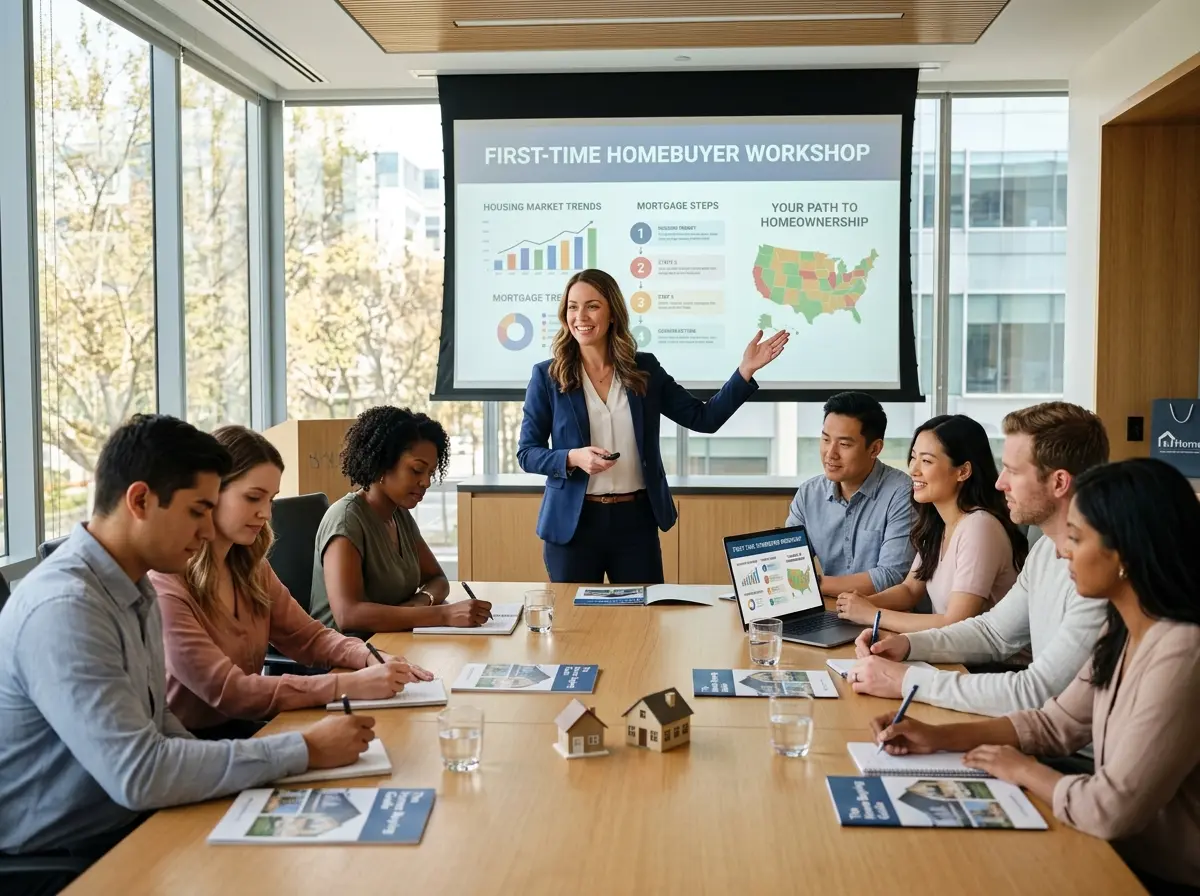
Aim for a session length of 60 to 90 minutes. Long enough to deliver real value, short enough that attendees don't start checking their watches. Include time for Q&A — this is often where attendees mentally convert from "curious" to "ready to work with you," because real questions reveal real readiness. Invite a local lender and possibly a home inspector to co-present. It adds credibility, splits the prep work, and gives attendees a fuller picture of the buying process.
Promote Like You Mean It
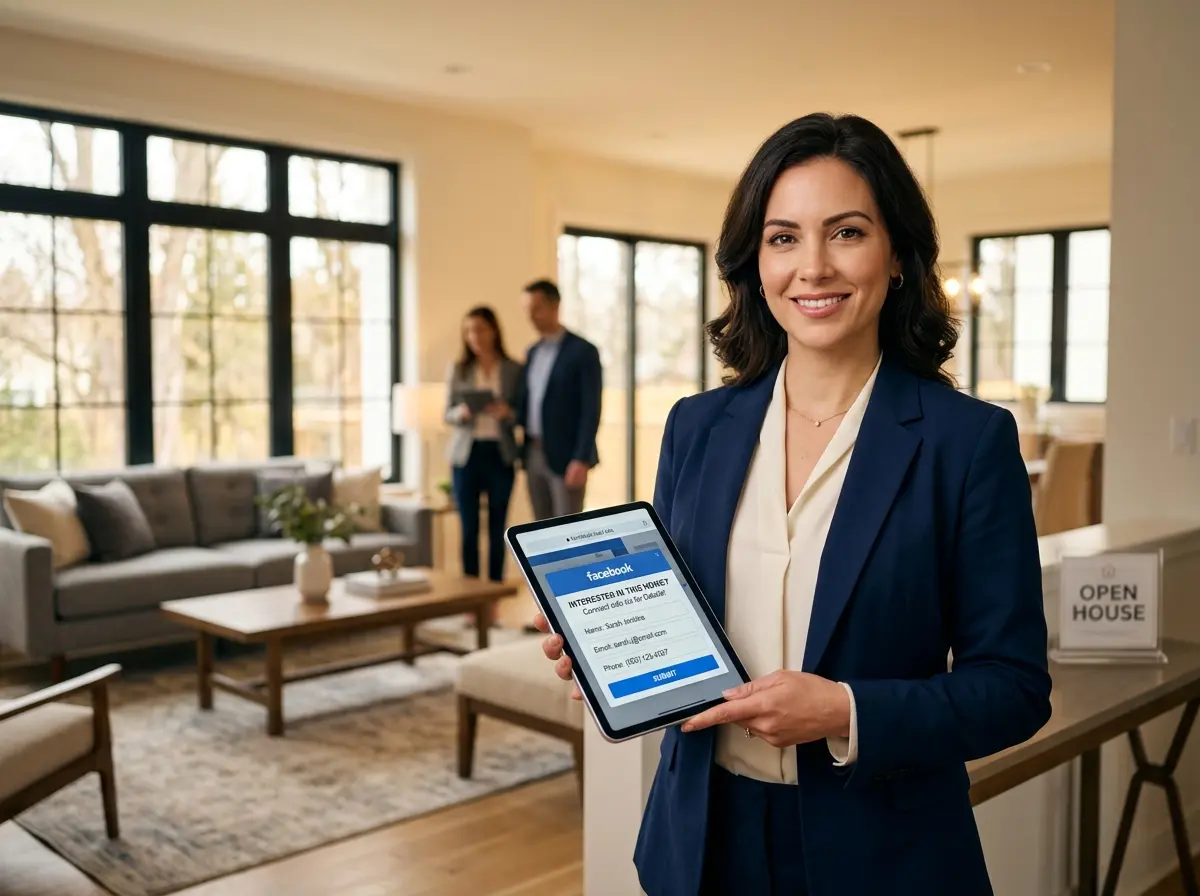
A brilliant workshop with zero attendees is just an awkward evening alone with a projector. Promotion matters enormously. Start at least three to four weeks out and use every channel available to you: social media (especially Facebook and Instagram, where first-time buyer demographics are highly active), your email list, local community Facebook groups, Nextdoor, and even flyers at local coffee shops or apartment complexes. Ask your lender co-presenter to promote to their database too — that's free reach you'd be foolish to leave on the table.
Use a simple registration form to capture names, email addresses, and phone numbers upfront. This isn't optional. You need this information to follow up, and attendees who register are significantly more committed than those who just "plan to show up." According to the National Association of Realtors, 87% of buyers who use a real estate agent found their agent to be highly useful — your job in marketing the workshop is simply to get in the room with people before they've chosen someone else.
Running a Workshop That Converts Attendees Into Clients
Lead With Education, Not a Sales Pitch
The fastest way to lose a room full of first-time buyers is to turn your workshop into an infomercial. These attendees showed up because they want to learn, not because they want to be sold to. Give generously. Cover the actual buying process step by step, explain what affects mortgage approvals, demystify closing costs (which shock nearly every first-timer), and talk through common mistakes buyers make in competitive markets. The more value you deliver without asking for anything in return, the more the room trusts you — and trust is the currency that converts attendees into signed buyer agreements.
Prepare a simple, branded takeaway packet with key talking points, a home-buying checklist, and your contact information. When attendees leave with something tangible that helps them, they'll pull it out again later — and your name will be right there when they're ready to call.
Close Confidently With a Clear Next Step
At the end of the workshop, don't just say "thanks for coming, feel free to reach out!" That's not a call to action — that's a wish. Instead, invite attendees to schedule a free, no-pressure buyer consultation with you before they leave. Have a sign-up sheet ready or use a QR code that links to your calendar booking page. Something as simple as "I'd love to sit down with each of you individually and look at your specific situation — there's no cost, and we'll make sure you leave with a clear plan" is a natural, non-pushy close that converts without making anyone feel cornered.
How Technology Can Take the Admin Burden Off Your Plate
Running workshops is exciting. Chasing down registration forms, missing follow-up calls, and forgetting to add new contacts to your CRM is decidedly less exciting. This is where smart technology pays for itself — and where Stella, the AI robot employee and phone receptionist, can quietly handle a lot of the operational noise so you can stay focused on what you do best.
During your workshop promotion period, your phone might ring more than usual — curious prospects calling to ask what the event covers, whether there's a fee, or where to park. Stella answers every one of those calls 24/7 with the same confident, informed presence you'd want your best assistant to have. She can collect caller information through conversational intake, log contacts directly into her built-in CRM, and flag hot leads for your immediate follow-up. If you also operate a physical office, she greets walk-ins proactively and can share details about your upcoming workshops, turning casual foot traffic into registered attendees. No missed calls, no dropped leads, no awkward voicemails that never got returned.
Following Up in a Way That Actually Fills Your Pipeline
Follow Up Fast — Seriously, Fast
Research consistently shows that leads contacted within the first five minutes of expressing interest are dramatically more likely to convert than those contacted even an hour later. After your workshop, your follow-up window is hot. Send a thank-you email within 24 hours, include a link to schedule a buyer consultation, and attach or link to any resources you mentioned during the session. This simple move alone will set you apart from the majority of agents who send a follow-up email three weeks later — if they send one at all.
For attendees who didn't sign up for a consultation on the spot, a personal phone call within 48 hours goes a long way. Keep it warm and low-pressure: "I just wanted to make sure you got everything you needed from the workshop and answer any questions that came up on your drive home." Most people appreciate the personal touch, and it keeps you top of mind during a critical decision-making window.
Build a Long-Term Nurture Sequence
Not every first-time buyer who attends your workshop is ready to make an offer next month. Some are 6 months out. Some are 18 months out. That doesn't make them bad leads — it makes them future clients, and the agent who stays in consistent, helpful contact with them is the one who earns the business when they're ready. Build a simple email nurture sequence that delivers genuinely useful content: market updates, tips on improving credit scores, neighborhood spotlights, and seasonal buyer advice.
Keep them in your CRM with notes from the workshop interaction — what their timeline was, what neighborhood they mentioned, whether they're currently renting or living with family. When you call them six months later and ask "how's the apartment hunt going in the Riverside district?", they won't just remember you — they'll be impressed. That level of personalization is the difference between an agent who closes deals and one who collects business cards.
Track What's Working and Refine Over Time
After each workshop cycle, take 30 minutes to honestly assess what worked. How many attendees registered versus how many showed up? How many booked consultations? How many consultations converted into signed buyer agreements? These numbers tell you exactly where to improve. Maybe your promotional strategy is great but your call-to-action at the end of the workshop needs work. Maybe attendance is strong but your follow-up sequence is losing people between the workshop and the consultation. Data doesn't judge — it just points you toward better results next time.
Quick Reminder About Stella
Stella is an AI robot employee and phone receptionist that works 24/7 for just $99/month — no upfront hardware costs, no sick days, no drama. She greets customers at your physical location, answers every phone call with professional, business-specific knowledge, and keeps your CRM organized so no lead falls through the cracks. For real estate agents building a workshop pipeline, she's the behind-the-scenes teammate who makes sure your front-end efforts actually convert.
Conclusion: Your Pipeline Won't Fill Itself — But Your Workshop Might
First-time homebuyer workshops aren't a magic bullet, but they're about as close as the real estate industry has to one. They build trust at scale, attract motivated leads who are actively seeking guidance, and position you as the knowledgeable, approachable expert that every anxious first-time buyer is hoping to find. The agents who run these workshops consistently — and follow up relentlessly — are the ones with pipelines that stay full even when the market gets weird.
Here's your action plan: pick a date in the next 60 days, choose a specific topic that speaks to your target buyer's biggest fear, line up a lender co-presenter, and start promoting. Set up your registration process, prepare your follow-up sequence, and make sure your phone and your office are ready to handle the increased interest your promotion will generate. Then show up, deliver real value, make a clear ask, and follow up like you mean it.
The buyers are out there. They're confused, they're looking for someone to trust, and they're ready to find their first home. Go be that person — and let the right tools handle everything else.