Introduction: Because "Whatever's on Tap" Is Not a Cocktail Program
Let's be honest — if your bar menu is still a laminated sheet from 2019 with a gin and tonic listed as a "specialty cocktail," you're leaving serious money on the table. And not just a little money. We're talking about the kind of money that could fund a walk-in cooler upgrade, a new POS system, or at the very least, a really nice espresso machine for your exhausted staff.
The restaurant industry is fiercely competitive, and in an era where guests are scrolling Instagram before they even sit down, a well-crafted cocktail menu isn't a luxury — it's a revenue strategy. According to the National Restaurant Association, beverage sales can account for 20–30% of total restaurant revenue, and cocktails typically carry some of the highest profit margins in the house. A thoughtfully built cocktail menu program doesn't just give your guests something pretty to sip — it drives repeat visits, elevates your brand, and trains your staff to sell with confidence.
So whether you're starting from scratch or resurrecting a beverage program that's been on life support, this guide will walk you through exactly how to create a custom cocktail menu that works as hard as you do — and maybe even harder.
Building the Foundation of Your Cocktail Program
Define Your Concept and Audience Before You Mix a Single Drink
Before your bartender reaches for a bottle of anything, you need to ask yourself one very important question: Who are we, and who are we serving? A speakeasy-inspired craft cocktail menu full of obscure amari and house-infused bitters is phenomenal — for the right crowd. Serve that same menu at a casual neighborhood sports bar, and you'll spend more time explaining what "Fernet" is than actually pouring drinks.
Your cocktail program should be a natural extension of your restaurant's identity. Consider your cuisine, your price point, your neighborhood, and your core demographic. Are your guests adventurous foodies who appreciate seasonal ingredients? Are they after-work professionals looking for something sophisticated but approachable? Or are they families celebrating special occasions who want something fun and festive? The answers to these questions will shape every single decision you make — from your base spirits to your glassware to how your bartenders describe each drink tableside.
Structure Your Menu With Intention (and Profit Margins)
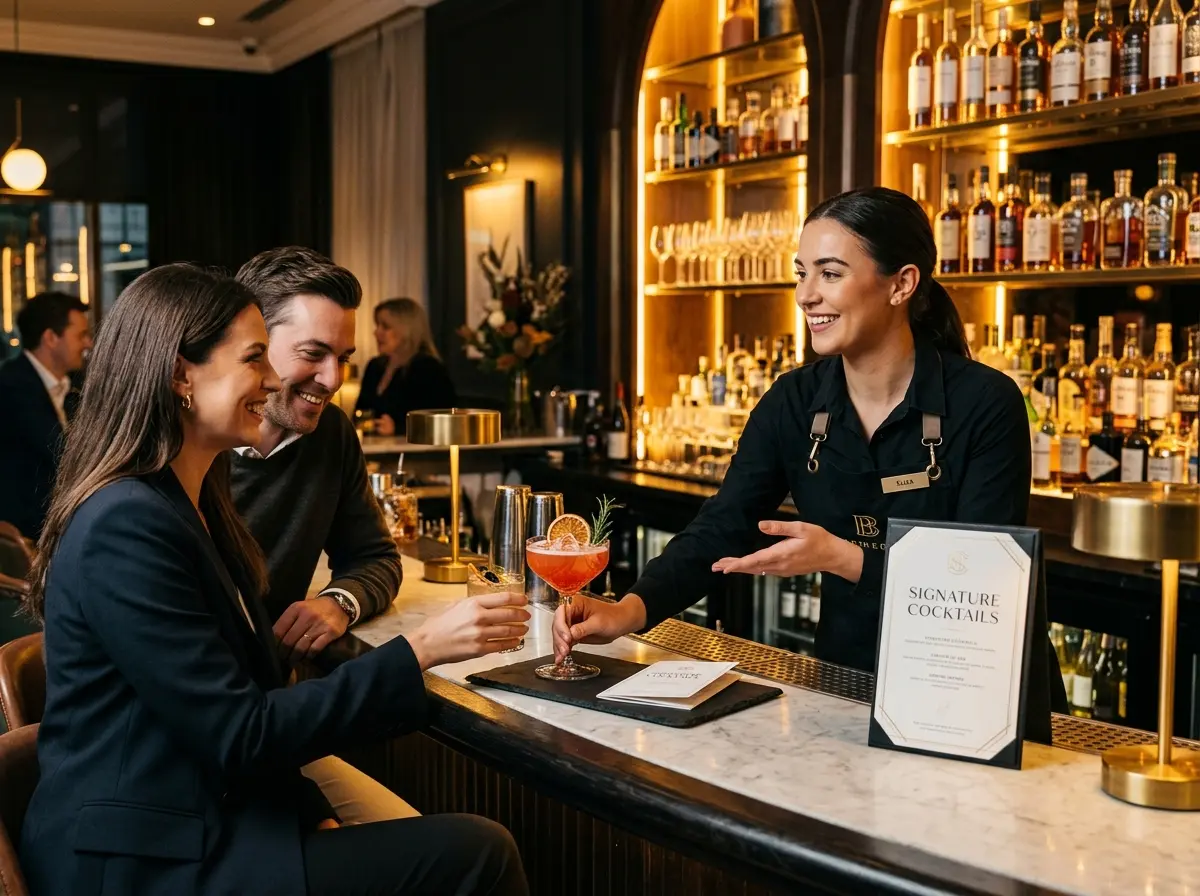
A great cocktail menu isn't just a list of drinks — it's a carefully engineered document designed to guide guests toward your most profitable and signature offerings. Aim for 8–12 cocktails on your menu. Fewer than that feels sparse; more than that overwhelms guests and creates operational chaos behind the bar.
Organize your menu into logical categories — perhaps by spirit type, flavor profile, or occasion. Anchor your menu with two or three signature cocktails that are unique to your restaurant and tell a story. Give them evocative names tied to your brand, your city, or your cuisine. Then round out the menu with approachable classics done exceptionally well, and a seasonal rotating selection that gives regulars a reason to keep coming back.
On the financial side, engineer your menu the same way great restaurants engineer their food menus. Know your cost percentages (aim for a 20–25% beverage cost on cocktails), and price your drinks accordingly. Your signature cocktails should be both compelling and profitable — if they're not, redesign them until they are.
Source Ingredients Strategically and Build Vendor Relationships
This is where the rubber meets the road — or rather, where the muddler meets the mint. Sourcing quality ingredients doesn't have to mean blowing your budget on artisanal everything. It means being smart about where you invest and where you economize. Your call spirits, for instance, should be reliable workhorses that perform consistently. Reserve premium spirits for cocktails where the base spirit's flavor profile is the actual point.
Build strong relationships with your distributors and local distilleries. Many local and regional spirits producers are eager to collaborate on exclusive offerings, provide staff training, or even co-create a house cocktail. These partnerships can become powerful marketing tools — guests love a story, and "crafted exclusively with spirits from a distillery 20 miles away" is a story worth telling.
Promoting Your Cocktail Menu and Letting Technology Do the Heavy Lifting
Train Your Staff to Sell, Not Just Serve
Your cocktail menu is only as effective as the people presenting it. Invest in proper staff training so your servers and bartenders can describe each cocktail with confidence and enthusiasm. Host a menu tasting before launch so every team member has genuinely experienced the drinks. Teach them to read the table — some guests want to be guided through the menu, while others know exactly what they want and appreciate efficiency.
Develop simple, memorable descriptor language for each cocktail. Instead of "it's kind of citrusy," your staff should be able to say something like, "It's bright and refreshing — think blood orange and ginger with a smoky mezcal finish. It's one of our most popular right now." That kind of confident, specific language drives orders. A well-trained floor team can easily increase per-table drink sales by 15–20%.
Use Stella to Promote Your Cocktail Program Around the Clock
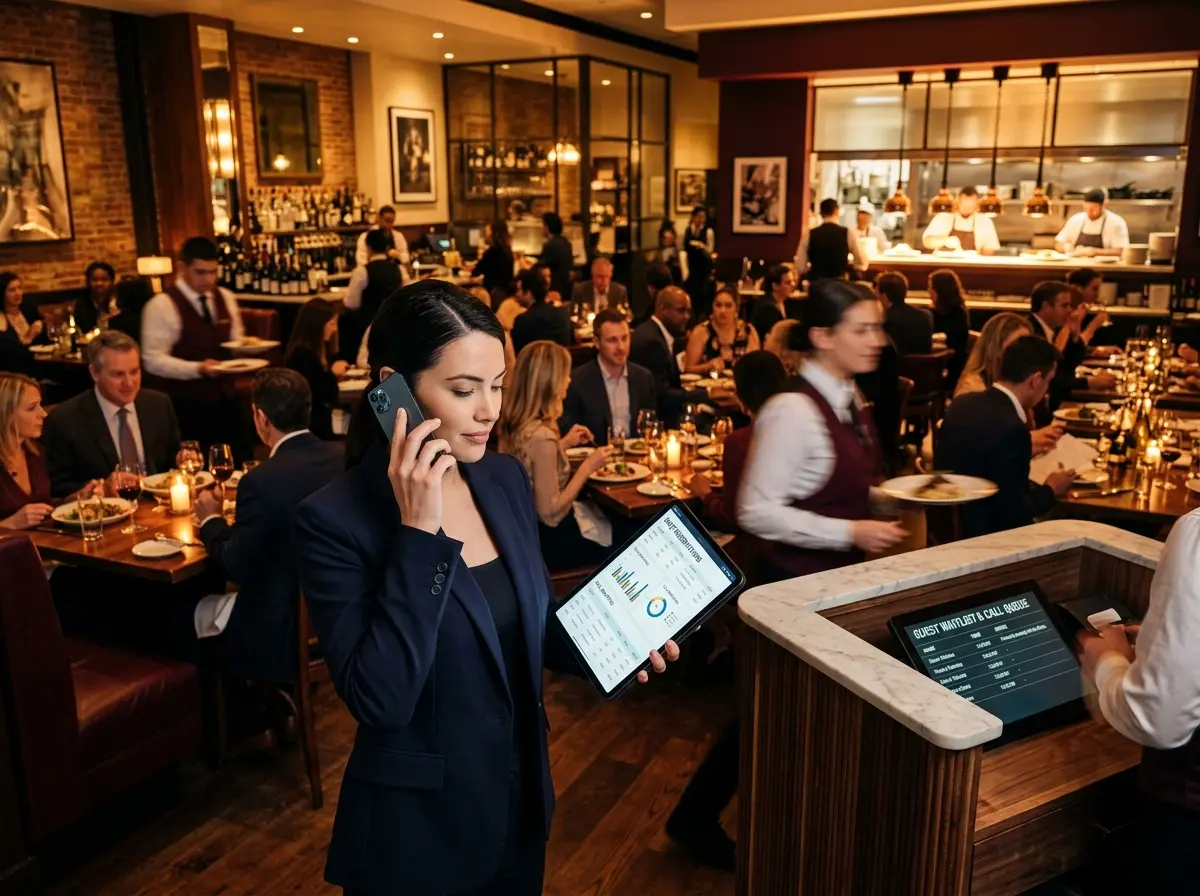
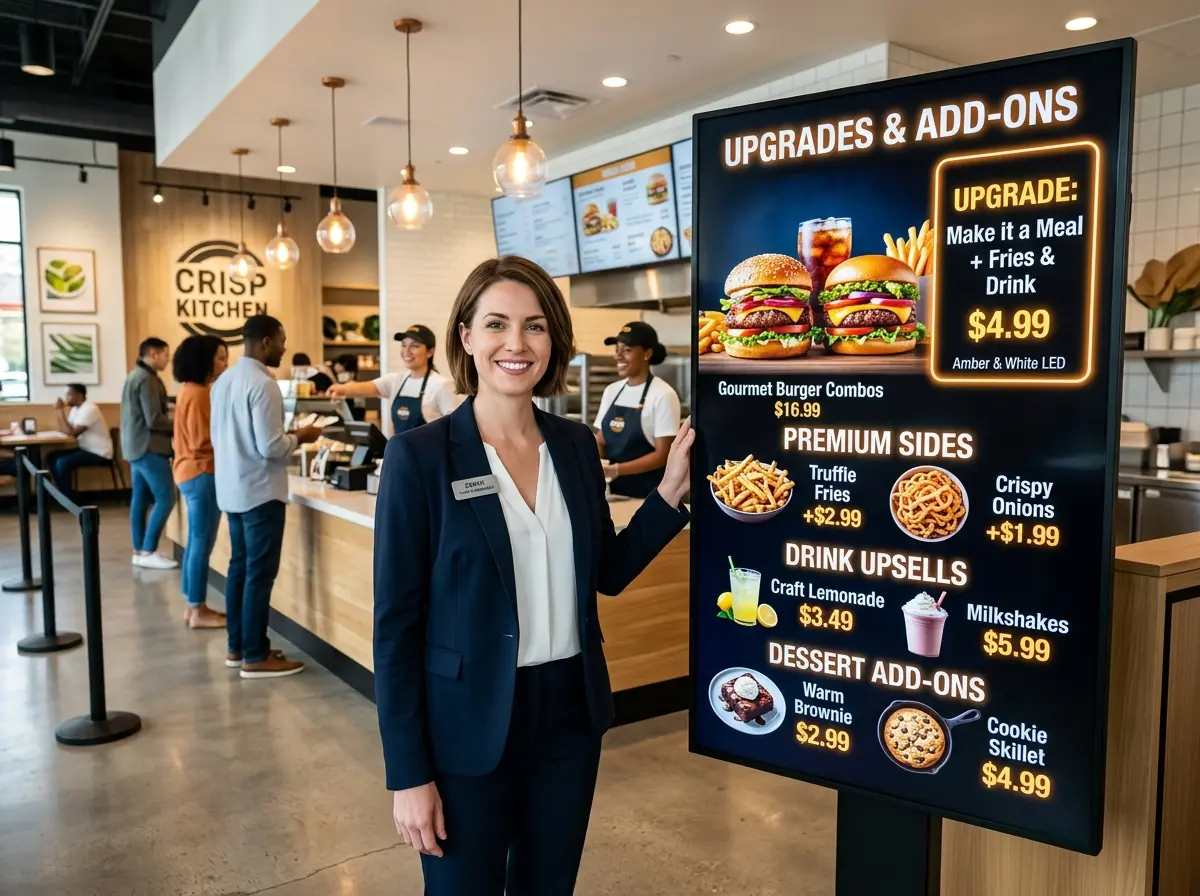
Here's where things get interesting for restaurant owners who are tired of promotional opportunities falling through the cracks. Stella, the AI robot employee and phone receptionist, can actively promote your cocktail menu to every single customer who walks through your door or calls your restaurant — without a single staff member having to remember to mention it.
As a friendly, human-sized AI kiosk, Stella greets guests proactively and can highlight your featured cocktails, seasonal specials, or happy hour promotions the moment someone walks in. On the phone side, she answers calls 24/7 and can mention current drink specials to anyone inquiring about your menu or making a reservation. She doesn't forget, she doesn't get busy, and she never has an off night. For a restaurant trying to maximize every touchpoint, that kind of consistent promotional presence is genuinely valuable — and at $99/month, it's a fraction of what inconsistent upselling costs you.
Refining and Growing Your Program Over Time
Track Performance and Cut What Isn't Working
A cocktail menu is a living document, not a monument. Once your program launches, you need to track performance rigorously. Monitor sales data by cocktail, track your actual beverage costs against projections, and pay close attention to which items are ordered most — and which ones are collecting dust. If a cocktail has been on your menu for three months and nobody is ordering it, it's not a hidden gem waiting to be discovered. It's dead weight.
Use your POS system to pull drink-specific sales reports at least monthly. Set a minimum performance threshold — for example, any cocktail that represents less than 5% of total cocktail orders in a 60-day period goes up for review. Either redesign it, reposition it on the menu, or cut it entirely and replace it with something better. This kind of disciplined menu management keeps your program fresh and your margins healthy.
Introduce Seasonal Rotations to Create Urgency and Repeat Visits
One of the most effective strategies for driving bar revenue is the seasonal cocktail rotation. Four times a year — or more frequently if your team can handle it — introduce two to four new limited-time cocktails that reflect the season, a local event, or a thematic moment. "Available only through the end of October" is one of the most powerful phrases in restaurant marketing.
Seasonal rotations do several things simultaneously: they give your regulars a reason to come back and try something new, they give your staff something exciting to talk about, they signal to the market that your program is alive and evolving, and they create natural opportunities for social media content and email marketing campaigns. Pair your seasonal launch with a staff training event, a cocktail tasting for loyal guests, or a local press mention, and you've turned a menu update into a genuine marketing moment.
Leverage Data and Guest Feedback to Evolve Intelligently
Beyond your POS data, actively solicit guest feedback on your cocktail program. This can be as simple as training your staff to ask one question — "How was your drink tonight?" — and actually recording the responses. You can also incorporate cocktail-specific questions into your post-visit surveys or loyalty program check-ins. Guests are often surprisingly forthcoming about what they loved and what they found underwhelming, and this qualitative data is gold when you're deciding what to keep, what to tweak, and what direction to take your next seasonal launch.
Over time, the combination of hard sales data and genuine guest feedback will allow you to build a cocktail program that feels both instinctive and data-driven — the best possible combination for long-term revenue growth.
Quick Reminder About Stella
Stella is an AI robot employee and phone receptionist designed to help businesses like yours run more smoothly and profitably. She stands in your restaurant as a friendly, proactive kiosk presence, and she answers your phones 24/7 with the same knowledge and energy — promoting specials, answering questions, and never taking a sick day. At $99/month with no upfront hardware costs, she's worth a look for any restaurant owner serious about maximizing every customer interaction.
Conclusion: Your Next Steps Toward a Bar Program That Actually Pays Off
Building a custom cocktail menu program that genuinely drives bar revenue isn't about having the most elaborate drinks or the most obscure ingredients. It's about being intentional — about who you're serving, what your brand stands for, how your menu is structured, how your staff talks about it, and how you measure and refine it over time.
Here's your action plan to get started:
- Audit your current bar menu — honestly and without mercy. What's working? What's embarrassing? Start there.
- Define your concept and guest profile before developing a single new recipe.
- Build a structured menu of 8–12 cocktails with clear signature anchors, accessible classics, and a seasonal component.
- Invest in staff training so every team member can sell your cocktails with confidence and specificity.
- Set up tracking systems to monitor cocktail sales performance monthly and cut underperformers without sentiment.
- Plan your first seasonal rotation and treat it like a marketing event, not just a menu update.
The bar is one of the most profitable real estate in your entire restaurant. It's time to treat it that way. With the right program, the right team, and the right tools supporting you, your cocktail menu can go from an afterthought to one of your strongest revenue drivers — and honestly, that's worth drinking to.