You Are Not a Decision-Making Machine (Even If You Sometimes Act Like One)
Let's paint a familiar picture: it's a busy Saturday afternoon, your store is humming with customers, your phone is ringing, and somehow — somehow — three different employees have found you to ask whether they can offer a 10% discount, accept a return without a receipt, and let a customer use an expired coupon. Meanwhile, a customer who actually wants to spend money is walking out the door because nobody was available to help them.
Sound familiar? If so, congratulations — you've successfully built a business that cannot function without you standing in the middle of it like an air traffic controller. That's... not exactly the dream, is it?
The good news is that empowering your retail team to make smart, confident decisions on their own isn't just possible — it's one of the highest-leverage things you can do as a business owner. When your team stops running to you for every minor judgment call, you get your time back, customers get faster service, and your employees actually grow into the roles you need them to fill. Let's talk about how to make that happen.
Building the Foundation for Team Autonomy
Before your team can make good decisions independently, they need something to lean on. That something is a combination of clear expectations, documented processes, and genuine trust. Without these three pillars, even your best employees will default to finding you — not because they're lazy, but because they genuinely don't know where the boundaries are.
Create a Decision-Making Framework, Not Just Rules
There's a big difference between handing your team a list of rules and giving them a framework for thinking. Rules break down the moment a situation arises that isn't on the list — and in retail, that's constantly. A decision-making framework, on the other hand, teaches your team how to think through a situation, not just what to do in a specific one.
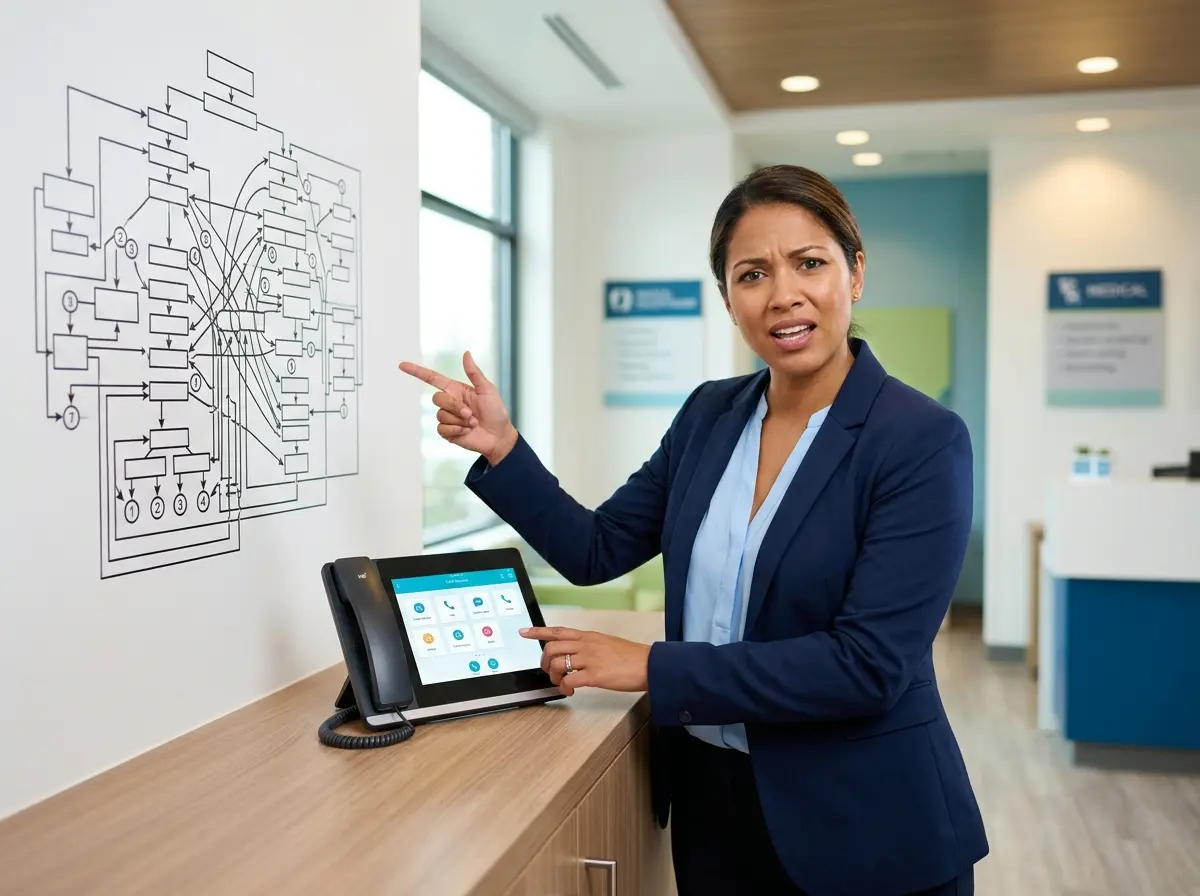
A simple but effective approach is to define tiers of authority. For example: Tier 1 decisions (greeting customers, answering basic product questions, processing standard transactions) can be made by anyone. Tier 2 decisions (small discounts, minor policy exceptions, handling common complaints) require a team lead. Tier 3 decisions (large refunds, unusual situations, anything over a certain dollar threshold) come to you. When your team knows which tier a situation falls into, they stop second-guessing themselves — and stop interrupting you for things they're fully capable of handling.
Document Your Policies Where People Can Actually Find Them
Here's an uncomfortable truth: if your store policies live primarily in your head, you haven't actually created policies — you've created bottlenecks. The moment a staff member can't find a clear answer, they're going to find you instead. A simple internal reference document, a shared digital folder, or even a printed quick-reference guide behind the counter can eliminate an enormous number of unnecessary interruptions.
Be specific. "Use your best judgment on returns" is not a policy — it's a way of guaranteeing that five different employees will handle the same situation five different ways, and then argue about it later. Instead, write it out: "Returns accepted within 30 days with receipt for full store credit. Returns without receipt receive store credit at the lowest sale price in the past 90 days." Specific policies make confident employees.
Train for Judgment, Not Just Procedures
Role-playing might feel a little awkward in a team meeting, but it is one of the most effective tools for building employee confidence. Walk your team through real scenarios — the difficult customer, the ambiguous return, the upsell opportunity — and let them practice responding. When they've already mentally rehearsed a situation, they're far less likely to freeze up or come looking for you when it actually happens. Invest in training upfront, and you'll spend far less time firefighting later.
Technology That Works So Your Team Doesn't Have To Do Everything
Part of empowering your team is removing the tasks that shouldn't be their responsibility in the first place. A lot of the interruptions that slow retail staff down — answering the same questions repeatedly, greeting walk-ins while helping another customer, managing incoming phone calls — can be handled by technology, freeing your people to focus on the higher-value interactions that actually need a human touch.
Let Stella Handle the Repetitive Stuff
This is exactly the kind of problem that Stella was built to solve. As a friendly, human-sized AI robot kiosk, Stella stands inside your store and proactively greets customers, answers product and service questions, promotes your current deals, and handles the informational load that tends to interrupt your staff throughout the day. At the same time, she answers your phone calls 24/7 with the same business knowledge she uses in-store — so your team isn't getting pulled away from in-person customers every time the phone rings.
Stella can also collect customer information through conversational intake forms and manage contacts through her built-in CRM — meaning your team spends less time on administrative data entry and more time on the customers standing right in front of them. For retail teams that are already stretched thin, having a reliable, always-on presence that never needs a break and never calls in sick is a genuinely meaningful operational upgrade.
Creating a Culture Where Decisions Get Made
Even with the right framework and the right tools, team autonomy ultimately comes down to culture. If your employees are afraid of making mistakes — or have learned through experience that you'll second-guess their decisions anyway — they'll keep coming to you for cover. Changing that dynamic is your responsibility as the leader, and it's worth taking seriously.
Separate "Wrong" from "Different Than What I Would Have Done"
This is one of the hardest things for hands-on business owners to internalize, but it's also one of the most important. When an employee makes a decision you wouldn't have made, your instinct might be to correct it. But ask yourself honestly: was it actually wrong, or was it just different? If the customer left satisfied and the outcome was reasonable, calling it a mistake sends a chilling message to your team — that there is only one right answer, and it's whatever answer you would have given. That's a recipe for a team that never stops asking for your approval.
Reserve your corrections for decisions that were genuinely problematic — ones that hurt the customer experience, violated policy, or created a real business risk. Everything else is a coaching opportunity, not a correction.
Celebrate Good Decisions Publicly
If you want more of a behavior, recognize it. When an employee handles a difficult return gracefully, de-escalates a frustrated customer without involving you, or spots an upsell opportunity and follows through on it — say something. Publicly, in front of the team. Positive reinforcement doesn't require a formal rewards program; it just requires you to pay attention and acknowledge it when people do things well.
Research consistently shows that employees who feel trusted and recognized are significantly more engaged and less likely to turn over — and in retail, where turnover costs can run anywhere from $1,500 to $4,000 per employee, that's not a soft metric. It's a real financial impact.
Build in Regular Check-Ins to Catch Problems Early
Autonomy doesn't mean abandonment. Weekly or biweekly team check-ins — even short ones — give you the opportunity to surface recurring decision points, update policies when situations keep repeating, and give your team a structured channel to raise questions without interrupting you during business hours. Think of it as maintaining the system, rather than constantly operating it. The goal is to be the architect of how your team functions, not the person fielding every question in real time.
Quick Reminder About Stella
Stella is an AI robot employee and phone receptionist that works inside your store as a human-sized kiosk and answers your business phone calls around the clock — with no breaks, no turnover, and no need to interrupt your staff. She's available for just $99/month with no upfront hardware costs and is easy to set up, making her one of the most practical ways to take operational load off your team immediately.
Your Next Steps Toward a Team That Actually Runs Itself
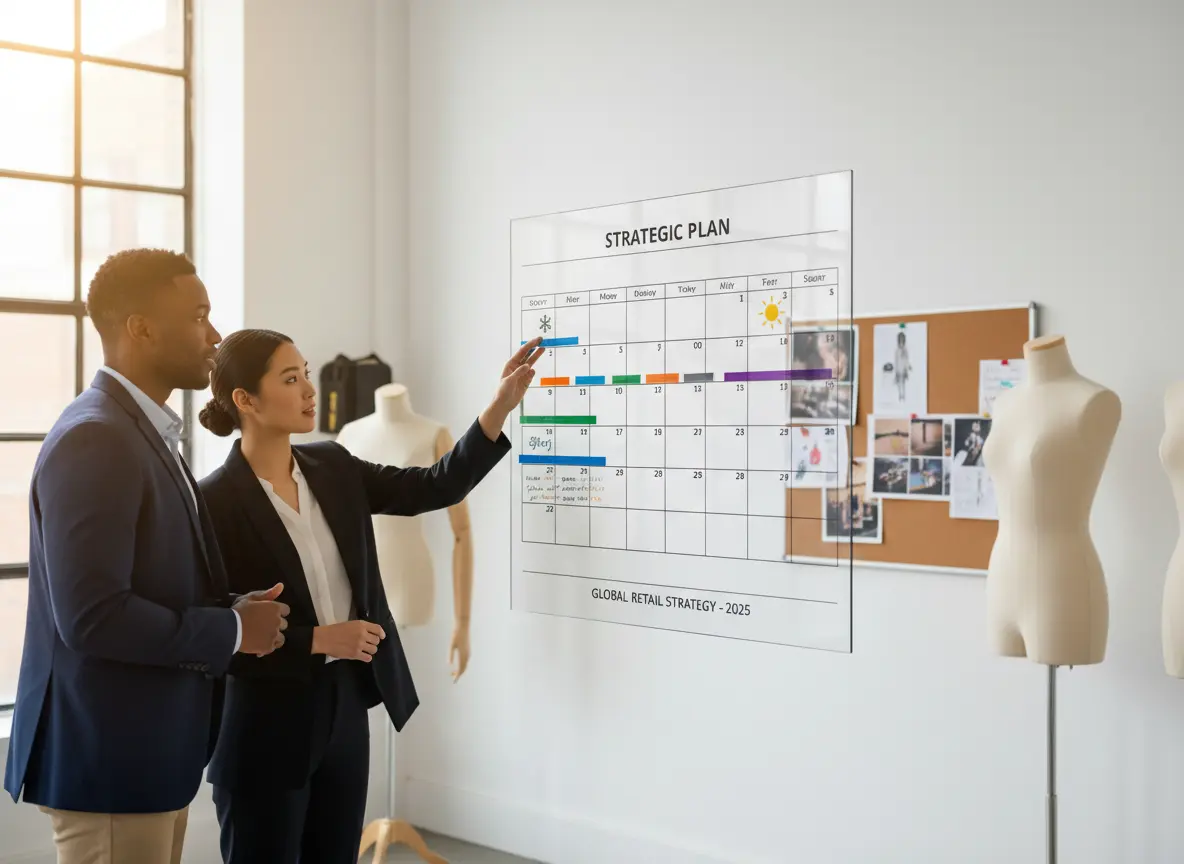
Building a team that can make decisions without you isn't about stepping back — it's about stepping up into the leadership role your business actually needs from you. The day-to-day decision-making that currently consumes your time should belong to your team. Your time should belong to strategy, growth, and the things only you can do.
Here's where to start this week:
- Map your interruptions. For three days, write down every time an employee comes to you for a decision. At the end of three days, categorize them — you'll almost certainly find patterns that point directly at missing policies or unclear authority levels.
- Build your tiered decision framework. Define what your team can handle, what requires a lead, and what requires you. Put it in writing and share it.
- Audit your documentation. Can a new hire find your return policy, your discount authority, and your escalation process without asking anyone? If not, fix that first.
- Identify what technology can handle. If your team is spending time on repetitive questions, phone calls, or customer greetings that pull them away from real work, explore tools that can take those tasks off their plate.
- Start recognizing good decisions out loud. Pick one moment this week to call out a team member who handled something well without you. Watch what happens to the rest of the team.
Your business is capable of running more smoothly, your team is capable of more than you're currently letting them do, and you are capable of working fewer hours while actually moving the business forward. The only thing standing between you and that version of your business is the willingness to build the systems that make it possible — and then trust the people you hired to use them.
Start small, stay consistent, and resist the urge to take the decision back the first time someone handles it differently than you would have. That's the whole game.