So, Your Customer Ghosted You. Now What?
It happens to every service business. A customer who once loved you — who raved about your work, came back regularly, and maybe even referred a friend — just... stopped showing up. No dramatic breakup, no angry Yelp review. They simply vanished into the ether, presumably into the arms of your competitor down the street.
Here's the uncomfortable truth: most of those customers didn't leave because they hated you. Research from Harvard Business Review suggests that 65% of a company's business comes from existing customers, yet the average business loses 10–25% of its customer base each year — often for reasons as mundane as "I just forgot about them." That's not a customer satisfaction problem. That's a staying-top-of-mind problem.
The good news? A well-crafted winback email can re-ignite relationships with lapsed customers at a fraction of the cost of acquiring new ones. The even better news? It's not rocket science — it just requires a little strategy, some genuine warmth, and the right offer. Let's break it down.
Understanding Why Customers Go Quiet
Before you craft a single word of your winback email, it's worth understanding why customers leave in the first place. Blasting a 10% discount at someone who left because they felt ignored or unheard isn't going to bring them back — it's going to confirm that you still don't get it.
Life Just Got in the Way
For many service businesses, the most common reason customers disappear is simply life. People move, get busy, go through financial changes, or fall into new routines. A regular spa client might go six months without booking because of a hectic work stretch — not because your massages stopped being excellent. These customers are the lowest-hanging fruit in any winback campaign. They haven't had a bad experience; they just need a gentle nudge and a reason to remember why they loved you.
A Competing Option Won Their Routine
Sometimes a competitor offered a first-time deal, a more convenient location, or simply reached out first. Habits are surprisingly fragile, especially in service industries. A customer who used your auto shop for three years might switch to the place that sent them a coupon right when their car needed an oil change. Timing matters enormously, and winback emails that arrive at the right moment — with the right offer — can absolutely reclaim these customers.
Something Went Wrong and Nobody Followed Up
This one stings a little, but it's important to acknowledge. Sometimes a customer had a subpar experience — a long wait, a miscommunication, a service that didn't meet expectations — and instead of complaining, they quietly walked away. Your winback email needs to leave the door open for this possibility. A line like "We'd love to hear how we can serve you better" can disarm even the most quietly dissatisfied ex-customer and turn a potential detractor into a loyal advocate.
What a Winback Email Actually Needs to Say
Now we get to the good stuff. Most winback emails fail because they either sound robotic and transactional, or they're so saccharine that customers roll their eyes before they even finish the subject line. The sweet spot is a message that feels personal, direct, and genuinely valuable.
The Anatomy of a High-Converting Winback Email
A strong winback email for a service business has a few non-negotiable components. First, a subject line that acknowledges the gap without being weird about it — something like "We've missed you (and we mean it)" or "It's been a while — here's something just for you." Avoid the guilt-trippy "You've abandoned us" approach. Nobody wants to feel accused by their yoga studio.
The body copy should be short, warm, and focused on the customer — not on your business. Lead with acknowledgment, follow with value, and close with a clear and easy call to action. Here's a basic structure that works:
- Opening: Acknowledge that it's been a while, in a friendly, non-desperate tone.
- Value statement: Remind them what makes your service worth coming back to — briefly and confidently.
- The offer: Give them a reason to act now. A time-sensitive discount, a free add-on, or a "welcome back" perk works well.
- Call to action: One clear action — book now, call us, reply to this email. Not three options. One.
- Low-pressure close: Let them know you'd love to have them back, no hard feelings if not.
Timing and Segmentation Are Everything
Sending a winback email to a customer who visited two weeks ago is just plain awkward. Most service businesses should define "lapsed" based on their typical visit frequency. A hair salon might consider someone lapsed after 90 days; a tax prep firm might look at customers who skipped last season entirely. Once you've identified the right window, segmenting by service type or last interaction allows you to personalize the message meaningfully — which dramatically improves open and conversion rates. A customer who came in for a deep tissue massage doesn't need an email about your new nail extensions.
Keeping the Momentum Going After the Winback
Winning a customer back is only half the battle. The other half is making sure they actually stick around this time — and that's where your day-to-day customer experience either earns its keep or quietly undoes all your email marketing hard work.
Let Technology Handle the Parts You Shouldn't Have to Think About
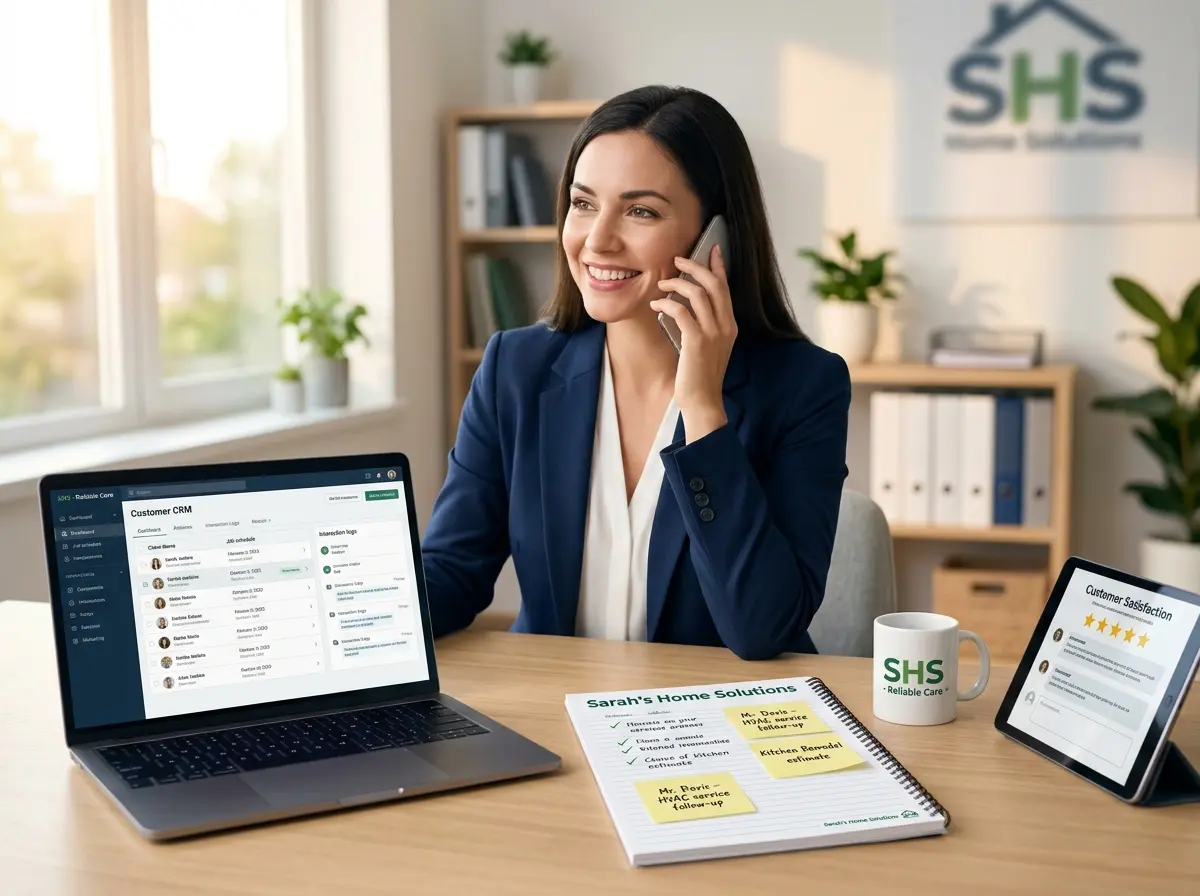
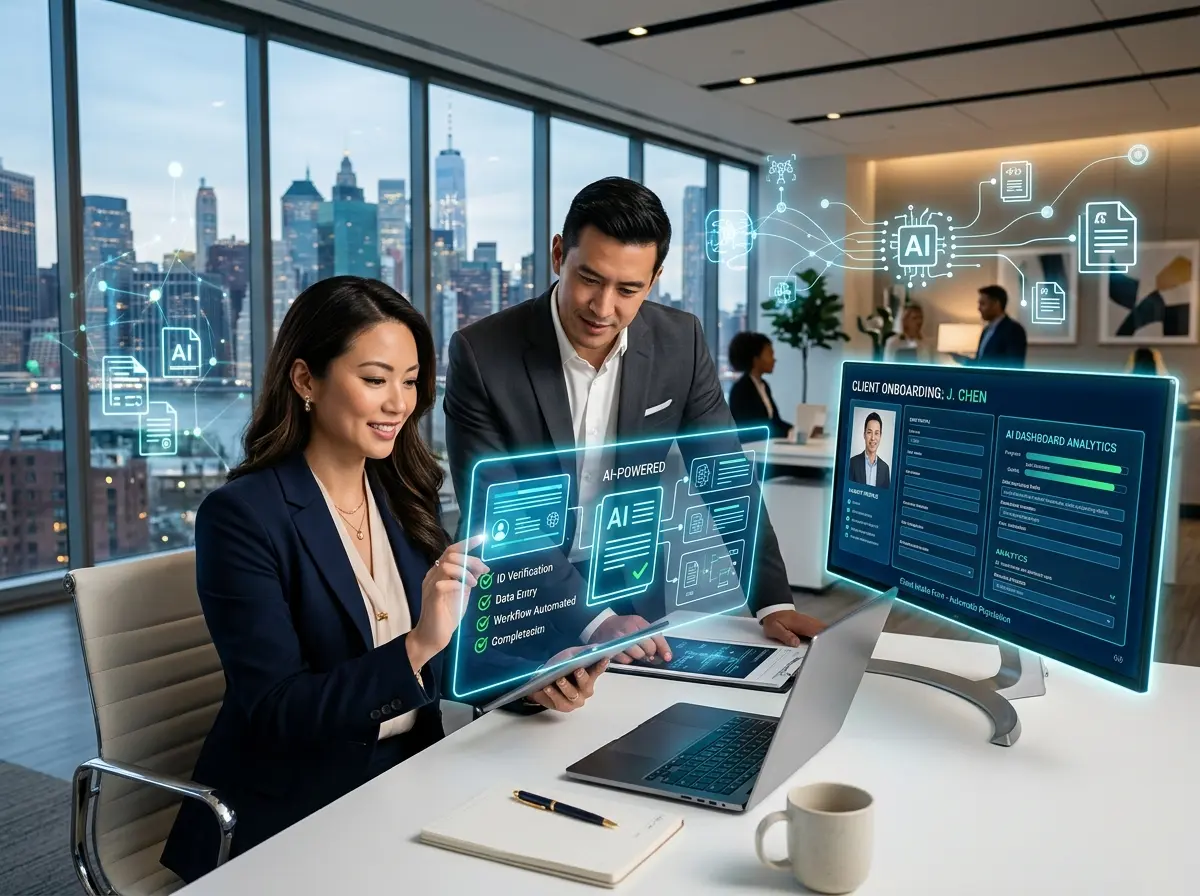
One reason customers drift away in the first place is because service businesses — especially small ones — simply can't maintain consistent touchpoints with every single customer. You're busy running the business. That's where tools like Stella, the AI robot employee and phone receptionist, can quietly do a lot of the relationship-maintenance heavy lifting. Stella greets customers in-store, answers phone calls around the clock, and manages customer data through a built-in CRM with tags, custom fields, and AI-generated profiles — so you always know who your customers are and what they care about. That kind of systematic follow-through is exactly what prevents the slow drift that makes winback emails necessary in the first place.
For phone-based service businesses especially, Stella's intake forms and contact management tools mean you're capturing the right information from every interaction — building the kind of customer database that makes your email segmentation actually useful, rather than a shot in the dark.
Mistakes That Will Get Your Winback Email Deleted Immediately
Since we're being helpful, let's also cover what not to do. Because some of these mistakes are genuinely common, and they're quietly tanking campaigns that could otherwise work beautifully.
Making It All About You
The single biggest winback email sin is a message that's essentially a business newsletter dressed up as a personal outreach. "Check out our new services! We've remodeled! We won an award!" That's lovely, but your lapsed customer doesn't care right now. They need to feel seen and valued, not marketed at. Lead with empathy, follow with value, and save the company news for your regular newsletter.
Offering the Wrong Incentive
A flat percentage discount isn't always the most compelling offer — and in some service categories, it can actually cheapen your brand. Consider alternatives: a complimentary add-on service, priority booking access, a loyalty credit, or a free consultation. The best incentive is one that feels like a gift rather than a clearance sale. Test different offers with different customer segments and track what actually converts to bookings, not just email opens.
Sending Just One Email and Calling It Done
Winback campaigns should be a short sequence, not a single message. A three-email flow works well for most service businesses: the first is warm and relational, the second introduces the offer with a soft deadline, and the third is a brief final notice that the offer is expiring. After three emails with no response, it's perfectly acceptable — and professionally gracious — to offer a simple opt-down or unsubscribe. Chasing cold contacts beyond that point costs you more in reputation than it gains in bookings.
Quick Reminder About Stella
Stella is an AI robot employee and phone receptionist that works inside your business location as a friendly kiosk and answers your phone calls 24/7 — all for $99/month with no upfront hardware costs. She manages customer contacts, collects intake information, promotes your services, and makes sure no customer interaction falls through the cracks. If you're tired of missed calls, inconsistent follow-through, and the general chaos of running a customer-facing business without enough hands on deck, she's worth a look.
Bringing Lapsed Customers Back Isn't Magic — It's Method
The businesses that consistently win back lapsed customers aren't doing anything mystical. They're being intentional about communication, they're making their customers feel remembered, and they're removing as much friction as possible from the path back to doing business together.
Here are your actionable next steps:
- Define your "lapsed" threshold based on your typical customer visit frequency.
- Segment your lapsed customers by service type, last interaction, or customer value.
- Write a three-email winback sequence — warm outreach, offer with deadline, final notice.
- Choose an incentive that feels generous without devaluing your brand.
- Track your results — open rates, click rates, and actual bookings — so you can refine with every campaign.
The customer who stopped showing up six months ago might be one well-timed, genuinely human email away from becoming a regular again. That's not a small thing. In a service business, a single returning customer can be worth thousands of dollars in lifetime value — not to mention the referrals that tend to follow when someone feels genuinely welcomed back.
So go write that email. Make it warm, make it worth their time, and for goodness' sake — make it easy to say yes.