Is Your Front Desk Accidentally Scaring Away New Patients?
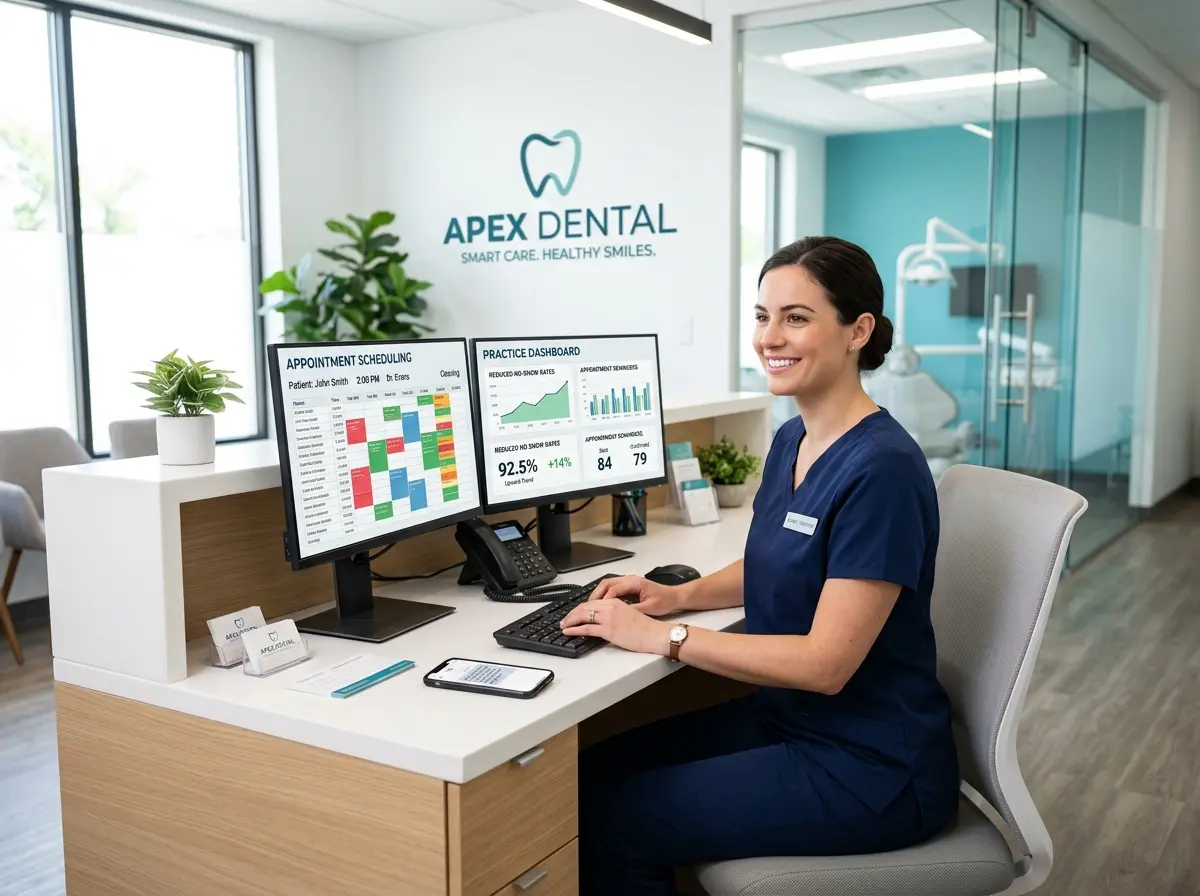
Picture this: a potential new patient calls your dental practice. They're already a little nervous — because, let's be honest, nobody loves calling the dentist. Your front desk picks up, juggles three things at once, forgets to ask if they have insurance, and schedules them for a cleaning when they actually need an emergency extraction. The patient shows up, chaos ensues, and everyone's day gets a little worse.
This isn't a rare horror story. It's Tuesday at most dental offices across the country.
The problem isn't your staff — they're doing their best with what they have. The problem is that new patient phone calls are information-heavy, time-sensitive, and wildly inconsistent without a proper pre-screening process in place. And in a world where patient experience begins the moment they pick up the phone, inconsistency is quietly costing you appointments, revenue, and five-star reviews.
The good news? AI pre-screening tools have entered the chat — and they're making a real difference for dental practices that want to qualify leads, gather intake information, and set their clinical team up for success before a patient ever walks through the door.
The Hidden Cost of Skipping Pre-Screening
Your Staff Isn't a Mind Reader (And They Shouldn't Have to Be)
When a new patient calls without any pre-screening in place, your receptionist is essentially playing a game of 20 Questions in real time — while also checking in an existing patient, answering another line, and trying to remember where the doctor's afternoon schedule has openings. It's a lot. And when key questions get skipped, the downstream effects are significant.
Did the patient mention they haven't been to a dentist in eight years? That's probably not a standard 45-minute cleaning. Do they have dental insurance, or are they a cash-pay patient who needs to know your fees upfront? Is their "toothache" actually a dental emergency that should be triaged differently? Without consistent pre-screening, these critical details slip through the cracks — leading to misscheduled appointments, frustrated patients, and clinical staff who feel blindsided.
The Numbers Don't Lie
According to industry data, dental practices lose an estimated 20–30% of new patient calls due to poor follow-up, miscommunication, or scheduling errors. That's not a rounding error — that's meaningful revenue walking out the door before it ever walked in. And with the average new patient worth anywhere from $500 to $1,500 in first-year revenue (and significantly more over a lifetime), getting your intake process right is one of the highest-ROI improvements you can make.
Pre-screening doesn't just protect your schedule. It signals to prospective patients that your practice is organized, professional, and worth trusting with their teeth. First impressions in healthcare are everything, and the phone call is the first impression.
What Proper Pre-Screening Actually Looks Like
Effective pre-screening for new dental patients should accomplish a few things before the appointment is even booked. It should capture basic demographic and contact information, identify the reason for the visit, gather insurance details or confirm self-pay status, flag any urgent concerns that require priority scheduling, and set expectations about what to bring and what to expect. Done well, this process takes just a few minutes — but it transforms the quality of every appointment that follows.
How AI Tools (Like Stella) Can Handle This For You
Pre-Screening That Never Calls in Sick
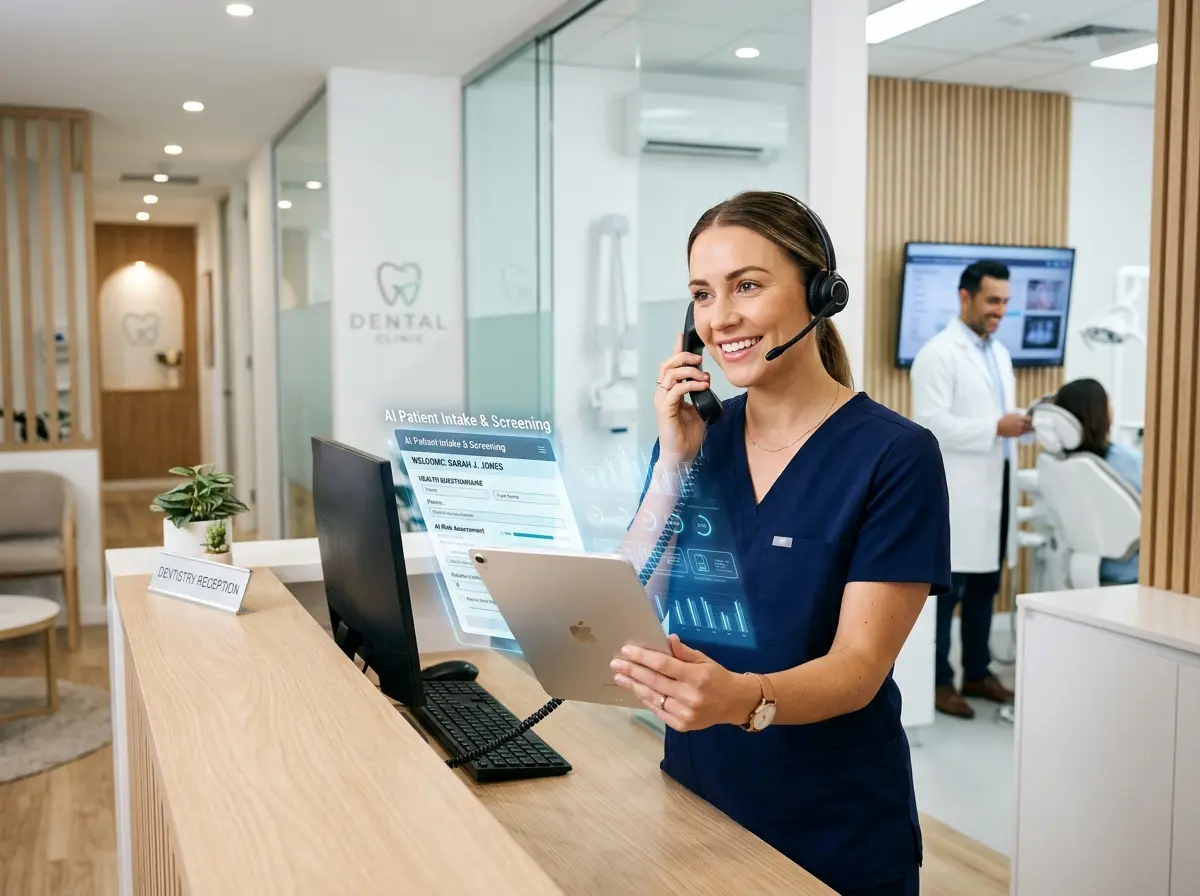
This is exactly where Stella, the AI robot employee and phone receptionist, steps in to save the day — and your sanity. Stella answers incoming calls 24/7, which means a prospective patient calling at 9 PM on a Sunday gets a professional, knowledgeable interaction instead of a voicemail they'll never leave. During that call, Stella can walk the patient through a conversational intake form, capturing insurance information, the reason for their visit, their contact details, and any urgency flags — all before a human ever needs to get involved.
Even better, Stella's built-in CRM automatically creates a patient profile from that intake data, complete with custom fields, tags, and AI-generated summaries. When your front desk arrives Monday morning, they're not starting from zero — they have a clean, organized record of every prospective patient who reached out over the weekend, with everything they need to follow up intelligently. For dental practices, that's not just convenient. It's a genuine competitive advantage.
Building a Pre-Screening Process That Actually Works
Start With the Questions That Matter Most
Not all intake questions are created equal. When designing your pre-screening flow — whether you're using an AI tool, a structured script, or both — prioritize the questions that have the biggest impact on scheduling accuracy and clinical preparation. At minimum, you want to capture the patient's full name and date of birth, their primary reason for calling (new patient exam, emergency, cosmetic consultation, etc.), their insurance provider and member ID if applicable, how they heard about your practice, and any relevant medical history flags like blood thinners or dental anxiety.
Keep the conversational flow natural and empathetic. Patients calling a dental office are often already a little on edge. A warm, organized intake experience reassures them that they're in good hands — which reduces no-shows and builds trust before anyone has even looked at their teeth.
Triage Emergency Calls Differently
One of the most valuable functions of a pre-screening process is identifying dental emergencies early. A patient with a cracked tooth or severe pain needs to be triaged completely differently than someone scheduling their annual cleaning — and treating them the same way is a disservice to both patients. Your pre-screening flow should include a clear branch point: if the patient indicates significant pain, swelling, trauma, or a lost crown, they should be routed immediately to an urgent care protocol, whether that means a same-day appointment, a callback from the doctor, or guidance on emergency resources.
This kind of intelligent routing isn't just good patient care — it's also a liability consideration. Documenting that you identified an emergency and responded appropriately matters.
Use the Data You Collect, Don't Just Collect It
Pre-screening data is only valuable if it's actually used. Make sure that whatever information gets captured during the intake process flows directly into your scheduling system and patient records. Brief your clinical team before each new patient appointment using that intake data — it only takes 60 seconds and dramatically improves the patient experience. Track patterns over time: What's the most common reason new patients are calling? Where are patients hearing about you? Are there recurring insurance issues that suggest you need to update your accepted plans list?
Turning intake data into actionable insight is how smart practices grow smarter over time, rather than just busier.
A Quick Reminder About Stella
Stella is an AI robot employee and phone receptionist built for businesses of all types — including dental practices that need reliable, intelligent front-line support without the overhead of additional staff. She answers calls around the clock, conducts conversational intake, manages a built-in CRM, and keeps your team informed with AI-generated summaries and push notifications. At just $99/month with no upfront hardware costs, she's one of the more practical investments a growing practice can make.
Your Next Steps Toward a Smarter Intake Process
Getting your pre-screening process right doesn't require a complete overhaul of your practice. It requires clarity about what information you need, consistency in how you collect it, and the right tools to make it happen without burning out your front desk staff.
Here's a practical action plan to get started:
- Audit your current process. Listen to a sample of new patient calls from the past month. What questions are being asked consistently? What's getting missed? Where do things go sideways?
- Define your ideal intake checklist. Work with your office manager and clinical team to agree on the 8–10 data points that matter most before a new patient appointment.
- Automate what you can. Use an AI phone tool to handle after-hours calls and run through your intake checklist conversationally, so no lead goes uncaptured and no question gets skipped.
- Create a briefing ritual. Before each new patient appointment, have a 60-second huddle using the intake data collected. It changes the entire energy of the appointment.
- Review and refine quarterly. Patient needs evolve. Your intake questions should too.
The dental practices that are winning new patients aren't necessarily the ones with the flashiest websites or the most Instagram-worthy waiting rooms. They're the ones that make people feel taken care of from the very first phone call. Pre-screening is how that starts — and with the right tools in place, it doesn't have to be hard.
Your patients deserve a great first impression. So does your schedule.