The Member Who Almost Quit (And How a Phone Call Changed Everything)
Let's be honest — gyms have a retention problem. A big one. Studies suggest that the fitness industry loses between 30% and 50% of its members every year, and most of those cancellations happen quietly. No dramatic goodbye, no final farewell lap around the weight room. One day a member just... stops showing up. Then they stop paying. Then you're left wondering what went wrong while simultaneously trying to replace them with fresh January resolution-makers who will also disappear by March.
The good news? One gym figured out a surprisingly simple solution — and no, it didn't involve a fancy loyalty app, a complicated rewards program, or hiring a full-time "member experience specialist." It involved a phone call. A proactive, genuinely caring check-in call to members who had gone quiet. The result? A 35% reduction in member cancellations. That's not a rounding error. That's real revenue, real retention, and real relationships.
So let's talk about how they did it, why it works, and how your gym (or any membership-based business, frankly) can do the same.
The Problem with Gym Retention (Hint: It's Not the Treadmills)
Silence Is the Enemy
Most gym owners track new sign-ups religiously. Monthly join numbers are posted, celebrated, and obsessed over. But member engagement — specifically, how often members are actually showing up — tends to get far less attention. This is a mistake. Research consistently shows that members who visit a gym at least twice per week are dramatically less likely to cancel. The moment visit frequency drops below once a week, the countdown to cancellation quietly begins.
The problem is that most gyms have no system for catching this drift. A member goes from three visits a week to one, then to none, and nobody reaches out. Meanwhile, that member has mentally moved on — they've convinced themselves the gym isn't working, life got too busy, or they can "just work out at home." (We all know how that ends.) By the time they officially cancel, the decision is already made. You're not getting them back with a discount email.
The Psychology of Feeling Unseen
Here's something worth understanding about gym cancellations: a significant percentage of members who quit don't leave because they hate the gym. They leave because they feel invisible. They feel like just another monthly charge on a credit card statement. Nobody noticed when they stopped showing up. Nobody asked if they were okay. Nobody cared enough to pick up the phone.
That feeling of being unseen is powerful — and powerfully dangerous for retention. Conversely, when a member receives a genuine, personal check-in call, something shifts. They feel valued. They feel accountable. And more often than not, they feel motivated to come back. A simple "Hey, we noticed you haven't been in a while — is everything okay?" can do more for retention than any promotional offer you've ever sent.
How the Check-In Call System Actually Worked
Identifying the At-Risk Members
The gym that achieved that 35% reduction didn't call every single member every week — that would be neither practical nor particularly welcome. Instead, they built a simple trigger system: any member who hadn't checked in for 14 consecutive days was flagged as "at-risk" and moved into a call queue. This threshold was meaningful enough to signal disengagement without being so short that it caught people who were simply on vacation or dealing with a busy week.
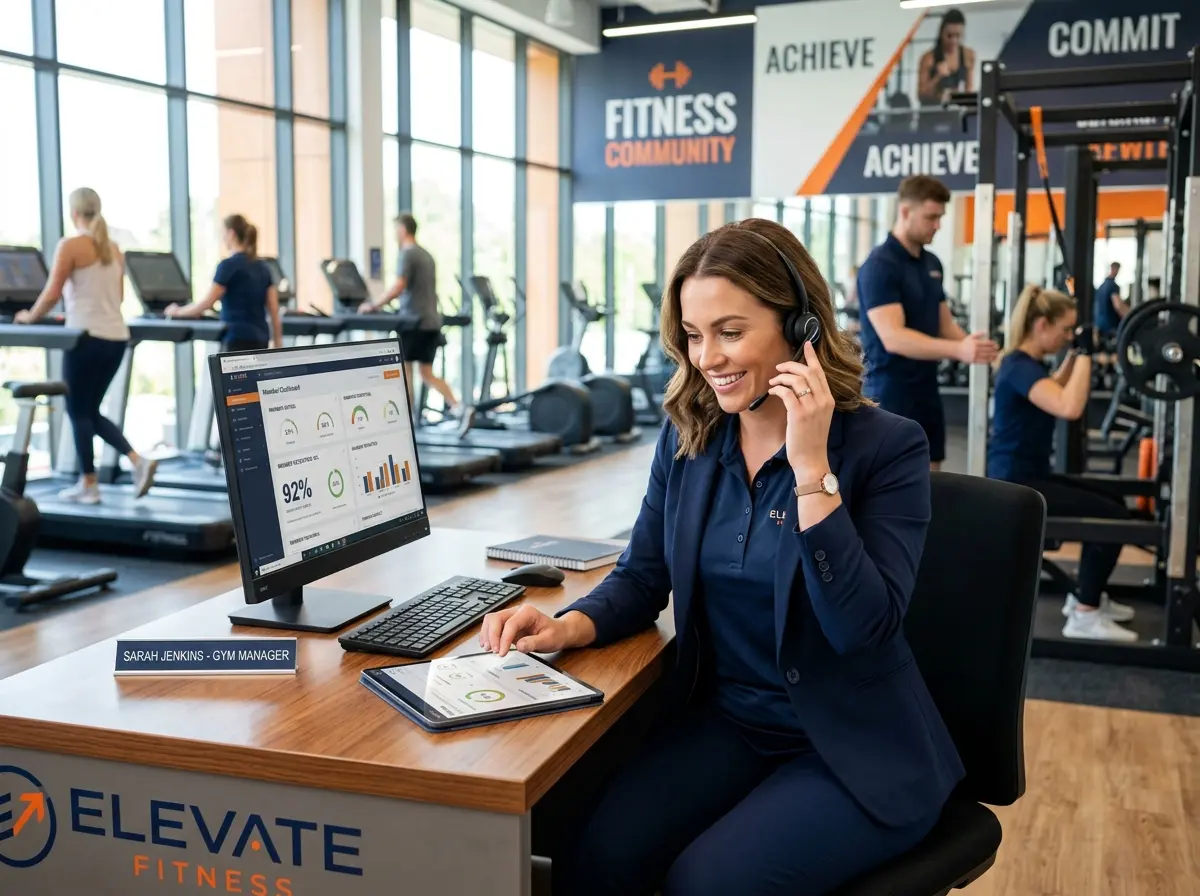
The data for this came directly from their check-in system, which tracked every member visit. Once flagged, members received a personal outreach call — not a voicemail blast, not an automated text, but an actual conversation. The script was warm, brief, and non-salesy. Staff asked how things were going, whether any obstacles were getting in the way, and whether there was anything the gym could do to help. No pressure. No pitch. Just genuine engagement.
What Staff Said (and Why It Mattered)
The language of the call mattered enormously. Staff were trained to avoid anything that sounded like a retention script — phrases like "We just wanted to remind you of all the great benefits of your membership" tend to make people feel marketed to rather than cared for. Instead, the calls leaned into honest, human conversation. Something like: "Hey, this is Jamie from FitLife — I noticed you haven't been in for a couple weeks and just wanted to check in. Everything going okay?"
That's it. No agenda. Just a human being acknowledging another human being. And when members revealed obstacles — a new work schedule, an injury, a loss of motivation — staff were equipped to offer real solutions: a schedule change, a complimentary personal training session, or even just a few words of encouragement. The result was that members felt heard, and feeling heard kept them engaged.
The Numbers Behind the Niceness
After implementing this check-in call system consistently for six months, the gym saw their monthly cancellation rate drop by 35%. When you consider that acquiring a new gym member costs anywhere from $100 to $300 in marketing and incentives, and the average gym member pays somewhere between $40 and $80 per month, the math on retention becomes very compelling very quickly. Keeping 10 members who would have otherwise cancelled is worth thousands of dollars annually — and it cost nothing but a few minutes of staff time per call.
Where Technology Can Carry the Load
Automating the Flags, Personalizing the Follow-Through
One of the biggest barriers gyms face when trying to implement a proactive outreach program is simple bandwidth. Front desk staff are busy. Personal trainers are training. Managers are managing. Nobody has time to manually review attendance logs and build call lists every morning — and so even well-intentioned retention programs quietly die on the vine.
This is exactly where tools like Stella become genuinely useful. Stella's built-in CRM allows gym owners to maintain detailed member profiles — complete with custom fields, tags, and notes — so that identifying at-risk members becomes a manageable, organized process rather than a manual scramble. Her intake forms can capture key member data during calls or at the kiosk, and her AI-generated contact profiles keep staff informed before they dial. Stella also handles inbound calls 24/7, meaning that when a disengaged member does call in — maybe to cancel, maybe just to ask a question — there's always a knowledgeable, friendly presence ready to engage them and even route the call to the right staff member based on configurable conditions.
Building a Retention Culture, Not Just a Retention Process
Make Outreach a Habit, Not a Crisis Response
The gym that cracked the 35% reduction didn't treat member outreach as a fire to put out — they treated it as a standing practice. Check-in calls were scheduled, tracked, and reviewed just like any other operational metric. Staff knew their weekly call targets. Managers reviewed outcomes. The system had accountability built in, which is why it actually worked rather than fading into the background after a promising first month.
If you want results like theirs, you need to institutionalize the habit. Designate who makes the calls. Define the trigger conditions. Create a simple call log. Review outcomes weekly. Celebrate wins when members return. Build this into your team's routine the same way you build in equipment cleaning schedules and class programming. Retention is not a department — it's a culture.
Beyond the Call: Other Touchpoints That Reinforce Loyalty
The check-in call is powerful, but it works best as part of a broader engagement strategy. Consider layering it with a few complementary practices:
- New member onboarding calls in the first 30 days — before disengagement even has a chance to start.
- Milestone recognition — acknowledging anniversaries, goal achievements, or attendance streaks builds emotional investment in the gym.
- Proactive scheduling support — helping members find class times or training slots that work around their life, rather than waiting for them to figure it out alone.
- Personal trainer introductions — members with a personal connection to a staff member are significantly more likely to stick around.
None of these require expensive software or a dedicated retention team. They require intention, consistency, and the genuine belief that keeping a great member is worth far more than finding a new one.
Measuring What Matters
You can't improve what you don't measure. Start tracking your monthly cancellation rate, your average member lifespan, and your visit frequency distribution (how many members visit weekly, bi-weekly, monthly, or less). Once you have that baseline, you can set realistic targets and actually know whether your retention efforts are working. A 35% reduction in cancellations doesn't happen by accident — it happens because someone decided to pay attention to the numbers and act on what they revealed.
A Quick Reminder About Stella
Stella is an AI robot employee and phone receptionist built for businesses like yours — available as a friendly in-store kiosk that greets and engages customers in person, and as a 24/7 phone receptionist that answers calls, manages inquiries, collects information, and keeps your CRM organized. At $99/month with no upfront hardware costs, she's the kind of team member who never calls in sick and never forgets to follow up. For gyms managing member relationships at scale, she's a natural fit.
Start the Conversation Before They Walk Out the Door
The bottom line is straightforward: members don't cancel because your gym is bad. They cancel because they feel disconnected — from their goals, from their routine, and from your community. A single, well-timed phone call can interrupt that drift and remind them why they signed up in the first place. It's low-cost, high-impact, and proven to work.
Here's your action plan to get started this week:
- Define your at-risk threshold. Choose a visit gap (10 days, 14 days, 21 days) that signals genuine disengagement for your member base.
- Build your call list system. Use your check-in software or CRM to automatically flag members who hit that threshold.
- Write a warm, natural call script. Keep it brief, genuine, and focused on the member — not on saving the membership.
- Assign ownership. Decide who makes the calls, how many per day, and how outcomes are logged.
- Review and refine monthly. Track your cancellation rate before and after. Adjust your threshold, your script, or your cadence based on what the data tells you.
Your members joined your gym because they wanted something better for themselves. Help them get there — starting with one phone call at a time.