Introduction: The Dream of Never Having to Cold Call Again
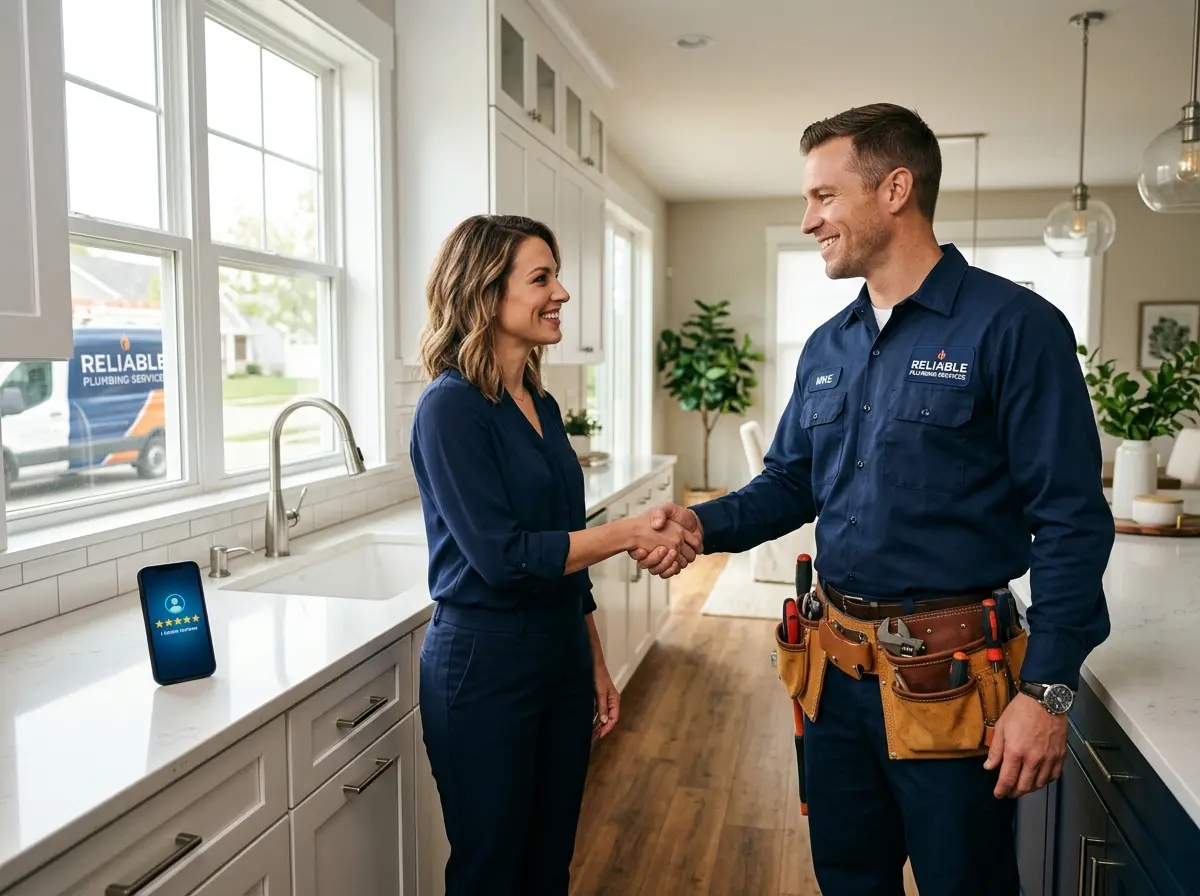
Every business owner, at some point, has stared at a list of cold leads and thought, "There has to be a better way." Spoiler alert: there is. And a small plumbing company in the midwest figured it out — not with a massive marketing budget, a viral TikTok, or some growth-hacking wizard they found on LinkedIn. They figured it out by doing something deceptively simple: becoming so reliable, so professional, and so easy to work with that people couldn't stop talking about them.
Cold outreach is exhausting. It's expensive, time-consuming, and about as fun as unclogging someone else's drain. The businesses that escape the cold outreach treadmill do so by building a reputation so strong that new customers come to them — through referrals, online reviews, and word of mouth that compounds over time like a very satisfying interest rate. This post breaks down exactly how a small plumbing company did it, what principles apply to any service business, and how you can start implementing the same strategies today.
The Foundation: What Actually Builds a Reputation Worth Having
Consistency Is the Competitive Advantage Nobody Talks About
Here's an uncomfortable truth: most small businesses don't lose customers because they're terrible. They lose them — and fail to earn referrals — because they're inconsistent. The plumber shows up on time Tuesday but two hours late on Friday. The phone gets answered promptly in the morning but goes straight to voicemail at 4:45 PM. The customer experience varies depending on who's working that day, how tired they are, and whether the coffee machine broke.
The plumbing company at the center of this story made a deliberate decision to systematize every customer touchpoint. From how the phone was answered, to how technicians introduced themselves at the door, to how follow-up messages were sent after a job — every interaction followed a consistent standard. According to a BrightLocal study, 87% of consumers read online reviews for local businesses, and what they're really looking for in those reviews is predictability. They want to know: will this business treat me the same way they treated everyone else?
Speed of Response as a Trust Signal
In the service industry, how quickly you respond to a customer is often more important than what you actually say. Research from Harvard Business Review found that businesses responding to leads within an hour are seven times more likely to have meaningful conversations with decision-makers than those who waited even 60 minutes longer. For a plumbing company, where someone might be standing in an inch of water watching their anxiety rise, speed isn't just polite — it's the entire value proposition.
This company implemented a policy: every call gets answered or returned within 15 minutes during business hours, and after-hours calls receive an immediate, personalized acknowledgment rather than a generic voicemail. The result? Their Google reviews started mentioning response time unprompted. Customers weren't just happy — they were surprised, which in the service industry, is how legends are born.
The Follow-Up Nobody Does But Everyone Should
After completing a job, most service businesses send a bill and disappear. This company sent a follow-up message two days later asking if everything was working properly and whether the customer had any questions. That's it. No upsell, no pressure — just a genuine check-in. The response was remarkable. Customers who received follow-ups left positive reviews at twice the rate of those who didn't, and several became repeat customers specifically because of that small gesture. Reputation isn't built in the dramatic moments. It's built in the tiny, thoughtful ones.
Modernizing the First Impression Without Losing the Personal Touch
How Technology Helped Them Stay Human at Scale
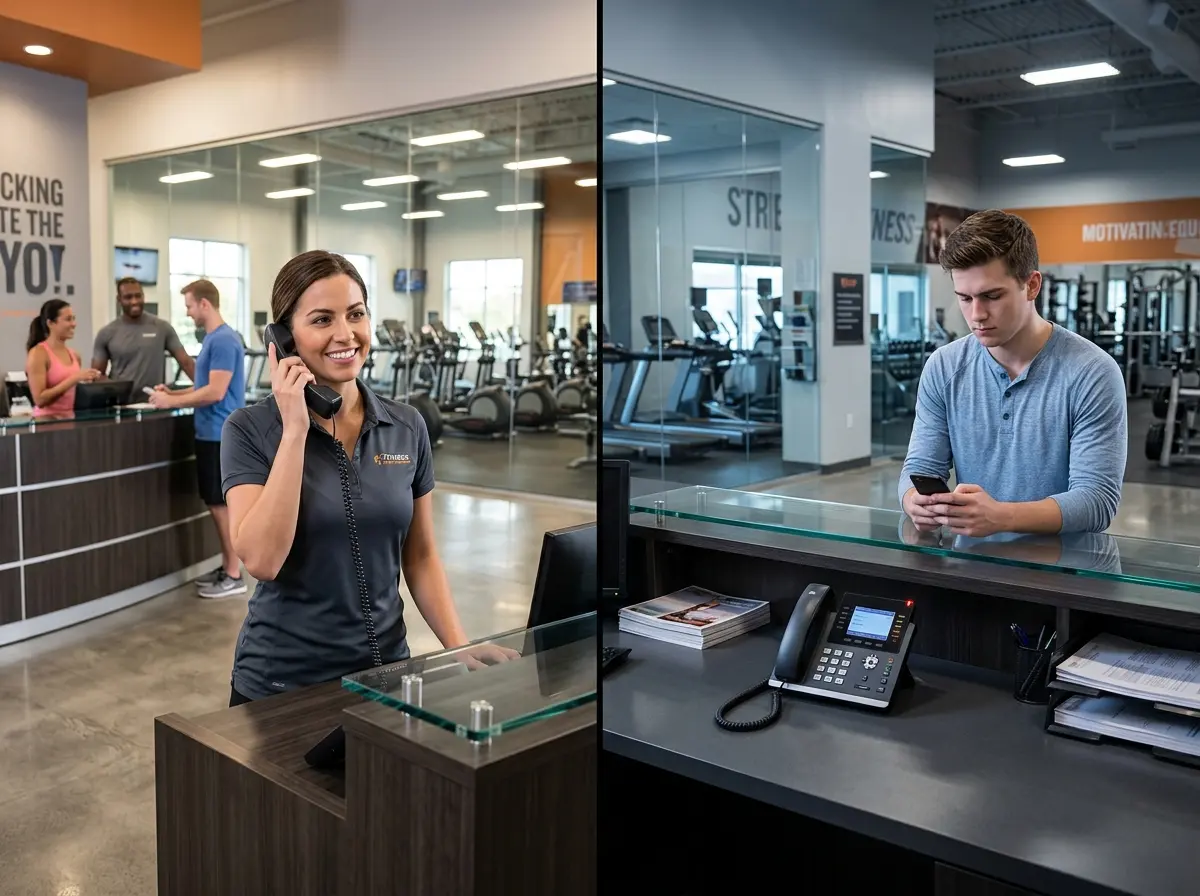
As the company's reputation grew, so did call volume. And here's where many small businesses accidentally undermine the reputation they've worked so hard to build — they get busy, the phone starts going unanswered, and the experience that made them great begins to erode under the weight of their own success. This is a frustratingly common trap.
To maintain consistent, professional communication without hiring a full-time receptionist (at $35,000–$50,000 per year), businesses in this position are increasingly turning to AI-powered solutions. Stella, an AI robot employee and phone receptionist, is one tool that fits this need particularly well for service businesses. She answers calls 24/7, handles common questions about services, pricing, and availability, and can collect customer intake information conversationally — the kind of details a plumbing company needs before dispatching a technician. For businesses with a physical location, she also operates as an in-store kiosk, greeting customers and engaging them proactively. Her built-in CRM logs customer interactions automatically, so nothing falls through the cracks. The goal isn't to replace the human touch — it's to make sure the human touch is never accidentally absent.
Turning Happy Customers Into Your Best Sales Team
Engineering Referrals Instead of Hoping for Them
Most business owners believe referrals are something that happen to you — a happy accident produced by good work. The truth is that referrals are something you can actively design. The plumbing company introduced a simple referral program: for every new customer referred by an existing one, both parties received a modest discount on their next service call. Nothing outrageous, nothing complicated. Just a clear, easy reason to mention the company to a neighbor or family member who just complained about a dripping faucet.
Within six months, nearly 40% of new customers cited a personal referral as the reason they called. The cold outreach budget — previously spent on paid ads and direct mail — was redirected toward service quality improvements, which fed more referrals, which reduced the need for paid acquisition further. It's a flywheel that, once spinning, is genuinely difficult to stop.
The Strategic Use of Online Reviews
Referrals work in person. Reviews work at scale. This company treated online reviews not as a nice-to-have but as an active business development tool. After every successful job, technicians were trained to mention — briefly and naturally — that a review would mean a lot to a small, local business. No begging, no awkward lingering. Just a human moment between a professional and a satisfied customer.
They also responded to every single review, positive and negative. Responding to negative reviews publicly demonstrated professionalism to everyone reading, not just the upset customer. According to ReviewTrackers, 45% of consumers say they're more likely to visit a business that responds to negative reviews. A well-handled complaint is, counterintuitively, one of the best reputation-building tools available.
Community Presence as Long-Term Brand Equity
Beyond digital reviews, the company invested modestly in local community presence — sponsoring a youth sports team, participating in a neighborhood home improvement fair, and contributing practical plumbing tips to a local community Facebook group without pitching their services. This kind of visibility doesn't produce immediate ROI, and anyone who tells you it does is being optimistic to the point of fiction. What it does produce is familiarity, and familiarity is what gets you called first when something goes wrong at 7 PM on a Sunday.
Quick Reminder About Stella
Stella is an AI robot employee that works as both an in-store kiosk and a 24/7 phone receptionist for businesses of all sizes — including service providers, solopreneurs, and anyone who's ever missed an important call while doing something unavoidable (like, say, an actual job). She handles calls, answers questions, collects customer information, and keeps your CRM organized — all for $99/month with no upfront hardware costs. For a service business trying to protect the reputation it worked hard to build, she's the kind of support that makes consistency feel effortless.
Conclusion: Stop Chasing Customers and Start Attracting Them
The plumbing company in this story didn't stumble onto success. They made a series of deliberate, unglamorous decisions: answer the phone every time, follow up after every job, respond to every review, ask for referrals directly, and show up consistently in the community. None of these things are secret. None of them require a significant budget. What they require is commitment — which, as it turns out, is in shorter supply than most people realize.
If you're a service business owner still relying heavily on cold outreach, here's your actionable roadmap to start shifting the equation:
- Audit your current customer touchpoints. Where are the gaps in consistency? Where does the experience vary depending on who's working?
- Systematize your follow-up process. A simple two-day check-in message costs almost nothing and returns disproportionately in reviews and loyalty.
- Launch a referral program this week. It doesn't need to be elaborate — it just needs to exist and be communicated clearly.
- Make review generation part of every job's close-out routine. Train your team, make it natural, and respond to everything posted online.
- Address the phone problem. If your calls aren't being answered consistently and professionally, your reputation is quietly suffering for it.
Cold outreach isn't evil — it's just expensive, low-conversion, and entirely avoidable once you've built something worth talking about. Start building that thing. The customers will follow.