Introduction: The Meeting Nobody Wants (But Every Restaurant Needs)
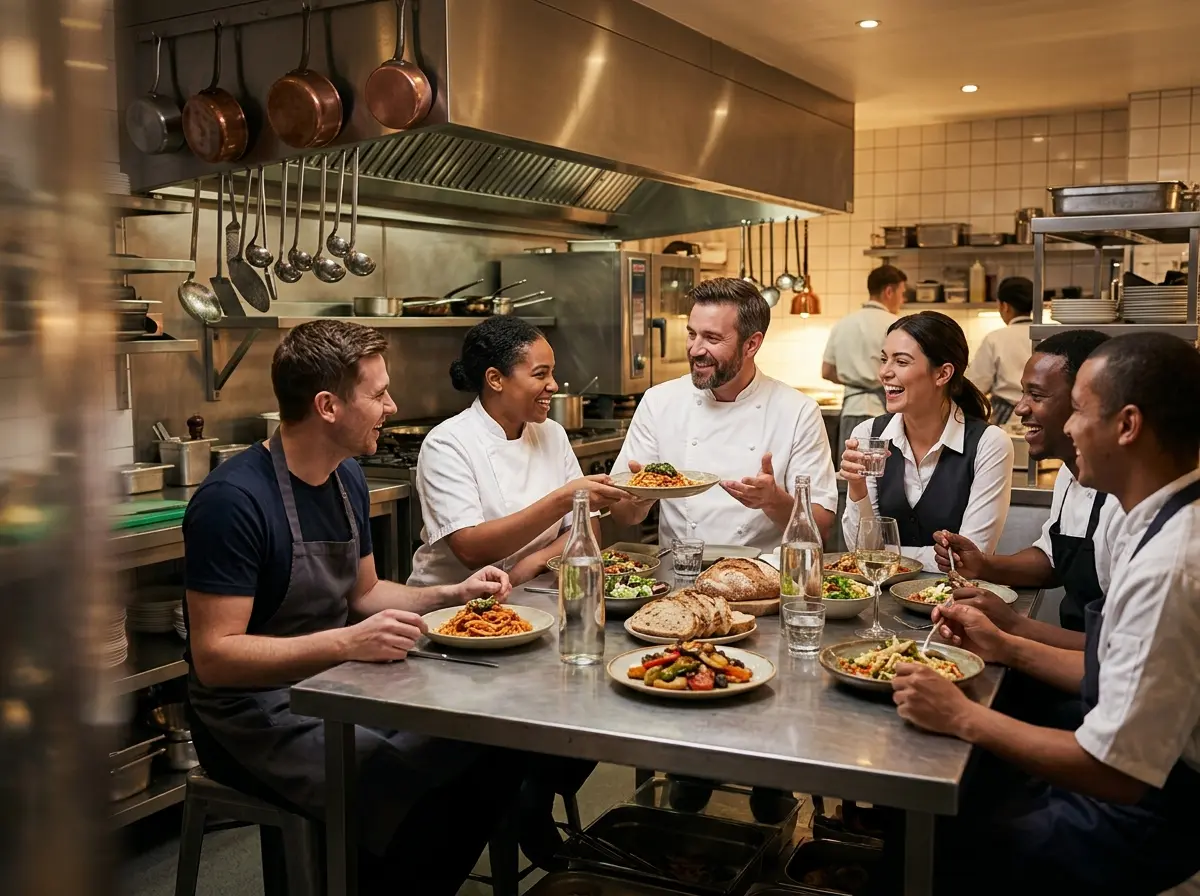
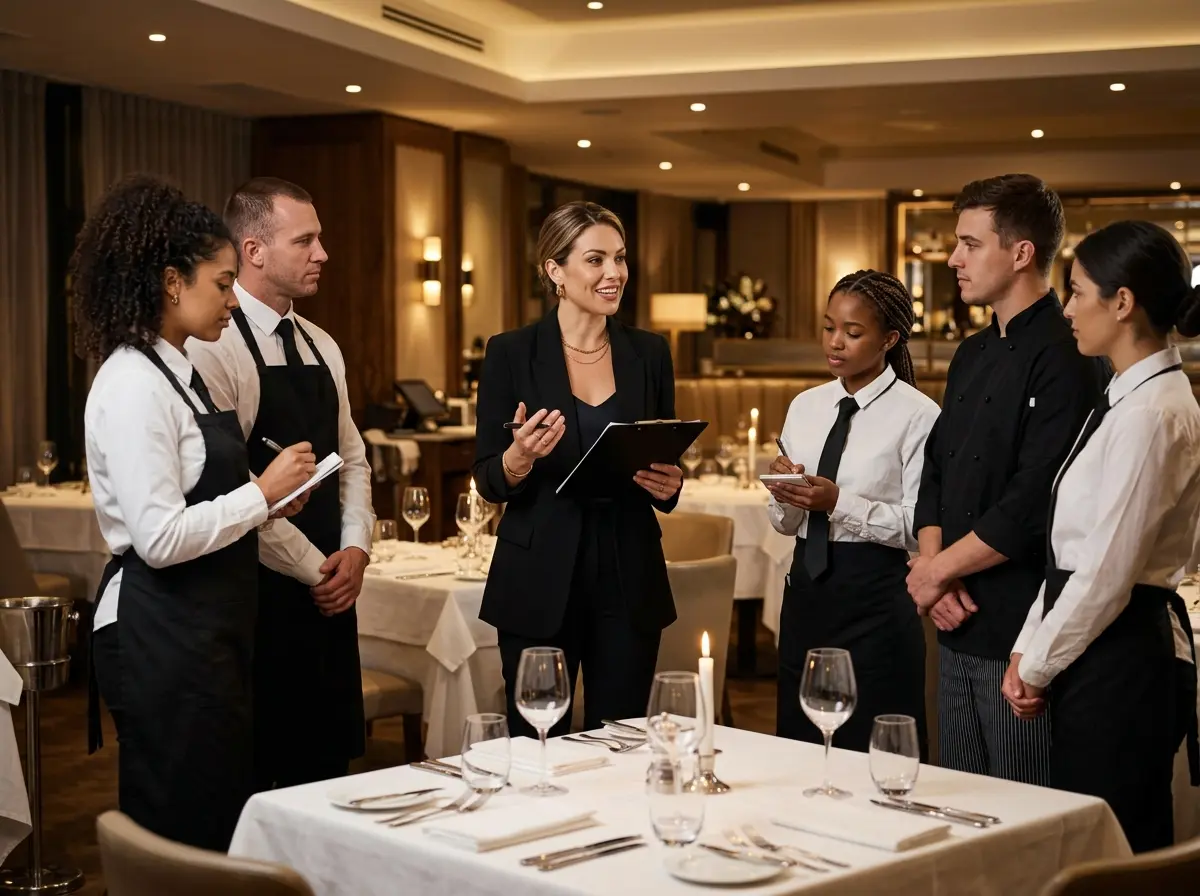
Let's be honest — the pre-shift meeting at most restaurants goes something like this: a manager rattles off the nightly specials while half the staff stares at their phones, someone asks a question that gets immediately forgotten, and then everyone disperses into the controlled chaos of service. Three hours later, a server has never heard of the mushroom risotto, a bartender is quoting last week's happy hour prices, and you're silently questioning your life choices.
Sound familiar? You're not alone. The pre-shift meeting is one of the most underutilized tools in restaurant operations — and when done poorly, it's basically just a mandatory awkward gathering before the real work begins. But here's the thing: a well-structured, formal pre-shift meeting protocol can meaningfully improve service quality, reduce errors, boost staff confidence, and ultimately increase your revenue. The data backs this up, too. Restaurants that implement consistent pre-service briefings report fewer order errors, higher upsell rates, and measurably better guest satisfaction scores.
This post is your practical guide to building a pre-shift meeting protocol that your team will actually find useful — and that will make a real difference every single service.
Building the Foundation of a Great Pre-Shift Meeting
Define the Purpose (It's Not Just a Roll Call)
The first mistake most restaurant managers make is treating the pre-shift meeting like a formality — something that happens because it's supposed to happen, not because it serves a clear purpose. To fix this, you need to define exactly what you want every meeting to accomplish.
A great pre-shift meeting serves three core functions: it informs (what's on the menu tonight, what's 86'd, what promotions are running), it aligns (everyone is on the same page about expectations, table assignments, and service standards), and it motivates (your staff walks out of that meeting energized and focused, not exhausted before they've started). When you design your protocol around these three pillars, the meeting transforms from a time-waster into a genuine performance tool.
Spend a few minutes each week outlining what "inform, align, and motivate" looks like for your specific service — and make sure whoever is running the meeting knows those goals cold.
Create a Repeatable Agenda (Yes, Write It Down)
Consistency is everything. Your pre-shift meeting should follow a predictable structure so that staff know what to expect and managers don't have to reinvent the wheel every evening. A simple, effective agenda might look like this:
- Menu updates — specials, 86'd items, new additions, and any allergen flags
- Promotions and upsell targets — what deals are running and what items you want the team pushing tonight
- Operational notes — large parties, VIP reservations, staffing changes, or equipment issues
- Taste and learn — a quick tasting of a new dish or cocktail so staff can describe it with confidence
- One coaching moment — a single focused tip on technique, hospitality, or service recovery
- Recognition — briefly acknowledge wins from the last shift
Keep it tight. A well-run pre-shift meeting should take 10 to 15 minutes, not 30. If you're going longer, you're probably trying to solve problems in a meeting that should be solved in training.
Train Your Managers to Run It Well
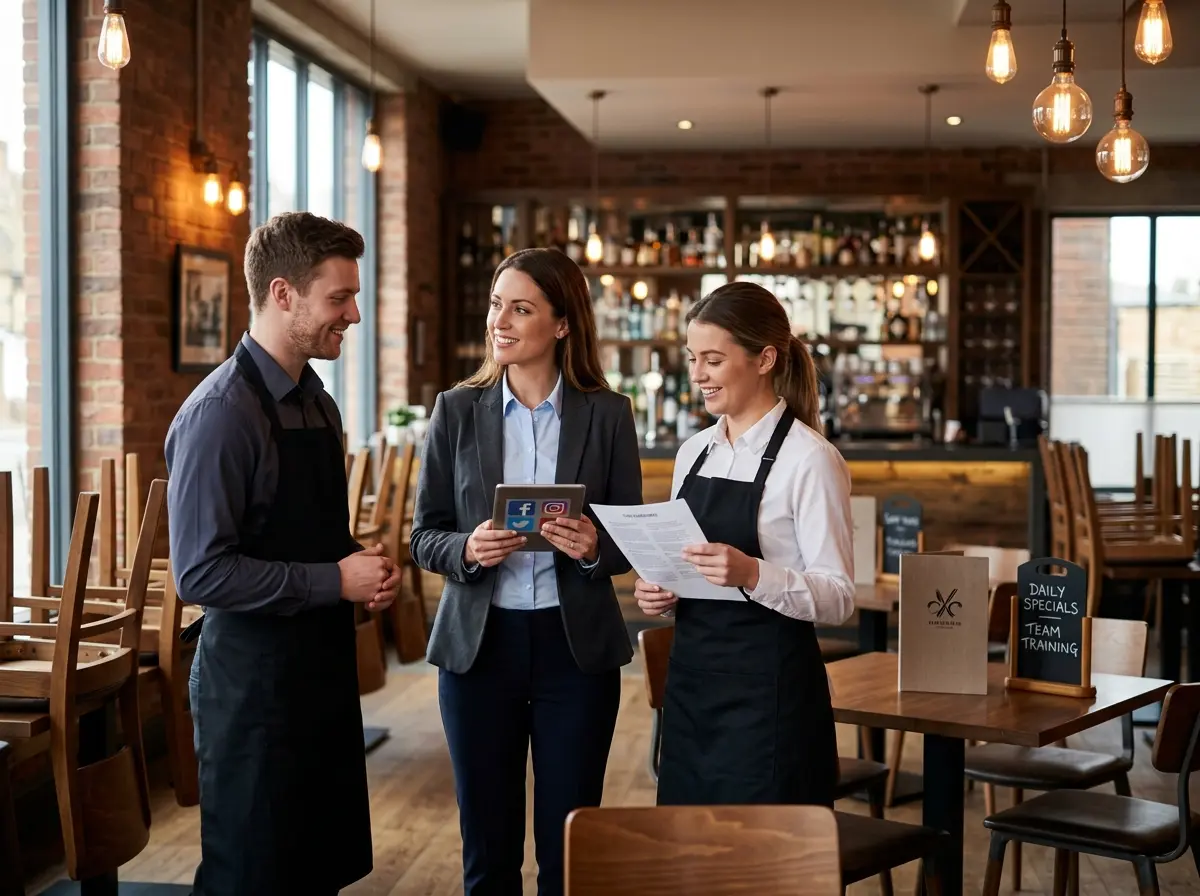
A great agenda in the hands of an unprepared manager is still a rough meeting. Whoever is leading the pre-shift briefing needs to be trained on facilitation basics: how to hold attention, how to make tasting descriptions interesting, and how to handle questions without going down a rabbit hole. Consider having managers prep their meeting notes at least 30 minutes before the shift begins — not five minutes before doors open while simultaneously signing invoices and fixing the POS system.
Role-playing the meeting during manager training sessions is surprisingly effective. It sounds slightly ridiculous until the first time a manager walks into service genuinely confident about what they're communicating — and it shows on the floor.
How Technology Can Support Your Pre-Shift Preparation
Free Up Your Staff to Actually Be Present
One of the sneaky reasons pre-shift meetings suffer is that your team is mentally already on the floor. Servers are worried about their tables, hosts are fielding calls about reservations, and managers are distracted by the endless stream of questions that don't really need to be answered by a human. That's where tools like Stella come in.
Stella is an AI robot employee and phone receptionist that can handle your front-of-house interruptions while your team focuses on the meeting. She greets walk-in customers, answers questions about your hours, menu, and specials, and handles incoming phone calls 24/7 — all without pulling anyone away from the pre-shift briefing. For restaurants that are constantly fielding reservation inquiries and general calls right up until doors open, having Stella managing that communication layer means your team can actually be fully present during the meeting that matters. Think of her as the colleague who holds down the fort while the real prep work happens.
Making Every Meeting Count: Execution and Accountability
Use the Meeting to Drive Upsell Performance
If there's one thing restaurants consistently leave money on the table with, it's upselling — and the pre-shift meeting is your single best opportunity to fix that. Rather than just announcing specials, take two minutes to coach your team on how to sell them. Walk through the flavor profile of tonight's featured entrée. Explain the story behind the wine pairing. Give your bartenders a one-liner for introducing the seasonal cocktail that doesn't feel like a sales pitch.
Research consistently shows that staff who taste and understand menu items sell them at significantly higher rates than staff who are just reading off a card. When your server can say "I tried the seared scallops earlier — the brown butter is incredible," that's authentic and effective. That costs you a small plate of scallops. The return is measurably higher check averages and a more confident team.
Track which specials get sold each service. Over time, you'll see clear patterns about what your team promotes well versus what falls flat — and that data should directly inform how you structure future meetings.
Build a Culture of Continuous Improvement Through Feedback Loops
The best pre-shift meetings don't exist in isolation — they're part of a larger performance loop. After each service, your closing manager should take five minutes to jot down what worked, what didn't, and what needs to be addressed before the next shift. Those notes become the foundation of tomorrow's meeting.
Some high-performing restaurants implement a brief post-service "debrief" — not another full meeting, but a quick 5-minute check-in at the end of the night where staff can flag anything that confused guests or caused friction. When those insights feed directly back into pre-shift prep, you create a cycle of continuous improvement that compounds over time. A restaurant that does this consistently for six months looks like a dramatically different operation than one that wings it every night.
Accountability Makes the Difference
A protocol is only as strong as the follow-through behind it. Assign ownership — make it clear which manager runs the pre-shift meeting each day, and hold them accountable for running it on time, on topic, and on point. Create a simple checklist or digital template that gets filled out before each meeting so nothing gets skipped when service gets hectic.
You might also consider occasional "audits" — sitting in on a pre-shift meeting once or twice a month as the owner to observe the quality and energy of the briefing. Not to micromanage, but to model that this meeting matters. Teams take the things their leaders take seriously. If you show up for five minutes before a meeting and say "this looks great, carry on," that sends a message. If you never show up at all, that sends a different one.
Quick Reminder About Stella
Stella is an AI robot employee and phone receptionist that works for your business around the clock — greeting customers at your physical location, answering calls 24/7, promoting specials, handling FAQs, and collecting customer information without ever needing a break. She starts at just $99/month with no upfront hardware costs, making her one of the most cost-effective ways to add a reliable, professional presence to your operation. While your team is focused on delivering an outstanding service, Stella keeps everything else running smoothly in the background.
Conclusion: Start Before Your Next Service
The pre-shift meeting isn't glamorous. It doesn't have its own Instagram aesthetic or a trendy industry buzzword attached to it. But it is one of the highest-leverage habits you can build in your restaurant — and the cost of not doing it well shows up every single service in the form of errors, missed upsells, confused staff, and frustrated guests.
Here's what to do right now:
- Draft a standard pre-shift meeting agenda using the inform-align-motivate framework and make it available to all managers today.
- Set a time limit — 10 to 15 minutes, no exceptions — and commit to starting and ending on schedule.
- Build in a tasting component at least three nights a week so your team is selling from genuine experience.
- Create a post-service feedback loop so that every service teaches you something that improves the next one.
- Assign accountability — someone owns the meeting, someone reviews the results, and everyone knows it matters.
Your guests will notice the difference even if they can't articulate why. Service will feel smoother, staff will seem more knowledgeable, and your team will carry themselves with the kind of quiet confidence that comes from being genuinely prepared. That's what a great pre-shift meeting protocol builds — and it starts before a single guest walks through the door.