Injured Clients Are Walking Out the Door — And Into Your Competitor's "Wellness Program"
Here's a scenario that plays out in gyms across the country every single day: A loyal member tears their rotator cuff, gets cleared by their doctor after physical therapy, and then... vanishes. Maybe they cancel their membership. Maybe they ghost you for six months out of fear of re-injury. Or maybe — and this one stings — they find a specialized gym that actually knows how to handle their situation and they never come back.
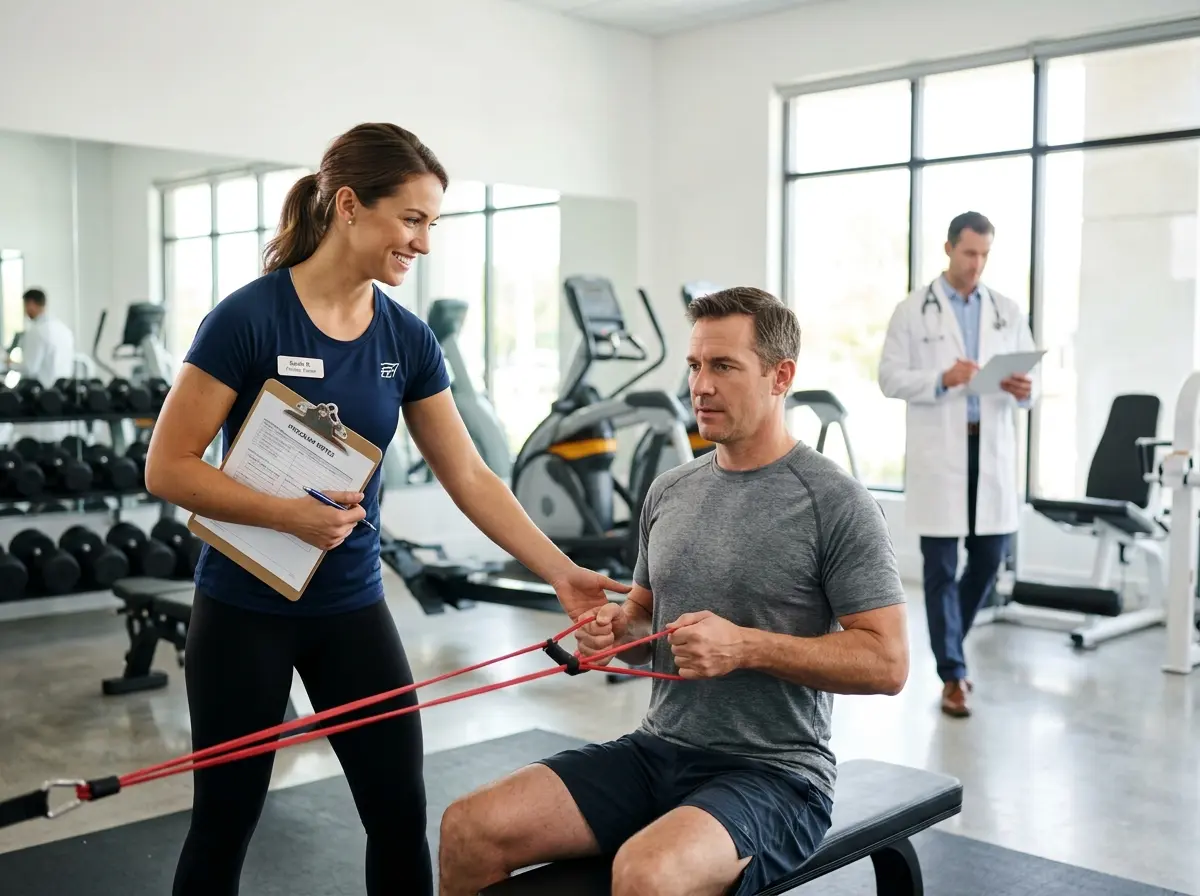
Now consider the flip side: What if your gym was the place that physician recommended? What if you had a structured, medically-adjacent program for recovering clients that made doctors want to send patients your way? Suddenly, you're not just retaining injured members — you're generating a steady pipeline of new clients from local orthopedic offices, physical therapy clinics, and sports medicine practices.
A dedicated injury recovery program isn't just a nice-to-have wellness perk. It's a legitimate business development strategy with real revenue implications — and most gym owners are leaving that money sitting on the table. Let's fix that.
The Business Case for an Injury Recovery Program
The Numbers Don't Lie (But They Are a Little Uncomfortable)
According to the American College of Sports Medicine, roughly 3.5 million sports injuries occur annually in the United States among recreational athletes alone. A significant percentage of those injured individuals are gym members — your gym members. Industry data suggests that gyms lose between 20–30% of their membership after a member experiences an injury, largely because the facility doesn't offer a clear path back to fitness. That's not a retention problem, that's a program gap.
Meanwhile, the medical referral economy is enormous and largely untapped by fitness businesses. Physical therapists, orthopedic surgeons, and sports medicine physicians are constantly discharging patients with instructions to "stay active" and "continue strengthening" — but most of them have no reliable fitness partner to refer to. If you build a credible, structured program with certified professionals on staff, you become the obvious answer to a question medical providers ask every single day.
What a Medical Referral Pipeline Actually Looks Like
This isn't about handing out flyers at a PT clinic and hoping for the best. A genuine medical referral pipeline requires a few foundational elements working together. First, you need a program that is structured, documented, and defensible — meaning you can hand a physician a one-pager that explains exactly how you assess recovering clients, what certifications your trainers hold, how you communicate progress, and what contraindications you respect. Doctors are liability-conscious. If they're going to attach their name to a referral, they need confidence.
Second, you need consistent communication loops. Sending a brief monthly update to referring providers — nothing elaborate, just a short summary of mutual clients' progress — builds enormous trust over time. Third, and perhaps most importantly, you need to be discoverable. When a sports medicine doctor Googles "post-rehab fitness programs near me," you want to show up. Local SEO, a professional web presence, and a clear program description go a long way.
Streamlining Client Intake and Communication With the Right Tools
First Impressions Start Before the First Session
Recovering clients are a specific kind of cautious. They've been through pain, possibly surgery, definitely frustration — and they're nervous about starting back at a gym. How your facility handles their very first interaction sets the tone for everything that follows. If they call to ask about your recovery program and the phone rings out, or they get a distracted front desk staffer who doesn't know what to say, that prospective client is gone.
This is where Stella, the AI robot employee and phone receptionist, genuinely earns her keep for gym owners. Stella answers calls 24/7 with consistent, knowledgeable responses about your programs, pricing, and intake process — so a nervous post-rehab client calling at 9pm on a Tuesday gets a professional, warm, informative response instead of a voicemail. For gyms with a physical location, her in-person kiosk presence also means that walk-in visitors get immediate, friendly engagement the moment they step through the door. Stella can also collect client intake information conversationally — including injury history, physician clearance status, and program interests — feeding that data directly into her built-in CRM so your trainers walk into every consultation already informed.
Building a Program That Physicians Actually Trust
Credentials, Protocols, and the Art of Looking Like You Know What You're Doing (Because You Should)
Let's be direct: if you want medical referrals, your program needs to look and function like a professional clinical partner — not a generic personal training package with a new name. That starts with your staff. Certified trainers are a baseline. What differentiates you is having team members with specialized credentials such as ACSM's Certified Exercise Physiologist, NSCA's CSCS, or a post-rehab fitness certification from recognized bodies like MedFit or NASM's CES (Corrective Exercise Specialist). These aren't just resume ornaments — they signal to referring physicians that your staff understands anatomical limitations, injury mechanisms, and progressive loading protocols.
Beyond credentials, you need written program protocols. Document how you conduct initial assessments for post-rehab clients, how you modify programming based on injury type, and what your escalation process looks like if a client reports new pain or discomfort. This documentation serves double duty: it protects your business legally and gives referring providers a concrete reason to trust you with their patients.
Creating Genuine Physician Partnerships
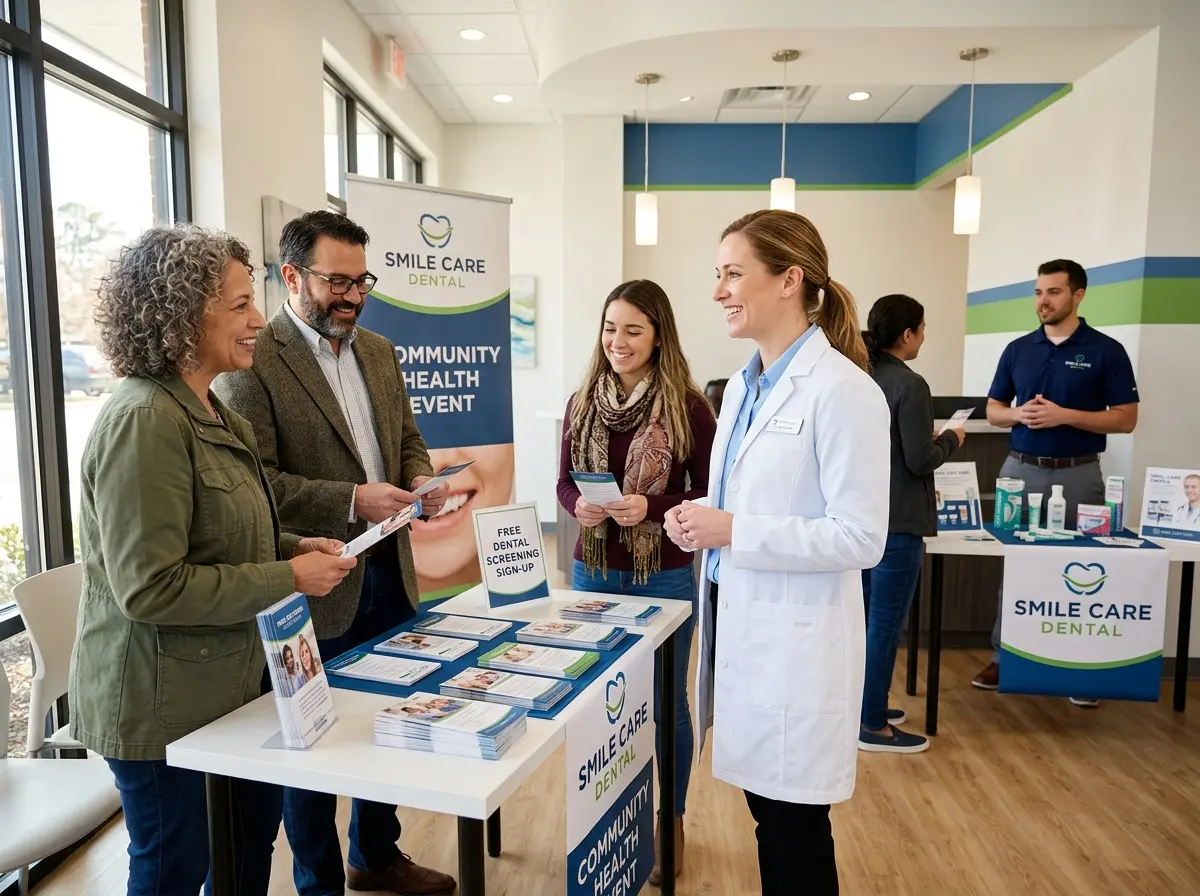
The most effective referral relationships are built on mutual respect and clear communication — not a one-time cold email campaign. Start by identifying five to ten local providers who are most likely to have patients suited for your program: orthopedic clinics, physical therapy practices, sports medicine offices, and even primary care physicians who serve an active population.
Request brief introductory meetings — fifteen minutes, in person if possible. Bring a concise, professionally designed one-pager that explains your program, your staff credentials, your assessment process, and how you'll keep them informed about shared clients. Offer to shadow a PT session (if they're open to it) so you can speak their language. Over time, the gyms that build real relationships — not transactional ones — become the default recommendation. Consider hosting a quarterly "lunch and learn" for local providers, or inviting physicians to tour your facility. It costs almost nothing and signals serious intent.
Retaining Recovery Clients for the Long Haul
Injured clients who feel genuinely supported during their recovery become some of the most loyal, long-term members you'll ever have. The key is designing the program with a clear progression in mind — from initial post-rehab phases through to full independent training — so clients always know what comes next and never feel abandoned.
Build in regular milestone check-ins, celebrate small victories vocally, and make sure every trainer working with recovering clients understands the emotional dimension of the experience. Fear of re-injury is real and can derail progress just as easily as a physical setback. Gyms that acknowledge this build trust at a level that purely results-focused competitors simply can't match. When that client eventually tells their orthopedic surgeon how well they're doing, you've just earned your next referral organically — no outreach required.
Quick Reminder About Stella
Stella is an AI robot employee and phone receptionist that greets customers in-store, answers calls around the clock, collects client information through conversational intake forms, and manages contacts through a built-in CRM — all for $99/month with no upfront hardware costs. For gyms building a recovery program, she's the front-line presence that ensures no prospective client — especially the cautious ones — ever feels ignored or underserved from the very first touchpoint.
Start Building Your Program This Quarter
The opportunity here is genuinely significant, and the barrier to entry is lower than most gym owners assume. You don't need a dedicated wing of your facility or a clinical license to build a program that attracts medical referrals. You need structure, credentialed staff, professional relationships, and a consistent client experience from the first phone call to the final session.
Here's a practical starting point to get moving:
- Audit your current staff credentials and identify one or two trainers to pursue post-rehab or corrective exercise certifications within the next 90 days.
- Draft a one-page program overview that documents your assessment process, training approach, and communication standards for medical partners.
- Identify your top ten local referral targets — orthopedic offices, PT clinics, sports medicine practices — and schedule introductory outreach this month.
- Audit your intake and communication process to ensure recovering clients get a professional, informed response at every touchpoint, including after hours.
- Build a simple client progress tracking system so you can send meaningful updates to referring providers and demonstrate real outcomes over time.
Gyms that take injury recovery seriously — and build the infrastructure to support it — don't just retain members better. They become community institutions that physicians trust, athletes seek out, and members rave about. That's not a niche program. That's a competitive advantage. Time to build it.