From Empty Waiting Room to Waitlist: The Workshop Strategy That Changes Everything
Let's be honest — most chiropractors are absolutely brilliant at adjusting spines and absolutely terrible at marketing themselves. You went to school for years to master the art of the human body, not to become a lead generation guru. And yet, here you are, staring at a half-empty appointment book wondering why your phone isn't ringing more.
Here's the good news: you don't need a massive advertising budget, a viral TikTok dance, or a degree in digital marketing to consistently bring in new patients. Dr. Marcus Webb, a chiropractor in suburban Ohio, cracked the code with a surprisingly simple strategy — a single monthly community workshop — and started generating 50 new patient leads every month without spending a fortune. No smoke and mirrors. No gimmicks. Just good old-fashioned value delivery with a smart follow-up system behind it.
Let's break down exactly how he did it, and how you can replicate it in your own practice.
The Workshop Model That Fills Your Pipeline
Choosing the Right Topic (Hint: Not "What Is Chiropractic Care")
The number one mistake chiropractors make with workshops is going too broad. Nobody drives to a community center on a Tuesday evening to hear a generic overview of spinal health. People show up for specific solutions to specific problems they are already losing sleep over — sometimes literally.
Dr. Webb's first successful workshop was titled "The 3 Hidden Causes of Chronic Back Pain That Your Doctor Probably Missed." That title does a lot of heavy lifting. It speaks directly to a frustrated audience (people who've already tried other solutions), it teases insider knowledge, and it creates just enough intrigue to get someone off their couch. His subsequent workshops covered topics like desk posture for remote workers, headache relief, and sciatica solutions — each one laser-targeted at a specific pain point (pun absolutely intended).
Before you plan your first workshop, ask yourself: What does my ideal patient Google at 11pm when their back is killing them? That's your topic.
The Logistics: Keep It Simple, Keep It Free
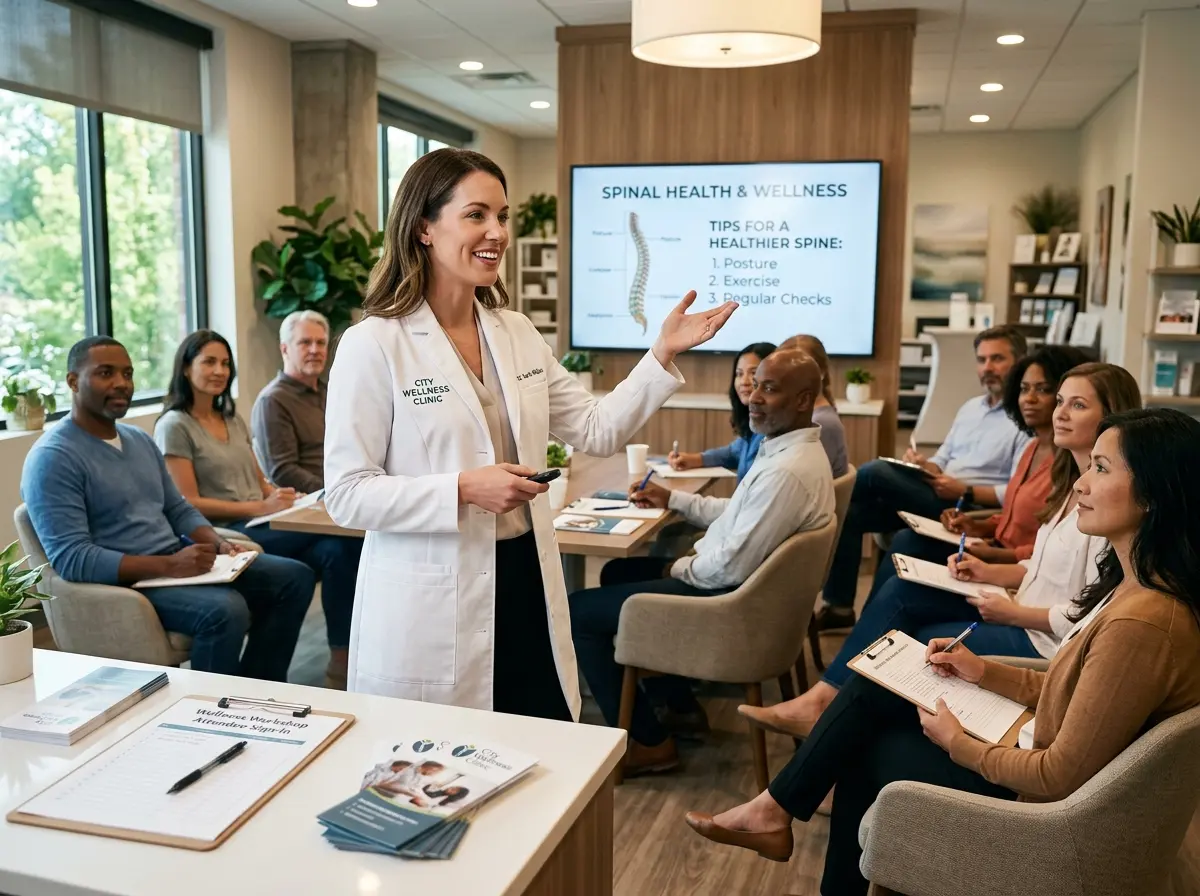
Dr. Webb kept his workshops free, 60 minutes long, and hosted at the local library — a neutral, trusted, community space that removed any sales pressure perception. He capped attendance at 25 people to keep it intimate and personal, which also created a sense of scarcity that made people more likely to register promptly.
Registration was handled through a simple online form that collected names, email addresses, phone numbers, and a brief description of their primary health concern. This intake step was crucial — it wasn't just logistics, it was the beginning of the patient relationship. By the time someone walked through the door, Dr. Webb already had context on why they were there.
He ran one workshop per month consistently. Not occasionally. Not when he felt like it. Every single month. Consistency is what turned a clever idea into a repeatable lead machine.
The Follow-Up System That Converts Attendees Into Patients
Here's where most practitioners drop the ball entirely. The workshop happens, people clap, everyone goes home, and then... nothing. Radio silence. The chiropractor meant to follow up but got busy with actual patients, and three weeks later those warm leads have gone completely cold.
Dr. Webb built a simple but disciplined follow-up sequence: a thank-you email the night of the event, a personal phone call within 48 hours offering a complimentary initial consultation, and a follow-up text three days later for anyone who hadn't responded. Out of 25 attendees, he consistently converted 8–12 into new patients — a conversion rate that any marketing agency would brag about.
The key insight here is that the workshop doesn't close the sale. It earns the right to have a real conversation. The follow-up is where the appointment gets booked.
Keeping the Momentum Going Between Workshops
How to Stay Top of Mind Without Being Annoying
A workshop generates a burst of attention, but your practice needs consistent attention year-round. Between events, Dr. Webb kept his leads warm with a monthly email newsletter (nothing fancy — just genuinely useful tips), occasional social media posts recapping workshop highlights, and Google reviews from happy patients that reinforced his credibility to anyone researching him online.
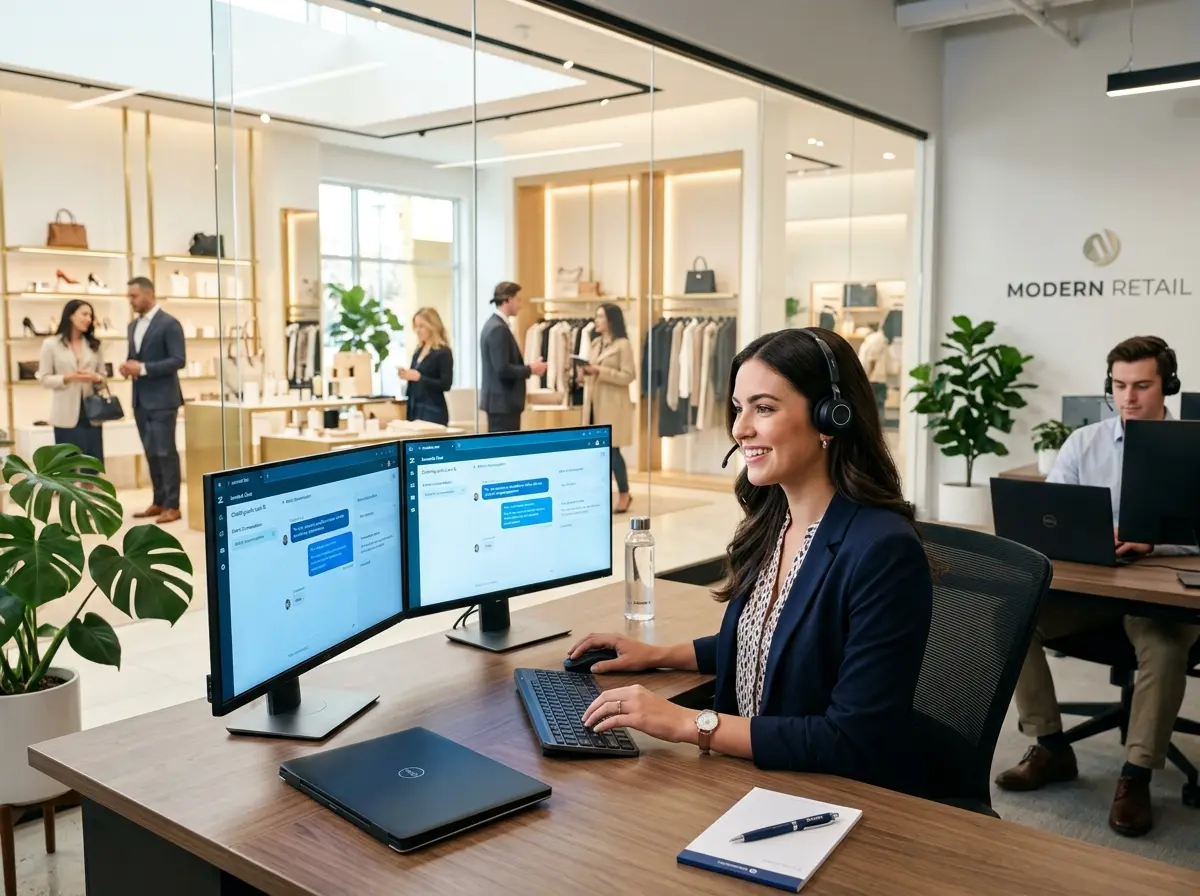
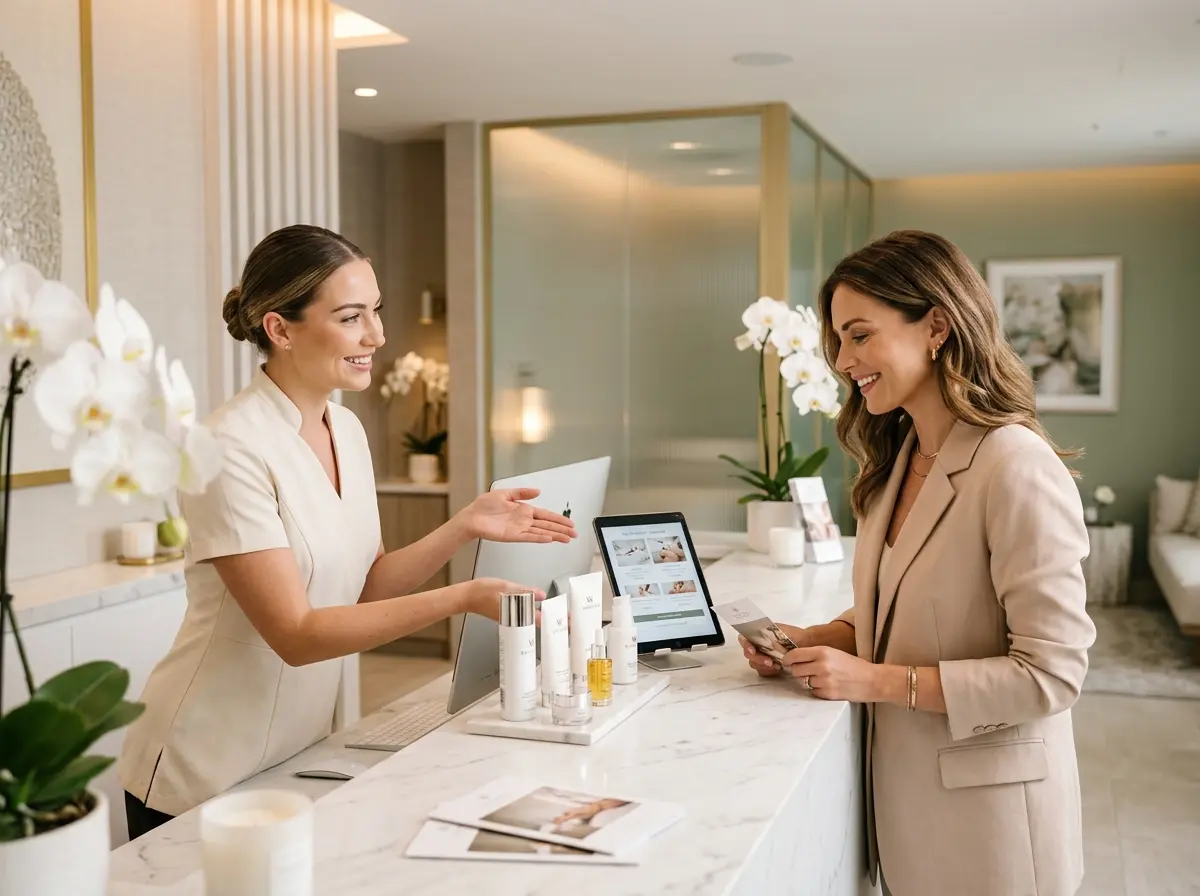
He also made sure his front office experience matched the trust he'd built at the workshop. Nothing deflates a warm lead faster than calling a practice and getting a rushed, distracted receptionist or — worse — being sent to voicemail during business hours. First impressions on the phone matter just as much as first impressions in person.
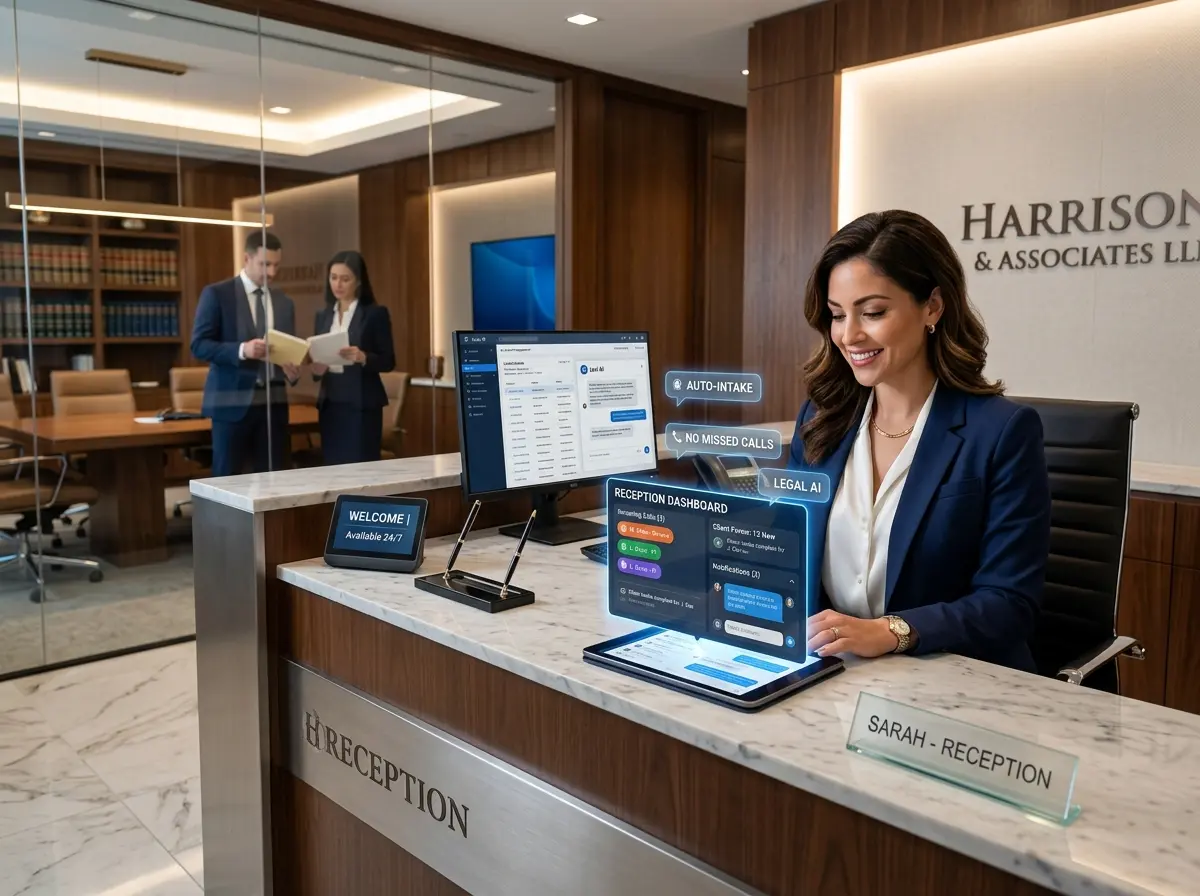
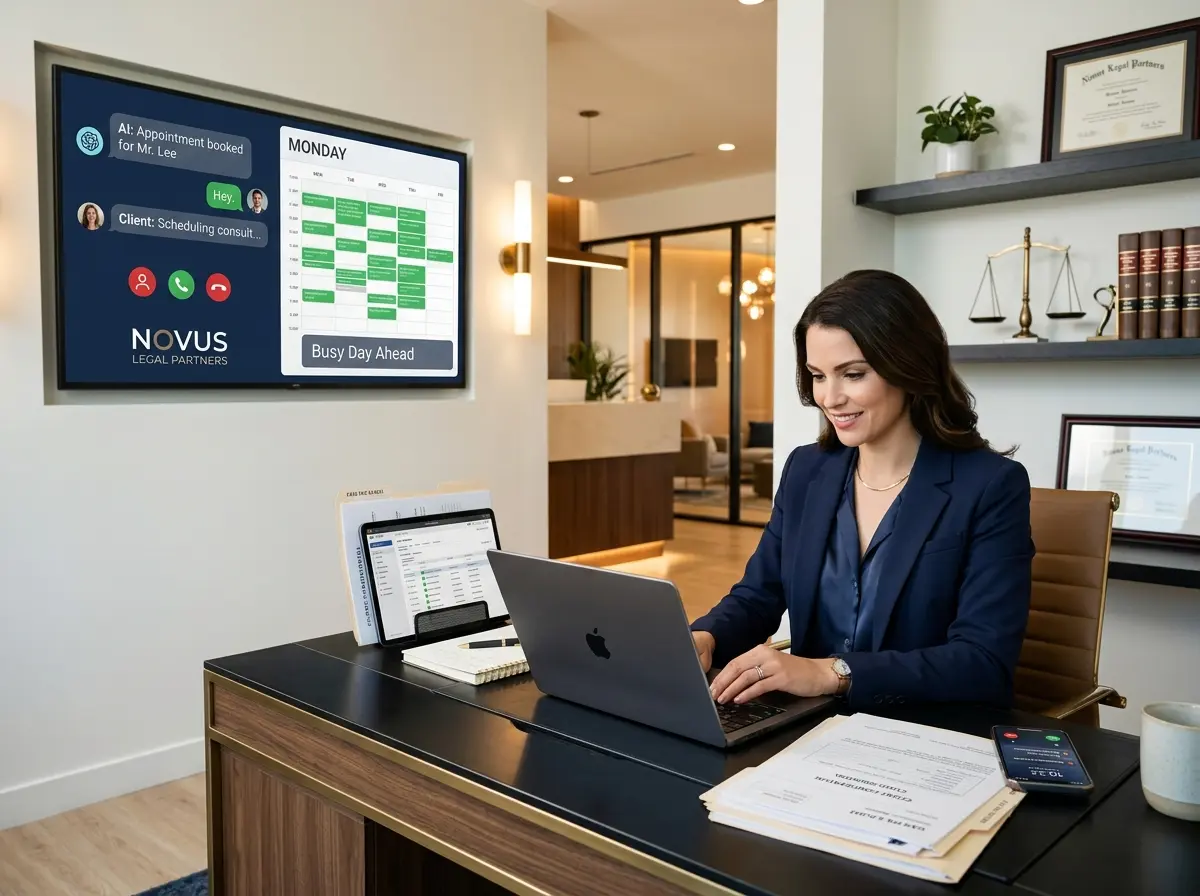
That's where tools like Stella, the AI robot employee and phone receptionist, can quietly solve a very real problem. Stella answers every call 24/7, collects patient intake information conversationally, and manages contacts through a built-in CRM — so no lead from your workshop ever falls through the cracks because the phone went unanswered at 6:45pm on a Friday. For practices with a physical location, she also greets walk-ins at the kiosk and can promote upcoming workshops to anyone who stops by.
Quick Reminder About Stella
Stella is an AI robot employee and phone receptionist built for businesses like yours. She greets patients at your front desk, answers calls around the clock, collects intake information, and keeps your CRM organized — all for $99 a month with no upfront hardware costs. Think of her as the staff member who never calls in sick and never puts a potential patient on hold indefinitely.
Scaling the Strategy: From One Workshop to a Full Community Presence
Partnering With Local Businesses and Organizations
Once Dr. Webb had his workshop model dialed in, he started co-hosting events with complementary local businesses — a yoga studio, a corporate HR department, and a senior center. Each partnership brought a new, pre-warmed audience directly to him. The yoga studio sent out the event to their entire email list. The corporation gave him access to 200 employees during a lunch-and-learn. The senior center practically rolled out the red carpet.
These partnerships cost him nothing but his time and expertise. In return, he got instant credibility by association and access to audiences he never would have reached through paid advertising. The lesson: your knowledge is your marketing budget.
Turning Workshop Content Into Evergreen Marketing Assets
One workshop isn't just one event — it's a content goldmine if you treat it that way. Record it (with permission) and post clips on social media. Turn the key talking points into a blog post or a downloadable PDF guide. Repurpose your Q&A segment into a short video series. Every piece of content extends the life of that single workshop and continues attracting new leads long after the evening is over.
Dr. Webb's recorded workshop clips became his highest-performing social media content by a wide margin. People who had never heard of him watched a two-minute clip about desk posture, shared it with a coworker, and booked a consultation — weeks after the original event. That's compounding return on a single evening of effort.
Measuring What Actually Matters
Not everything that can be counted counts, and not everything that counts can be counted — but for this strategy, a few metrics genuinely matter. Track your registration rate versus your attendance rate (a gap here signals a messaging or timing problem). Track your attendance-to-consultation conversion rate (below 30% means your follow-up needs work). And track your consultation-to-patient conversion rate (this is about your in-office experience and offer clarity).
Dr. Webb reviewed these numbers after every single workshop and made small adjustments each month. Over six months, his lead-to-patient conversion rate improved by nearly 40%, not because he changed his clinical approach, but because he got smarter about the journey from "interested stranger" to "scheduled patient."
Conclusion: Your Next Workshop Is One Decision Away
The beauty of this strategy is its simplicity. You don't need a big budget, a marketing team, or a social media following with six figures. You need a genuinely useful topic, a room that holds 25 people, a registration form, and the discipline to follow up. Dr. Webb started with exactly that, and built a consistent pipeline of 50 new patient leads every month.
Here are your actionable next steps to get started:
- Choose your first workshop topic based on the most common concern your ideal patient faces.
- Book a venue — your local library, a community center, or a partner business's space.
- Set up a simple registration form that collects name, contact info, and a brief health concern description.
- Promote it through your existing patient base, social media, and local community groups.
- Build your follow-up sequence before the event happens, not after.
- Review your numbers and improve one thing each month.
The practitioners who consistently grow their patient base aren't necessarily the most skilled clinicians in the room. They're the ones who show up, provide real value to their community, and have a system to turn that goodwill into scheduled appointments. You already have the expertise. Now you have the blueprint.
Go fill that waiting room.