Style Is a Service — And It's Time You Started Selling It That Way
Here's a scenario: A customer walks into your clothing boutique, spends 45 minutes browsing, tries on seven things, buys one scarf, and leaves. You watch them go, knowing full well they needed three complete outfits and just didn't know where to start. Sound familiar? If so, you're not alone — and more importantly, you're leaving serious money on the table.
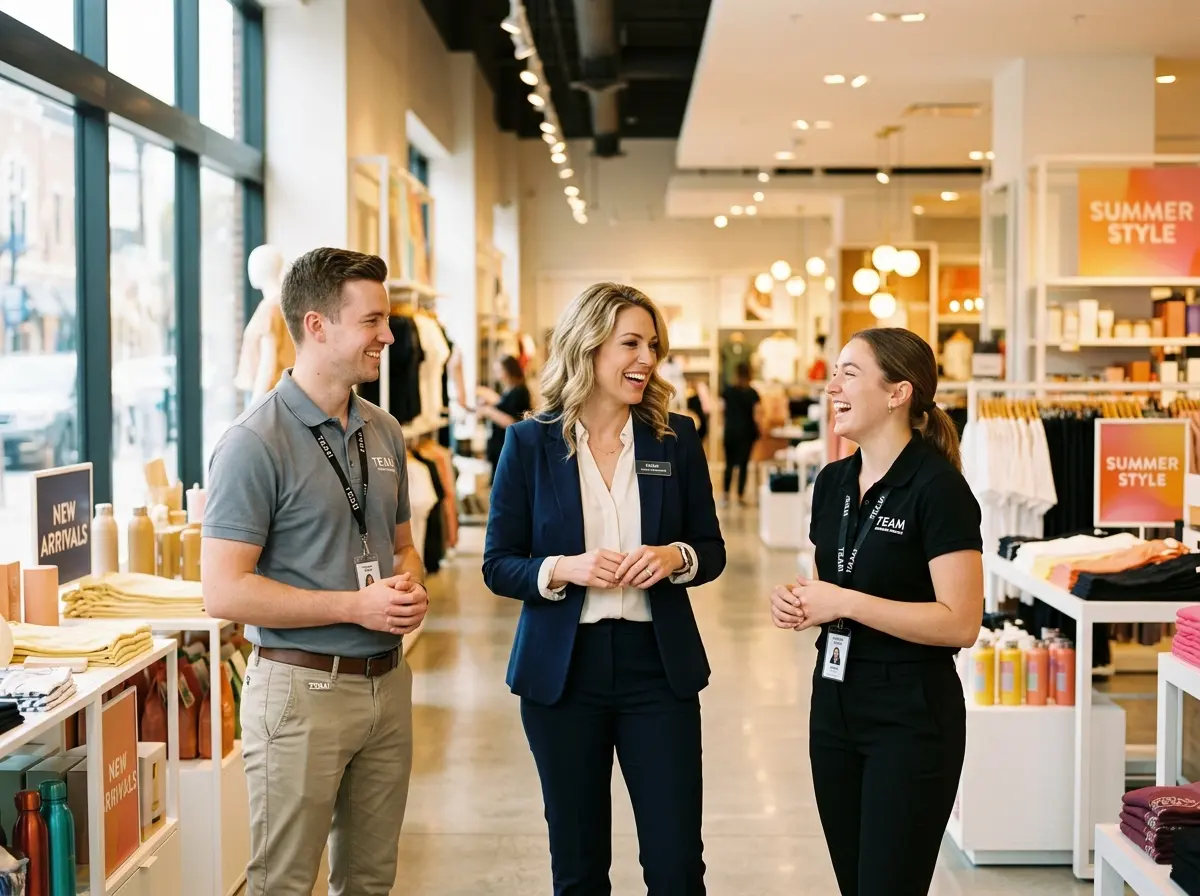
Personal styling isn't just for celebrities and people with assistants named "Gwendolyn." It's a genuine, high-demand service that boutique owners are increasingly offering to differentiate themselves from the big-box retailers and endless scroll of e-commerce. And the best part? You probably already have everything you need to offer it. You have the inventory, the eye for style, and — most importantly — the knowledge of your products that no algorithm can replicate.
This post breaks down how to build a personal styling service from the ground up, price it with confidence, market it without cringing, and set up the right systems to make it run smoothly. Let's get into it.
Building a Personal Styling Service That Actually Makes Sense
Define What You're Actually Offering
Before you slap "Personal Styling Available!" on a chalkboard sign, you need to get clear on what that means in your boutique. Personal styling services typically fall into a few buckets: in-store styling appointments, wardrobe consultations (sometimes done at the client's home), virtual styling sessions, and ongoing "style subscription" relationships where clients come to you first every season.
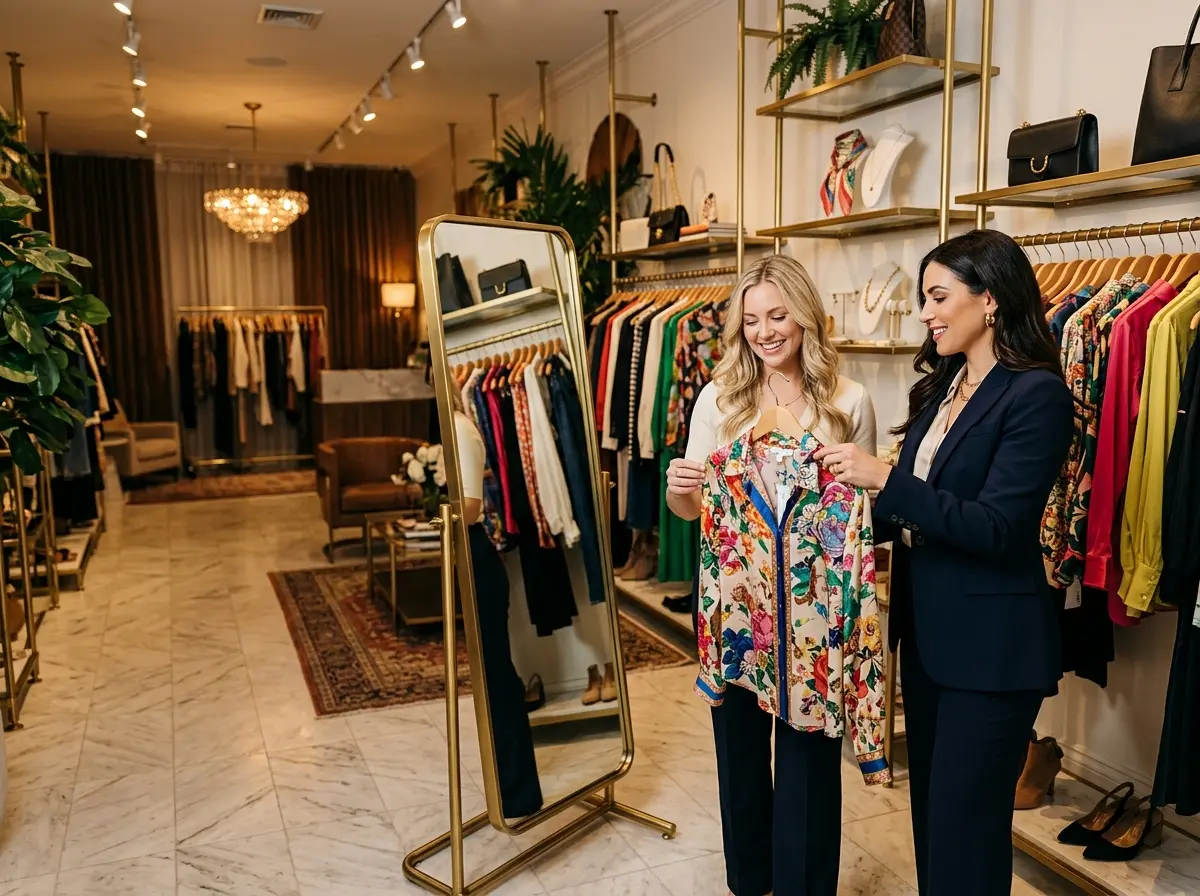
For most boutiques, the easiest place to start is the in-store styling appointment. A client books a dedicated block of time — usually 60 to 90 minutes — and you (or a trained team member) help them build a cohesive wardrobe from your current inventory. You ask questions about their lifestyle, their goals, what they hate about getting dressed in the morning (the list is usually long), and then you curate a selection of pieces specifically for them.
This isn't just a shopping trip with a friend. It's a structured service with a clear outcome, and clients should walk away with a plan — even if they don't purchase everything that day. The perception of value is just as important as the transaction itself.
Set Your Pricing — And Stick to It
Pricing a service feels uncomfortable for a lot of boutique owners who are used to selling tangible goods. But here's the thing: your time, expertise, and attention are worth money. In fact, according to IBISWorld, the personal styling industry generates over $1 billion annually in the U.S., and demand has grown significantly as consumers seek personalized experiences over generic retail.
A few common pricing structures to consider:
- Flat session fee: Charge $50–$150 for a styling appointment, regardless of purchase. This works well if you want to attract clients who are serious but budget-conscious.
- Fee credited toward purchase: Charge a session fee that gets applied to any purchase made during the appointment. This reduces the perceived risk for new clients and incentivizes buying.
- Package pricing: Offer a "style refresh" package — three appointments over a season, for example — at a bundled rate. This builds loyalty and repeat visits.
- Commission-based (internal): If a team member runs the styling sessions, consider structuring a small commission on sales made during their appointments. It motivates them and aligns incentives.
Whatever you choose, be consistent and communicate the value clearly. Don't apologize for charging for your expertise — you wouldn't expect a personal trainer to apologize for their session fees.
Train Your Team (Or Know Your Own Limits)
If you're a solo boutique owner, you may be doing the styling yourself — which is great, as long as you have the bandwidth. But if you have staff, investing in some basic styling training goes a long way. This doesn't mean sending everyone to fashion school. It means teaching them how to ask the right questions, how to listen without projecting their own taste, and how to build complete looks rather than just selling individual pieces.
Role-playing client scenarios, studying your inventory deeply, and learning basic body proportion principles are all great starting points. A confident, well-trained stylist on your floor can increase average transaction value dramatically — some boutiques report 2–3x higher cart sizes during styled appointments versus standard browsing.
How the Right Tools Keep Things Running Smoothly
Don't Let Logistics Undermine a Great Service
Here's where a lot of boutiques trip up: they create a beautiful service experience and then completely fumble the logistics. Appointment bookings get lost in DMs. Follow-up calls don't happen. Walk-in customers interrupt styling sessions because nobody at the front is managing the floor. It's chaotic, and it makes your polished new service look amateur.
This is where having the right support in place makes all the difference — and where Stella, the AI robot employee and phone receptionist, becomes genuinely useful for boutique owners. Stella can stand inside your store and greet walk-in customers proactively, answering their questions about services, current promotions, and availability — so your staff can stay focused on the client sitting in the styling chair. On the phone side, she answers calls 24/7, can explain your styling service offerings, collect appointment information through conversational intake forms, and even forward calls to a human when needed. No missed calls, no missed opportunities, and no stylist getting pulled away mid-appointment to answer "do you carry wide-width shoes?"
Stella's built-in CRM also lets you keep detailed notes on each client — their style preferences, past purchases, sizes, and more — so every follow-up feels personal and every future appointment starts one step ahead.
Marketing Your Styling Service Without Feeling Like a Used Car Salesman
Lead With the Problem, Not the Service
Nobody wakes up and thinks, "I really need a personal styling appointment." But they absolutely think, "I have nothing to wear to this event," or "I hate how I look in photos," or "I've gained weight and nothing fits right and I don't know where to start." Your marketing should speak to those feelings — not lead with a service name and a price point.
Use your social media, email list, and in-store signage to speak directly to those pain points. Share before-and-after stories (with permission, of course). Post short videos of you pulling together a complete outfit and explaining why it works. Invite your audience into the process. People buy from people they trust, and trust is built through consistent, genuine content — not promotional graphics with a coupon code slapped on them.
Use Your Existing Customers as Your Best Marketing Channel
Your current customer base is already sold on your boutique. They just need a reason to come back more often and spend more when they do. Consider offering your styling service as an exclusive perk for loyal customers first — a soft launch that builds word-of-mouth before you open it to the general public.
A personalized email or handwritten note to your top 20 clients, inviting them to try your new styling service at a "founding client" rate, can fill your first month of appointments without a single paid ad. After those appointments, ask for testimonials, referrals, and reviews. Let your happy clients do the heavy lifting. Gift cards for styling sessions also make excellent presents — and they bring new faces into your store who've already been pre-sold on the experience by someone they trust.
Leverage Seasonal Moments and Local Partnerships
Personal styling sells especially well around high-stakes wardrobe moments: back-to-school, the holiday party season, spring refresh, wedding guest season, and major life transitions like new jobs or post-pregnancy wardrobe rebuilds. Build your marketing calendar around these moments and you'll have a natural rhythm to your promotions throughout the year.
Don't overlook local partnerships, either. Connect with wedding planners, real estate agents (who often need to look polished on short notice), corporate offices, photographers, and event venues. A referral relationship with a local wedding photographer who recommends your styling service to every bride and bridal party could keep your appointment calendar full for months. Offer a small referral incentive and make it easy for partners to send people your way.
Quick Reminder About Stella
Stella is an AI robot employee and phone receptionist built for businesses like yours — she works on the floor of your boutique as a human-sized kiosk, engaging customers and answering questions, while also handling your incoming calls 24/7 as a fully capable AI receptionist. She's available for just $99/month with no upfront hardware costs, and she's ready to promote your new styling service from day one — in person and over the phone.
Your Next Steps Toward a Styling-Forward Boutique
Adding personal styling to your boutique isn't an overnight transformation, but it's also not as complicated as it might feel right now. The foundation is simple: define a clear service, price it fairly, train your team, market to real human emotions, and set up the systems that keep it running without chaos.
Here's a practical checklist to get you started this week:
- Define your first styling package — pick one format, one price point, and one target client profile to start.
- Block out appointment slots in your schedule and decide how many you can realistically handle per week.
- Write a short email to your top customers introducing the service — keep it personal and conversational.
- Set up a simple intake process — even a short questionnaire clients fill out before their appointment helps you personalize the experience.
- Train your team on how to talk about the service, how to handle walk-ins during appointments, and how to follow up afterward.
- Identify two or three local partners you could approach about a referral relationship this month.
The clothing boutique owners who will thrive over the next decade aren't just selling clothes — they're selling experiences, relationships, and outcomes. Personal styling is one of the clearest, most accessible ways to make that shift. Your customers don't just want something new to wear. They want to feel like someone who has their whole look figured out. You can be the person who helps them get there — and charge appropriately for it.
Now go book your first appointment. That chalkboard sign isn't going to write itself.