So, Someone Left You a Bad Review. Now What?
You've poured your heart, your savings, and probably a few years off your life into building your business. Then one fine Tuesday morning, you grab your coffee, open your phone, and there it is — a one-star review from someone who apparently expected a five-star hotel experience at your sandwich shop. Breathe. Step away from the keyboard. Do not type what you're currently thinking.
Negative online reviews are an unavoidable part of running a business in the digital age. According to BrightLocal, 98% of consumers read online reviews for local businesses, and a single negative review — especially one that goes unanswered — can influence purchasing decisions more than you'd like to admit. But here's the thing: how you respond to a bad review often matters more than the review itself. A thoughtful, professional response can actually build trust with potential customers who are watching how you handle criticism. Yes, really.
This guide will walk you through the art of handling negative reviews with grace, strategy, and just enough composure to keep both your cool and your customer base intact.
Understanding the Anatomy of a Negative Review
Not All Bad Reviews Are Created Equal
Before you craft a response, it helps to understand what kind of review you're actually dealing with. There's a meaningful difference between a legitimate complaint from a genuinely disappointed customer, a misunderstanding that spiraled out of control, and the rare bad-faith review from someone who just woke up angry at the universe. Each one deserves a different approach.
Legitimate complaints are your most valuable feedback. A customer who waited 45 minutes for their order, received the wrong item, or felt ignored by staff is telling you something real — and fixable. These reviews sting the most, but they're actually doing you a favor. Misunderstanding-based reviews often arise from unclear communication around policies, pricing, or expectations, and a calm, clarifying response can do wonders. Then there are the outliers: vague, rambling one-stars with no specific complaint. These are harder to respond to but still deserve a professional reply.
The Emotional Trap (And How to Avoid It)
Here's where most business owners go wrong. You read the review, your blood pressure spikes, and your fingers start flying. It feels deeply personal because it is personal — this is your business, your team, your effort. But responding emotionally is the fastest way to turn a private grievance into a public relations disaster. Screenshots are forever, and "going viral for the wrong reasons" is not a marketing strategy.
Give yourself a mandatory cooling-off period before responding to any negative review. An hour works. A night is even better. If you have a trusted manager or colleague, have them read your draft before you post it. Their outside perspective can save you from a response you'll regret. The goal is to sound like the reasonable adult in the room — because online, everyone else is watching.
Recognizing Fake or Malicious Reviews
Sometimes a review is clearly fabricated — maybe from a competitor, a disgruntled former employee, or someone who has never set foot in your business. Most platforms, including Google and Yelp, have a process for flagging and disputing reviews that violate their policies. Document your case clearly, report through the appropriate channels, and post a polite public response in the meantime noting that you have no record of the interaction and inviting them to contact you directly. Stay professional. The audience you're really writing for is every future customer reading that thread.
Crafting a Response That Actually Helps
The Formula for a Great Response
A strong response to a negative review follows a simple but effective structure: acknowledge, apologize (where appropriate), act, and invite. Start by thanking the reviewer for their feedback — yes, even if it stings. Then acknowledge their experience without being defensive. If something genuinely went wrong on your end, offer a sincere apology. Outline what you're doing to address the issue, even briefly. Finally, invite them to continue the conversation offline so you can make it right.
What you want to avoid is the copy-paste corporate non-apology that starts with "We're sorry you feel that way." That phrase communicates exactly nothing and tends to make things worse. Be specific, be human, and be brief. A response that runs five paragraphs long looks defensive. Two to four sentences, well-chosen, is usually enough.
Turning a Critic Into a Customer (It Happens More Than You Think)
Studies show that up to 33% of negative reviewers will update or delete their review if the business responds and resolves their issue. That's not a small number. A customer who felt heard and had their problem solved often becomes one of your most loyal advocates — because you proved that you actually care. Follow up privately when you can, offer a genuine remedy where appropriate, and don't underestimate the power of a simple, human apology delivered with sincerity.
How Stella Can Help Prevent Problems Before They Become Reviews
A lot of negative reviews aren't really about the product or service — they're about the experience. Feeling ignored, waiting too long for answers, or getting inconsistent information are among the most common complaints. That's where Stella, the AI robot employee and phone receptionist, quietly does some heavy lifting for your business.
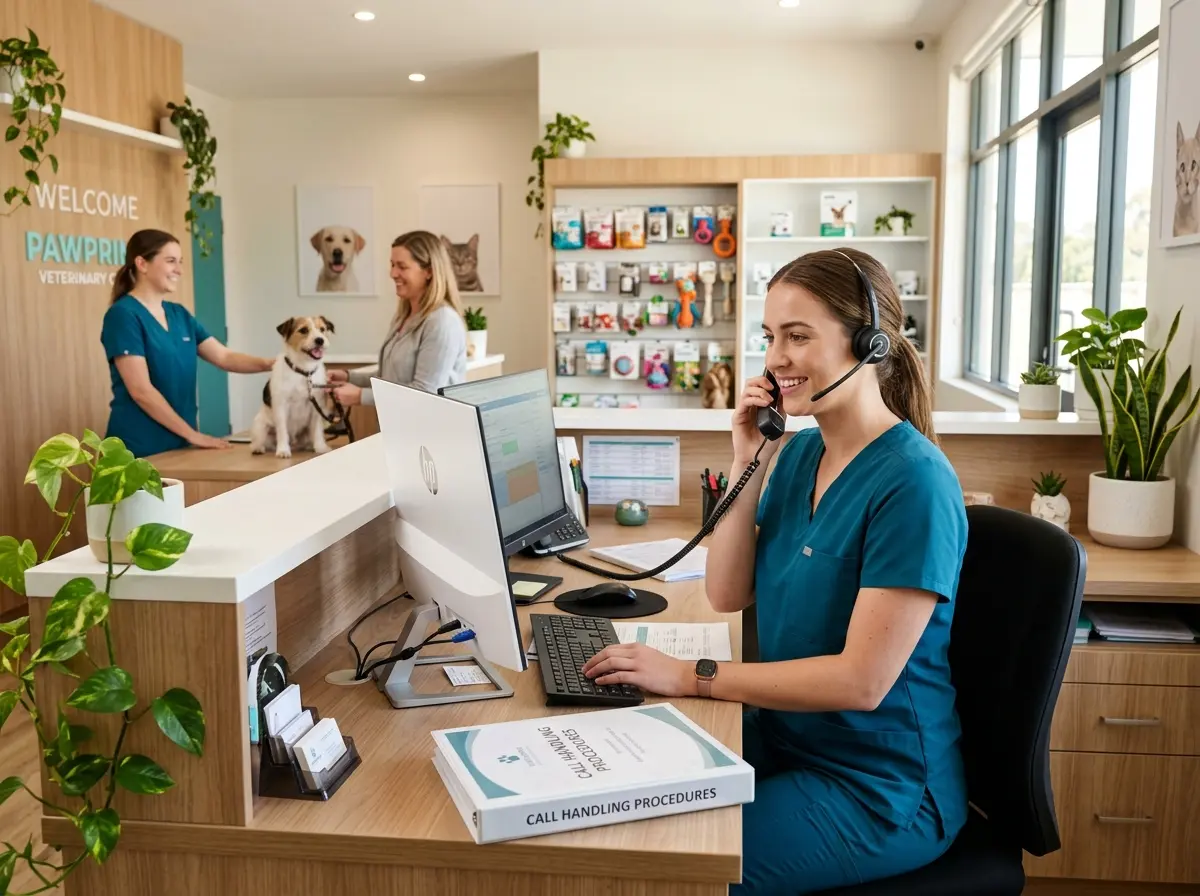
For businesses with a physical location, Stella greets every customer who walks through the door, proactively engages them, answers questions about products, services, hours, and policies, and promotes current deals — all without making anyone feel like they're bothering a busy staff member. On the phone side, she answers calls 24/7 with the same business knowledge she uses in person, handles intake, and routes calls to human staff when needed. Fewer unanswered calls, fewer frustrated customers left in the dark, and fewer reviews that start with "I couldn't get anyone to help me."
Consistent, attentive service is the single best review management strategy there is — because it means fewer bad experiences to respond to in the first place.
Building a Proactive Review Strategy
The Best Defense Is a Good Offense
The most effective way to manage your online reputation isn't damage control — it's volume. When your business has hundreds of positive reviews, a single one-star complaint carries far less weight. According to Podium, 77% of consumers say they regularly read reviews when browsing local businesses, but they're also looking at overall patterns, not just the worst thing they can find.
Build a habit of asking satisfied customers to leave a review. This doesn't have to be pushy. A simple, genuine request at the right moment — after a great appointment, a successful service, a completed purchase — goes a long way. Train your staff to mention it naturally. Include a review link in follow-up emails or receipts. The customers who had a great experience are often just waiting to be asked.
Monitor Your Reputation Like It's a Business Asset (Because It Is)
Set up Google Alerts for your business name, and check your profiles on Google, Yelp, TripAdvisor, Facebook, and any industry-specific platforms regularly. Don't wait for a review to find you — go find the reviews first. Responding promptly signals to both reviewers and potential customers that you're engaged and that you take feedback seriously. Platforms like Google also reward businesses that respond to reviews with better visibility in local search results, so there's an SEO argument for staying on top of it too.
Create an Internal Process So Nothing Slips Through
If you have a team, assign someone the responsibility of monitoring and responding to reviews on a regular schedule. Create a simple response guide with approved language, escalation paths for serious complaints, and clear guidelines on what can and cannot be offered as a remedy. Consistency matters — customers who read multiple reviews will notice if your responses feel authentic and personal versus templated and hollow. Your reputation management process should be as intentional as any other part of your operations.
A Quick Reminder About Stella
Stella is an AI robot employee and phone receptionist that works in-store as a friendly, human-sized kiosk and answers phone calls 24/7 for any type of business. She greets customers, answers questions, promotes deals, collects customer information, and manages contacts through a built-in CRM — all for just $99 a month with no upfront hardware costs. She's the kind of employee who never calls in sick, never gets flustered, and never leaves a customer waiting without a helpful answer.
Final Thoughts: Your Reviews Are Your Reputation, So Own Them
Negative reviews aren't the end of the world — but ignoring them might be. The business owners who come out ahead are the ones who take feedback seriously, respond with professionalism and genuine care, and use criticism as fuel for improvement rather than a source of resentment. Your online reputation is a living thing that you actively shape, one response at a time.
Here's your action plan to get started:
- Audit your current reviews across all major platforms and identify any unanswered negative reviews that need a response today.
- Create a review response template using the acknowledge-apologize-act-invite framework, then personalize it for each reply.
- Set up a review monitoring system so you're notified as soon as new feedback is posted.
- Build a "ask for reviews" habit into your customer interactions to keep positive volume growing.
- Address internal service gaps — because the best review strategy is delivering experiences worth five stars.
You've built something worth defending. Defend it with professionalism, consistency, and the kind of customer experience that turns one-star moments into five-star second chances.