So You Want to Be the Vet Who Makes House Calls
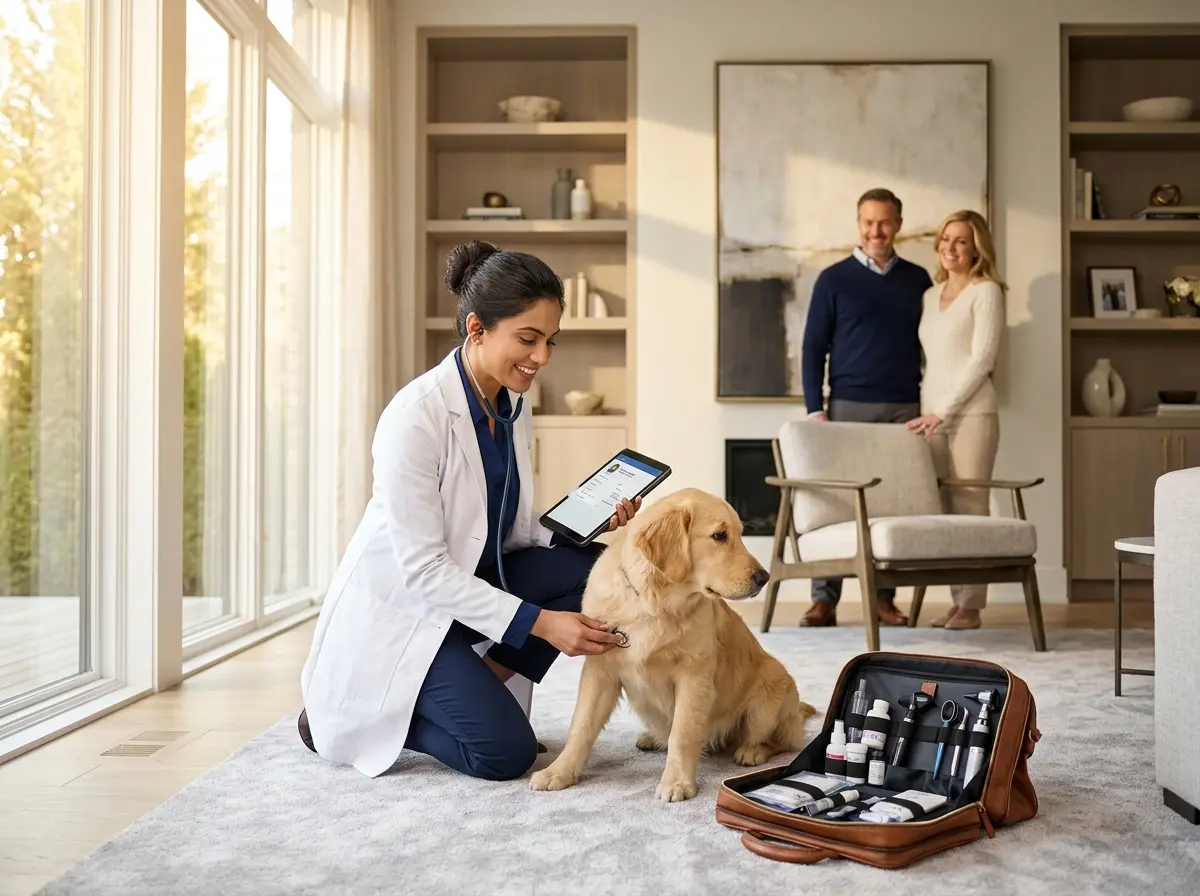
Let's be honest — most pet owners would happily pay extra to avoid wrestling their anxious 80-pound Labrador into a car, sitting in a waiting room next to a hissing cat, and spending 45 minutes stressed out before the appointment even starts. And most veterinarians, if they're being equally honest, have thought about home visit programs at least once and then quietly shelved the idea because... where do you even begin?
Here's the thing: home visit veterinary services are one of the fastest-growing segments in the pet care industry, with the global mobile veterinary services market projected to grow significantly over the next decade. Pet owners are increasingly willing to pay a substantial premium for convenience, reduced pet stress, and personalized care delivered right at their door. We're not talking a 10% markup. We're talking 2x to 3x your standard in-clinic pricing — and clients who actually feel good about paying it.
This guide walks you through exactly how to build a home visit program that positions your practice as a premium service provider, prices it confidently, and runs it without turning your existing operation into chaos.
Building the Foundation of Your Home Visit Program
Define Your Service Area and Scope — Before You Do Anything Else
The single biggest mistake veterinary practices make when launching a home visit program is being too vague about what they're offering and where. Trying to serve everyone everywhere is a fast track to burnout and an empty bank account. Start by drawing a realistic service radius — typically 10 to 20 miles from your clinic, depending on your market and population density. Factor in drive time honestly. An hour each way for a 30-minute wellness visit is a scheduling nightmare hiding in plain sight.
Next, define your service scope clearly. Home visits work beautifully for wellness exams, vaccinations, end-of-life care, post-surgical follow-ups, behavioral consultations, and palliative care. They work considerably less well for anything requiring advanced diagnostics, surgical intervention, or emergency response. Set those boundaries clearly in your marketing, your intake forms, and your client conversations — and stick to them.
Build a Tiered Service Menu That Justifies Premium Pricing
Premium pricing doesn't come from simply charging more for the same thing. It comes from packaging your services in a way that communicates elevated value. Consider building three tiers:
- Standard Home Visit: Annual wellness exam, vaccinations, and basic health assessment. Price this at 1.5x to 2x your in-clinic equivalent, plus a flat travel fee.
- Comfort Care Package: Extended 60-minute appointment for multi-pet households, senior pet assessments, or post-op follow-ups. Include a written health summary emailed to the client. Price accordingly — and higher.
- Concierge Membership: Monthly or annual subscription that includes scheduled visits, priority booking, discounted services, and direct phone access to your team. This tier commands serious loyalty and predictable revenue.
The key is that each tier should feel like an upgrade in experience, not just an upgrade in cost. Handwritten follow-up notes, same-day summaries, and a consistently warm and unhurried experience go a long way toward making clients feel the price is entirely reasonable.
Equip Your Team (and Your Vehicle) for the Job
A mobile vet practice that shows up unprepared is a mobile vet practice that doesn't get referrals. Invest in a well-organized mobile kit that covers your defined service scope. A clean, branded vehicle — even if it's just a branded magnet on a reliable SUV — signals professionalism immediately. Create standardized checklists for restocking supplies after each visit. Train your team on time management for mobile appointments, because running late in someone's home is far more awkward than running late in a waiting room. And please, for everyone's sake, have a portable credit card reader that works reliably. Nothing deflates a premium experience faster than fumbling with a payment system at someone's kitchen table.
Streamlining Operations So the Program Doesn't Eat You Alive
Automate Your Intake and Scheduling Workflow
Home visit programs live and die by their administrative efficiency. Every minute your staff spends on the phone collecting patient history, confirming addresses, or explaining service options is a minute not spent on actual veterinary care. This is precisely where Stella becomes genuinely useful for a practice like yours. Stella can handle incoming phone inquiries about your home visit program 24/7 — answering questions about service areas, pricing tiers, what to expect, and how to book — without pulling your front desk staff away from in-clinic patients. Her built-in CRM and conversational intake forms mean new home visit clients can provide pet information, address details, and health histories before you ever make the first call. The result is a smoother first impression and a more organized mobile team.
Set Scheduling Rules That Protect Your Margins
Profitability in a home visit program is all about density — fitting multiple visits into the same geographic area on the same day rather than bouncing across town randomly. Use scheduling software that lets you block visit zones by day of the week. Tuesdays might be the north side of your service area; Thursdays the south. Clients get convenient same-neighborhood service windows, and you stop burning profit on windshield time. Build in realistic buffer time between appointments, and charge appropriately for last-minute or off-zone bookings. Your time is the premium product here — price it like it is.
Marketing a Premium Home Visit Program Without Sounding Desperate
Let Your Existing Clients Do the Heavy Lifting
Your warmest audience is already sitting in your waiting room — or would be, if they weren't so relieved to be getting a home visit instead. Before you spend a dime on external marketing, launch your program to current clients first. A personal email from the veterinarian explaining the new service, why it exists, and what it costs is remarkably effective. Make it warm, specific, and honest. Tell them you're starting with limited availability. Scarcity is not manipulation when it's true, and in the early stages of a home visit program, it almost always is.
Encourage reviews and testimonials from early participants, particularly around the stress-reduction angle for anxious pets and elderly animals. These testimonials are marketing gold for the exact audience you're trying to reach — devoted pet owners who've been quietly dreading clinic visits for years.
Position the Service Around Outcomes, Not Features
Nobody gets emotionally moved by "mobile veterinary examination with travel fee included." They do get moved by "your senior dog gets a full health check in the place where she's most relaxed, without a stressful car ride or a crowded waiting room." Lead with that story in your social media, your website copy, and your direct outreach. Show before-and-after photos of relaxed pets at home versus the classic wide-eyed terror face in a clinic carrier. Partner with local pet groomers, dog walkers, and pet sitters who serve the same affluent, pet-devoted clientele you're targeting. These referral relationships are often worth more than paid advertising.
Price With Confidence — And Stop Apologizing for It
Here's a hard truth: if you feel awkward quoting your home visit pricing, clients will feel awkward hearing it. Premium pricing requires conviction. Know your numbers — travel costs, time per visit, supply costs, opportunity cost compared to in-clinic volume — and set prices that reflect them. Then quote those prices clearly, without flinching, without over-explaining, and definitely without spontaneously offering discounts before anyone even asks. The clients who are right for your program will not blink. The ones who balk were probably not going to be your best long-term clients anyway.
Quick Reminder About Stella
Stella is an AI robot employee and phone receptionist that works for your business 24/7 — answering calls, greeting visitors at your clinic kiosk, collecting client information, and promoting your services without ever taking a sick day or a coffee break. For a veterinary practice building a premium home visit program, she's a low-cost way to make sure your front-end client experience matches the high-end service you're delivering in the field. At $99/month, she's considerably cheaper than a missed booking.
Your Next Steps Start This Week
Building a home visit program that commands premium pricing isn't complicated — but it does require intentionality at every step. Start by defining your service area and scope tightly, then build a tiered menu that tells a clear value story. Invest in your mobile setup, automate your intake process so your team isn't drowning in admin, and schedule with geographic density in mind to protect your margins.
On the marketing side, start with your existing clients, lean on testimonials, and position everything around the emotional outcomes that matter to devoted pet owners. And when it comes time to quote your pricing, do it with the confidence of someone who has done the math and knows the value they're delivering — because you will have done exactly that.
The veterinary practices winning in this space aren't the ones with the fanciest vans or the biggest marketing budgets. They're the ones who showed up consistently, communicated clearly, and made their clients feel like their pets were worth the extra care. That's a bar your practice can absolutely clear — probably starting sooner than you think.