The Tasting Went Great. So Why Didn't They Sign?
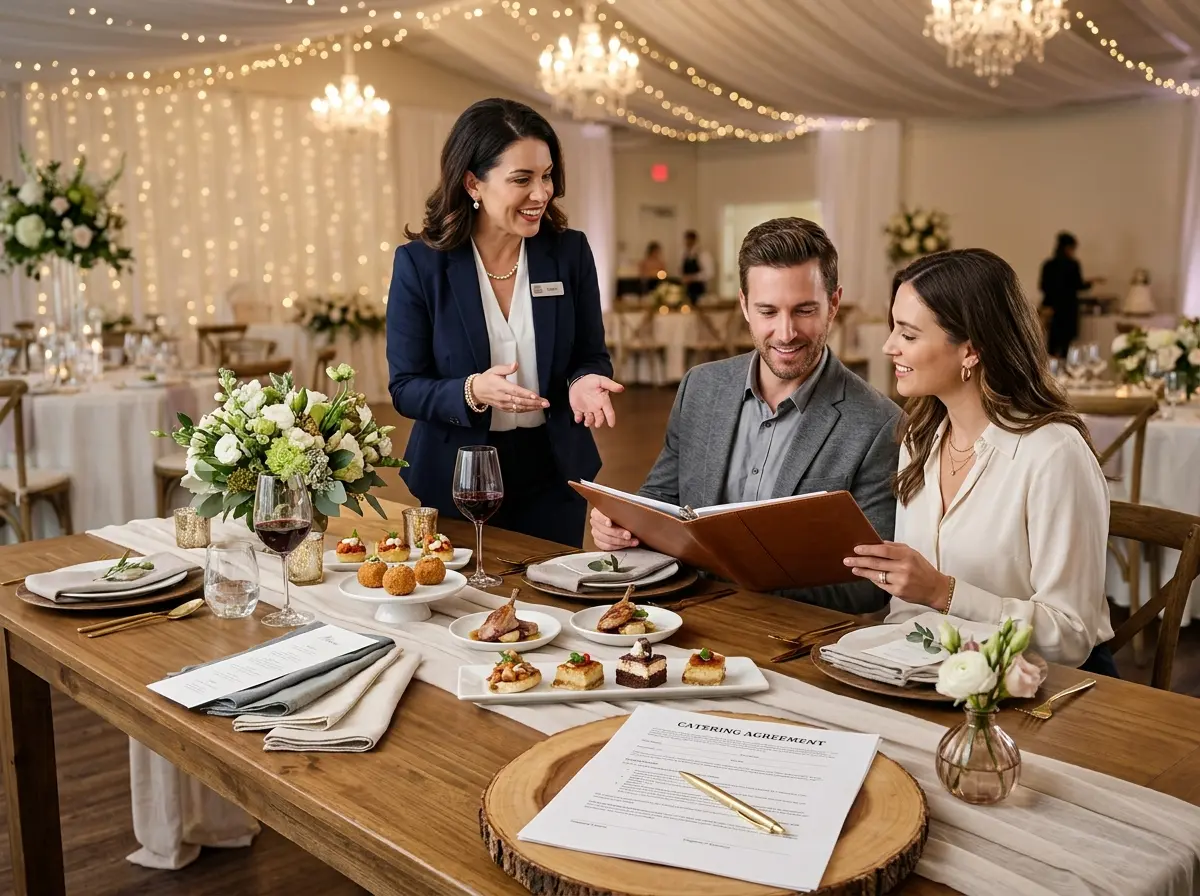
You spent three hours prepping mini quiches, artisan charcuterie boards, and those little chocolate lava cakes that never fail to impress. Your potential clients oohed and aahed. They asked for seconds. They took photos of the food. And then... silence. A week passes. Two weeks. You follow up twice and get a polite "we're still deciding." Meanwhile, your calendar has a very large, very empty Saturday in June that is starting to feel personal.
Here's the uncomfortable truth: a delicious tasting is only half the battle. The other half is a sales process — and most catering companies either don't have one or don't follow it consistently. According to industry estimates, catering companies convert tastings into contracts at rates anywhere from 40% to 70%, depending heavily on their follow-up strategy and how well they manage the post-tasting experience. That's a massive gap, and the difference usually isn't the food. It's the process.
This guide is for catering business owners who are tired of feeding people for free and wondering where it all went wrong. Let's fix that.
Building a Pre-Tasting Foundation That Sets You Up to Close
The tasting itself is not where the sale begins. By the time your potential client is tasting your stuffed mushrooms, the groundwork for a yes — or a no — has already been laid. Most caterers skip the pre-tasting strategy entirely and wonder why clients walk out the door without signing anything.
Qualify Your Leads Before They Eat Your Food
Not every inquiry deserves a full tasting. Harsh? Maybe. True? Absolutely. Before you invest time, ingredients, and energy into a tasting event, you need to know you're dealing with a serious prospect. That means having a brief discovery process — a phone call, an intake form, or even a short in-person conversation — that establishes the event date, budget range, guest count, and decision timeline.
If someone's "budget is flexible" but they flinch when you mention your per-head pricing, that's information you need before the tasting, not after. Build a simple intake form that captures the essentials, and don't be shy about using it. You're not being pushy — you're being professional.
Set Expectations and Create a Mini Agenda
When you confirm the tasting appointment, send a brief overview of what the experience will look like. Will you be presenting three menu options? Will you walk them through your service packages? Is there paperwork to review? Letting clients know in advance that you'll be discussing next steps removes the awkwardness of transitioning from "let's eat" to "let's sign." It also signals that you run a structured, professional operation — which is exactly what someone trusts with their wedding, corporate gala, or milestone birthday party.
A simple confirmation email with a bullet-point agenda goes a long way. It frames the tasting as a business meeting that happens to involve excellent food, rather than a free lunch with a sales pitch tacked on at the end.
Prepare a Tailored Proposal in Advance
Walk into every tasting with a draft proposal already prepared. It doesn't have to be finalized — it shouldn't be, because you'll want to adjust it based on the conversation — but having a real document with their name on it, a proposed menu, pricing estimates, and package options communicates serious intent. Clients who see a personalized proposal feel valued and are significantly more likely to move forward. It also gives you something tangible to leave behind or email that same evening, which segues perfectly into the next part of this guide.
How Smart Follow-Up Actually Works (And Why Yours Probably Doesn't)
Let's talk about the follow-up — the phase of the sales process where most catering companies quietly drop the ball while wondering why their conversion rates are underwhelming.
The 24-Hour Rule and What Comes After
The golden window for follow-up is within 24 hours of the tasting. Send a personalized email that references specific things discussed during the meeting — the bride's preference for passed appetizers, the corporate client's need for dietary accommodations, the couple's color scheme you mentioned tying into the dessert table. This level of detail shows you were listening, not just serving. Attach the refined proposal and include a clear, low-pressure call to action: "I've reserved your date tentatively for the next five business days — let me know if you'd like to move forward or have any questions."
After that initial email, a follow-up call or text on day three and a final check-in on day seven are entirely reasonable. More than that starts to feel desperate. Fewer than that and you're leaving money on the table. Create a simple follow-up sequence and stick to it every single time, for every single lead.
Handle Objections Like You Handle Your Menu — With Preparation
The most common objections in catering sales are price, comparison shopping, and decision-making by committee (read: the mother-in-law hasn't weighed in yet). Have a thoughtful, non-defensive response ready for each of these. On price, lean into your value — staff-to-guest ratios, quality of ingredients, years of experience, liability coverage, cleanup. On competition, acknowledge that shopping around is smart, but offer something that moves the timeline: a limited-time incentive, a locked-in date hold, or a complimentary add-on for contracts signed within the week. These aren't tricks; they're business tools.
Streamlining Your Intake and Communication Process
Even the best sales strategy falls apart when leads slip through the cracks because nobody answered the phone on a Tuesday afternoon or a follow-up email never went out. That's where operational consistency becomes just as important as the sales pitch itself.
Never Miss a Lead With the Right Support
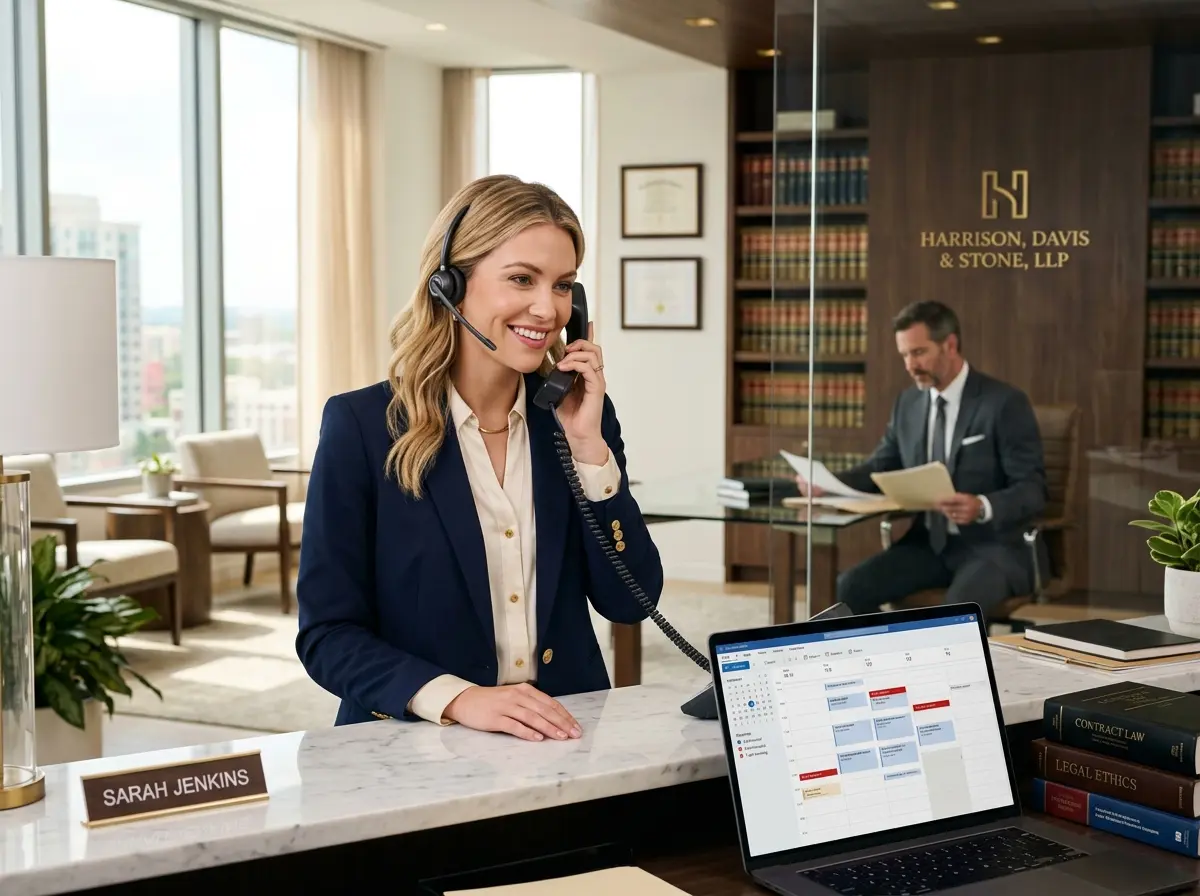
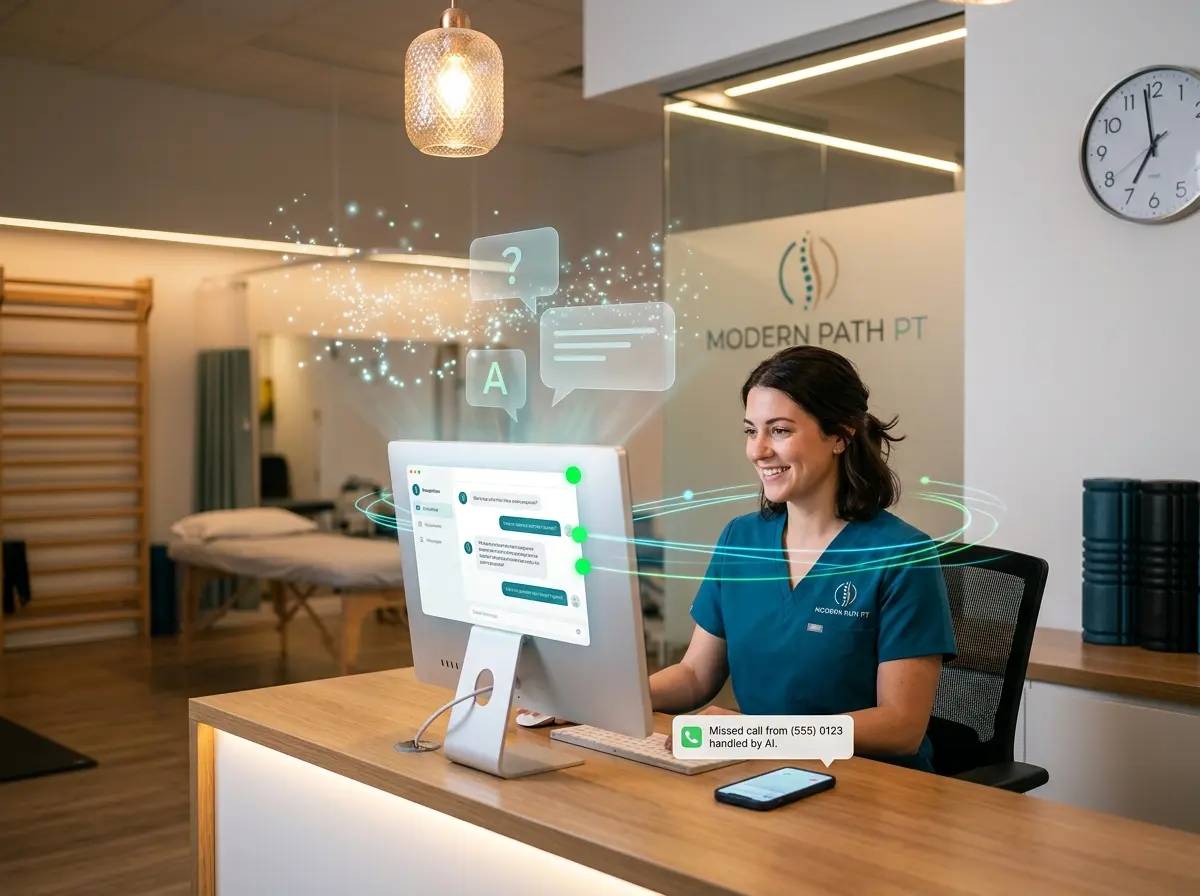
Stella, the AI robot employee and phone receptionist, is built for exactly this kind of operational gap. For catering companies with a physical showroom or tasting studio, Stella's in-store kiosk presence greets walk-in clients, answers questions about packages and availability, and can collect basic intake information right at the door — before a human staff member even gets involved. And because she answers phone calls 24/7, no inquiry goes unanswered just because your team is elbow-deep in prep work for Saturday's wedding.
Stella's built-in CRM, custom intake forms, and AI-generated client profiles mean that every lead who calls or visits gets logged, tagged, and summarized automatically — so when you sit down to do your follow-ups, you're not piecing together sticky notes. You're working from clean, organized data. At $99 a month, she costs less than one missed catering contract.
Closing the Deal Without Feeling Like a Used Car Salesman
Closing is the part that makes many small business owners squirm. Nobody got into catering because they love asking for money. But here's the reframe: closing is simply removing friction for a client who already wants to say yes. Your job in the final stages is to make it easy, not pushy.
Make the Contract Process Simple and Fast
If signing your contract requires printing, scanning, faxing (it's still out there), or navigating a confusing multi-step portal, you are creating entirely unnecessary barriers. Use an e-signature tool. Send a direct link. Make the deposit payment available online in one click. The fewer steps between "I want to book you" and "I just booked you," the better your conversion rate will be. Friction kills deals. Every extra step is a chance for doubt to creep in.
Use Social Proof to Seal the Deal
Testimonials, photos, and reviews are not just marketing tools — they are closing tools. Consider building a short "why our clients chose us" section into your proposal, or keeping a portfolio of past events on a tablet that you share during or after the tasting. A potential client who sees a hundred smiling faces at a beautifully catered reception starts to picture themselves in that photo. That emotional connection is what moves people from "we're thinking about it" to "where do we sign?" Ask every satisfied client for a review or a quote. Then actually use those reviews. They're doing more selling than your brochure ever will.
Create a Clear, Confident Closing Conversation
At the end of the tasting, don't drift into a vague "well, let us know what you decide." Summarize what was discussed, confirm you're sending the proposal that evening, state your date-hold policy, and ask directly: "Based on what you've seen today, does this feel like the right fit for your event?" That question invites a real response. It's not aggressive — it's respectful of everyone's time. If the answer is yes, hand them the contract. If the answer is "almost," you've just opened a productive conversation about what's holding them back.
Quick Reminder About Stella
Stella is an AI robot employee and phone receptionist designed to support businesses like yours — in person at your location and on the phone around the clock. She handles inquiries, collects lead information, manages your CRM, and makes sure no potential client ever gets sent to voicemail during a busy event weekend. At $99/month with no upfront hardware costs, she's a simple, affordable way to keep your front-of-house as polished as your food.
Your Next Steps Start Before the Next Tasting
Converting tastings into signed contracts isn't magic — it's a repeatable process. And like any good recipe, the results improve dramatically when you stop improvising and start following consistent steps. Here's where to start:
- Build a qualification intake form and use it for every new inquiry before scheduling a tasting.
- Prepare a draft proposal before every tasting so you're ready to leave something tangible behind.
- Set up a follow-up sequence — 24-hour email, day-three touchpoint, day-seven check-in — and stick to it.
- Simplify your contract and deposit process with e-signatures and online payments.
- Collect and actively use testimonials as part of your closing materials.
- End every tasting with a clear, direct question about next steps.
The catering industry is competitive, and clients have more options than ever. But the companies that win aren't always the ones with the best food — they're the ones with the best experience from first inquiry to signed contract. Tighten your process, follow up like you mean it, and stop leaving signed contracts on the table right next to the leftover lava cakes.