When "We'll Call You Back" Stops Being Good Enough
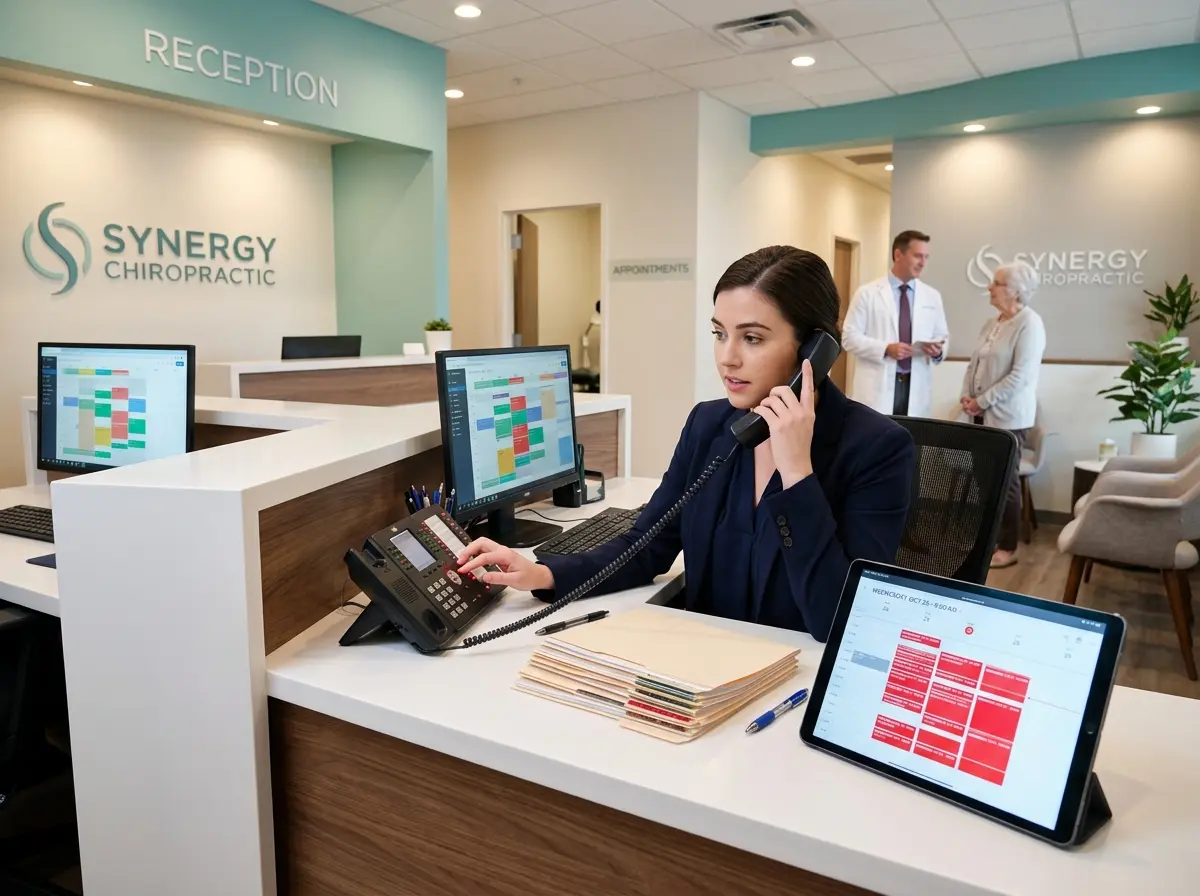
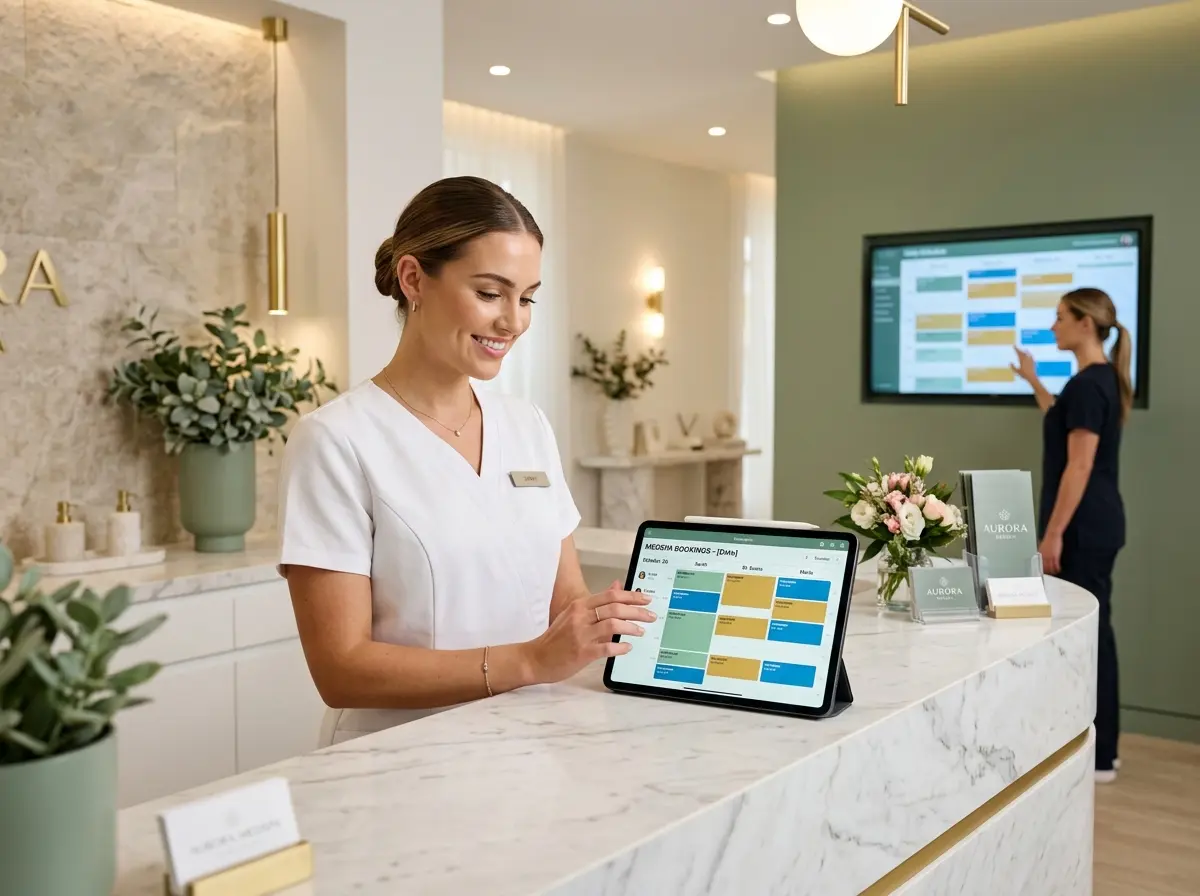
Picture this: It's a Tuesday afternoon at a busy medical spa. The front desk receptionist is simultaneously checking someone in, answering a question about a chemical peel, and watching three calls go to voicemail — all while a walk-in waits patiently (and then not so patiently) near the door. Sound familiar? If you're running a med spa, you already know that the booking process isn't just an administrative task. It's the first impression, the revenue gateway, and often the biggest bottleneck in your entire operation.
The good news? One forward-thinking medical spa decided they'd had enough of the chaos and made a change that saved them 15 hours of staff time per week. No, they didn't hire three more receptionists. They automated their booking system — intelligently. Here's how they did it, what they learned, and how you can do the same.
The Real Cost of Manual Booking at a Med Spa
Before we talk solutions, let's talk about the problem — because "we answer phones and schedule appointments" sounds simple until you actually break down what that involves at a high-volume spa. Manual booking isn't just time-consuming. It's expensive, error-prone, and quietly draining your team's energy every single day.
The Hidden Time Sink Nobody Talks About
Industry research suggests that the average medical spa staff member spends anywhere from 2 to 4 hours per day on scheduling-related tasks alone — answering calls, confirming appointments, handling rescheduling requests, and following up on no-shows. Multiply that across a team of three front desk employees, and you're looking at potentially 60+ hours per week consumed by booking logistics before a single treatment is delivered.
And that's not counting after-hours calls. Potential clients don't stop wanting Botox at 5 PM. They research, they decide, and they try to book — often in the evening when your staff is at home watching Netflix. Every missed call is a missed appointment, and every missed appointment is lost revenue. A single Botox consultation can represent $300–$800 in business. Letting those calls go to voicemail isn't just inconvenient. It's costly.
The Human Error Problem
Manual booking also introduces the very human tendency to make very human mistakes. Double bookings, misheard phone numbers, incorrect service notes, and forgotten follow-up calls are all part of the territory when your intake process depends entirely on a person who is also being asked to do fourteen other things simultaneously. One med spa reported that nearly 12% of their appointments had some form of intake error — wrong service booked, wrong time confirmed, or missing consultation notes — that required staff to spend additional time correcting before the appointment even happened.
Staff Burnout Is a Real Operational Risk
There's also the morale factor. Repetitive phone tasks are among the top contributors to front desk burnout in service-based businesses. When your best receptionist spends half her day answering the same five questions about laser hair removal pricing, she's not providing the kind of warm, personalized in-person experience that keeps clients coming back. You hired her for that, not to be a human FAQ page.
How Automation (and a Little AI) Changed Everything
This is where the med spa's transformation gets interesting — and where tools like Stella, the AI robot employee and phone receptionist, become genuinely relevant to spa owners. The spa in question implemented a combination of online booking software and AI-powered phone and in-person reception to handle the bulk of their intake and scheduling workflow.
AI That Handles Calls Before They Become Problems
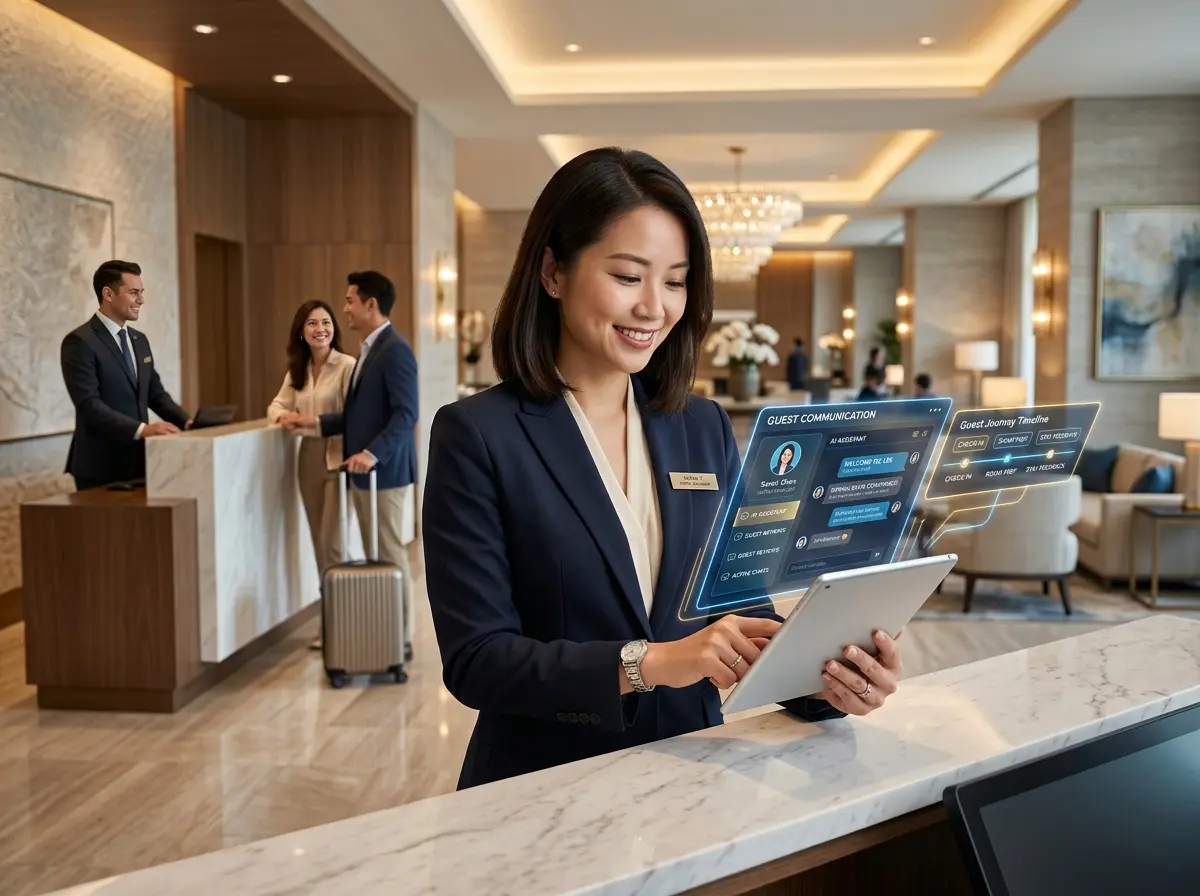
Stella answered incoming calls 24/7 — gathering client information, answering service questions, and collecting intake details through natural, conversational dialogue rather than a clunky phone tree. Her built-in CRM automatically logged client profiles, tagged preferences, and generated AI summaries of each interaction, so when a human staff member did get involved, they already had the full picture. No more "let me pull up your file" followed by three minutes of silence. The spa also used Stella's in-store kiosk presence to greet walk-ins, answer common questions at the front of the spa, and promote current specials — freeing the front desk to focus on checked-in clients rather than fielding questions from people who just walked through the door.
The Booking System Stack That Actually Worked
Automation without the right structure is just chaos with a tech upgrade. The med spa didn't just flip a switch — they rebuilt their intake and booking workflow from the ground up with a few key principles in mind.
Start With Your Intake Process, Not Your Calendar
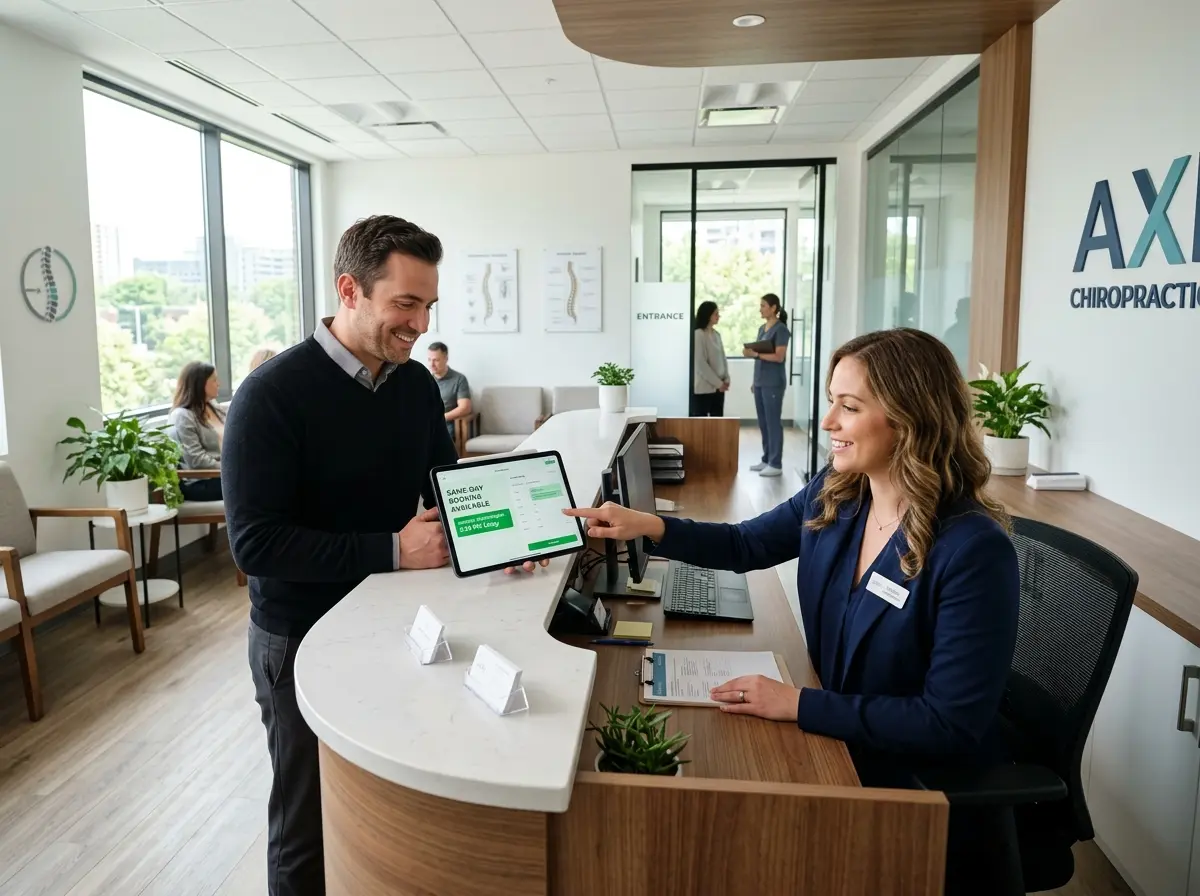
Most spas make the mistake of automating the calendar first and forgetting that what happens before the appointment is booked is equally important. The spa started by mapping every question a new client typically asked before booking — service details, contraindications, pricing, consultation requirements — and made sure those answers were available automatically, whether through their website, their AI phone system, or their in-store kiosk. This reduced pre-booking phone calls by over 40% in the first month alone.
Once the intake process was clean, they connected it to their booking platform so that by the time a client actually picked a time slot, the system already had their name, contact information, service interest, and any relevant health notes — all collected conversationally without a single staff member involved.
Automate the Follow-Up, Not Just the Booking
Booking the appointment is only half the battle. No-show rates at medical spas average around 10–20%, which is a significant chunk of daily revenue just evaporating. The spa implemented automated appointment reminders via text and email at 48 hours and 24 hours before each appointment, along with an easy one-tap rescheduling option. No-show rates dropped by nearly half. That alone justified the entire automation investment within the first quarter.
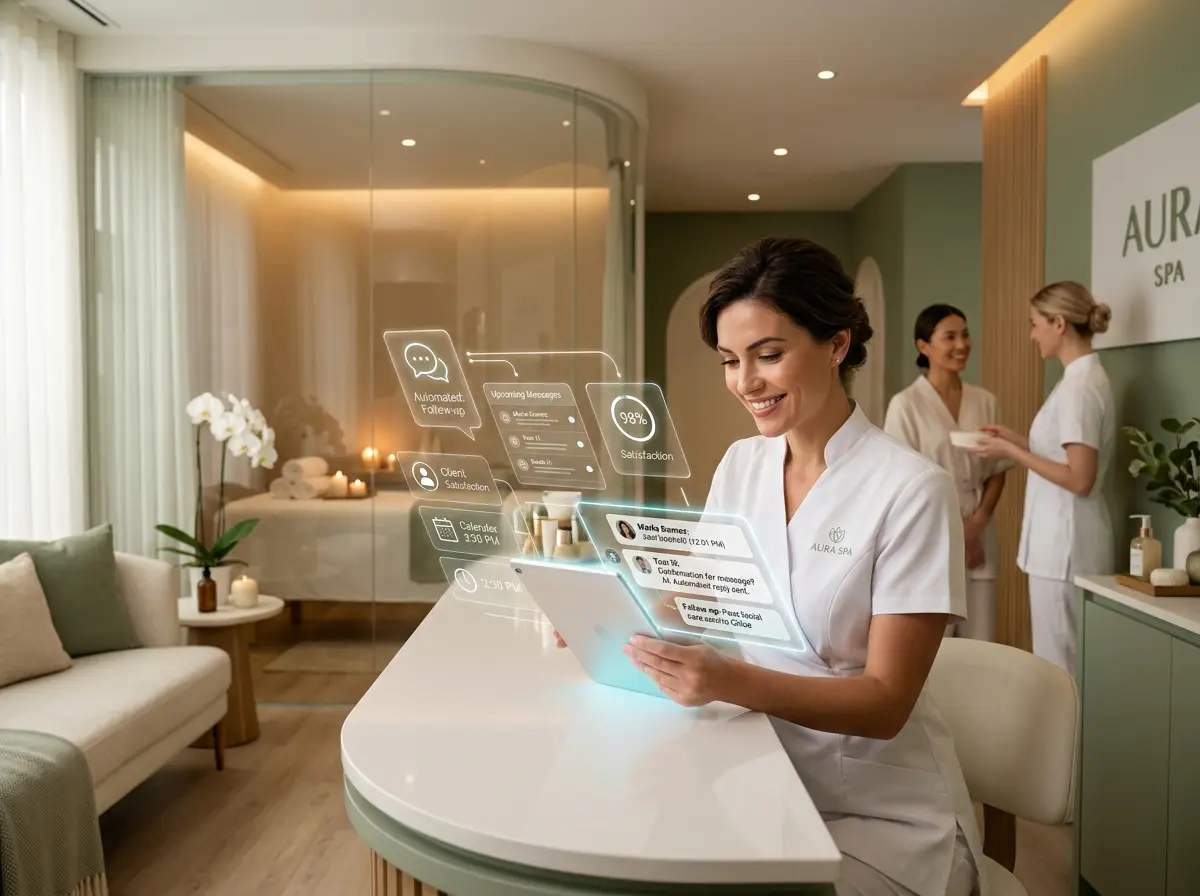
They also set up automated post-appointment follow-ups — a simple message asking about the client's experience and nudging them toward their next visit or a relevant add-on treatment. It felt personal, but it ran on its own. That's the magic of a well-designed automated workflow: it feels attentive without requiring constant human attention.
Don't Automate Away Your Personality
Here's the thing about medical spas: people come to you for a feeling as much as a result. Automation should enhance that experience, not sanitize it. The most successful implementations the spa made were the ones that kept the brand voice intact — warm, professional, and a little luxurious — even in automated messages. Generic, robotic confirmation emails were replaced with on-brand copy. AI phone responses were configured to reflect the spa's tone. The goal was that clients wouldn't feel like they were interacting with a machine. They'd just feel like the spa was incredibly well-organized and always available.
Quick Reminder About Stella
Stella is an AI robot employee and phone receptionist designed for businesses exactly like yours. She greets walk-in clients, answers calls around the clock, collects intake information, promotes your services, and keeps your CRM up to date — all for $99/month with no hardware costs upfront. Whether you're running a medical spa, a salon, or any service-based business, she's the front desk team member who never calls in sick.
Your Next Steps Toward 15 Hours Back Per Week
The med spa's story isn't a fluke — it's a repeatable result that comes from making intentional, strategic decisions about where human time is best spent and where automation can do the heavy lifting. If you're ready to stop losing hours (and revenue) to manual booking chaos, here's where to start.
First, audit your current workflow. For one full week, track every minute your staff spends on scheduling-related tasks — calls, confirmations, rescheduling, intake corrections, and follow-ups. The number will probably surprise you, and it will immediately clarify where automation would have the biggest impact.
Second, implement booking automation with proper intake capture. Choose a platform that doesn't just show a calendar but collects client information conversationally and syncs it to your records. If you're handling significant call volume, layer in an AI phone receptionist so after-hours inquiries never go unanswered again.
Third, automate your follow-up sequence. Reminders, post-visit check-ins, and rebooking nudges should all run automatically. Set them up once, refine the copy over time, and let the system do the work while your team focuses on delivering exceptional treatments.
Finally, measure what changes. Track no-show rates, booking conversion rates, after-hours booking volume, and staff time on administrative tasks. These numbers tell you exactly what your automation is worth — and usually, the ROI is far more compelling than the cost.
Fifteen hours a week is nearly two full business days. That's time your team could spend on client care, training, marketing, or simply not being completely exhausted by noon. The technology to reclaim those hours exists, it works, and it's more accessible than ever. The only question is how much longer you're willing to let the phone eat your afternoon.