While You're Waiting... So Is Your Revenue
Let's be honest: nobody enjoys waiting. Whether it's at the dentist, the auto shop, a law office, or a med spa, the waiting room experience has historically ranked somewhere between "mildly tolerable" and "I should've brought a book." Patients and clients sit there, scrolling through their phones, staring at a potted plant, or reading a magazine from 2019. Meanwhile, you — the business owner — are leaving a significant marketing opportunity completely untouched.
Here's the thing: your waiting room isn't dead space. It's a captive audience. And captive audiences, when engaged properly, convert. Research suggests that the average patient spends 13 to 23 minutes in a waiting room before being seen. That's not lost time — that's your window. What your clients see, hear, and experience while they wait shapes how they feel about your practice, what services they inquire about, and whether they come back (and bring friends).
So let's talk about how to stop wasting that real estate and start turning it into a revenue-generating, brand-building, client-retaining machine. Yes, even before they've said a word to anyone on your staff.
Designing a Waiting Room That Works for You
First Impressions Are Formed Before You Say Hello
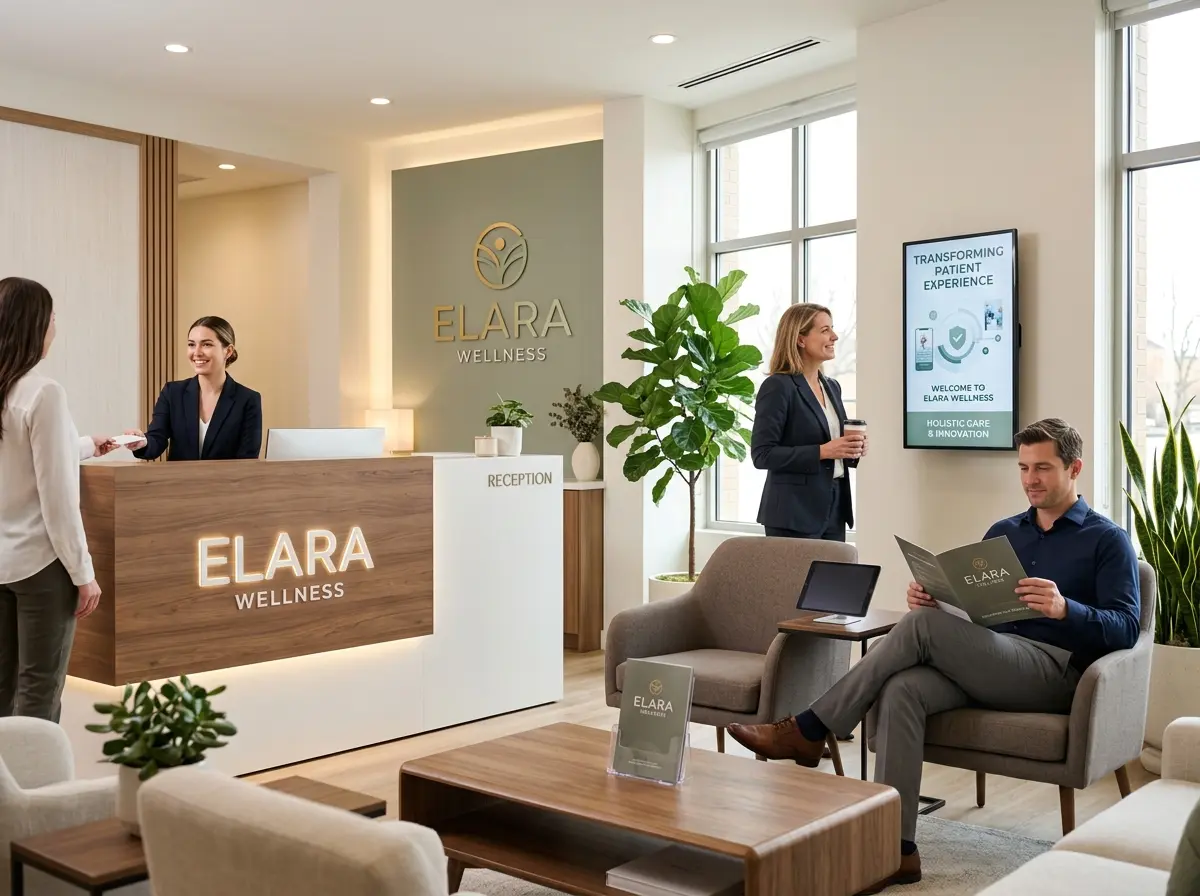
Your waiting room is doing a lot of talking whether you like it or not. The lighting, the seating arrangement, the reading materials (please, update those magazines), the signage, the music — all of it communicates something about your brand. A cluttered, outdated waiting area whispers "we haven't thought much about your experience." A clean, intentional space says "we care about the details."
Start with the basics: comfortable seating, clean surfaces, good lighting, and a clear sense of order. Then layer in your brand. Your logo, your colors, your tone. If your practice is a boutique wellness spa, the waiting room should feel like a boutique wellness spa — not a DMV. If you run a high-end law firm, the environment should exude quiet confidence, not chaos. These aren't expensive upgrades; they're intentional ones.
Turn the Walls Into a Marketing Channel
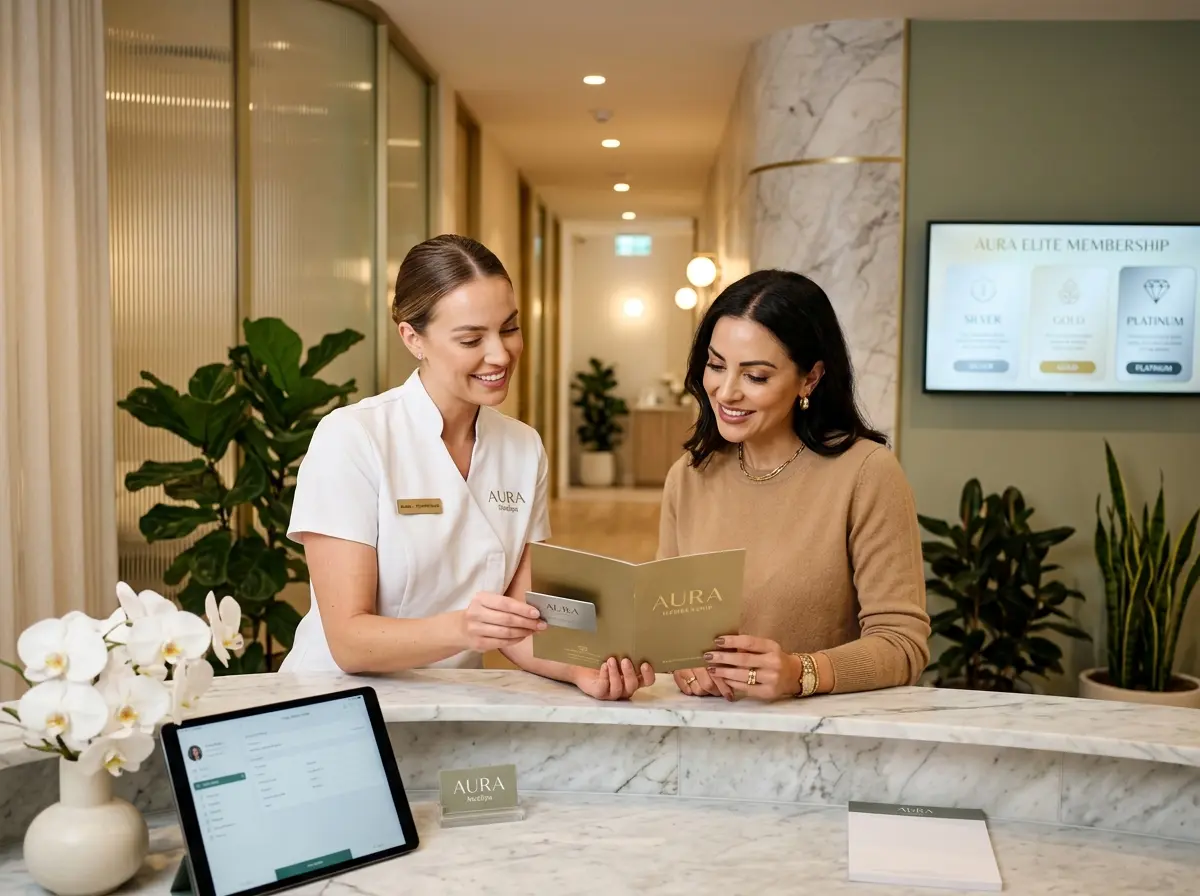
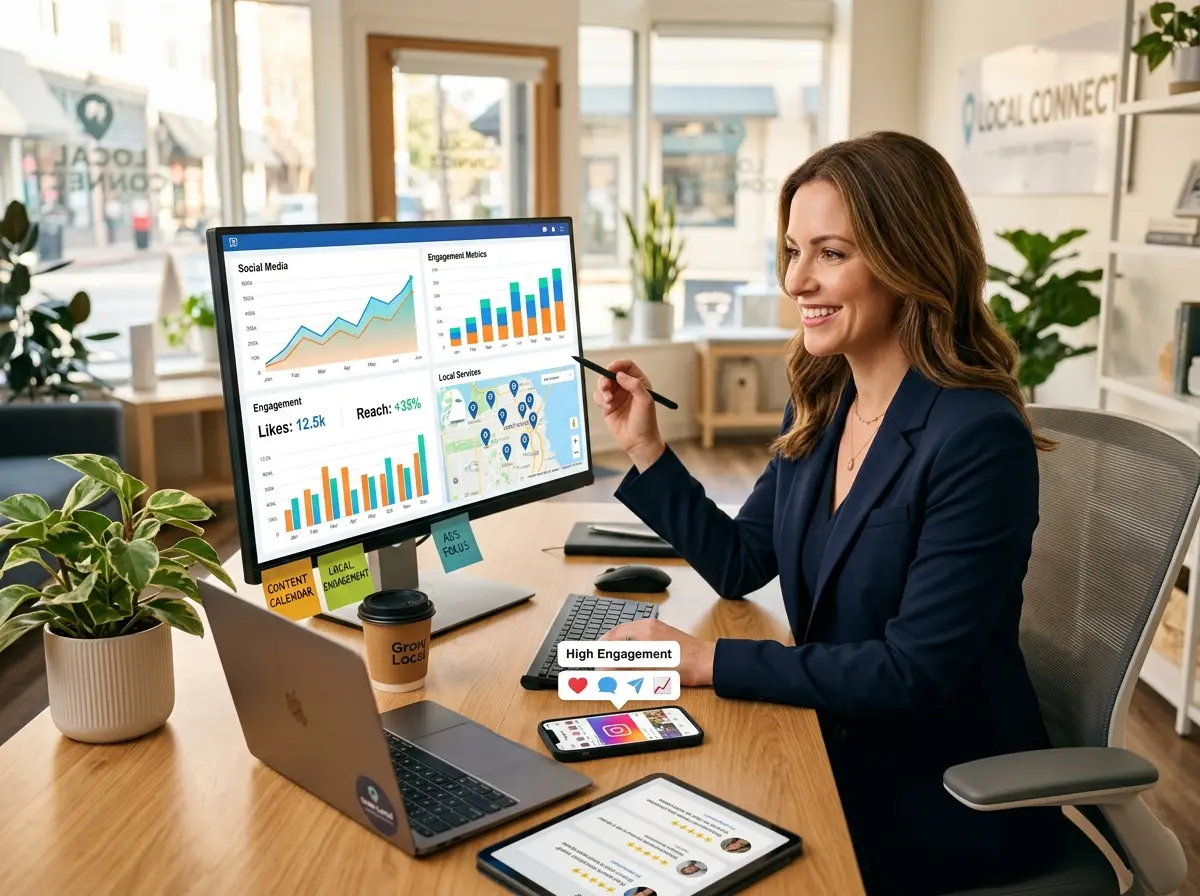
This is where most practices leave money on the table. Your walls, your screens, your desk displays — these are all prime real estate. A strategically placed digital screen showcasing your current promotions, seasonal packages, or testimonials from happy clients does more selling than you might think. Studies show that digital signage captures 400% more views than static displays, and nearly 8 in 10 customers have entered a store because a digital sign caught their interest.
Think about what you want clients to know while they wait. Are you launching a new service? Do you offer a referral program? Is there a membership that would save them money? Put it in front of them. Not aggressively — tastefully. The waiting room is not a used car lot. But a well-designed display that informs and educates can absolutely prompt a conversation that leads to a sale.
Ambient Audio and Video That Sells Softly
Background noise matters more than you think. A practice that plays thoughtfully curated background audio — whether it's a calming playlist, an informational podcast about your industry, or even a short video loop highlighting your services — creates a more engaging atmosphere than silence or whatever happens to be on the break room TV.
Some practices have had great success with short, looping video content: a 90-second overview of their most popular services, client testimonials, or a behind-the-scenes look at what sets them apart. This isn't Hollywood production — a well-lit phone video and a clean edit can be completely professional and effective. The goal isn't to entertain; it's to inform and build trust before anyone walks into the treatment room, consultation, or service bay.
Let Technology Do Some of the Heavy Lifting
Your Front Desk Is a Bottleneck — And There's a Fix
The front desk at most practices is simultaneously expected to greet walk-ins, answer phones, manage appointments, process payments, and handle questions — all at once, all day long. Something inevitably falls through the cracks. A client waits too long to be acknowledged. A phone rings unanswered. A new patient question goes unaddressed because staff are buried in paperwork. It's not a people problem; it's a capacity problem.
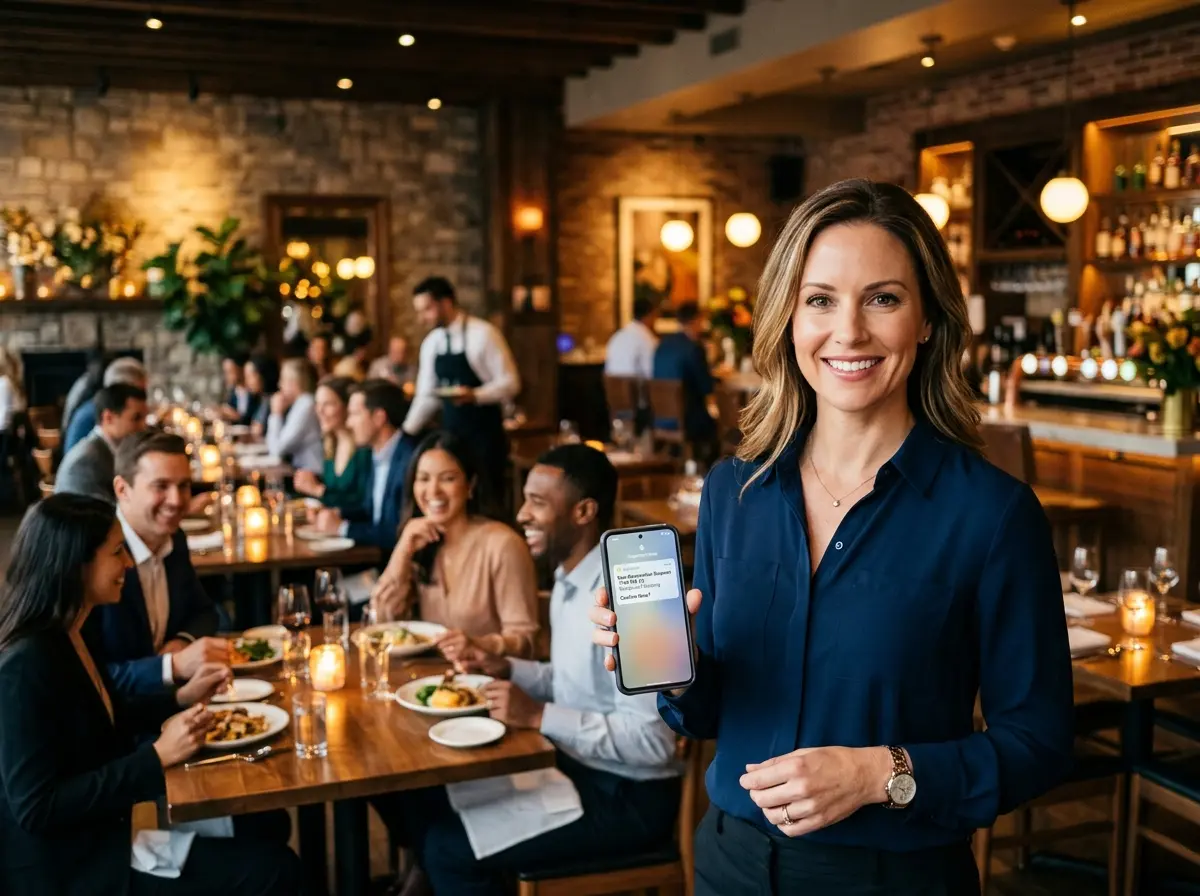
This is where Stella comes in. Stella is an AI robot employee and phone receptionist designed to work alongside your team — not replace them. In your physical space, she stands as a human-sized kiosk that proactively greets clients, answers questions about services, highlights current promotions, and keeps people engaged while they wait. On the phone, she handles incoming calls 24/7 with the same knowledge she uses in person, so no call goes unanswered and no lead slips away after hours. She can collect intake information, forward calls based on your preferences, and even manage contacts through her built-in CRM — all without a coffee break or a sick day.
For a practice environment, this means your human staff can focus on delivering excellent service while Stella handles the ambient workload that tends to pile up at the front. She's not a gimmick — she's infrastructure.
Converting Waiting Time Into Upsell Opportunities
Educate Before You Sell
The most effective upselling doesn't feel like selling at all — it feels like helpful information arriving at exactly the right moment. A client sitting in your waiting room is already mentally invested in your practice. They've made the appointment. They've shown up. They're receptive. This is the perfect time to gently introduce them to services or products they might not know you offer.
Consider a simple printed card on the seat beside them: "Did you know we also offer [Service X]? Ask us about it today." Or a short digital display that rotates through your top three services with a one-line description of the benefit. The key is specificity and relevance. A dermatology office might highlight a chemical peel package. A chiropractic office might promote massage add-ons. A veterinary clinic might showcase a wellness plan. Match the upsell to the context, keep it light, and let curiosity do the rest.
Capture Information While Interest Is High
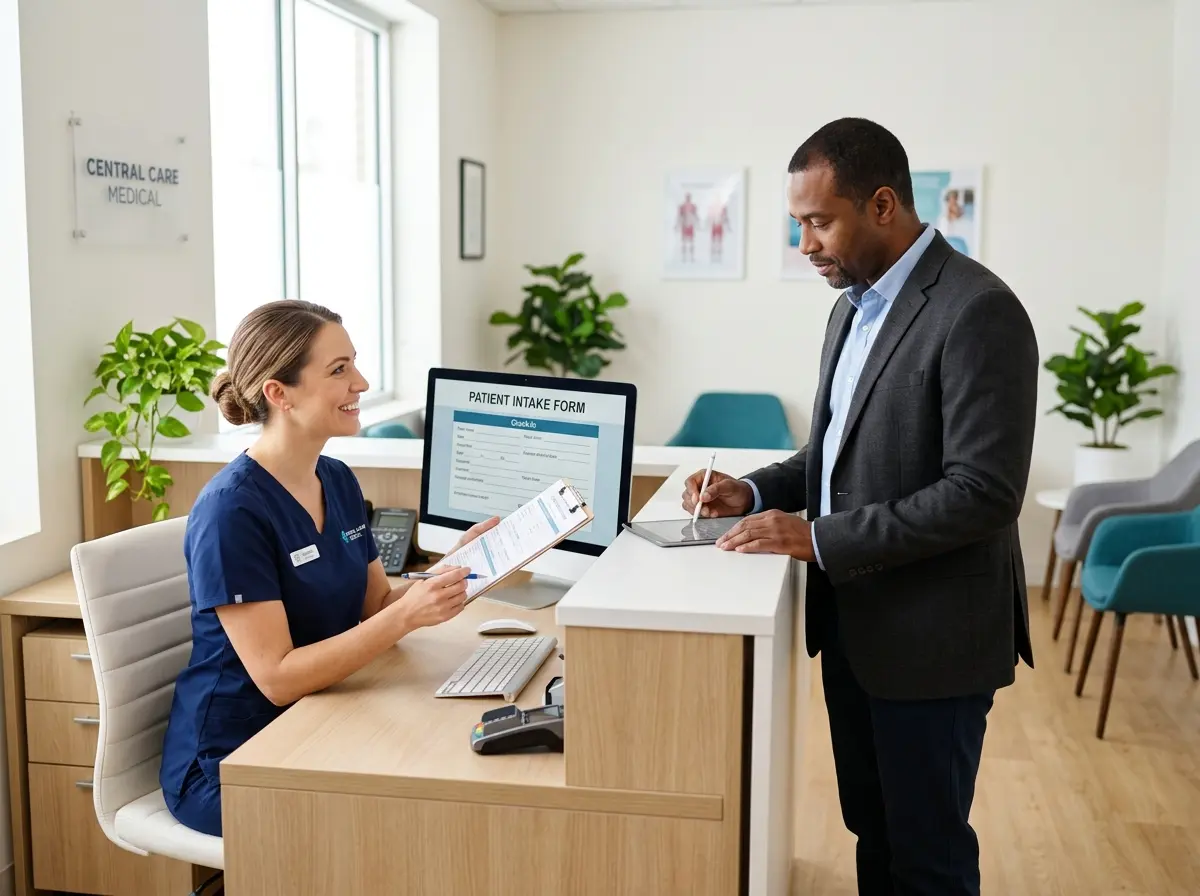
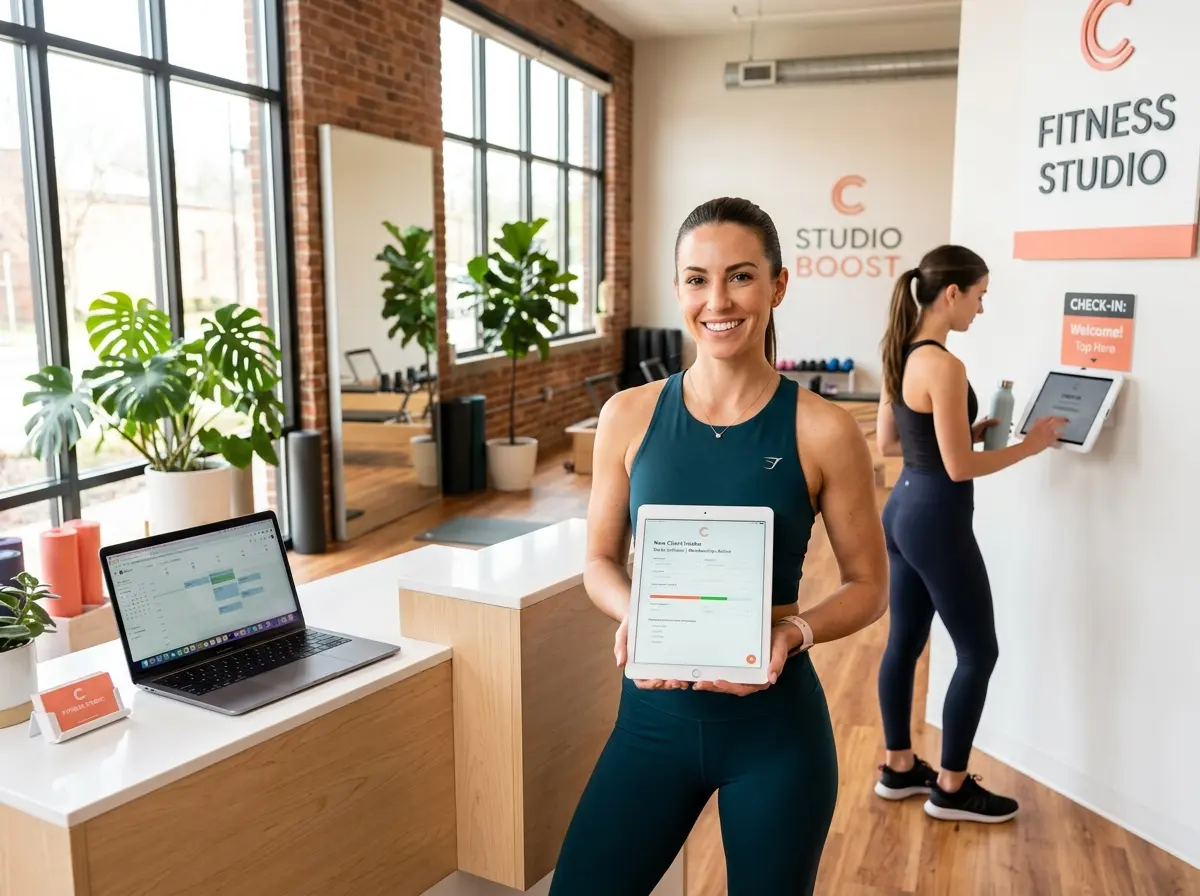
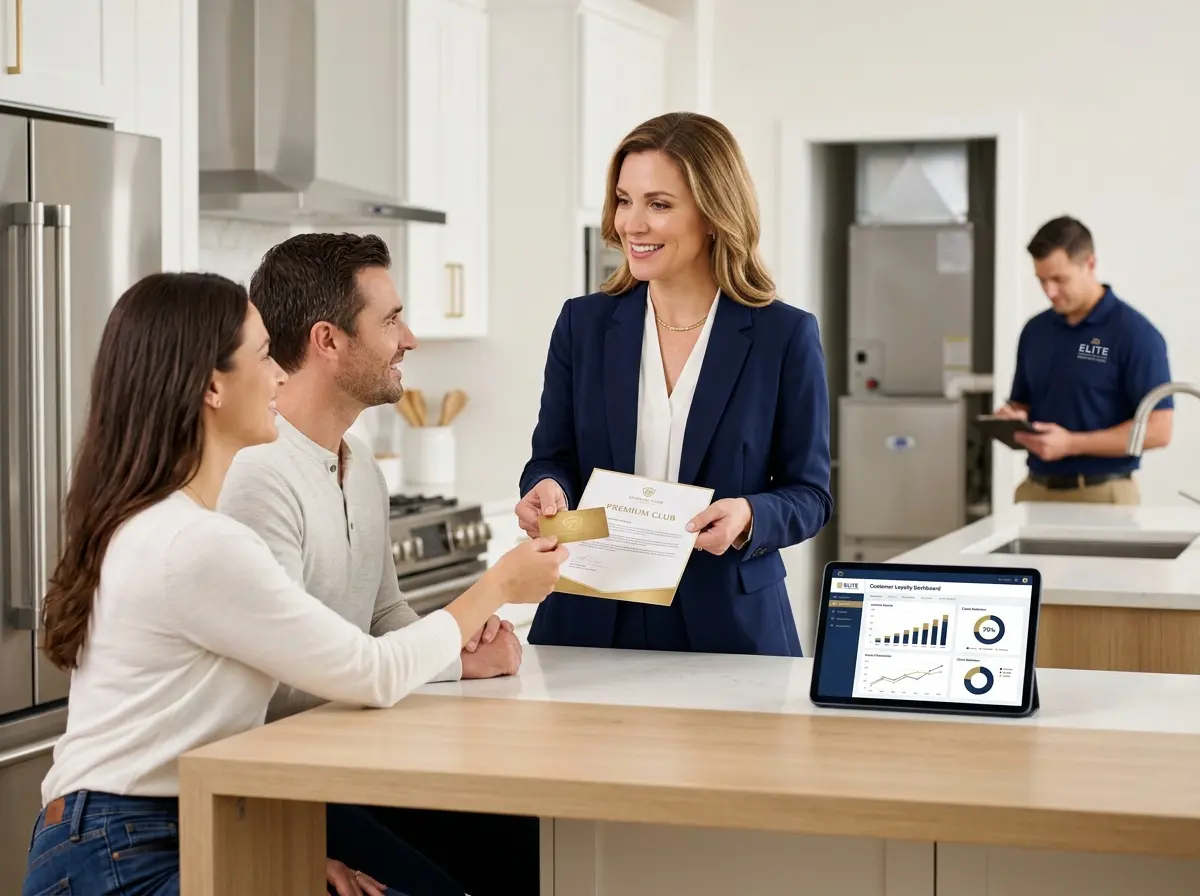
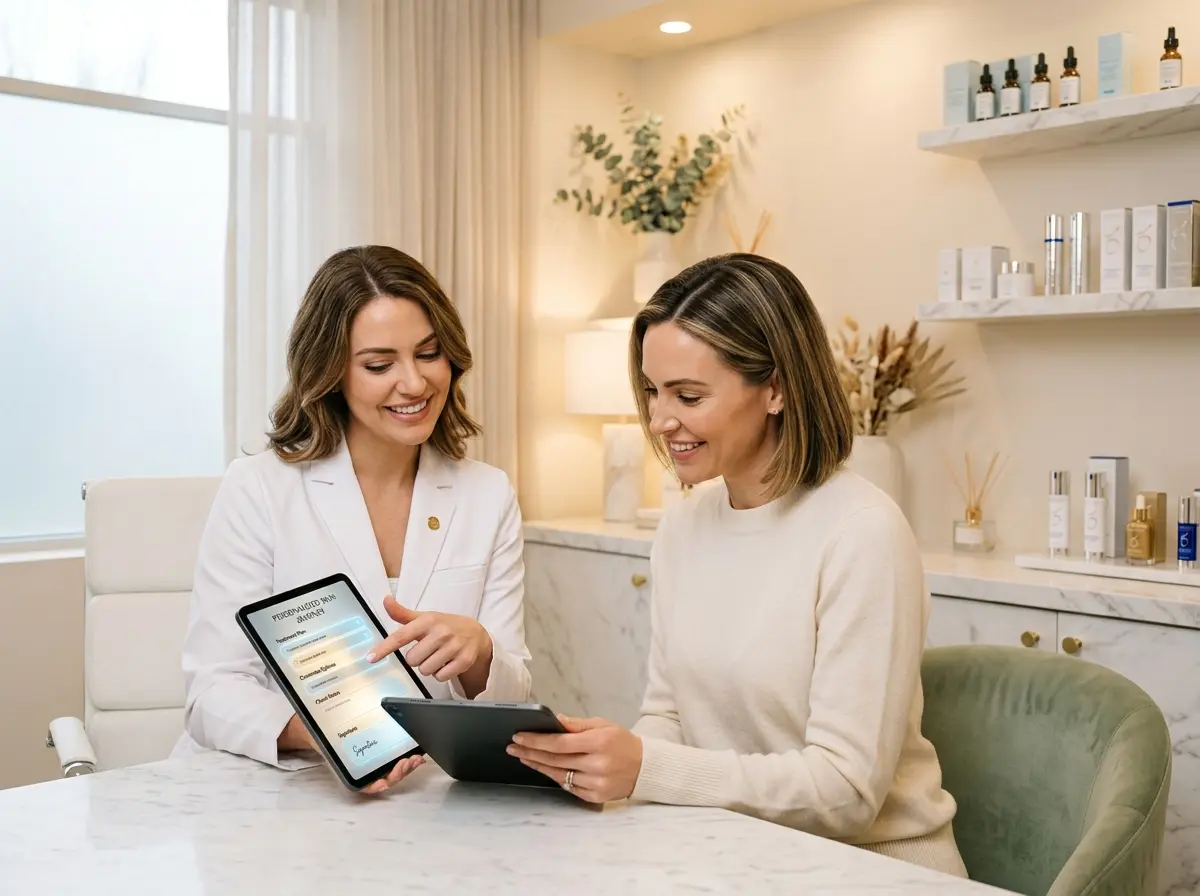
Waiting rooms also present a golden opportunity to collect valuable client information — the kind that fuels your marketing long after they leave. A tablet-based intake form, a QR code linking to a short survey, or a loyalty program sign-up can all be introduced naturally in the waiting environment. Clients who are sitting, relaxed, and engaged are far more likely to complete a form than someone rushing out the door after an appointment.
Use this moment to ask what services they're interested in learning more about, whether they'd like to receive promotional emails, or how they heard about you. This data has real value: it tells you what's working in your marketing, what services are top of mind for your clients, and who to follow up with. Small practices that systematically collect and act on this kind of information consistently outperform those that don't — not because they're smarter, but because they're paying attention.
Follow Up After They Leave — With Purpose
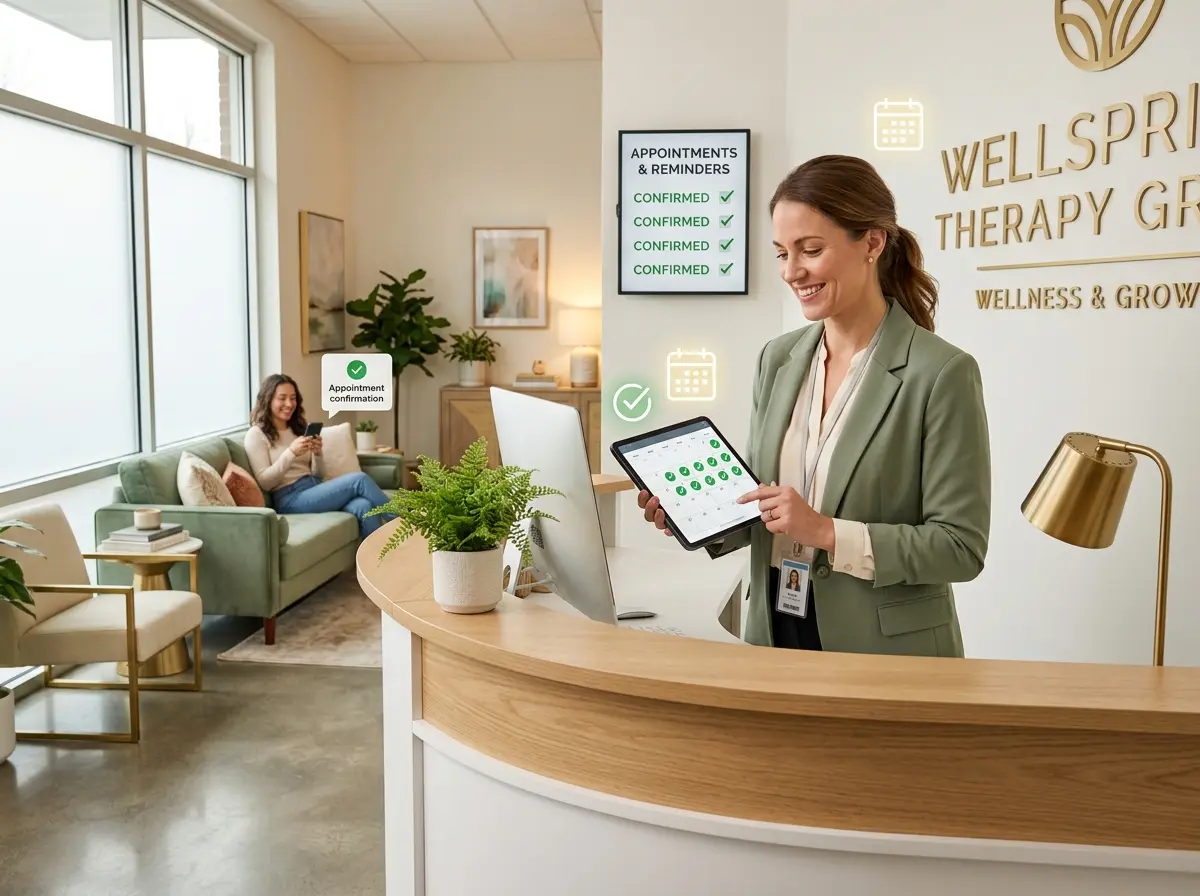
The waiting room experience doesn't end when the client walks out. What happens next — the follow-up email, the appointment reminder, the post-visit text — is an extension of the same experience. If you collected their information while they waited, you now have permission to continue the conversation. A thoughtful follow-up that references what they came in for, suggests a complementary service, or invites them to book their next appointment is not annoying. It's professional. It's attentive. And it works.
Practices that implement consistent, personalized follow-up sequences after appointments report significantly higher rebooking rates and increased average spend per client over time. The waiting room planted the seed; the follow-up waters it.
A Quick Reminder About Stella
Stella is an AI robot employee and phone receptionist built for businesses like yours — available as an in-store kiosk that engages walk-ins and a 24/7 phone receptionist that never misses a call. At just $99/month with no upfront hardware costs, she's one of the most cost-effective team members you'll ever hire. Easy to set up, always ready, and endlessly patient with clients — even the ones who ask the same question four times.
Stop Letting Your Waiting Room Just... Wait
The waiting room has been an afterthought for too long. But the practices that thrive in competitive markets are the ones that treat every square foot — and every minute of client time — as an opportunity to build relationships, communicate value, and generate revenue. The good news is that most of these changes are low-cost, low-effort, and high-impact.
Here's where to start:
- Audit your waiting room today. Sit in the chair your clients sit in. Look around. What does it say about your brand? What's missing?
- Add one digital display or rotating signage element that highlights your top services or a current promotion.
- Introduce a simple information-capture touchpoint — a tablet, a QR code, a short form — and start building that database.
- Create a follow-up sequence for new clients that's warm, relevant, and timed appropriately after their visit.
- Consider how technology can support your front desk so your staff focuses on service while the ambient client experience is handled automatically.
Your waiting room is already full of potential. It just needs a little direction. Give it that, and watch what happens to your client retention, your average transaction value, and — not to be overlooked — your team's stress levels. Everyone wins. Even the potted plant gets to be part of a better environment.