The Lawn Is Green, But Is Your Pipeline?
Let's be honest — if you run a landscaping business, you already know that your work basically markets itself for half the year. Spring rolls around, everyone looks at their sad, neglected yard, and the phones start ringing. Business is good. Life is good. You're busy. But then autumn arrives, winter sets in, and suddenly those same customers have completely forgotten you exist. Not because they don't love your work — but because out of sight really does mean out of mind.
Why Seasonal Email Campaigns Are a Landscaper's Secret Weapon
Your Customers Have Short Memories (No Offense)
According to HubSpot, businesses that send regular emails to their list generate 50% more sales-ready leads at a significantly lower cost than those that don't. And in a service-based industry like landscaping, where relationships and trust drive repeat business, consistent communication is everything. A well-timed email in February reminding customers that spring aeration slots fill up fast? That's not spam — that's a public service. You're helping them avoid the annual panic of calling you in April and finding out you're booked solid for six weeks.
Timing Is Everything in the Landscaping World
Unlike most industries, your business runs on a natural seasonal rhythm — which actually makes email marketing easier to plan than you might think. You don't have to manufacture urgency. The calendar does it for you. A few high-impact touchpoints throughout the year can dramatically improve customer retention and revenue:
- Late Winter (February–March): Early-bird spring cleanups, aeration pre-booking, mulch promotions
- Spring (April–May): Lawn care packages, irrigation startup, planting season reminders
- Summer (June–July): Drought-resistant lawn tips, fertilization services, irrigation check-ins
- Fall (September–October): Leaf removal packages, overseeding, winterization prep
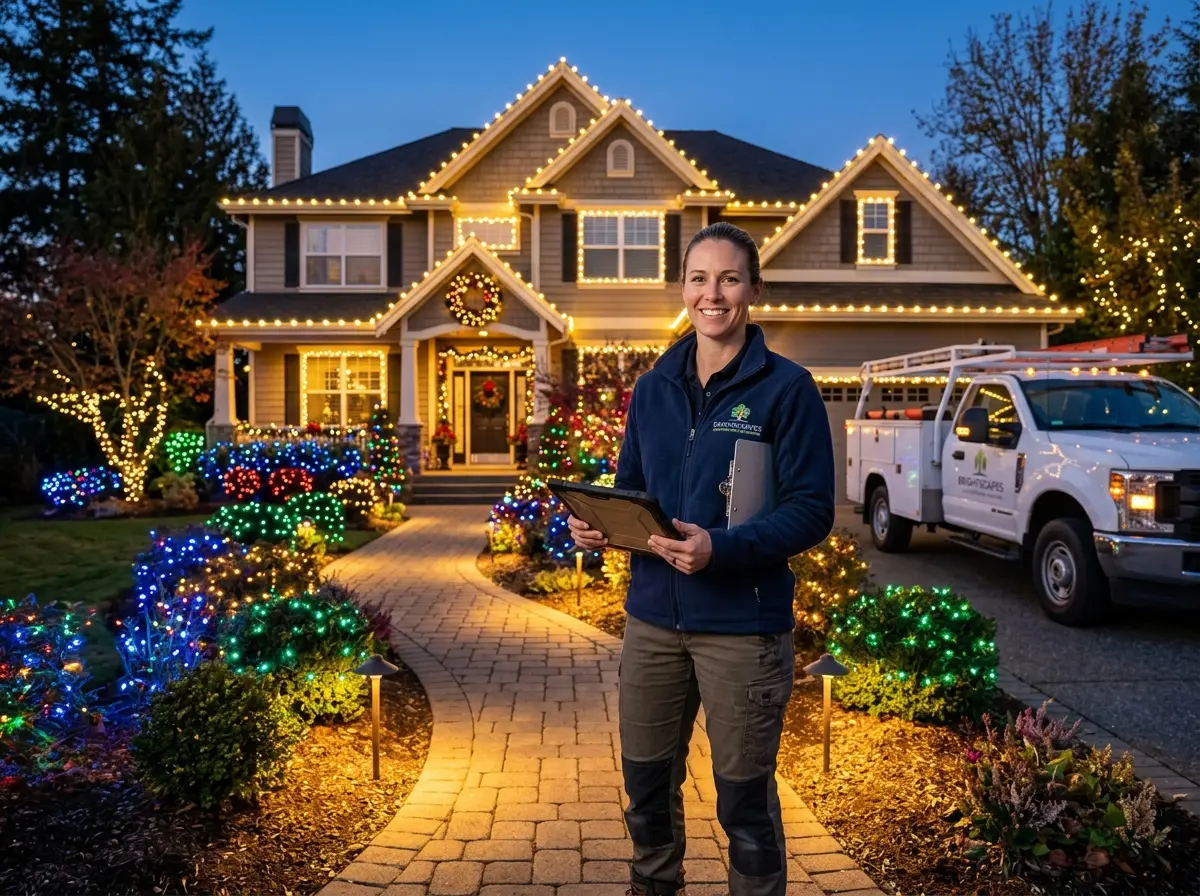
- Winter (November–December): Holiday lighting, snow removal contracts, loyalty discounts for next season
It's Not Just About Selling — It's About Staying Relevant
The best seasonal emails don't feel like ads. They feel like advice from someone who actually knows their stuff. Throw in a quick tip about the best time to overseed for your region, or share a before-and-after of a recent project. Educate your audience, and they'll trust you enough to keep hiring you. Mix in a promotional offer every few emails, and you've got a balanced content strategy that builds loyalty and drives revenue — without making your subscribers feel like they're on a used-car lot mailing list.
How Tools Like Stella Can Keep Your Business Running Smoothly Between Campaigns
From Inbox to Phone Call — Be Ready When They Reach Out
That's where Stella, the AI robot employee and phone receptionist, comes in. Stella answers phone calls 24/7 with the same knowledge and professionalism as your best staff member — describing services, quoting general pricing, and capturing customer information through conversational intake forms, so no lead slips through the cracks. For landscaping businesses with a physical showroom or design center, she also works as an in-store kiosk, greeting walk-ins and answering questions while your team focuses on the actual work. Pair a strong email campaign with a phone experience that never drops the ball, and you've got a system that converts.
Building a Seasonal Email Campaign That Actually Gets Results
Start With a Clean, Segmented List
Write Emails People Actually Want to Open
Subject lines are make or break. "April Newsletter" is not a subject line — it's a recycling bin filler. Try something with a little personality: "Your lawn called. It's ready." or "Spring is coming. Your neighbors already booked." A little urgency, a little humor, and a clear sense of what's inside goes a long way. Inside the email, keep it concise. One clear call to action per email. Don't ask your customers to book a cleanup, refer a friend, and follow you on Instagram all at once. Pick one goal and commit to it.
Automate Where You Can, Personalize Where It Counts
Quick Reminder About Stella
Stella is an AI robot employee and phone receptionist that works 24/7 — answering calls, greeting in-store customers, collecting lead information, and promoting your services without ever taking a lunch break or calling in sick. At just $99/month with no upfront hardware costs, she's the kind of team member that pays for herself fast — especially when your seasonal campaigns start driving a surge of inbound calls and inquiries.
Stop Being a Stranger to Your Own Customers
- Audit your contact list and segment it by service type or customer status.
- Map out your seasonal touchpoints for the next 12 months using the calendar framework above.
- Choose an email platform (Mailchimp and Klaviyo are both solid starting points) and set up your first automated sequence.
- Write three to five core emails — a re-engagement email, a seasonal promo, a tips-and-value email, a booking reminder, and a loyalty/referral email. Most of your campaigns can remix these.
- Make sure your phone and customer intake process is ready to handle the response when your emails actually work.
Your competitors are out there mowing lawns and hoping for word-of-mouth. You're going to do that and show up in their customers' inboxes at exactly the right moment. That's not just smart marketing — that's how you build a landscaping business that thrives year-round, not just when the tulips are blooming.