Your Phone System Is Quietly Costing You Sales (And You Probably Don't Even Know It)
Let's be honest — when was the last time you thought of your business phone as a sales tool? If your answer is "never," you're not alone. Most business owners treat their phone system like a necessary utility — right up there with the lights and the Wi-Fi. It rings, someone (maybe) answers it, and life goes on. But here's the uncomfortable truth: your phone is one of the most powerful customer touchpoints you have, and the odds are good that you're using it about as strategically as a fax machine.
Studies show that 60–80% of lost customers could have been retained with better communication. And yet, missed calls, long hold times, and robotic voicemail systems quietly push potential customers toward your competitors every single day. The good news? Turning your phone system into an actual sales engine isn't as complicated — or expensive — as you might think. It just requires thinking about your phone differently: not as a communication device, but as a frontline sales representative.
Let's break down exactly how to make that happen.
The Psychology of the Phone Call (And Why First Impressions Are Everything)
Before you can optimize your phone system for sales, it helps to understand why people are still calling in the first place. In an age of instant messaging, chatbots, and online booking, phone calls have actually become a high-intent signal. When someone picks up the phone and dials your number, they're typically ready to buy, book, or commit. They're not browsing — they're deciding. That's a remarkably warm lead just waiting to be handled well.
The Cost of a Bad First Impression
Research from Invoca found that 74% of people who have a poor phone experience with a business are likely to choose a competitor next time. That's not a small number — that's nearly three out of four callers walking out the metaphorical door because of how a phone interaction went. A distracted greeting, a long hold, a voicemail that never gets returned — these aren't just customer service failures. They're direct hits to your revenue.
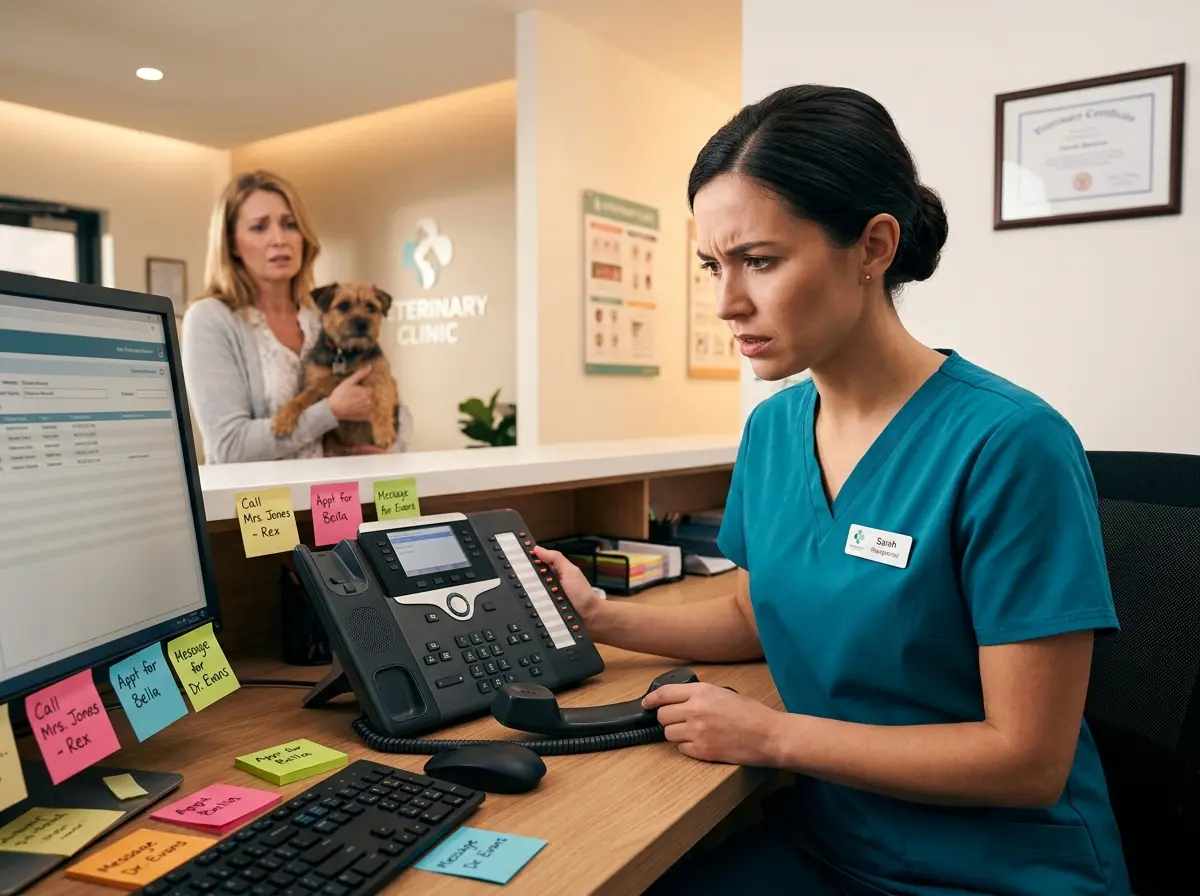
Think about the last time you called a business and got a rushed, distracted, or outright dismissive greeting. Did you feel valued? Did you feel excited to spend your money there? Probably not. Your callers feel the same way when your team is slammed during a lunch rush and answers with a breathless "Hold please."
What Callers Actually Want
It sounds simple, but what phone callers want is to feel heard, informed, and helped — quickly. They want someone (or something) that knows the answers. They want to feel like their call was expected and welcome. They want confidence that the business they're calling is professional, organized, and worth their time. Delivering that experience consistently — at 2 PM on a Tuesday and at 8 PM on a Saturday — is where most businesses completely fall apart.
Smart Strategies to Transform Your Phone Into a Sales Machine
Treat Every Call as a Sales Opportunity, Not Just a Question to Answer
Every inbound call is a chance to sell — even the ones that don't seem like it. Someone calling to ask about your hours? That's an opportunity to mention you're running a promotion this week. Someone calling to check on a service appointment? That's a chance to remind them about an add-on service they haven't tried. This isn't about being pushy. It's about being helpful and proactive. Train your team (or your phone system) to treat every caller as someone who might leave with more than they came for.
A simple example: a local auto shop that starts mentioning seasonal tire deals to every caller asking about oil changes can add thousands in revenue over a few months — without a single extra dollar in advertising. The opportunity was always there. They just started taking it.
Eliminate Dead Air and Dead Ends
Nothing kills a sales opportunity faster than a phone system that makes callers feel lost. Long hold music with no information, voicemails that never get returned, phone trees that lead nowhere — these are the sales funnel leaks you don't see on your dashboard. Audit your current phone experience like a mystery shopper. Call your own number at different times of day. What does the experience feel like? Is it warm and helpful, or is it a coin flip?
If your after-hours experience is essentially a voicemail black hole, you are actively handing late-night and weekend callers to your competitors. A surprising number of buying decisions happen outside of business hours — and if no one is there to capture that intent, the moment passes.
Use Your Phone System to Collect and Act on Customer Information
Most businesses gather zero useful data from their phone calls. That's a massive missed opportunity. When a caller is handled properly, there's a natural window to collect intake information — their name, what they're looking for, how they heard about you, whether they've been in before. This information is gold. It feeds your CRM, helps you personalize follow-ups, and tells you which promotions are actually driving inbound interest. A phone call, handled well, isn't just a transaction — it's the beginning of a customer relationship.
Where AI Fits In (Without Making Things Weird)
The Case for AI-Powered Phone Answering
Here's where a lot of business owners get nervous, but stay with us. AI phone answering has come a long way from the infuriating "Press 1 for English" experiences of the early 2000s. Modern AI receptionists can hold natural conversations, answer complex questions about your business, promote your current deals, collect customer intake information, and hand off to a human staff member when needed — all without making your callers feel like they're navigating a bureaucratic labyrinth.
Stella is a great example of what this looks like in practice. She's an AI robot employee and phone receptionist that answers calls 24/7, promotes your current deals, handles intake forms conversationally, and manages customer data through a built-in CRM with custom fields, tags, and AI-generated contact profiles. For businesses with a physical location, she also shows up as a human-sized in-store kiosk — greeting walk-in customers, answering questions, and upselling proactively. Whether someone calls you at midnight or walks past your storefront at noon, Stella is there, informed, friendly, and ready to sell.
The practical upside? Your human staff stop getting interrupted every five minutes by "what are your hours?" and can focus on higher-value work — which, incidentally, also makes them happier and less likely to burn out.
Turning Phone Conversations Into Repeat Business
Follow Up Like You Mean It
The sale doesn't end when the call does. One of the most underutilized revenue opportunities in any business is the post-call follow-up. Whether it's a text confirmation, a personalized email, or a reminder about an upcoming appointment, following up signals to customers that you remember them and value their business. Businesses that follow up consistently report significantly higher repeat purchase rates — and yet most small businesses do almost nothing here.
The key is making follow-up automatic and personalized. If your phone system or CRM is capturing caller information during the conversation, you can trigger follow-up sequences without any extra manual work. Set it up once, let it run, and watch customer retention climb.
Track What's Working and Double Down
If you're not tracking where your phone calls are coming from, you're flying blind. Simple call tracking — assigning different numbers to different marketing channels — tells you whether that Google ad is actually driving calls, whether your local mailer campaign was worth it, and which promotions are generating the most inbound interest. This data doesn't just tell you what's working. It tells you where to spend more money and where to stop wasting it.
Beyond attribution, pay attention to what callers are asking about. If a large percentage of your calls are about the same product, service, or concern, that's a signal — either to promote that offering more aggressively, or to address a gap in your online information that's driving unnecessary call volume. Your phone is a remarkably honest focus group. All you have to do is listen to it.
Build a Consistent Experience Across Every Channel
Your phone experience shouldn't feel like a different business than your website or your in-store experience. Consistency builds trust, and trust drives sales. Make sure whoever — or whatever — is answering your phones knows your current pricing, your active promotions, your policies, and your brand voice. Customers who get conflicting information across different touchpoints don't just get frustrated; they lose confidence in the whole operation. A consistent, informed phone experience is a surprisingly powerful differentiator in industries where "we'll call you back" is still considered acceptable.
A Quick Reminder About Stella
Stella is an AI robot employee and phone receptionist built specifically for businesses like yours. She answers calls 24/7, promotes your deals, handles customer intake, and manages contacts through a built-in CRM — all for $99/month with no hardware costs upfront. For physical locations, she also works as an in-store kiosk, proactively engaging walk-in customers and reducing the burden on your staff. She's always on, always informed, and never calls in sick.
Your Next Steps Toward a Phone System That Actually Works for You
Transforming your phone system into a sales tool doesn't require a massive overhaul or a six-figure investment. It requires intention, a few smart processes, and the right technology in place. Here's where to start:
- Audit your current phone experience. Call your own number at different times of day and write down what the experience actually feels like. Be honest.
- Identify your dead ends. Where do callers fall through the cracks? After hours? During busy periods? When staff are unavailable?
- Train or automate for proactive selling. Make sure every call includes a natural opportunity to mention a relevant offer, upsell, or upcoming promotion.
- Start capturing caller data. Even basic intake information — name, interest, source — gives you the foundation for meaningful follow-up and smarter marketing.
- Follow up consistently. Set up simple automated follow-ups after calls so that warm leads don't go cold because nobody had time to send a text.
The businesses winning on the phone right now aren't necessarily the ones with the biggest teams or the fanciest technology. They're the ones treating every call as a sales conversation — and building systems to make sure that conversation goes well every single time. The bar, frankly, isn't that high. Answer fast, be helpful, know your stuff, and follow up. Do those four things better than your competitors, and your phone system stops being an operational cost and starts being one of your most reliable revenue drivers.
Not bad for a device that's been sitting on your desk the whole time.