Running a Spa Is a Labor of Love — So Why Are Clients Slipping Away?
You've created a sanctuary. Soft lighting, calming scents, skilled therapists, the whole nine yards. Clients walk in stressed and leave floating. And yet — somehow — half of them never come back. Not because they didn't love it. Not because your competitor has better hot stones. But because nobody had a plan for what happens after the robe comes off and they walk out the door.
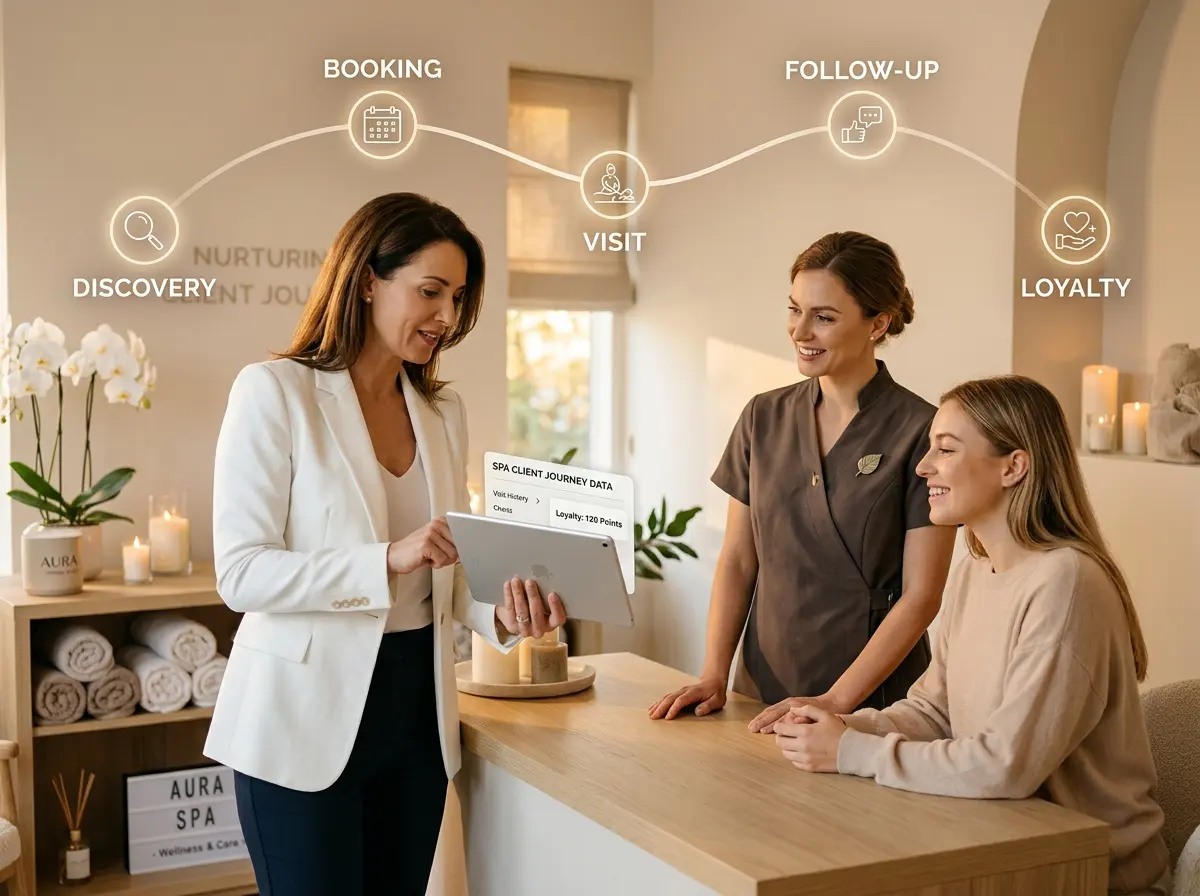
Welcome to the wonderful (and slightly maddening) world of the customer lifecycle. Every single person who interacts with your spa is on a journey — from "I've heard of this place" to "I would literally never go anywhere else, and I've told all my friends." The businesses that thrive are the ones that intentionally guide clients through that journey instead of hoping warm towels and good vibes will do all the work.
The good news? You don't need a marketing degree or a team of consultants to pull this off. You just need a map — and the discipline to actually follow it. Let's build that map together.
Understanding the Five Stages of Your Spa Client's Journey
Before you can nurture your clients, you need to understand where they are. The customer lifecycle for a spa typically moves through five stages: Awareness, Consideration, Booking (Conversion), Retention, and Advocacy. Each stage requires a different approach — because someone who's never heard of you needs something very different from someone who's been coming in monthly for two years.
Stage 1: Awareness — Getting Found Before You're Needed
Awareness is the "they don't know you exist yet" stage, and for spas, this is almost entirely a local marketing game. According to Google, 76% of people who search for something nearby on their phone visit a business within a day. That means your Google Business Profile isn't just a nice-to-have — it's essentially your digital front door, and it should be treated with the same care as your actual front door.
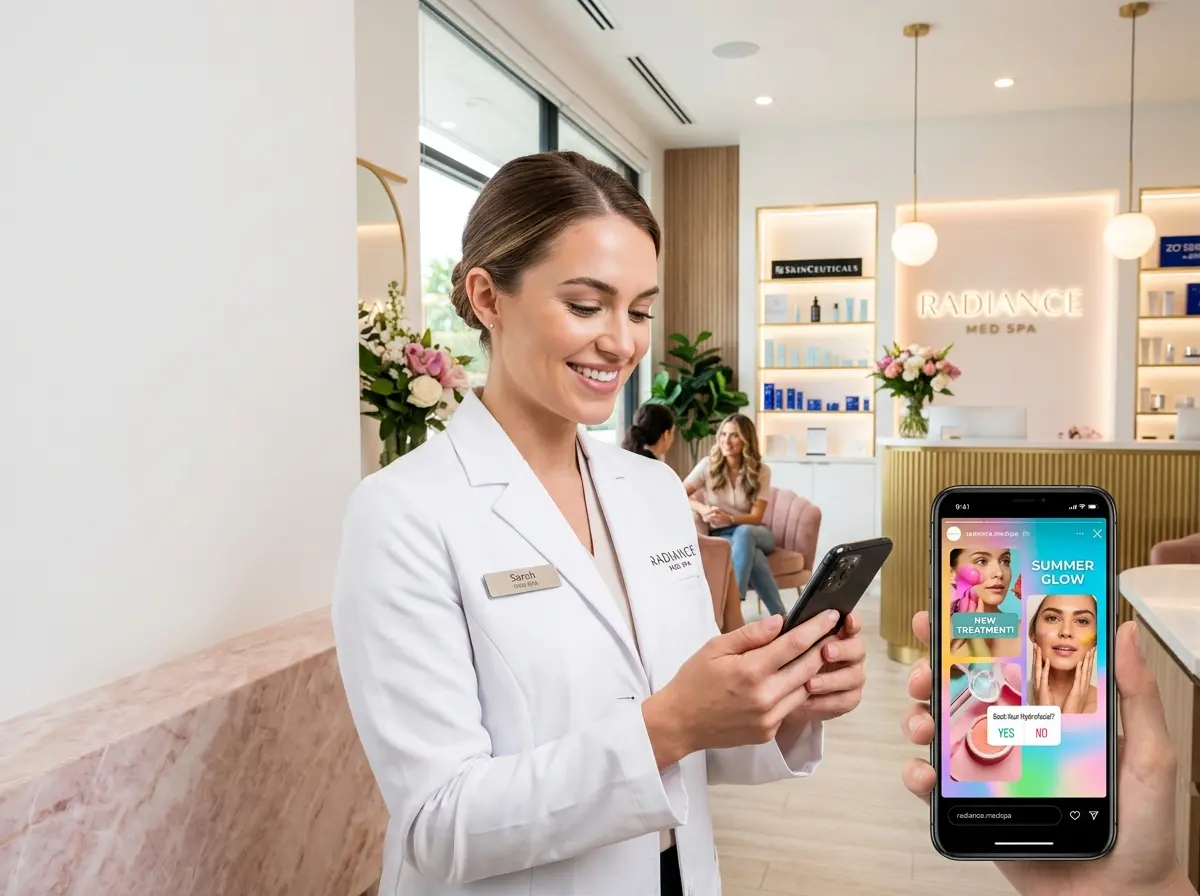
At the awareness stage, your job is simple in theory and surprisingly easy to neglect in practice: show up. Keep your Google listing updated with accurate hours, fresh photos, and real responses to reviews. Be active on Instagram and Facebook, because spas are inherently visual — use that to your advantage. Consider running geo-targeted ads around your zip code, especially ahead of Mother's Day, Valentine's Day, or any local event that might put people in the mood for some self-care.
The key insight here is that awareness is not about selling. It's about being discoverable and trustworthy before someone has ever walked through your door.
Stage 2: Consideration — Turning Curiosity Into Intent
Once someone knows you exist, they're going to do what every modern consumer does: research you like they're writing a thesis on it. They'll check your reviews, browse your service menu, look at your prices, maybe stalk your Instagram, and compare you to the three other spas they found in the same search.
This is where your website and social presence do the heavy lifting. Make sure your service menu is clear and current, your prices are easy to find (hiding them is a red flag to potential clients, not a strategy), and your booking process takes fewer steps than assembling IKEA furniture. If someone has to call during business hours just to find out if you do deep tissue massage, you've already lost half of them.
Client testimonials and before/after content are particularly powerful at this stage. Real people, real results, real reasons to book.
Stage 3: Booking — Making the "Yes" Effortless
The consideration stage ends the moment someone decides to book — but don't celebrate yet. This is where friction kills conversions. If your booking system is clunky, slow, or requires creating an account with a password that must contain "at least one medieval symbol," people will abandon the process and book somewhere easier.
Offer multiple booking options: online self-booking, a phone call, or even a text-based option. Send an immediate confirmation with all the details they need — location, parking, what to bring, what to expect for first-timers. A thoughtful pre-appointment email series can significantly reduce no-shows and set the tone for a great experience before the client even arrives.
Tools That Help You Stay On Top of the Client Journey
Here's where a lot of spa owners run into a wall: the tools are great, the strategy makes sense, but there are only so many hours in the day. You're managing staff, ordering products, handling last-minute cancellations, and trying to remember which client prefers unscented lotion. The idea of also managing a customer lifecycle strategy can feel like adding a fifth job to the four you already have.
How Stella Can Help Keep Things Running Smoothly
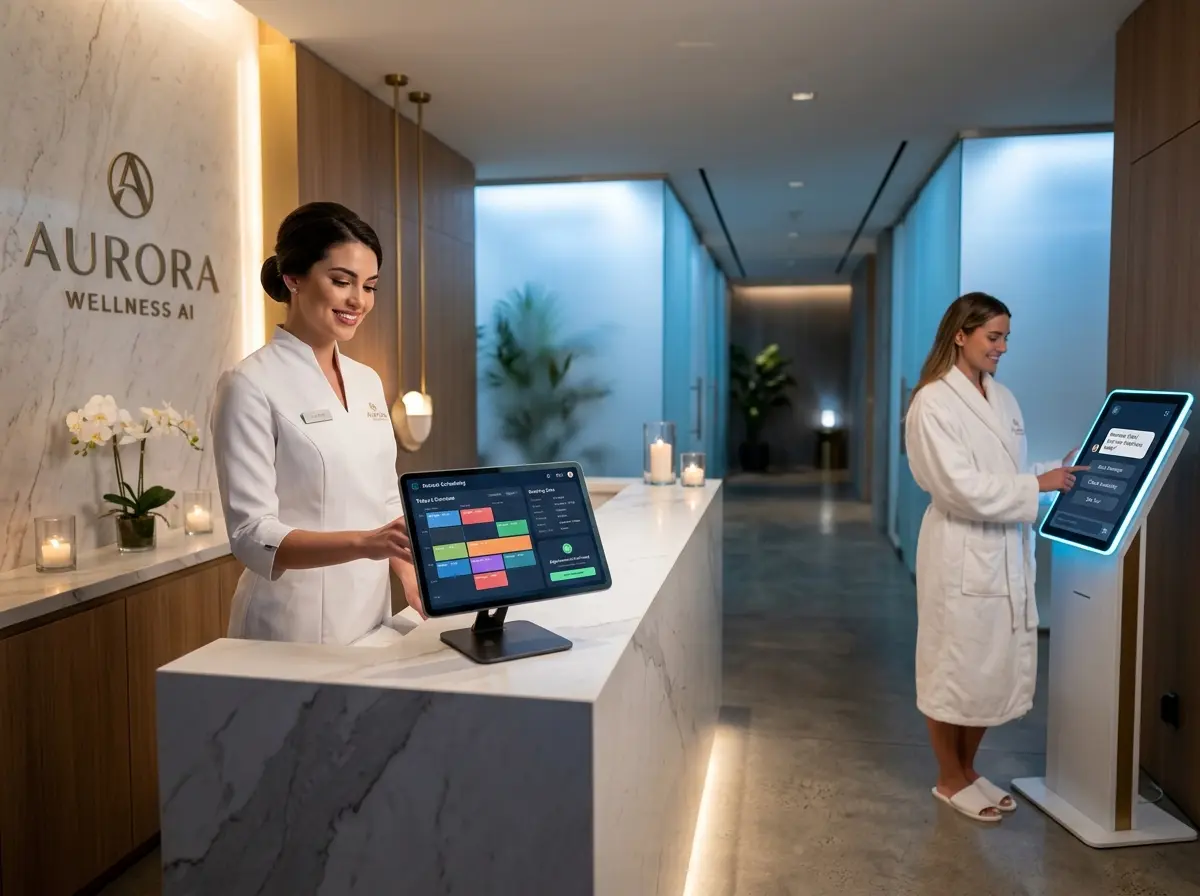
This is exactly where Stella earns her keep. As an AI robot employee and phone receptionist, Stella handles two of the most time-consuming and disruption-prone parts of spa operations: greeting people and answering phones. She can stand at the entrance of your spa, proactively engage walk-ins, answer questions about services and pricing, and promote current specials — all without pulling your front desk staff away from actual clients.
On the phone side, Stella answers calls 24/7, which matters a lot for spas since many people research and book outside of business hours. She can handle intake through conversational forms, collect client information, and store it in her built-in CRM — complete with custom fields, tags, notes, and AI-generated client profiles. That means every interaction, whether in person or over the phone, starts building a client record you can actually use. No more sticky notes. No more "I think she mentioned a shellfish allergy."
Retention and Advocacy — The Stages Most Spas Completely Ignore
Here's a hard truth: acquiring a new client costs five times more than retaining an existing one. And yet, most spa marketing budgets are heavily tilted toward acquisition. Getting new people in the door is exciting. Keeping existing clients engaged is quieter work — but it's where the real money is.
Stage 4: Retention — Giving Clients a Reason to Come Back
The window between a client's first and second visit is critical. Research suggests that if a client returns within 90 days of their first appointment, they're significantly more likely to become a long-term regular. That means your post-visit follow-up isn't just a nice gesture — it's a revenue strategy.
Start with a follow-up message within 24–48 hours of their appointment. Thank them, ask how they're feeling, and make a soft recommendation for their next service based on what they received. If they had a deep tissue massage, maybe suggest a stretch therapy add-on next time. If they got a facial, recommend the follow-up timing for their skin type. Personal, specific, and useful — not a generic "thanks for visiting!" blast that screams "automated."
Membership and package programs are also powerful retention tools for spas. Monthly membership models create financial commitment and habitual behavior at the same time — both of which are excellent for long-term retention. Even a simple "buy 5 facials, get the 6th free" punch card system nudges clients toward repeat visits without requiring a complicated loyalty platform.
Stage 5: Advocacy — Turning Happy Clients Into Your Best Marketing
Advocacy is the stage most spa owners hope happens but rarely actively cultivate. Word-of-mouth is the single most trusted form of marketing — but most clients need a gentle nudge to actually leave a review or refer a friend, not because they didn't love their experience, but because life is busy and they simply forget.
Build referral asks into your process, not as an afterthought. Train your staff to mention your referral program at checkout. Send an automated follow-up email a week after a visit with a direct link to leave a Google review — make it so easy that there's no friction at all. Offer a small incentive for referrals, like $15 off their next visit for every friend they send your way. You'll be surprised how quickly happy clients become enthusiastic ambassadors when you give them a clear, simple way to help.
Track your referral sources in your CRM so you know which clients are your strongest advocates. These are the people worth investing in with exclusive early access to new services, VIP events, or handwritten thank-you notes. Yes, actual handwritten notes. In a world of automated everything, they stand out.
A Quick Reminder About Stella
Stella is an AI robot employee and phone receptionist that works in-store as a kiosk and handles phone calls around the clock — all for $99/month with no upfront hardware costs. She's always on, always professional, and she doesn't call in sick during your busiest Saturday. For spa owners juggling a million moving parts, she's the kind of reliable front-of-house presence that quietly keeps things running while you focus on delivering exceptional experiences.
Your Next Steps: Start Mapping, Start Nurturing
The customer lifecycle isn't a mystery — it's a repeatable process that, once built, works for you continuously. Here's how to get started without overwhelming yourself:
- Audit where you currently lose clients. Is it after the first visit? Before they even book? Knowing your biggest drop-off point tells you where to focus first.
- Set up an automated post-visit follow-up sequence. Even a simple two-email series (thank you + rebooking nudge) can meaningfully improve return rates.
- Create or refresh your referral program. Make it simple, make it valuable, and actually tell your clients about it.
- Improve your booking experience. Test it yourself. Time how long it takes to book an appointment from scratch. If it's more than three minutes, simplify.
- Start tracking client data intentionally. Whether it's a built-in CRM tool or something you add to your existing system, knowing your clients' history and preferences is the foundation of personalized retention.
Your spa already does the hard part — creating a genuinely restorative experience. The customer lifecycle map is just a way of making sure more people get to experience it, come back for more, and bring their friends along. Build the system, trust the process, and let the results speak for themselves. Your future regulars are out there. Go get them — and more importantly, keep them.