So You Want to Test a New Market Without Betting the Farm
The temporary retail model has exploded in recent years, and for good reason. According to the Specialty Retail Report, the pop-up retail industry generates over $50 billion annually in the United States alone. Brands like Glossier, Warby Parker, and countless local entrepreneurs have used pop-up shops as launchpads — not as consolation prizes. Whether you're a seasoned retailer testing a new product line, a restaurant concept trying a new neighborhood, or an e-commerce brand dipping a toe into physical retail for the first time, a well-executed pop-up can tell you more in two weekends than six months of spreadsheet projections ever could.
Planning a Pop-Up That Doesn't Just "Pop" and Disappear
Choose Your Location Like You Mean It
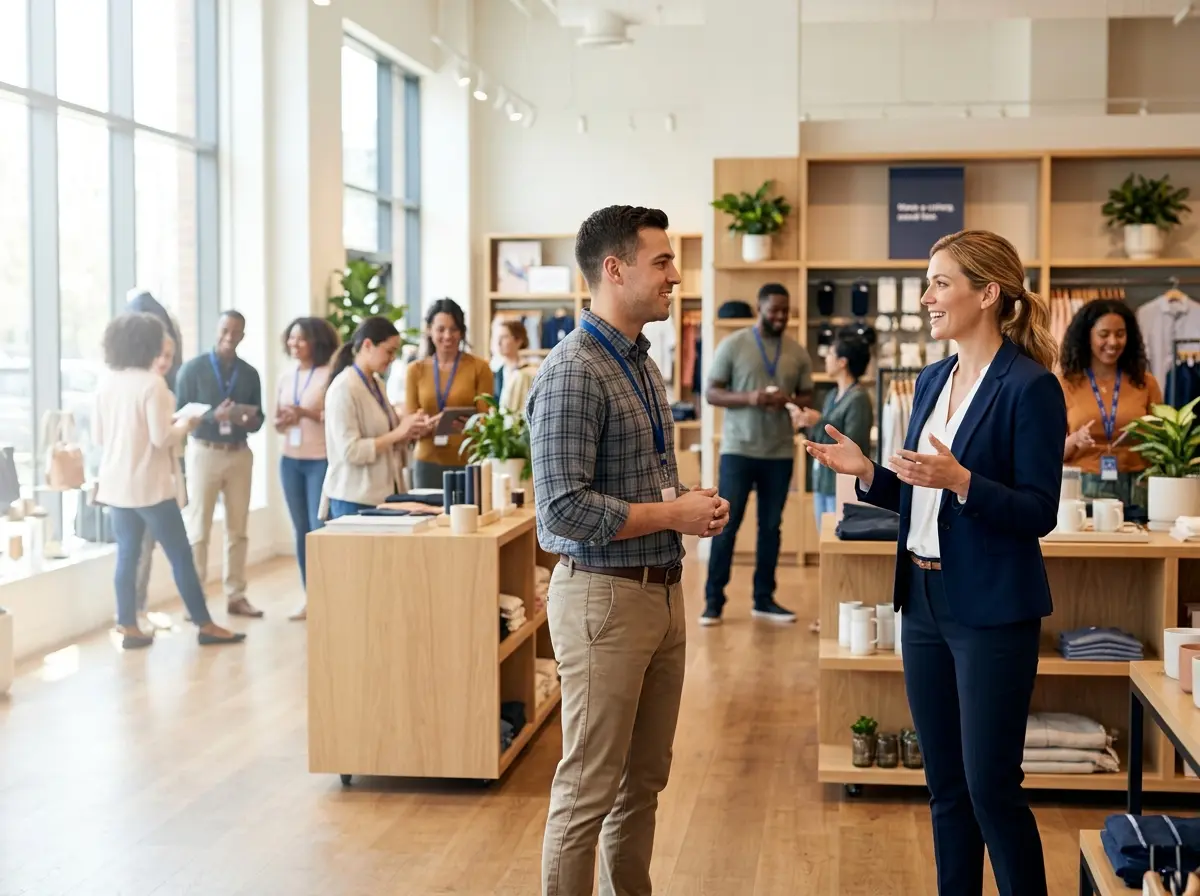
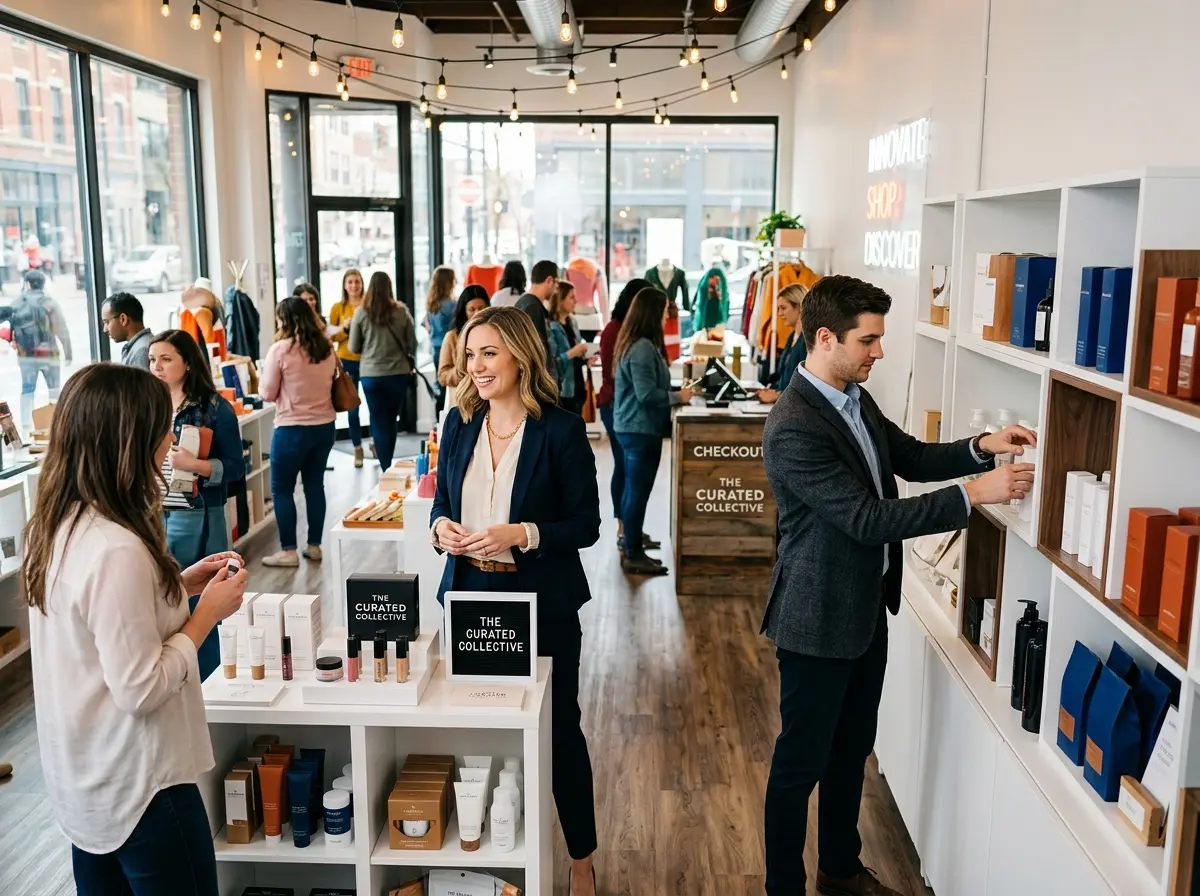
Location selection for a pop-up isn't just about foot traffic — it's about the right foot traffic. A high-end skincare brand setting up in a discount grocery store parking lot might get eyeballs, but probably not conversions. Think carefully about where your target customer already spends time. Farmers markets, arts festivals, boutique fitness studios, co-working spaces, and even other complementary retail stores can be excellent pop-up hosts.
Define What You're Actually Testing
Are you testing:
- Whether a specific product resonates with a new demographic?
- Which price point drives the best conversion without killing margins?
- Whether a new neighborhood or city has demand for your brand?
- How customers respond to a new service offering or format?
Build Buzz Before You Open the Doors
Running a Smoother Operation with the Right Support
Don't Let Staffing Chaos Undermine Your Experiment
This is where Stella becomes a surprisingly practical asset. Stella is an AI robot employee and phone receptionist that can stand inside your pop-up space and proactively greet every customer who walks up, answer questions about your products, explain your current promotions, and even collect customer contact information through conversational intake — all without needing a coffee break or a pep talk. Meanwhile, she's simultaneously handling incoming phone calls for your business, answering questions about hours, location, and offerings with the same knowledge she uses in person. For a pop-up where your human team is stretched thin, that's not a novelty — it's a lifeline.
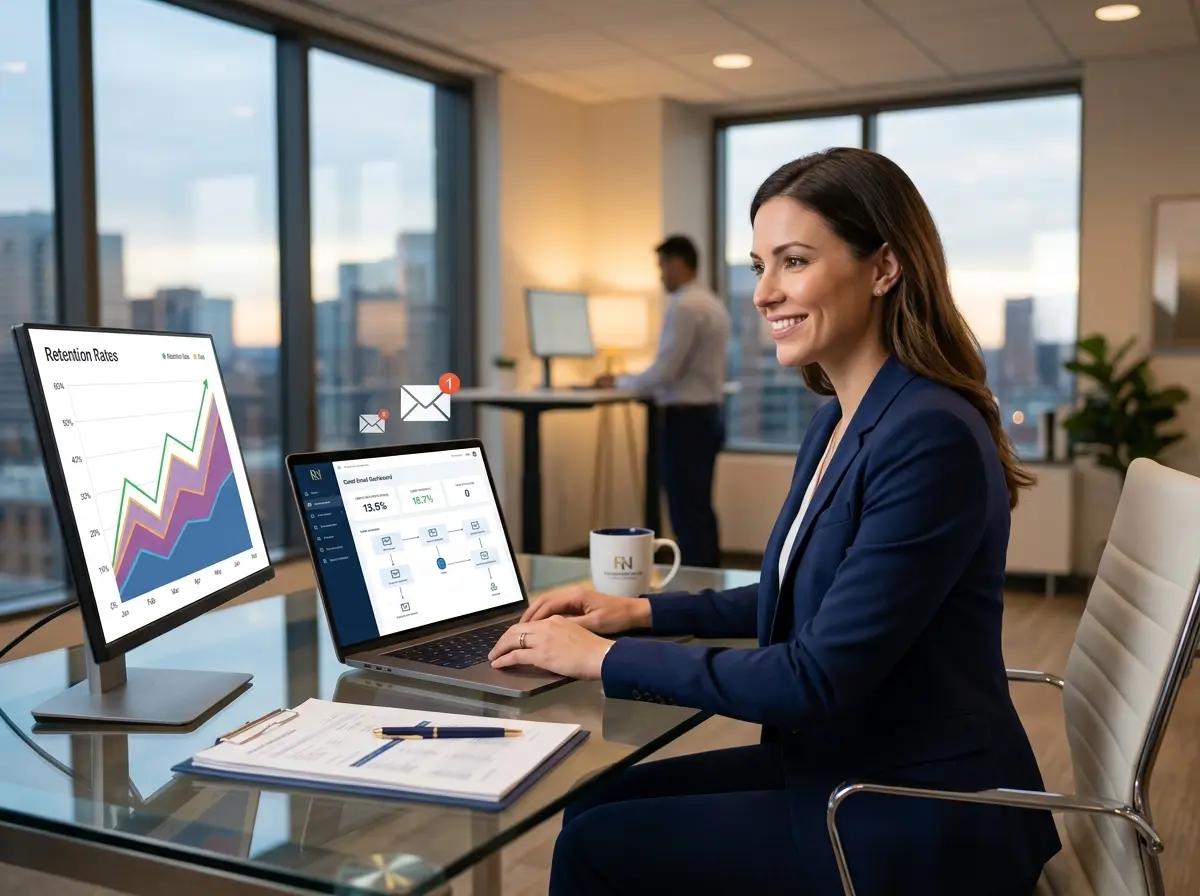
Stella also captures interaction data and customer information directly into her built-in CRM, which means you leave the pop-up with actual lead profiles, tagged by interest area, product inquiry, or whatever custom fields you configure — not just a crumpled sign-up sheet that someone sat on.
Collecting the Data That Will Actually Tell You Something
Set Up Your Measurement Systems Before Day One
Test Products Methodically, Not Emotionally
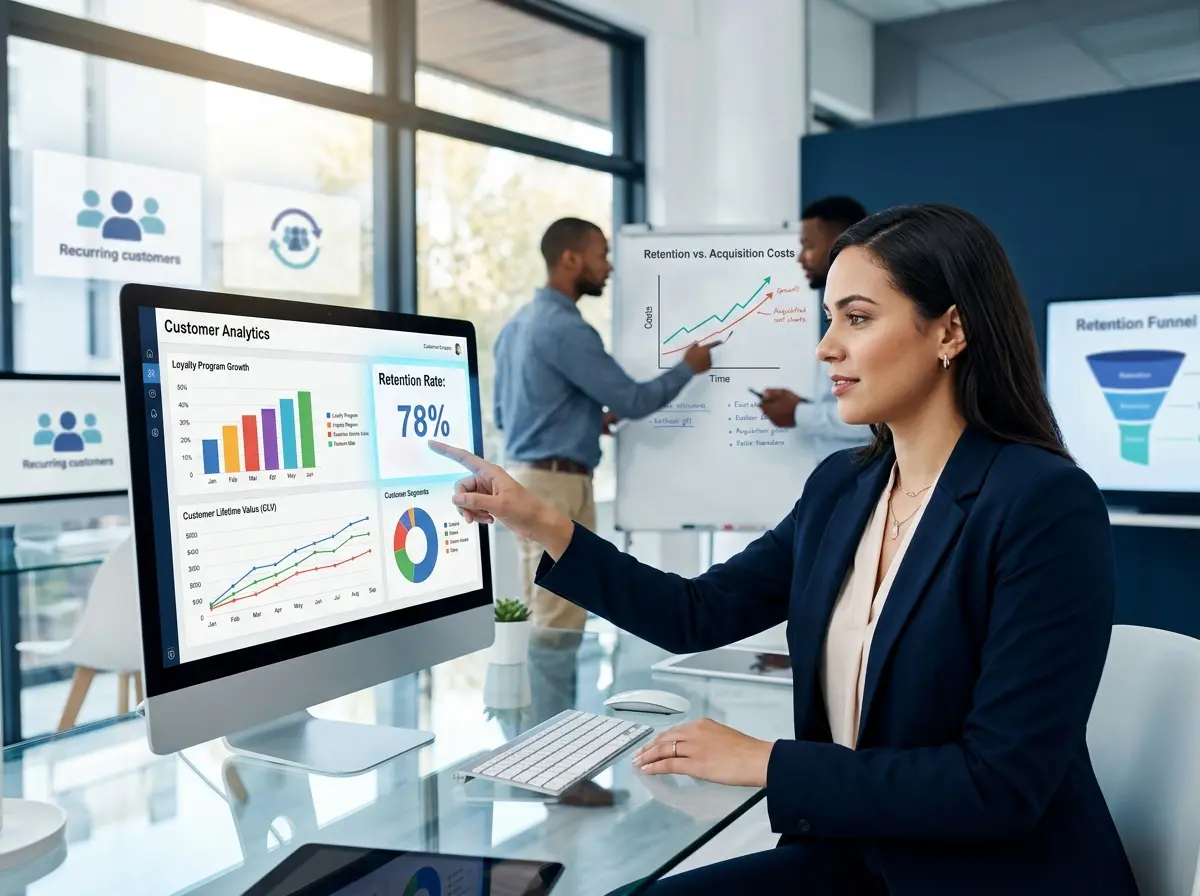
Analyze and Act on What You Learn
A Quick Reminder About Stella
Stella is an AI robot employee and phone receptionist available for just $99/month with no upfront hardware costs — she greets customers in-store, promotes your offerings, collects lead information, and answers calls 24/7 with full business knowledge. Whether you're running a pop-up for a weekend or a permanent brick-and-mortar location, she shows up ready to work every single time. No training montage required.
Make Your Pop-Up Work as Hard as You Do
Here's your action plan:
- Define your test hypothesis before you book a venue. Know exactly what question you're trying to answer.
- Select your location based on your target customer's behavior, not just foot traffic volume.
- Promote early and create urgency — your pop-up should feel like an event, not an afterthought.
- Set up data collection systems in advance, including lead capture, sales tracking, and qualitative feedback.
- Curate your product selection intentionally so your results are readable and actionable.
- Review your findings within 48 hours and tie them to a specific next decision.