Introduction: The Right Message, Wrong Time — A Tale as Old as Email
Picture this: A customer just bought a brand-new espresso machine from your store. Two hours later, they receive an automated email from you suggesting they might want to consider purchasing an espresso machine. They already own one. You sold it to them. Today.
Sound familiar? Whether it's a follow-up email that arrives three weeks too late, a promotional text blasted to every single contact regardless of their interests, or a "we miss you!" message sent to someone who visited yesterday — poor timing and poor targeting in customer communications are silent revenue killers. And the frustrating part is that most business owners know they need to do better. They just don't always know where to start.
The good news is that marketing automation has matured significantly. According to HubSpot, businesses that use marketing automation see a 451% increase in qualified leads, and automated emails generate 320% more revenue than non-automated ones. The key, however, isn't just automating — it's automating intelligently. Sending the right message, to the right customer, at exactly the right moment. That's the whole game. Let's break it down.
Building the Foundation: Know Your Customer Before You Automate Anything
Before you can send the right message, you have to know who you're talking to. Automation without data is just scheduled spam. The foundation of any effective automated communication strategy is a clean, well-organized customer database with meaningful segmentation.
Segmentation Is Everything
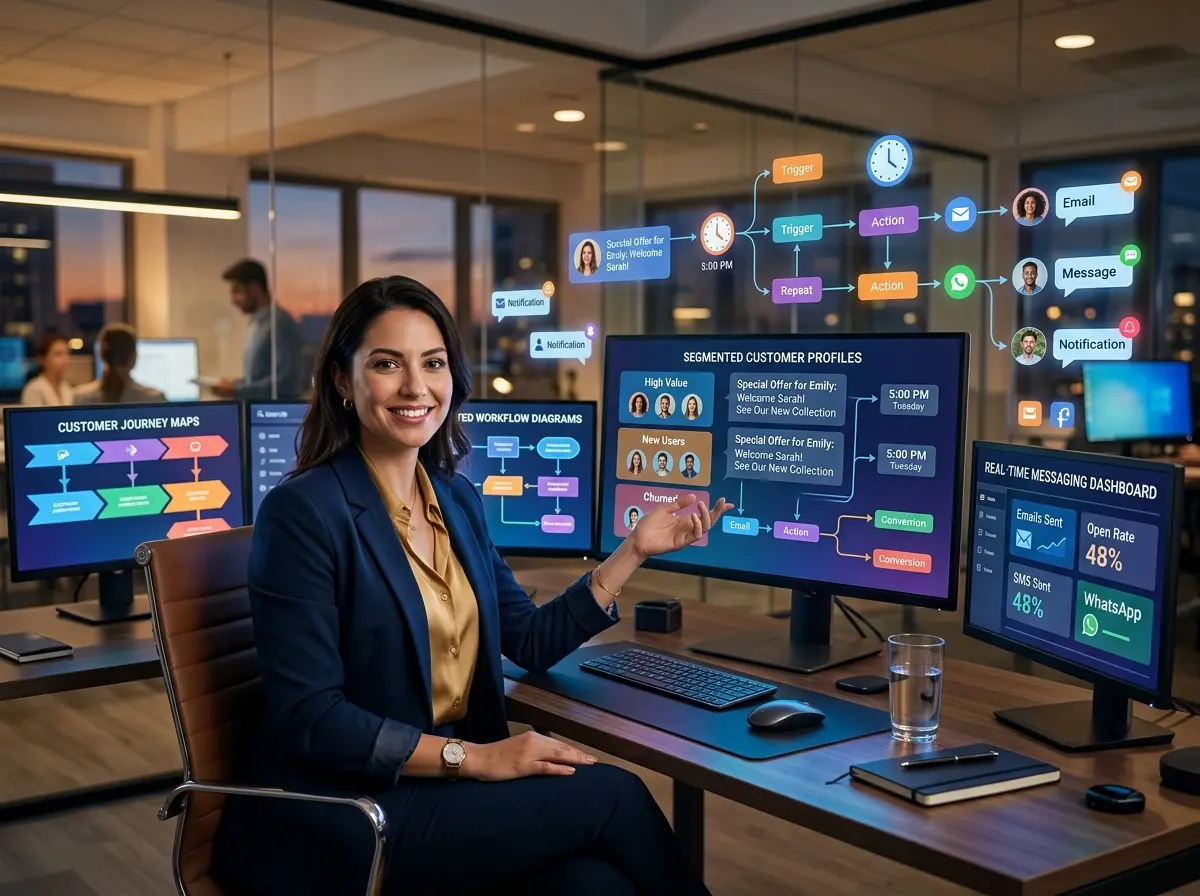
Customer segmentation means grouping your contacts based on shared characteristics so you can tailor communications accordingly. This goes far beyond "new customer" vs. "returning customer." Effective segmentation might include purchase history, service preferences, geographic location, visit frequency, average spend, or even how a customer first discovered your business.
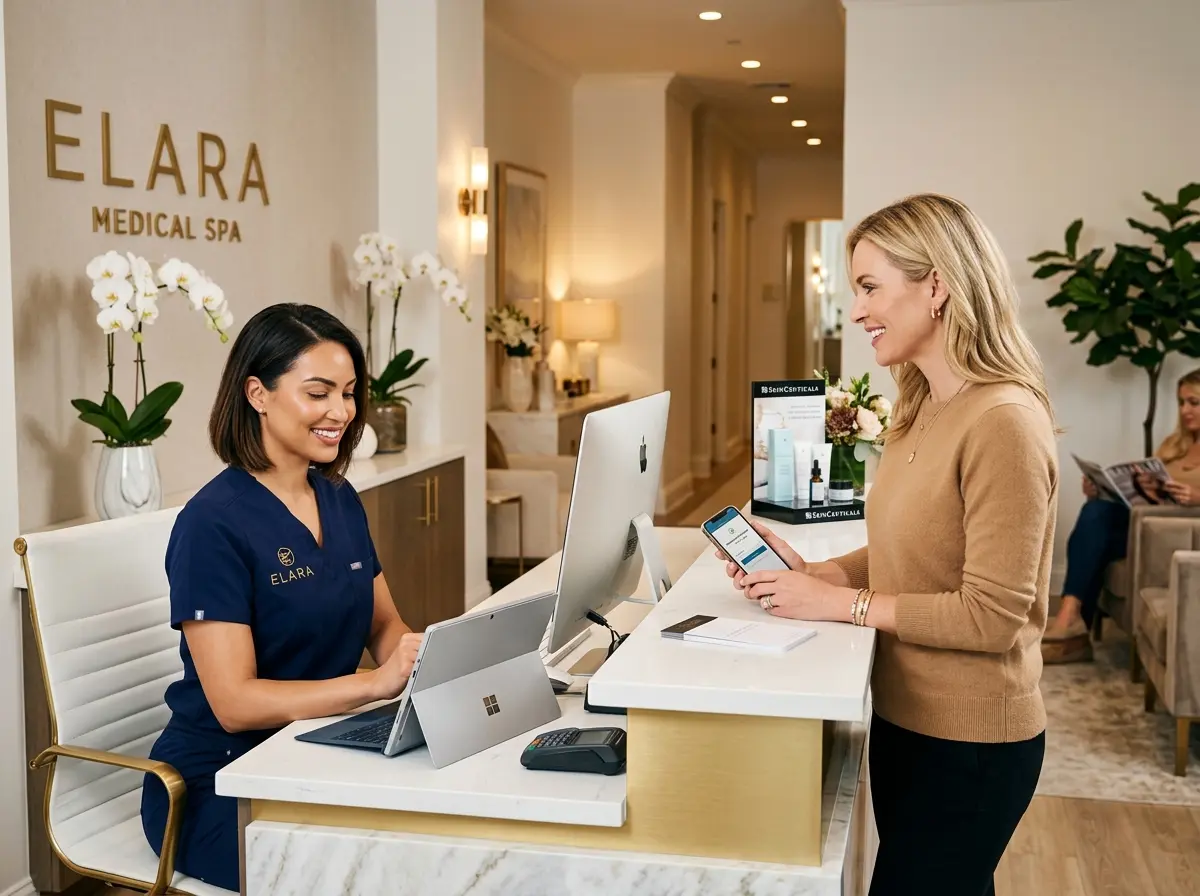
For example, a spa owner might segment customers into: first-time visitors, monthly regulars, customers who exclusively book massages, and lapsed clients who haven't booked in 60+ days. Each of these groups deserves a completely different message. The first-timer gets a warm welcome and an intro offer on their second visit. The lapsed client gets a "we haven't seen you in a while — here's 15% off" nudge. The monthly regular gets early access to a new service before it's announced to the general public. That's relevance. That's what drives action.
Behavioral Triggers Beat Calendar-Based Blasts
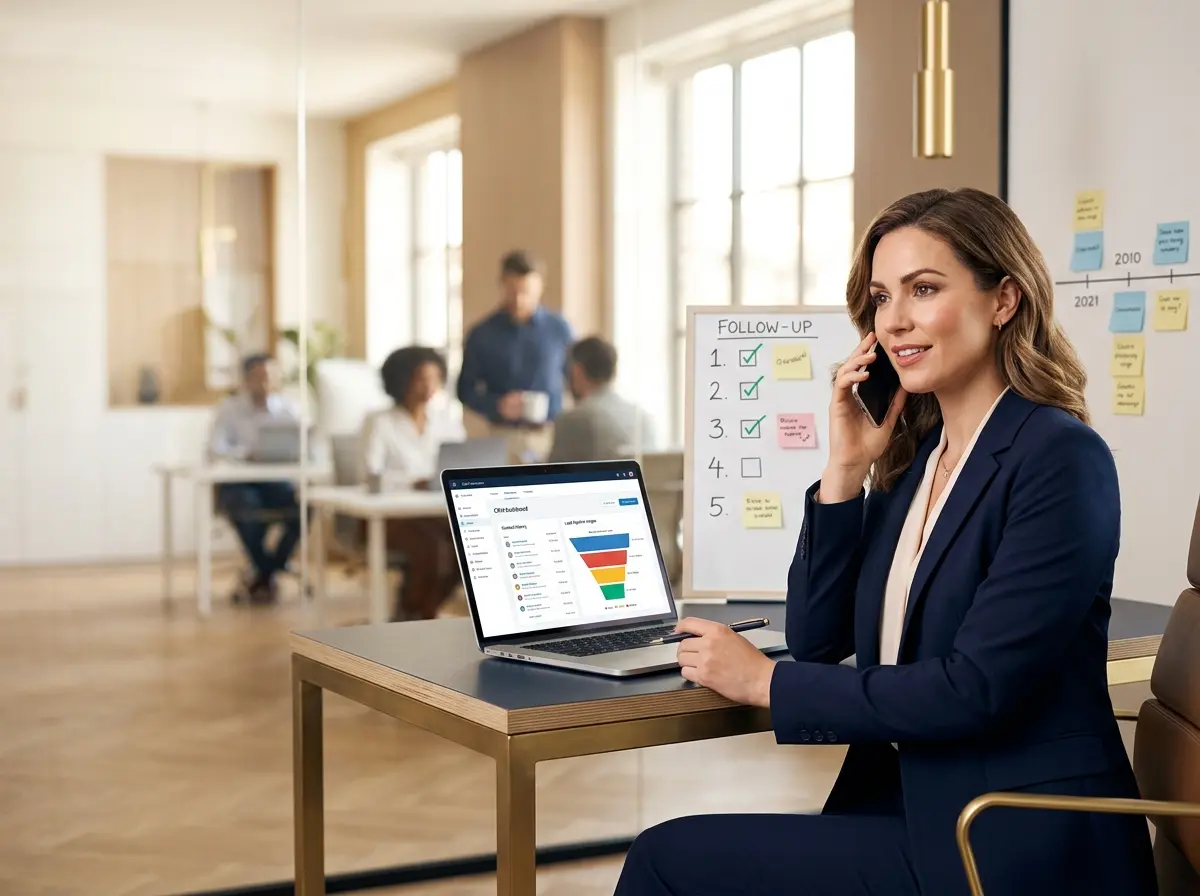
One of the most powerful shifts you can make in your automation strategy is moving from time-based campaigns (blast everyone every Tuesday) to behavior-based triggers (send this message when a customer does this specific thing).
Trigger examples include:
- A customer fills out an intake form → send a personalized welcome sequence
- A customer hasn't visited in 45 days → trigger a re-engagement offer
- A customer asks about a product but doesn't buy → send a follow-up with more information or a limited-time incentive
- A customer makes their fifth purchase → trigger a loyalty reward or VIP acknowledgment
Behavioral triggers feel personal because they are personal — they're responding to what the individual customer actually did, not what you assumed they might want based on a calendar date.
Start Simple, Then Layer Complexity
If you're new to automation, don't try to build a 27-step email funnel on day one. Start with three foundational automations: a welcome message for new contacts, a re-engagement message for lapsed customers, and a post-purchase or post-visit follow-up. Get those working well, measure the results, and then layer in more complexity over time. Perfectionism at the setup stage is the enemy of progress.
Tools That Actually Help: Using Technology to Work Smarter
Let AI Do the Heavy Lifting at the Point of Contact
Here's a step that many business owners overlook: the automation pipeline only works if you're capturing the right customer data in the first place. And that starts at the first point of contact — whether that's a phone call, a walk-in visit, or a web inquiry.
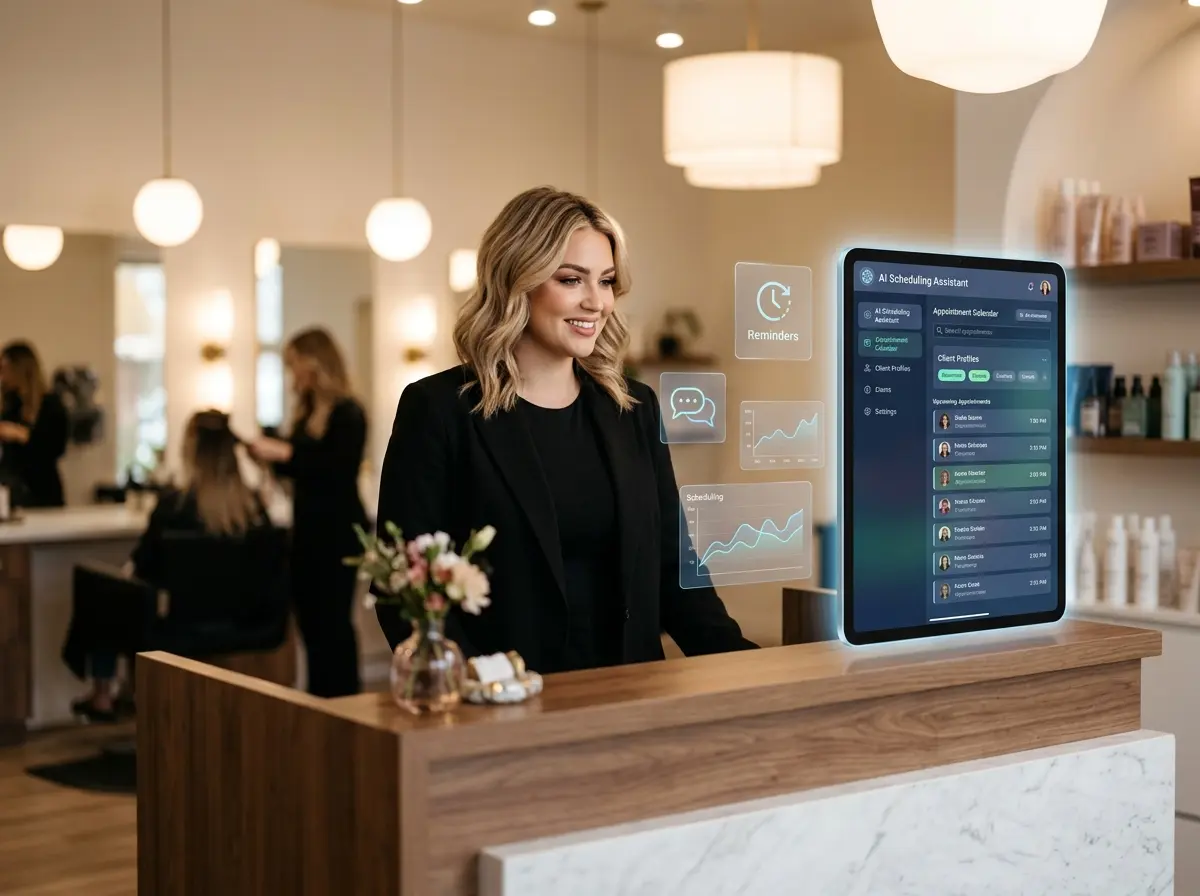
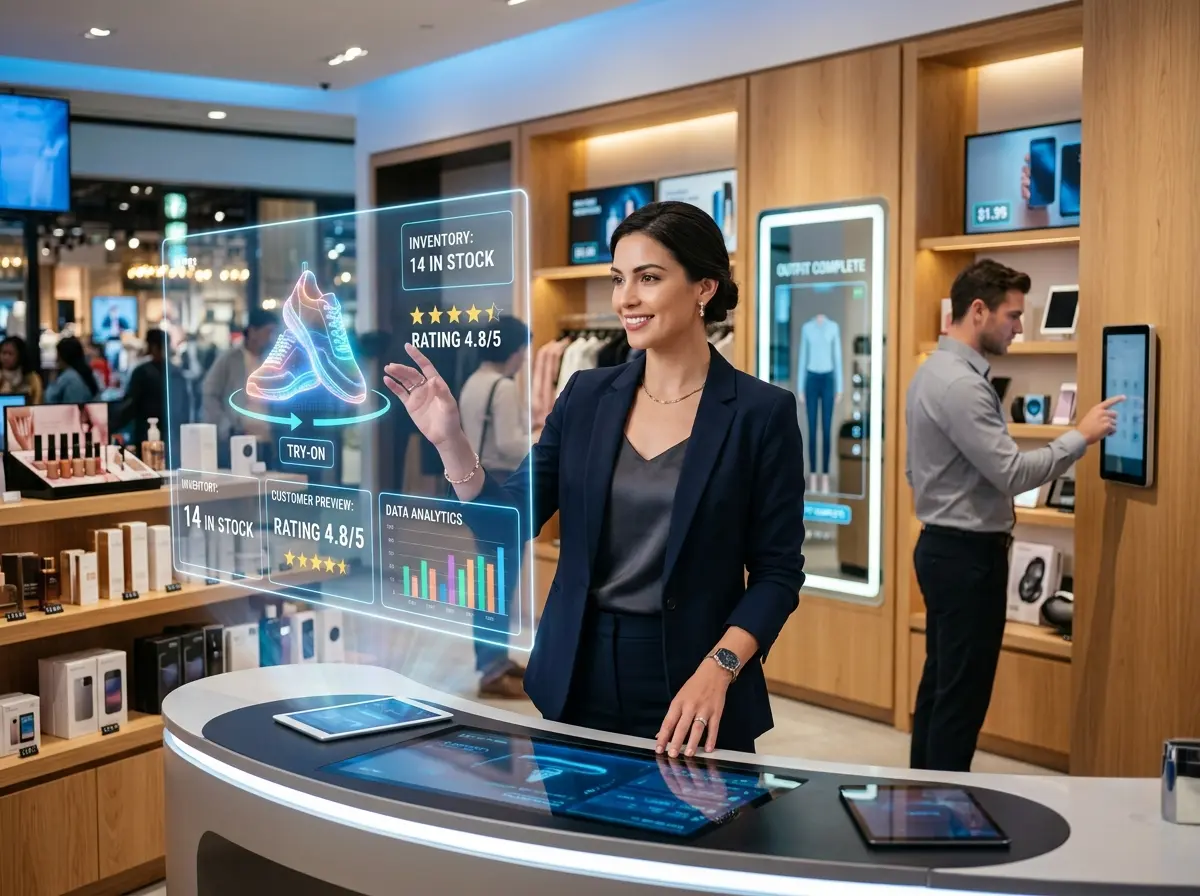
This is where Stella, the AI robot employee and phone receptionist, becomes genuinely useful. In physical locations, Stella stands inside your store as a human-sized kiosk, proactively engaging walk-in customers, answering questions, promoting current deals, and collecting customer information through conversational intake forms — all without pulling your staff away from what they're doing. For phone calls, she answers 24/7, gathers caller information through intelligent conversation, and stores everything directly in her built-in CRM with custom fields, tags, notes, and AI-generated customer profiles. That means by the time a customer ever reaches a human on your team, you already know who they are, what they want, and how to follow up meaningfully. Clean data in, effective automation out.
Crafting Messages That Actually Get Read (and Acted On)
You've got the data. You've set up your triggers. Now comes the part that most business owners rush — the actual content of the messages. Automation handles the delivery, but irrelevant or poorly written content will tank your results regardless of how precise your timing is.
Personalization Beyond "Hi [First Name]"
True personalization in 2024 means more than inserting a customer's name into a subject line. It means referencing what they actually bought, what they actually asked about, or how long they've been a customer. "Hi Sarah — it's been about six weeks since your last color appointment, and we have a few openings this week if you're ready for a refresh" is infinitely more compelling than "Hi Sarah — book your next appointment today!"
The specificity signals that you're paying attention. It builds trust. And it dramatically increases the likelihood that the message will be acted upon rather than archived forever in the promotions tab.
Timing and Channel Matter as Much as Content
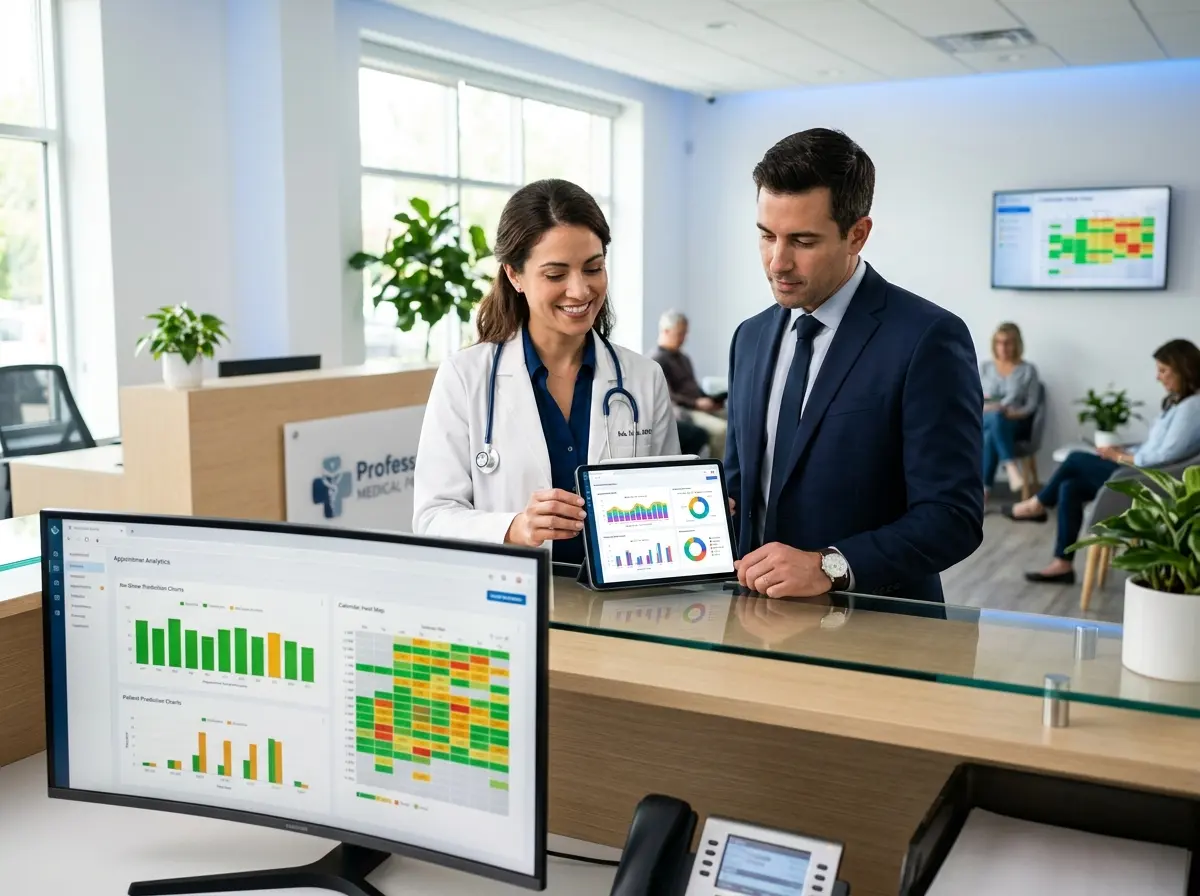
Even the most perfectly crafted message will underperform if it arrives at the wrong time or through the wrong channel. Research consistently shows that emails sent on Tuesday and Thursday mornings tend to get higher open rates for B2B audiences, while SMS messages perform best when sent during business hours (not at 7 a.m. on a Sunday, please). For appointment-based businesses, automated reminders sent 24–48 hours before a visit reduce no-shows by as much as 29%, according to industry data.
Consider the channel preferences of your audience as well. Older demographics may prefer email or even a phone call. Younger customers often respond faster to SMS or push notifications. If you're collecting this preference data at intake — which, again, you should be — you can automate delivery through the channel each customer actually uses.
Test, Measure, and Adjust Relentlessly
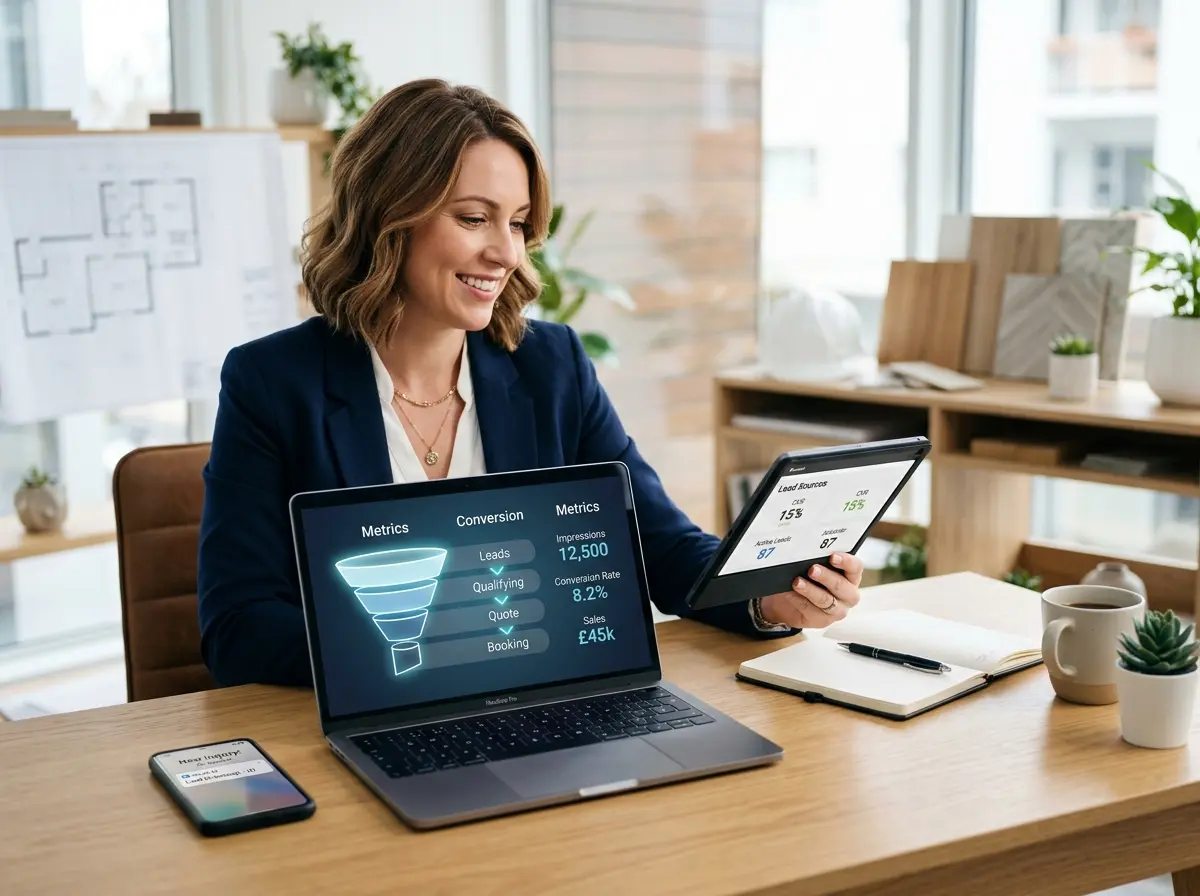
No automation strategy is set-and-forget. The businesses that get the best results from marketing automation are the ones treating it like a living system — constantly reviewing open rates, click-through rates, conversion rates, and unsubscribe rates to understand what's working and what isn't. A/B test your subject lines. Experiment with different send times. Try different calls to action. Small iterative improvements compound into significant gains over time.
Quick Reminder About Stella
Stella is an AI robot employee and phone receptionist available for just $99/month with no upfront hardware costs. She greets customers in-store, answers phone calls around the clock, collects customer data through conversational intake forms, and manages contacts through a built-in CRM — giving your automation strategy the clean, reliable data it needs to actually work. Setup is easy, and she's always ready to work, no sick days required.
Conclusion: Stop Blasting, Start Connecting
Sending the right message to the right customer at the right time isn't a marketing fantasy — it's an achievable, measurable reality for businesses of any size. But it requires intention at every stage: collecting meaningful data at the point of contact, segmenting your audience thoughtfully, setting up behavioral triggers instead of relying on calendar blasts, crafting genuinely personalized content, and continuously optimizing based on real results.
Here's your action plan to get started:
- Audit your current customer data. Is it complete? Is it organized? Can you actually segment it meaningfully? Fix this first.
- Set up three foundational automations — a welcome sequence, a re-engagement campaign, and a post-visit follow-up — before building anything more complex.
- Review how you're capturing customer information at every touchpoint, including phone calls, walk-ins, and web inquiries. Plug any gaps.
- Commit to a monthly review of your automation performance metrics. What's working? What isn't? Adjust accordingly.
The businesses winning the customer communication game aren't the ones with the biggest budgets or the flashiest campaigns. They're the ones who've taken the time to actually understand their customers and built systems that speak to them like it. Stop broadcasting. Start connecting. Your customers — and your revenue — will notice the difference.