When "Sit" Just Doesn't Cut It: Managing Pet Anxiety (and Their Humans) Like a Pro
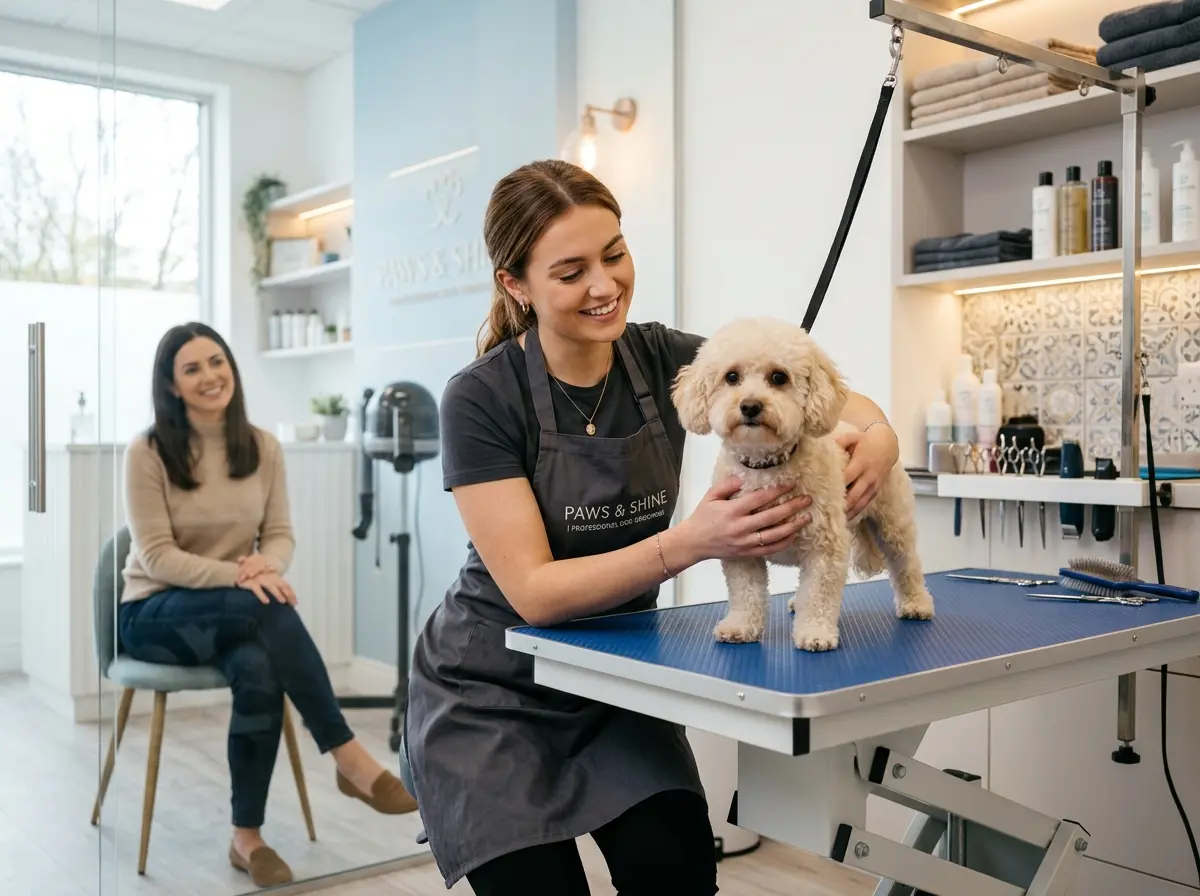
Let's be honest: some days, running a dog grooming shop feels less like a business and more like a therapy practice — except your clients have four legs, and their owners have opinions. If you've ever had a golden retriever shaking like a leaf in your waiting area while their owner texts every five minutes asking for updates, you know exactly what we're talking about. Anxious pets are part of the job. Anxious pet parents, however, are a whole other grooming challenge.
The good news? There are real, practical strategies that can transform your shop from a stress factory into a calming, well-oiled operation that keeps both tails and humans happy. And when you pair solid pet-handling techniques with smart business tools, you might even find time to enjoy your lunch break. Revolutionary, we know.
Understanding Anxiety in Pets (Yes, It's Actually Science)
Why Dogs Get Anxious at the Groomer
Before you can manage anxiety, it helps to understand where it comes from. For most dogs, the grooming environment is a sensory overload: unfamiliar smells, the hum of clippers, running water, other dogs vocalizing their own displeasure, and strangers handling them in ways they didn't exactly sign up for. According to the American Kennel Club, separation anxiety affects an estimated 14–20% of dogs, and grooming visits can trigger or amplify those feelings significantly.
Puppies who weren't socialized early, rescue dogs with unknown histories, and breeds prone to sensitivity (looking at you, border collies and chihuahuas) are especially likely to struggle. The key insight here is that their anxiety is not a character flaw — it's a stress response. Treating it as such, rather than a behavioral inconvenience, changes how you approach the entire appointment.
Reading the Signs Before Things Escalate
The groomers who handle anxious dogs best are the ones who catch stress signals early. Yawning, lip licking, whale eye (that wide-eyed look where you can see the whites), tucked tails, and low body posture are all early indicators that a dog is uncomfortable. Once a dog reaches full panic mode — freezing, snapping, or trying to bolt — it's much harder to de-escalate.
Train your team to document behavioral observations after each visit. A dog who was mildly tense during their first appointment but progressively worse over three visits is telling you something important. These notes become invaluable over time, helping your staff prepare appropriately and helping owners understand what their pet actually experiences.
Practical Techniques That Actually Work
The grooming industry has come a long way from the "just power through it" school of thought. Fear Free certification — a program developed by veterinary behaviorist Dr. Marty Becker — has become increasingly popular among groomers who want science-backed tools for reducing pet stress. Techniques worth incorporating include:
- Slow introductions: Allow the dog to sniff equipment before using it.
- High-value treats: Turn the grooming table into a positive experience with strategic reward pairing.
- Breaks: Short, intentional pauses during the groom can prevent a dog from hitting their threshold.
- Low-stress handling: Avoid restraining techniques that increase panic, opting for cooperative care approaches instead.
- Calming environments: Soft lighting, classical music (yes, really), and lavender-scented sprays have all shown measurable calming effects in clinical settings.
None of these are magic bullets, but combined consistently, they create a grooming experience that dogs learn to tolerate — and sometimes even enjoy. That's your competitive advantage right there.
Handling the Two-Legged Anxiety Problem
The Anxious Owner Is a Real Phenomenon (And a Real Challenge)
Here's the part nobody talks about enough: the dog often isn't the hardest part. Pet owners — especially those with rescue dogs, senior dogs, or dogs with medical conditions — can be intensely anxious during drop-off and throughout the appointment. They're not being difficult on purpose. They love their animals, and leaving them with strangers in an unfamiliar environment genuinely stresses them out.
The problem is that this anxiety has downstream effects on your business. Repeated check-in phone calls disrupt your groomers mid-service. Owners who hover at drop-off make their dogs more anxious, not less. And if something does go wrong — even something minor — an already-worried owner can escalate quickly. Managing owner anxiety isn't a soft skill; it's a legitimate operational priority.
Set clear communication expectations at booking. Let owners know exactly when they'll receive an update, how they can reach you, and what your policy is for mid-appointment check-ins. When people know what to expect, they feel more in control — and they call you less. It's a beautiful thing.
How Technology Can Take the Pressure Off Your Front Desk
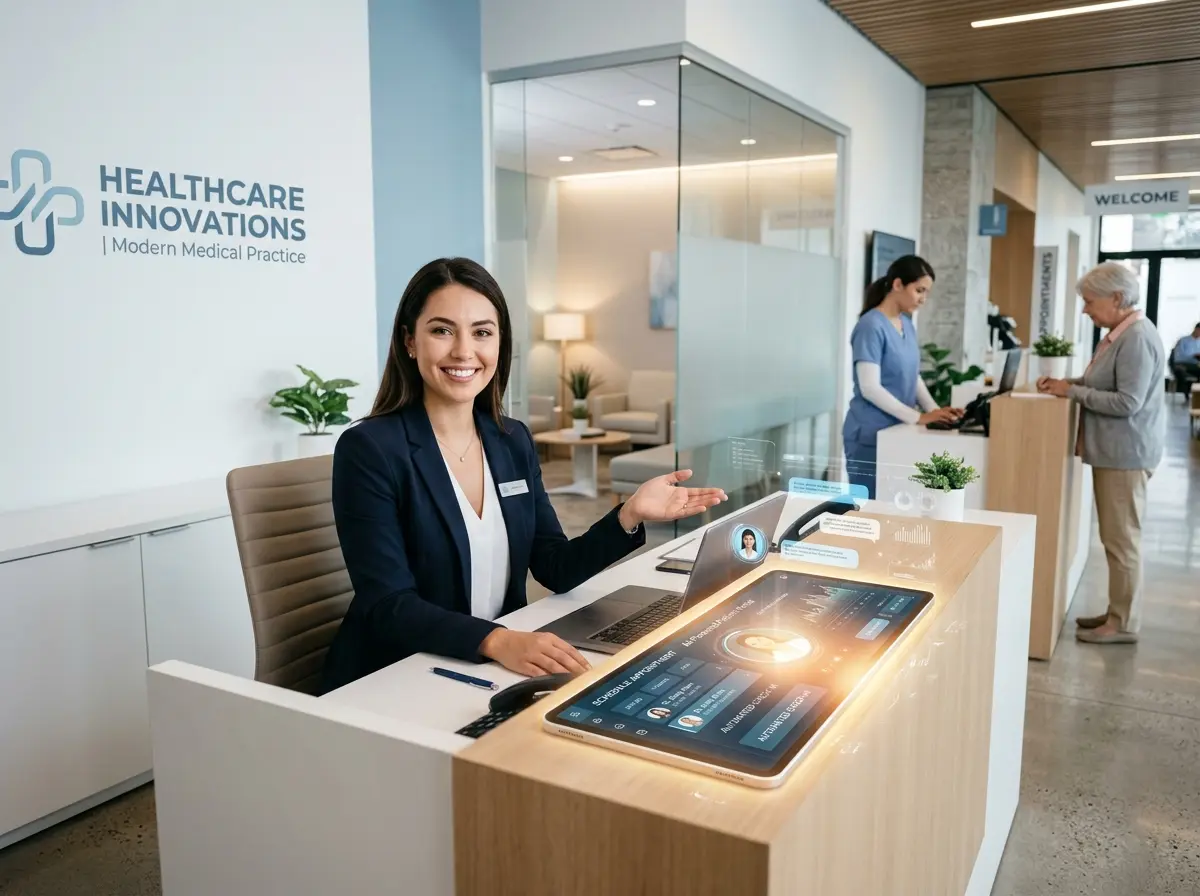
One underappreciated source of owner anxiety is simply not being able to get through to anyone when they call. If your front desk is juggling drop-offs, check-outs, and three groomers asking questions, incoming calls get missed. Missed calls become worried owners who call back. Repeatedly. This is where smart technology earns its keep.
Stella, the AI robot employee and phone receptionist, can answer every incoming call — even during your busiest morning rush — with accurate, friendly information about your services, policies, and appointment availability. For your physical location, she also functions as an in-store kiosk that greets customers, answers questions, and even promotes your current specials, so your groomers can stay focused on the dogs. No more "Can someone get the phone?" echoing through the shop while a nervous labradoodle side-eyes the blow dryer.
Building a Shop Environment That Sets Everyone Up for Success
Your Physical Space Is Doing More Than You Think
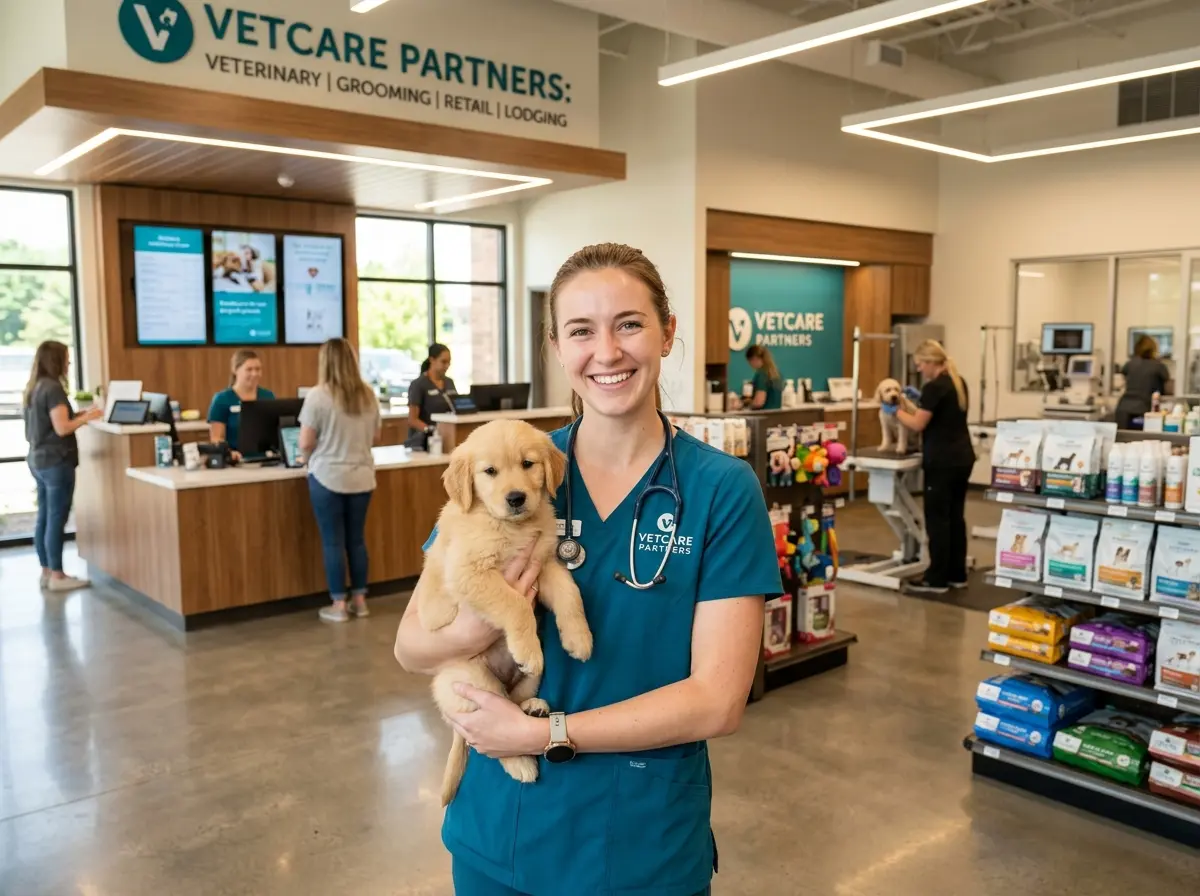
The layout and atmosphere of your grooming shop communicates something to every dog (and owner) who walks through the door before a single word is spoken. A chaotic waiting area where dogs can see and smell each other directly is a recipe for stress. A reception desk where harried staff look overwhelmed doesn't inspire owner confidence either.
Consider creating a calm intake zone that's visually and acoustically separated from your main grooming area. If possible, allow owners to enter through a different path than dogs exiting. Simple acoustic panels can dramatically reduce noise bleed from the grooming floor. These aren't necessarily expensive renovations — they're thoughtful design choices that pay dividends in reduced anxiety and smoother operations.
Training Your Team to Be the Calm in the Storm
Your staff sets the emotional tone of every appointment. Groomers who speak in low, calm voices, move slowly and deliberately, and communicate confidently with owners are worth their weight in gold — and in repeat business. Invest in ongoing education, whether that's Fear Free certification, cooperative care workshops, or simply regular team debriefs where staff can share what's working and what isn't.
It's also worth developing a clear escalation protocol. What happens when a dog is too stressed to safely groom? Who communicates that to the owner, how, and what are the alternative options? Having a defined process — rather than improvising under pressure — protects your team, your clients, and your reputation.
Turning First-Time Nervous Clients Into Loyal Regulars
The first appointment with an anxious dog is genuinely make-or-break. Consider offering a low-stakes "intro groom" — a shorter, lower-stress session focused on building positive associations rather than completing a full groom. Charge appropriately for your time, but frame it as an investment in the dog's long-term comfort. Owners who see you taking their dog's emotional wellbeing seriously become loyal, referring customers. And loyal customers, as any business owner knows, are worth far more than a single appointment.
Follow up after every first appointment with a brief check-in. A simple message noting what went well and what the dog might need to work on next time shows professionalism and genuine care. That level of service is rare, and it sticks.
Quick Reminder About Stella
Stella is an AI robot employee and phone receptionist designed to help business owners like you run smoother operations without adding headcount. She greets customers in-store, answers phones 24/7, promotes your services and specials, and handles intake — so your team can focus on what they do best. At just $99/month with no upfront hardware costs, she's one of the easier business decisions you'll make this year.
Your Next Steps Toward a Calmer, More Profitable Shop
Managing anxiety — whether it belongs to the dog on your table or the owner blowing up your phone — is ultimately a business strategy. Shops that handle it well build reputations that spread by word of mouth, retain clients through difficult grooming seasons, and create working environments where staff actually want to show up. That's not a small thing.
Here's where to start:
- Audit your intake process. Is your drop-off experience calm and informative, or chaotic and rushed? Small changes here have outsized effects.
- Invest in team training. Fear Free certification is a worthwhile credential that also serves as a meaningful marketing differentiator.
- Set communication standards. Decide how and when you update owners, and communicate those standards clearly at booking.
- Evaluate your environment. Walk through your shop as if you're a nervous dog. What do you notice? What could be improved?
- Use technology to cover your gaps. Missed calls and overwhelmed front desks undermine the trust you're working hard to build everywhere else.
Running a grooming shop is genuinely rewarding work — even on the days when a terrified terrier decides your blow dryer is its mortal enemy. With the right systems, the right environment, and the right team, you can build a business that anxious pets and their very anxious owners actually look forward to visiting. And that, honestly, is something to be proud of.