Why Your Therapists Are Leaving Money on the Table (And How to Fix It)
Picture this: A client has just floated off your massage table in a blissful, half-conscious state. Their shoulders are finally un-knotted. Their breathing is slow. Their wallet is right there. And your therapist says, "That'll be $80. See you next time." Fin. End scene.
Meanwhile, you've got a hot stone upgrade sitting unused, a CBD add-on nobody's buying, and a 90-minute session option that clients don't even know exists. The opportunity to increase revenue and client satisfaction walked right out the door — still slightly oily — without anyone saying a word.
Here's the truth: most massage studio owners avoid service upgrade scripts because they're afraid of sounding pushy or salesy. And that's completely understandable. Your brand is built on relaxation, trust, and healing — not hard closes. But there's a massive difference between a pressure-filled upsell and a genuinely helpful recommendation. The right script doesn't feel like a pitch. It feels like a knowledgeable friend suggesting something that would actually make your client's life better. That's what this guide is all about.
The Psychology Behind a Natural Upgrade Conversation
Why "Selling" Feels Wrong in a Wellness Setting
Massage therapists go into their profession to heal people, not to hit a sales quota. So when a studio owner hands them a laminated upsell script that sounds like it was written by a used car dealership, the discomfort is palpable — and clients can feel it. Authenticity matters enormously in wellness environments. A stiff, rehearsed pitch breaks the therapeutic relationship you've worked so hard to build.
The good news is that reframing the entire concept changes everything. Upgrades aren't extras you're pushing for profit (even if they are, financially speaking). They're clinical recommendations and personalized enhancements that genuinely improve the client's outcome. When your therapist says, "I noticed a lot of tension in your lower back today — our heated stone add-on would really help release that deeper tissue layer," that's not a sales pitch. That's expertise in action.
The Three Moments Where Upgrades Land Naturally
Timing is everything. Try to introduce an upgrade mid-session and you've just interrupted someone's nap. Do it correctly, and it feels seamless. There are three windows where upgrade conversations feel completely organic:
- Before the session (intake/consultation): This is your golden window. When a therapist is reviewing a client's needs and goals, it's entirely natural to say, "Based on what you're describing, you might really benefit from our aromatherapy enhancement — would you like to add that today?"
- During check-in or booking: When a client is booking over the phone or at the front desk, this is a low-pressure moment to mention popular add-ons as part of the normal booking flow.
- Post-session debrief: Right after the massage, while the client is still in that warm, receptive glow, a brief and genuine recommendation for a future upgrade or package feels helpful rather than aggressive.
Words That Work — And Words That Don't
Language is everything. Swap out transactional words for therapeutic ones and watch your conversion rate climb. Instead of "Would you like to add anything for an extra charge?" try "To get the most out of your session today, I'd recommend our deep tissue enhancement — it's perfect for the tension you came in with." Instead of "We have upgrades available," try "A lot of clients with similar concerns find that our hot stone therapy really accelerates their results."
The formula is simple: observe, connect, recommend. Acknowledge something specific about the client's situation, connect it to the upgrade, and frame the recommendation around their benefit. Done right, it doesn't feel like selling. It feels like caring — because it is.
Let Technology Handle the Awkward Part
How Stella Can Set the Stage Before Your Therapist Even Walks In
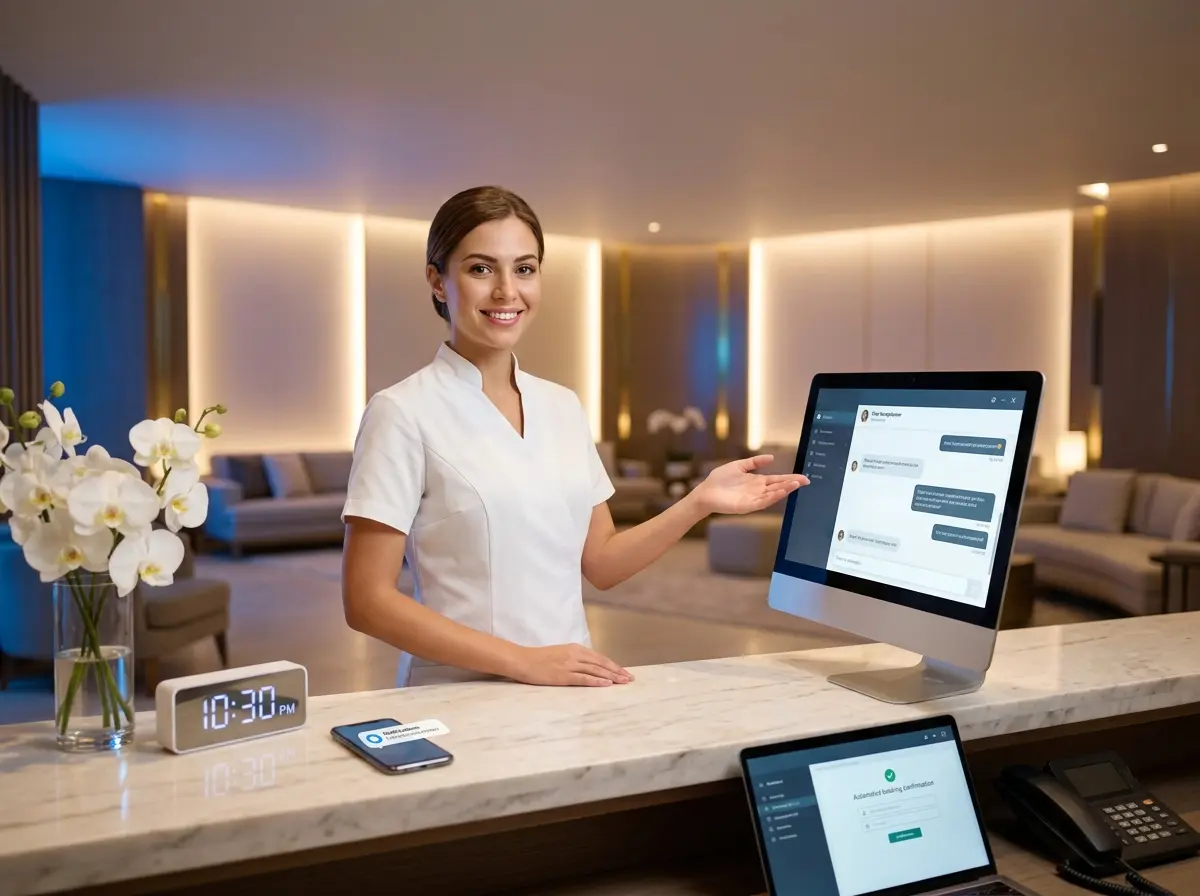
One of the most underrated upgrade strategies is letting someone — or something — else do the initial mentioning, so your therapist never has to feel like a salesperson. Stella, the AI robot employee and phone receptionist, is genuinely excellent at this. When clients call to book, Stella can mention popular add-ons conversationally during the booking process. When they walk in, Stella greets them at the kiosk and can highlight current promotions or session enhancements before the therapist has said a single word.
By the time the therapist enters the room, the client has already heard about the upgrade options in a friendly, zero-pressure context. The therapist simply reinforces what Stella already planted — and suddenly the whole thing feels like a natural continuation of the conversation rather than a pitch. Stella's built-in CRM also lets you track which upgrades clients have tried before, so recommendations can be personalized rather than generic.
Building Your Studio's Upgrade Script From Scratch
Map Your Upgrades to Client Pain Points
Before you write a single word of script, do this exercise: list every add-on or upgrade your studio offers, then write down the specific client complaints or goals that each one addresses. Hot stones? Great for chronic tension and clients who run cold. Aromatherapy? Perfect for stress-driven visitors or anyone with sleep issues. Extended session time? Ideal for clients who are always rushed or who have multiple problem areas.
Once you have this map, your scripts practically write themselves. Every upgrade recommendation becomes a response to a real need rather than a random suggestion. And when clients hear a recommendation that speaks directly to the problem they just described, they don't feel upsold — they feel understood.
Write Scripts for Each Touchpoint
You need slightly different language for different moments and different team members. A front desk script during booking will sound different from a therapist's pre-session recommendation. Here's a simple framework for each:
Phone/Booking Script (front desk or AI): "Absolutely, I can get you booked for a 60-minute Swedish massage on Thursday. A lot of our clients with neck and shoulder tension love adding our hot stone enhancement — it's just [price] more and really deepens the relief. Want me to include that?"
Therapist Pre-Session Script: "Before we get started, I noticed from your intake form that you've been dealing with lower back pain. I'd actually recommend we incorporate our cupping add-on today — it's incredibly effective for that area. Would that work for you?"
Post-Session Script: "Your shoulders were really holding a lot today. Next time, I'd love to try our extended 90-minute session with the CBD oil upgrade — I think you'd feel a significant difference. I can let the front desk know to book that for you if you'd like."
Train Your Team to Own the Conversation
Scripts are a starting point, not a straitjacket. Once your team understands the why behind each upgrade recommendation, they'll start personalizing naturally. Run monthly role-play sessions where staff practice the observe-connect-recommend method on each other. Celebrate upgrade conversions not as sales wins but as client success stories — "Mrs. Kim tried the hot stone upgrade and texted us that she slept better than she had in months." That reframe matters more than any commission structure.
Track which upgrades are being recommended, which are converting, and which aren't landing. If a particular add-on never gets takers, the issue might be the script, the price point, or simply the way it's being positioned — not the product itself. Data-driven iteration is how good scripts become great ones.
Quick Reminder About Stella
Stella is an AI robot employee and phone receptionist built to handle customer interactions in-store and over the phone — 24 hours a day, without breaks, burnout, or bad days. For massage studios, she's particularly useful for promoting upgrades during the booking call and greeting walk-in clients at the kiosk before their appointment. At just $99/month with no upfront hardware costs, she's a remarkably low-risk addition to any front-of-house operation.
Turn Good Scripts Into a Growth Strategy
Creating a natural upgrade script for your massage studio isn't about turning your therapists into salespeople. It's about building a culture where knowledgeable, personalized recommendations are a normal and valued part of the client experience. When done right, clients don't feel sold to — they feel taken care of. And clients who feel taken care of come back, refer friends, and yes, happily add the aromatherapy upgrade next time.
Here's how to put this all into motion starting this week:
- Audit your current upgrades and map each one to a specific client need or complaint.
- Draft scripts for each touchpoint — phone booking, pre-session consultation, and post-session debrief.
- Train your team using role-play and the observe-connect-recommend framework.
- Use technology to warm up clients before the therapist even enters the room.
- Track results monthly and refine the language based on what's actually converting.
Your upgrades exist because they genuinely make the experience better. Your clients deserve to know about them. All you need is the right words, the right timing, and maybe a very helpful robot at the front of the house.