The Tuesday Night Ghost Town Problem (And How to Fix It)
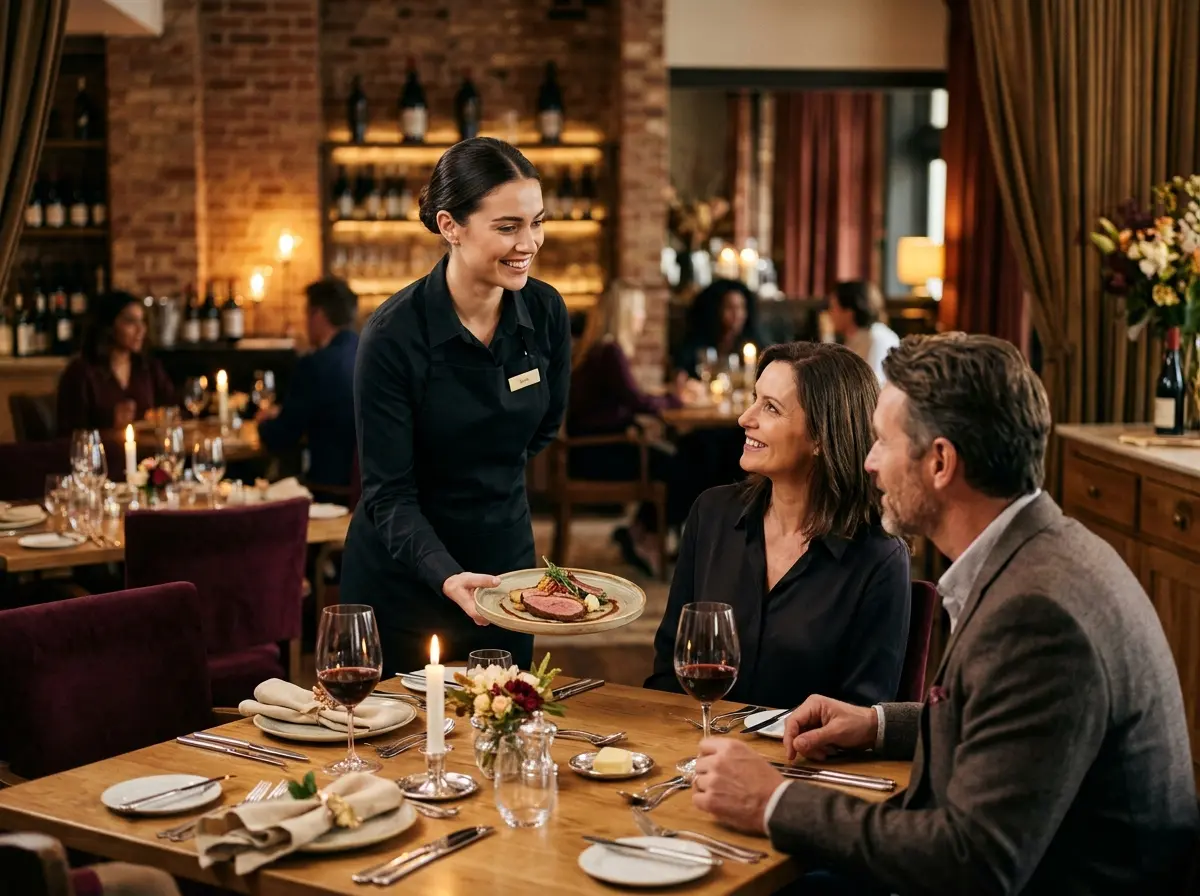
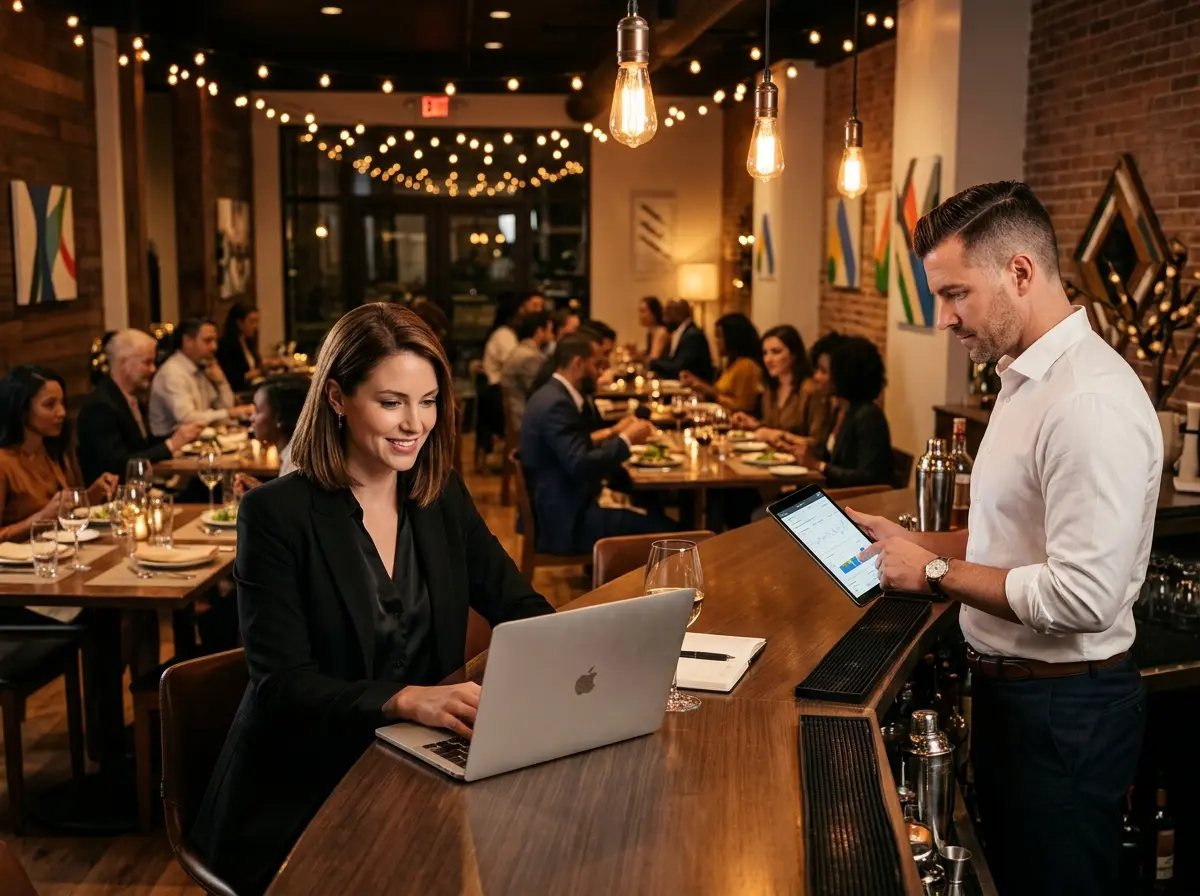
Let's paint a picture you probably know too well: It's 6:30 on a Tuesday evening. Your kitchen staff is prepped, your servers are ready, the candles are lit — and your dining room looks like a scene from a post-apocalyptic film. Meanwhile, your Saturday reservation list is three weeks deep. The feast-or-famine cycle of restaurant traffic is one of the most frustrating realities of the industry, and if you've ever stared at empty tables on a weekday night doing mental math on your overhead costs, you know exactly what we mean.
The good news? Google Ads — when used strategically — can be a remarkably effective tool for pulling hungry customers off the couch on a slow Tuesday or Wednesday evening. Not the "set it and forget it" Google Ads approach that burns through your budget on irrelevant clicks, but a targeted, intentional strategy designed specifically to drive weekday foot traffic. This post will walk you through exactly how to do that without a marketing degree or a small fortune in ad spend.
Building a Google Ads Strategy Around Your Slow Nights
Start With Ad Scheduling — Your Secret Weapon
Most restaurant owners who dabble in Google Ads make the same mistake: they run their ads around the clock and wonder why the results are underwhelming. If you're trying to fill seats on weekday evenings specifically, your ads should be running before and during the decision-making window — typically between 3:00 PM and 7:00 PM on Monday through Thursday.
Google Ads allows you to set custom ad schedules so your budget is only spent when it matters most. Think about when your ideal customer is making dinner decisions. They're wrapping up work, thinking about what to eat, and reaching for their phone. That's your window. Showing your ad at 2:00 AM on a Saturday doesn't help anyone — except maybe Google's revenue team.
Use Hyper-Local Targeting to Reach Nearby Diners
Geographic targeting is where small restaurant budgets can punch well above their weight. Rather than casting a wide net across your entire city, set your Google Ads to target people within a tight radius of your location — often 3 to 5 miles is the sweet spot for urban and suburban restaurants. You can layer this with bid adjustments, meaning you bid more aggressively for people who are physically closer to your front door.
According to Google, searches for "restaurants near me" have grown by over 200% in recent years, and a significant portion of those searches happen in the late afternoon. Combine radius targeting with ad scheduling and you're already ahead of 90% of your competition.
Write Ad Copy That Creates Urgency for Weekday Specials
Generic ad copy like "Great food, great prices!" is the advertising equivalent of a shrug. Instead, your copy should speak directly to the weekday diner mindset. Phrases like "No Wait Tonight — Book Your Table Now" or "Tuesday Half-Price Pasta — Only This Week" do two important things: they communicate a specific offer and they create urgency. Diners don't want to feel like they're settling for a Tuesday night out — they want to feel like they're getting in on something exclusive.
Use Google's Responsive Search Ads format to test multiple headlines and descriptions simultaneously. Google will automatically serve the best-performing combinations, which means you're essentially A/B testing your messaging without doing the work manually. Over a few weeks, you'll have real data on what resonates with your local audience.
Turning Ad Clicks Into Actual Reservations
Optimize Your Landing Page (Or at Least Your Google Business Profile)
An ad is only as good as what happens after the click. If someone clicks your ad and lands on a slow-loading webpage with no clear call to action, you've paid for nothing. Ideally, your ad should point to a dedicated landing page with a simple reservation form, your hours, and your weekday special prominently displayed. If a full landing page feels out of reach right now, at minimum make sure your Google Business Profile is completely filled out — hours, menu links, photos, and a booking button if your reservation system supports it. Many ad clicks go directly to your profile, and a half-finished profile kills conversions.
How Stella Can Help Convert Interest Into Guests
Here's where things get interesting. You've done everything right — the ad schedule, the targeting, the compelling copy — and now people are calling your restaurant to ask about the Tuesday special or make a reservation. If that call goes unanswered or gets put on hold for five minutes, the customer simply hangs up and orders pizza. That's a paid click that went nowhere.
Stella is an AI robot employee and phone receptionist that answers calls 24/7 with full knowledge of your menu, hours, specials, and policies. She handles inquiries naturally and professionally, so no lead slips through the cracks during a busy dinner rush — or on a slow Tuesday when your one staff member is juggling everything. For restaurants with a physical location, she also stands inside the restaurant as a kiosk, proactively engaging walk-in customers and promoting current deals. Between her in-store presence and phone answering capabilities, Stella makes sure the customers your ads attract actually make it to a table.
Measuring What's Working and Refining Your Approach
Set Up Conversion Tracking Before You Spend a Dollar
This step is non-negotiable, yet it's skipped constantly. Conversion tracking tells you which clicks are actually resulting in reservations, phone calls, or direction requests — not just which ones cost you money. Google Ads integrates with Google Analytics and can track specific actions on your website, like a reservation form submission. You can also enable call tracking directly through Google Ads, which records how many people called your restaurant after clicking an ad. Without this data, you're flying blind and hoping for the best, which is not a strategy.
Set up conversion tracking from day one, even if it takes an hour with your web person. Future you — staring at a dashboard full of actionable data — will be very grateful.
Evaluate Performance Weekly and Adjust Accordingly
Google Ads rewards active management. Review your campaign at least once a week during the first month. Key metrics to watch include your click-through rate (CTR), your cost per conversion, and your impression share for local searches. If certain ad headlines are underperforming, pause them. If a particular day of the week is generating strong results at low cost, shift more budget toward it.
Many restaurant owners give up on Google Ads after two weeks because "it didn't work." What usually didn't work was the lack of iteration. A well-managed campaign improves over time as Google's algorithm learns which users are most likely to convert. Give it at least 30 days of consistent data before drawing conclusions, and treat early results as information rather than verdicts.
Scale What Works With Seasonal and Event-Based Campaigns
Once you've nailed down a baseline campaign that reliably fills seats on slow nights, use that foundation to build out seasonal promotions. Valentine's Day pre-fix dinner, back-to-school family nights, holiday party bookings — these are all opportunities to layer targeted campaigns on top of your always-on strategy. Create separate ad groups for each promotion with dedicated copy and landing pages, so your data stays clean and you can clearly see what's driving results. Over time, you'll build a repeatable playbook for every slow season your restaurant faces.
Quick Reminder About Stella
Stella is an AI robot employee and phone receptionist built for businesses like yours — available at just $99/month with no upfront hardware costs. She greets customers in-store, answers phones around the clock, promotes your specials, and makes sure no inquiry goes unanswered. Whether it's a walk-in asking about your weekday deal or a caller wanting to book a table, Stella handles it professionally every time — no breaks, no bad days, no turnover.
Time to Stop Staring at Empty Tables
Filling seats on weekday evenings isn't a mystery — it's a targeting problem. The right people exist in your area right now, debating where to eat dinner tonight, and Google Ads gives you a direct line to reach them at exactly the right moment. The formula is straightforward: show up when decisions are being made, speak directly to what your customer wants, make it easy to take action, and measure everything so you can improve over time.
Here's your action plan to get started:
- Create or audit your Google Business Profile — make sure it's complete, accurate, and has current photos.
- Set up a Google Ads account and start with a modest budget of $10–$20 per day.
- Build one focused campaign targeting weekday evenings with ad scheduling and a 3–5 mile radius.
- Write compelling, offer-specific ad copy that highlights your weekday special and creates urgency.
- Enable conversion tracking from day one so you know what's actually working.
- Review and optimize weekly for the first 30–60 days before scaling up.
Your Tuesday nights don't have to look like a ghost town anymore. With a smart Google Ads strategy and the right tools supporting your front-of-house operations, those empty tables can become your most profitable seats of the week. Now go fill them.