Introduction: The Best Customers Are the Ones Who Already Trust You
Cold calling. Cold emailing. Knocking on doors, handing out flyers, and hoping someone — anyone — picks up the phone and doesn't immediately assume you're trying to sell them an extended warranty. If you've been running a small business for more than five minutes, you already know that outbound prospecting is exhausting, expensive, and about as fun as unclogging a drain. (Which, for plumbers, is actually their job. We'll circle back to that.)
Here's the thing: the businesses that never have to chase customers aren't necessarily the ones with the biggest marketing budgets or the flashiest social media presence. They're the ones that figured out something deceptively simple — build a reputation strong enough that the customers come to you. Referrals roll in. Reviews do the heavy lifting. And the phone rings because people want to call, not because you guilt-tripped them into it with a cold email sequence.
One small plumbing company did exactly that. No enormous ad spend. No sales team. No awkward cold outreach. Just a deliberate, consistent strategy built around trust, responsiveness, and showing up professionally every single time. Let's dig into how they pulled it off — and how you can apply the same principles to your own business, whether you're fixing pipes or selling pastries.
The Foundation: How Trust Becomes Your Best Sales Tool
Reputation Is a Long Game — But It Compounds
Riverside Plumbing (a composite based on real small plumbing businesses that have gone referral-only) didn't build their reputation overnight. It took about three years of deliberate effort before they noticed that nearly every new customer was coming in from a referral or a Google review. But here's the part that surprised even them: once that flywheel started spinning, it accelerated. Each satisfied customer didn't just come back — they brought one, two, sometimes five more people with them.
This is the compounding nature of reputation. According to Nielsen, 92% of consumers trust referrals from people they know above any other form of advertising. Word of mouth isn't just free marketing — it's the most persuasive marketing that exists. The challenge is that you have to earn it, repeatedly and consistently, before it starts earning for you.
What "Showing Up Professionally" Actually Means
When Riverside Plumbing's owner talks about "showing up professionally," he doesn't just mean sending technicians in clean uniforms (although yes, that matters). He means responding to inquiries quickly. Answering the phone when it rings — even after hours. Following up after jobs to make sure customers were satisfied. Sending appointment reminders. Basically, doing all the things that most small businesses intend to do but drop the ball on because they're too busy actually doing the work.
The gap between intending to be responsive and actually being responsive is where most small business reputations quietly fall apart. A potential customer calls, gets no answer, calls a competitor, and now that competitor has a new loyal client. This happens dozens of times a week across small businesses everywhere, and the owners never even know it's happening.
Reviews as a Flywheel, Not a One-Time Task
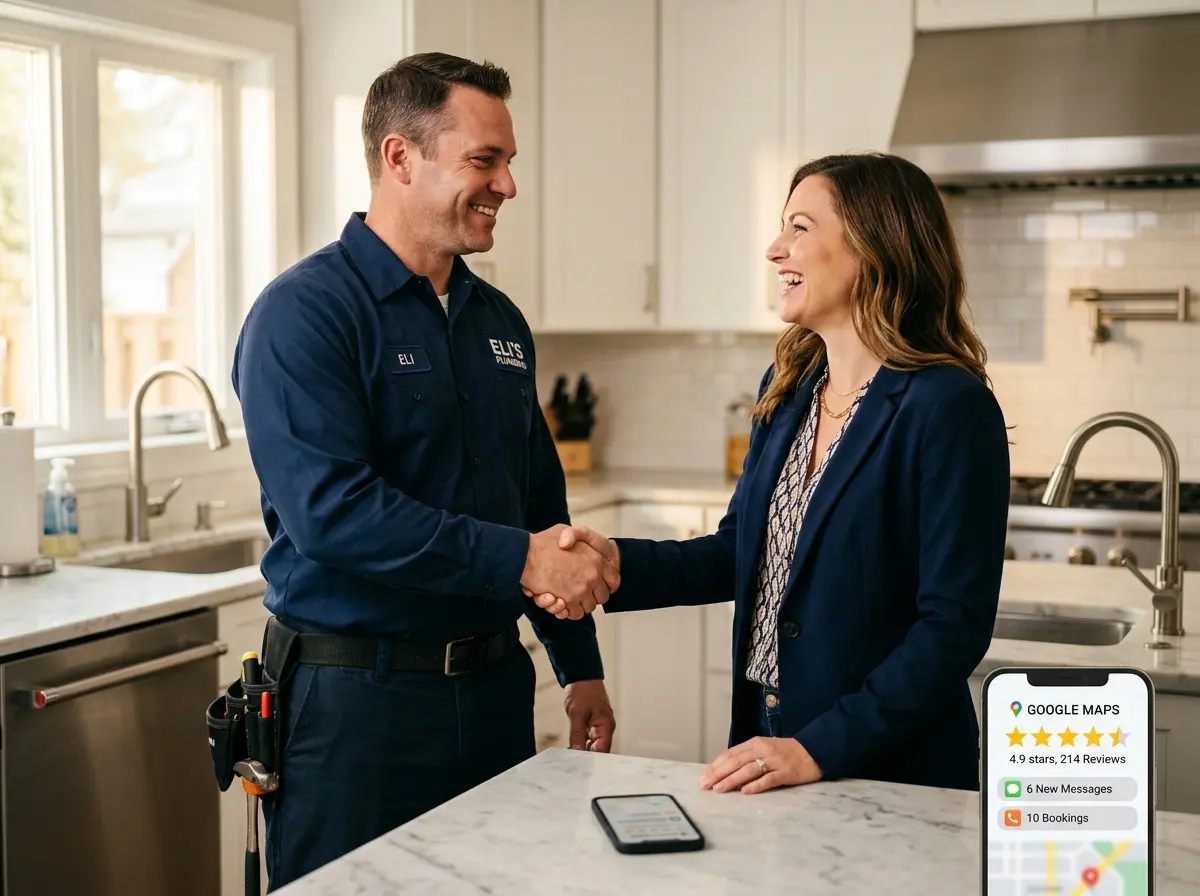
Riverside made review collection a non-negotiable part of their process — not a thing they remembered to do occasionally, but a systematic follow-up after every single job. They kept it simple: a text message within an hour of job completion with a direct Google review link. No begging. No lengthy email. Just a friendly message and an easy link.
Within 18 months, they went from a handful of reviews to over 200, with an average rating above 4.8 stars. That rating became their most powerful sales asset. When a homeowner searched "plumber near me" at 10pm with a leaking pipe and no patience, Riverside's name — with its glowing reviews — was the obvious choice. No cold outreach required.
Keeping the Phone Answered and the First Impression Flawless
The Missed Call Problem Is Bigger Than You Think
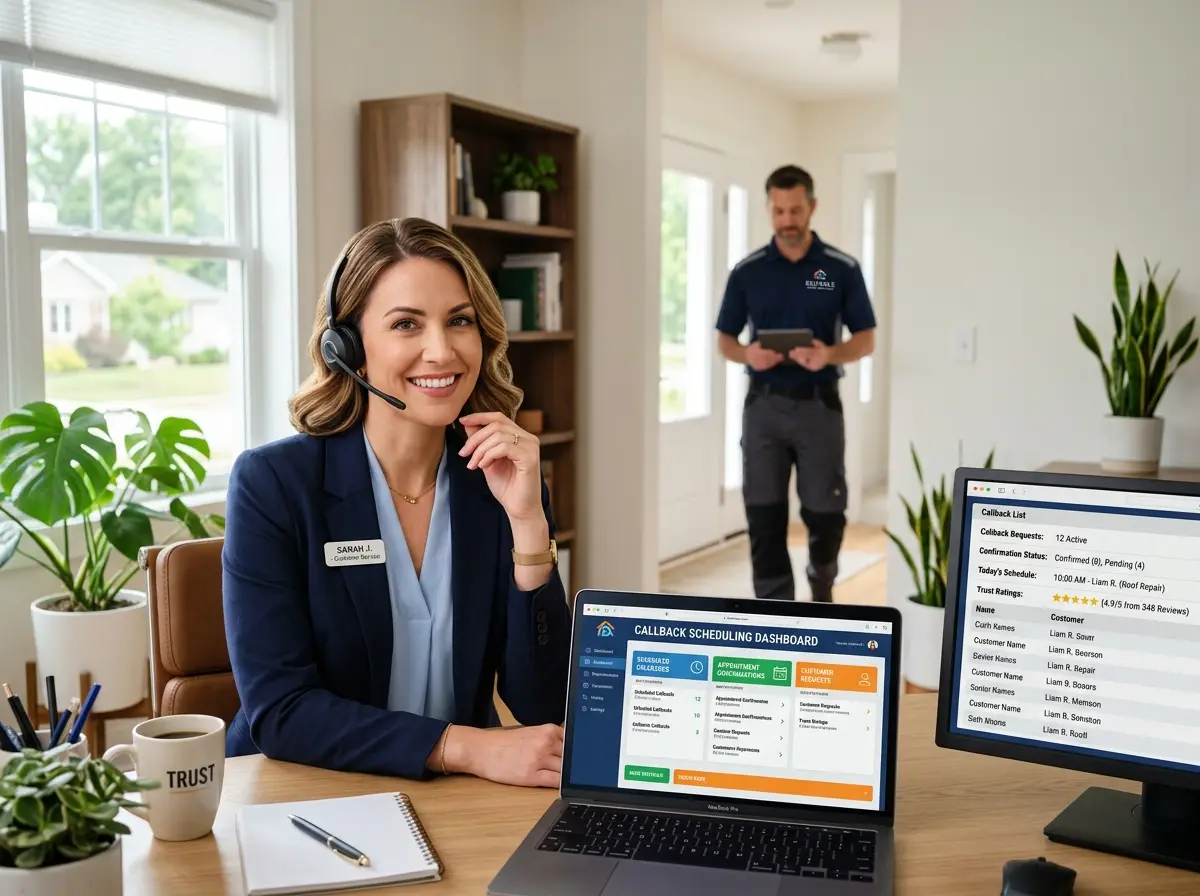
Here's a statistic that should make every small business owner a little uncomfortable: 62% of calls to small businesses go unanswered. That's not a typo. Nearly two-thirds of the people trying to hand you their money are hitting voicemail — or worse, dead silence — and then moving on. For a plumbing company competing on reputation and responsiveness, a missed call isn't just an inconvenience. It's a hole in the boat.
Riverside's solution was to treat every inbound call as a VIP interaction, regardless of the time of day. They trained staff, optimized their scheduling, and eventually brought in tools to make sure no call went unanswered. This single focus — always pick up — became one of their most-cited qualities in reviews. "I called at 9pm and someone actually answered" is apparently remarkable enough to earn a five-star review. (Which says a lot about the competition.)
How Stella Fits Into This Picture
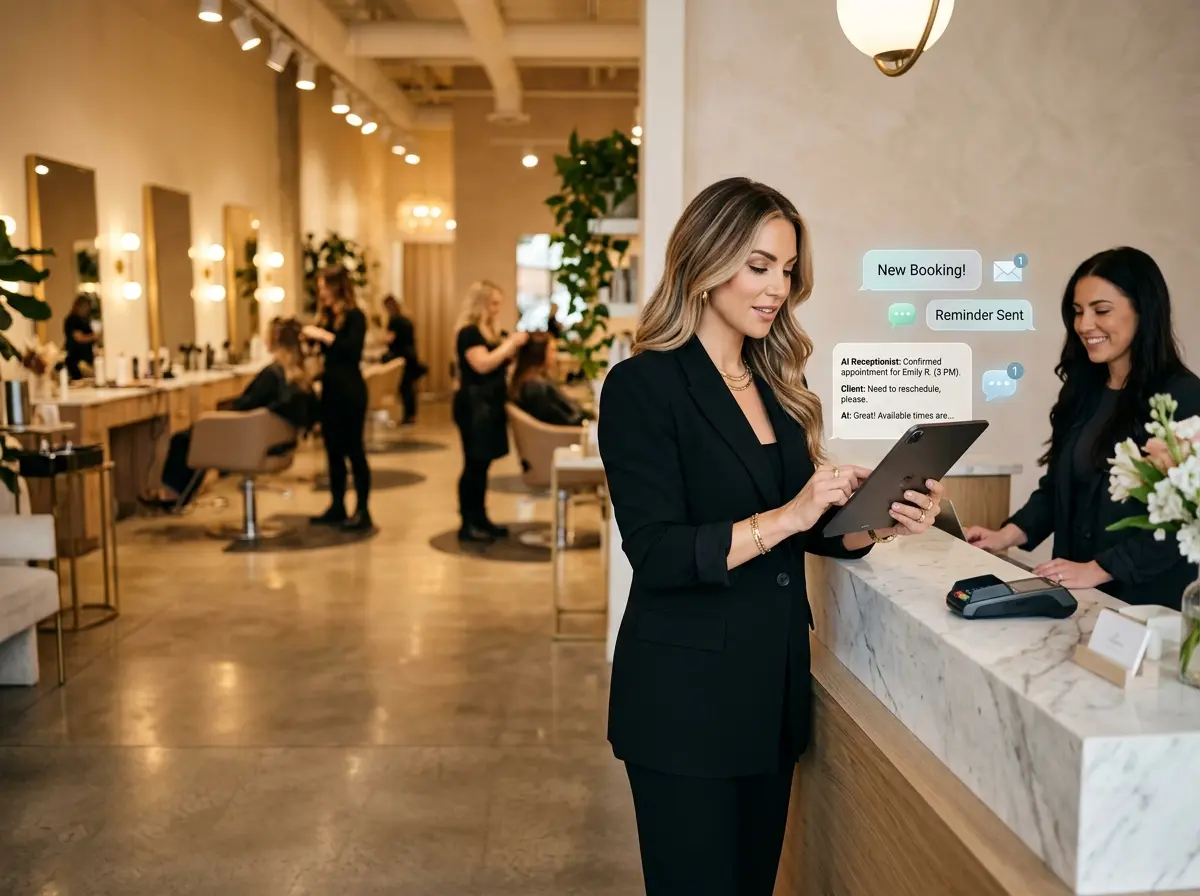
For businesses that want to close the missed-call gap without hiring a full-time receptionist, Stella is worth knowing about. Stella is an AI robot employee and phone receptionist that answers calls 24/7 with real business knowledge — your services, pricing, hours, policies, and current promotions. She can handle inquiries on her own, collect customer information through conversational intake forms, forward calls to staff based on your rules, and send managers AI-generated voicemail summaries with push notifications. For businesses with a physical location, she also operates as a friendly in-store kiosk, greeting customers and answering questions so your staff can stay focused. Her built-in CRM captures and organizes every customer interaction automatically, so nothing falls through the cracks.
Turning Happy Customers Into a Referral Engine
Stop Waiting for Referrals — Build a System That Generates Them
Most small business owners know referrals are valuable. Far fewer have an actual system to generate them. Riverside didn't leave referrals to chance. After a positive job completion, their follow-up sequence included a thank-you message, a review request, and a gentle mention of their referral program: send us a new customer and your next service call gets a discount. Simple. No complicated multi-tier structure. No spreadsheet tracking. Just a clear incentive and a reminder to tell their friends.
The result? About 30% of their new customers in year three came directly from referral program participants. That number would have been zero without the system. The work was largely automated — a few well-crafted messages, timed appropriately — and it ran without requiring the owner to personally ask anyone for anything. Which, if you've ever had to awkwardly ask a customer for a referral in person, you know is an underrated benefit.
The Customer Experience Is the Marketing
Here's the mindset shift that separates businesses that thrive on referrals from those that don't: every touchpoint is a marketing event. The way your phone is answered is marketing. The way an inquiry is followed up on is marketing. The confirmation text, the on-time arrival, the clean job site, the post-service check-in — all of it forms an impression that either gets talked about positively or doesn't get talked about at all.
Riverside obsessed over these moments. They created checklists for technicians. They standardized their communication templates. They made sure that the experience of hiring them felt notably better than the experience of hiring anyone else. Not because they were trying to win awards, but because they understood that a customer who has a genuinely excellent experience doesn't need to be persuaded to refer you. They want to, because it makes them look good to recommend someone exceptional.
Consistency Beats Perfection Every Time
One thing Riverside's owner is quick to emphasize is that they didn't have a perfect customer experience. Things went wrong occasionally. A job ran long. A technician had an off day. What separated them wasn't flawlessness — it was the consistency of how they handled problems when they arose. They called customers proactively when running late. They addressed complaints immediately and without argument. They made things right, visibly and graciously, which often turned a frustrated customer into a loyal evangelist.
Consistency in the face of imperfection is genuinely rare. Customers don't expect perfection — they've been burned enough times to know better. What they don't expect is a company that takes accountability seriously and fixes problems without being dragged into it. Do that reliably, and your reputation will eventually outpace anything your competitors could buy with an ad budget.
Quick Reminder About Stella
Stella is an AI robot employee and phone receptionist designed for businesses of all sizes — from solo service providers to multi-location retailers. She answers calls around the clock, greets in-store customers proactively, handles intake, promotes your current offers, and keeps your CRM updated without anyone lifting a finger. At $99/month with no upfront hardware costs, she's the kind of team member who never calls in sick, never misses a call, and never forgets to mention the current promotion.
Conclusion: Build the Reputation, and Let It Do the Selling
The story of Riverside Plumbing isn't about a secret formula or a viral marketing campaign. It's about doing ordinary things — answering the phone, following up, asking for reviews, treating every customer interaction as an opportunity — with extraordinary consistency. That consistency, compounded over time, built a reputation that made cold outreach completely unnecessary. Their pipeline is full. Their schedule is booked. And the only calls they're making are the ones to confirm appointments, not to awkwardly pitch strangers.
Here's what you can start doing this week:
- Audit your responsiveness. How many calls are going unanswered? How quickly are inquiries being followed up on? Find the gaps and close them.
- Systematize your review collection. Set up an automated follow-up after every transaction or service. Make the link easy to click. Be consistent.
- Launch a simple referral program. You don't need anything fancy — a discount, a gift card, or even just a heartfelt thank-you can be enough to get customers talking.
- Treat every touchpoint as marketing. Your hold music, your voicemail greeting, your follow-up email — all of it shapes the impression customers carry with them and share with others.
- Handle problems visibly and graciously. A well-handled complaint creates more loyalty than a smooth experience that required no recovery at all.
Cold outreach isn't inherently evil, but it is a sign that your inbound pipeline needs work. Build your reputation deliberately, protect it fiercely, and give your customers a reason to do your marketing for you. The best plumbers — and the best business owners of every kind — are the ones who are too busy with referrals to ever have to cold call anyone again.
Now go answer your phone.