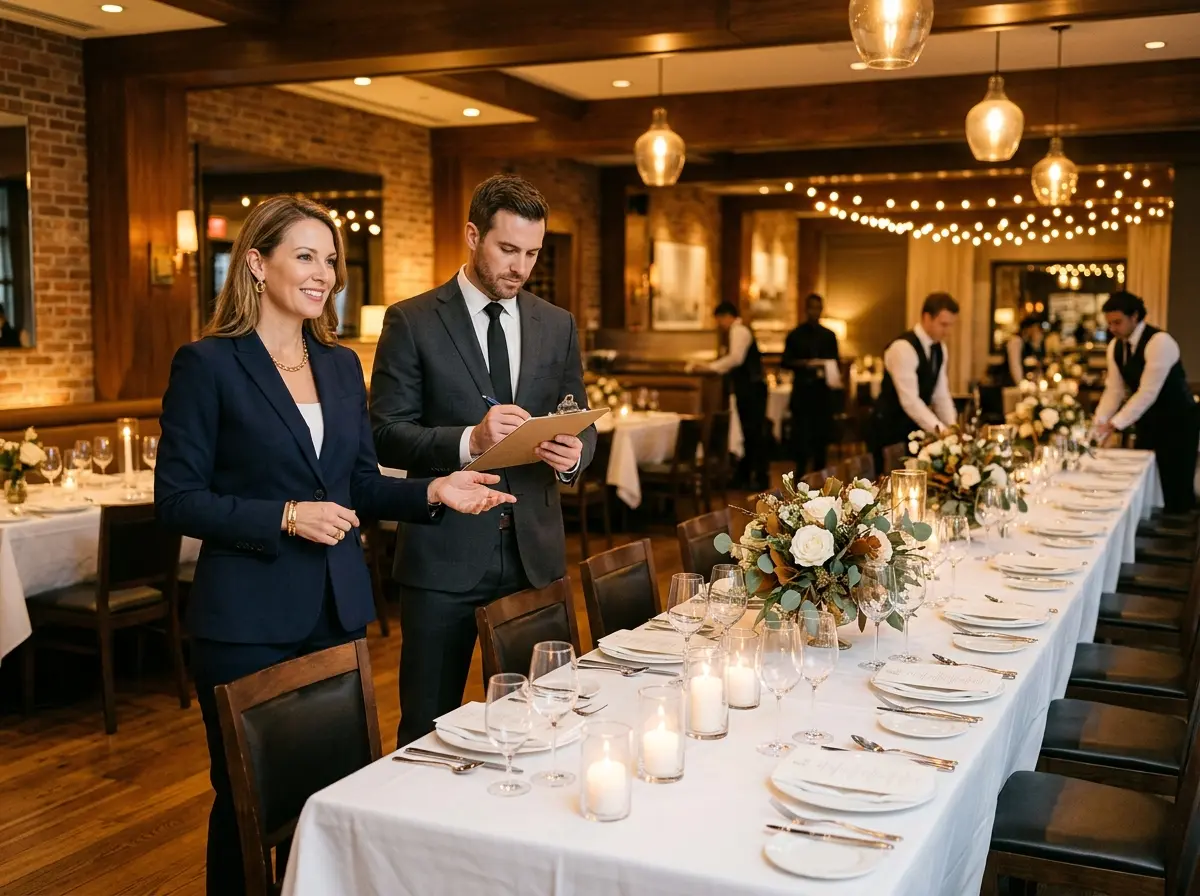
Your Private Event Program Is Sitting on a Gold Mine (Are You Standing on It?)
Let's be honest — most restaurant owners treat private events like a bonus feature. A nice little cherry on top when someone calls asking about birthday dinners or corporate happy hours. You scramble to find a menu, quote a price, and hope for the best. Meanwhile, the restaurants down the street are booking out their private dining rooms six weeks in advance and generating tens of thousands of dollars in predictable, high-margin revenue every single month.
The difference isn't luck. It's strategy. Private events — think birthday parties, rehearsal dinners, corporate lunches, holiday parties, networking events, and baby showers — represent one of the most lucrative and underutilized revenue streams in the restaurant industry. According to Eventbrite and various hospitality industry reports, restaurants that actively promote and manage private events can see event-related revenue account for 15–30% of total annual revenue. That's not a rounding error. That's a business unit hiding in plain sight.
This guide is your roadmap to turning that "nice bonus" into a structured, scalable, and seriously profitable revenue center. No fluff, no filler — just actionable steps you can start using this week.
Building the Foundation of a Serious Private Events Program
Define Your Spaces, Packages, and Minimums — Then Commit to Them
The first mistake most restaurants make is treating every private event inquiry as a custom, one-off negotiation. That approach is exhausting, inconsistent, and leaves serious money on the table. Instead, take the time to clearly define what you're actually selling.
Map out your private and semi-private spaces with specific capacities, setup options, and any unique features (AV equipment, private bar, scenic views — whatever applies). Then build tiered event packages around those spaces. A basic lunch package, a premium dinner buyout, a cocktail reception option — give people clear choices with clear pricing. Most importantly, establish food and beverage minimums that actually make the booking profitable for you, not just convenient for the guest.
When your packages are defined, documented, and consistently communicated, you stop negotiating from a position of uncertainty and start operating like the professional event venue you're capable of being. Bonus: it also makes it much easier to train staff, respond to inquiries quickly, and close bookings faster.
Create a Dedicated Inquiry and Booking Process
A prospective event client who emails your general inbox and waits three days for a response is a lost booking. Speed and professionalism in your response process are everything. Consider designating a specific email address (events@yourrestaurant.com), a dedicated phone line or extension, and ideally a simple inquiry form on your website that captures the essentials — event type, date, guest count, and budget range.
Once an inquiry comes in, your goal should be to respond within a few hours with a polished, personalized message that confirms you received their request and sets expectations for a follow-up. Then follow through. Assign someone on your team as the point person for event sales, even if it's a part-time responsibility. This role can generate significant commissions or bonuses, which makes it a self-funding position if you set it up correctly.
Price Your Events to Reflect Their True Value
Restaurants routinely underprice their private event offerings out of fear of scaring away prospects. The reality? Clients booking private events — especially corporate clients — expect to pay for exclusivity, convenience, and professionalism. If your pricing doesn't reflect that, it actually signals a lack of confidence in your own product.
Review your food and beverage minimums, room rental fees, and service charges annually. Factor in staff overtime, setup and breakdown time, linen and décor costs, and the opportunity cost of closing the space to regular diners. Price accordingly. Transparency builds trust, and a well-priced package delivered with excellence will generate referrals and repeat bookings far more reliably than a discounted one that leaves you resentful.
How Technology — Including a Little Robot Help — Can Streamline Your Event Business
Automate Intake, Follow-Ups, and Customer Data Collection
Here's a scenario that plays out in restaurants everywhere: a potential event client calls on a busy Friday evening, asks about availability for a holiday party, gets put on hold twice, and eventually leaves a voicemail that doesn't get returned until Monday. By then, they've already booked somewhere else. That's not a staffing problem — it's a systems problem, and it's entirely fixable.
Stella, the AI robot employee and phone receptionist, is one tool worth knowing about here. She answers phone calls 24/7, collects event inquiry details through conversational intake forms, and logs everything directly into her built-in CRM — complete with AI-generated customer profiles, custom tags, and notes. That means when your events coordinator arrives Monday morning, they're not starting from scratch. They have a clean lead with all the relevant details already captured and ready for follow-up. For restaurants with a physical dining room, Stella's in-store kiosk presence can also proactively engage walk-in diners with information about your private event offerings — turning a table of regulars into your next holiday party booking.
Marketing Your Private Events Program Like You Mean It
Stop Keeping Your Event Space a Secret
You'd be genuinely surprised how many loyal regulars have no idea their favorite restaurant has a private dining room. If your private event offerings aren't prominently featured on your website, mentioned by your staff, highlighted on social media, and promoted in your email list, you essentially don't have a private events program — you have a rumor.
Dedicate a full page on your website to your event spaces and packages. Include high-quality photos (yes, this is worth hiring a photographer for), package details, capacity information, and a clear call-to-action to inquire. Create a simple one-page PDF or digital brochure you can email to prospects. Feature your event spaces in your Instagram and Facebook content at least once or twice a month. The goal is to make it impossible for your target audience to think of a local event venue without thinking of you.
Target Corporate Clients — They're Your Most Valuable Segment
Corporate event clients deserve a special mention because they represent the highest-value segment in the private events market. They book more frequently, they have larger budgets, they care more about reliability than price, and they often become repeat customers who refer colleagues. A single corporate account can be worth $20,000–$50,000 or more in annual event revenue to a mid-sized restaurant.
To attract corporate clients, build a targeted outreach strategy. Identify businesses within a reasonable radius of your location, especially those with 50+ employees. Reach out to office managers, executive assistants, and HR departments — these are typically the people who plan team lunches, client dinners, and holiday parties. Offer a complimentary site visit or tasting for new corporate accounts. Consider creating a corporate loyalty program that rewards repeat bookings with perks or discounts. The ROI on a well-executed corporate outreach campaign is hard to beat.
Leverage Your Existing Customer Base as Event Evangelists
Your most enthusiastic private event prospects are already sitting in your dining room. Regular diners are pre-qualified — they already love your food, trust your service, and have experienced your hospitality firsthand. All they need is a reason to think of you when they have an event to plan.
Train your front-of-house staff to mention private events naturally in conversation, especially during celebrations. A table celebrating an anniversary is a perfect moment to say, "We actually have a beautiful private dining room if you ever want to book something special for your next milestone." Include a private events insert in your check presenter or leave tent cards on tables. Add a footer to your receipts or a note in your email confirmation system. These are tiny touches that consistently generate inquiries from warm, high-intent prospects — at virtually zero cost.
Quick Reminder About Stella
Stella is an AI robot employee and phone receptionist that greets customers in your restaurant, promotes your offerings, and answers calls around the clock — all for $99/month with no upfront hardware costs. She's the kind of employee who never misses a shift, never forgets to mention your private event packages, and never lets a Friday night inquiry go unanswered. If you're serious about growing your event revenue, having a reliable front-line presence that works 24/7 is exactly the kind of infrastructure that makes scaling easier.
Your Private Events Revenue Center Starts Today
Building a serious private events program doesn't require a major renovation or a dedicated full-time events team. What it requires is intention, structure, and consistent execution. Start by auditing what you currently have — your spaces, your pricing, your inquiry process — and identify the biggest gaps. Then tackle them one by one.
Here's a simple action plan to get started this week:
- Document your spaces and build at least two or three event packages with clear pricing and food and beverage minimums.
- Create a dedicated events inquiry page on your website with photos, package details, and a contact form.
- Assign an events point person on your team and set a response time standard of two to four hours for all inquiries.
- Identify five to ten local businesses to target with a corporate events outreach email this week.
- Brief your front-of-house staff on how and when to mention private events to dining guests.
The restaurants winning the private events game aren't doing anything magical. They've simply decided to take the opportunity seriously. Your dining room, your food, and your team are already capable of delivering exceptional events — the only thing missing is a program built to make it happen consistently. Build that program, market it with confidence, and watch what was once a pleasant surprise become one of your most reliable revenue streams.