So, You're a Personal Trainer Who Wants More Clients (and Fewer Headaches)
Let's be honest. You became a personal trainer because you love helping people transform their lives — not because you dreamed of chasing down clients who ghosted after three sessions, manually texting birthday messages, or trying to remember which client mentioned they hate burpees. And yet, here you are, doing all of those things while simultaneously trying to run a business.
Here's the uncomfortable truth: most personal trainers lose clients not because of bad programming, but because of bad follow-up. According to the International Health, Racquet & Sportsclub Association (IHRSA), the fitness industry sees an average client retention rate of around 75% — which sounds decent until you realize that means one in four clients walks out the door every year, often without a word. And referrals? Those don't happen by accident either. They happen when clients feel seen, valued, and connected to your brand.
The good news is that a Customer Relationship Management (CRM) system can close that gap dramatically. The even better news is that you don't need a corporate IT department to set one up. You just need the right tools, a little consistency, and maybe a slightly healthier relationship with your own data than you currently have with your clients' macros.
Using CRM to Actually Retain the Clients You Work So Hard to Get
Stop Relying on Your Memory (It's Not as Good as You Think)
Every trainer thinks they remember everything about their clients. And then a client comes in on a Tuesday and mentions their knee has been bothering them since that incident last fall — the one they told you about in detail — and you have absolutely no idea what they're referring to. Awkward.
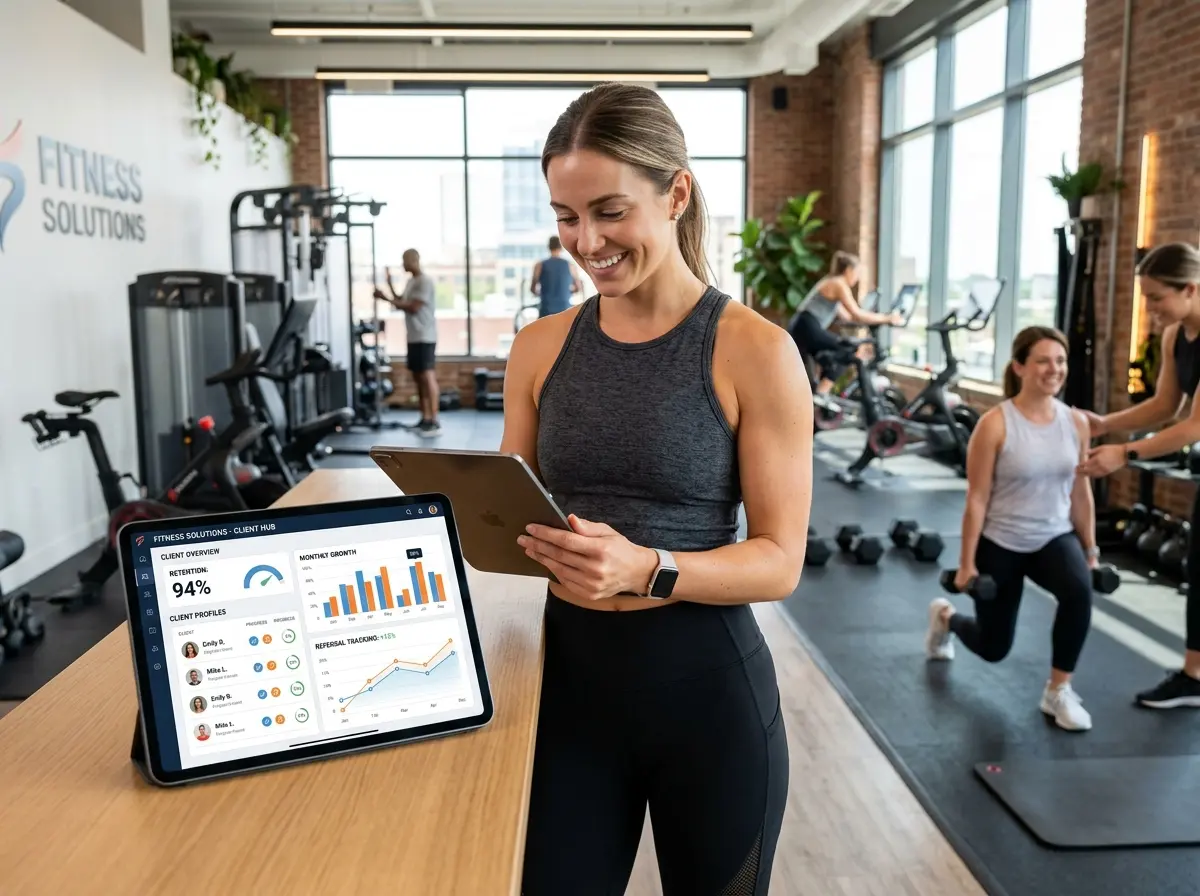
A CRM solves this by giving you a centralized place to store everything: session notes, injury history, goals, dietary preferences, scheduling quirks, and even personal details like a client's upcoming marathon or the fact that they're training for their daughter's wedding. When you review a client's profile before their session, you show up as someone who actually listens. That feeling of being remembered is worth more than any fancy piece of gym equipment you could buy.
Use custom fields and tags to organize your clients by goal type, fitness level, package tier, or anything else that's relevant to your business. A well-tagged CRM means you can, for example, instantly pull up every client on a weight loss program to notify them about a new nutrition workshop — without manually scrolling through your contacts like it's 2009.
Automate the Touchpoints That Build Loyalty
Client retention is largely a game of consistent, meaningful communication. The problem is that "consistent and meaningful" sounds great in theory but is brutally hard to maintain when you're juggling 30 clients, programming workouts, and somehow also trying to eat lunch.
This is where CRM automation earns its keep. Set up automated touchpoints for key moments in the client journey: a welcome message when they sign up, a check-in after their first month, a milestone celebration when they hit a goal, and a gentle nudge if they've gone quiet for two weeks. These moments don't require you to be personally present — they just require you to have set them up once, thoughtfully, and let the system do the heavy lifting.
Research from Bain & Company found that increasing customer retention rates by just 5% can increase profits by 25% to 95%. In a service-based business like personal training, where the lifetime value of a loyal client far exceeds the cost of acquiring a new one, those numbers should make you sit up straighter than any cue you've ever given a client in a deadlift.
Track Packages, Progress, and At-Risk Clients
Your CRM should also be your early warning system. If a client bought a 20-session package and has only used 8 sessions in three months, that's a red flag worth acting on — before they quietly let the package expire and blame their "busy schedule" when really they just lost momentum. A quick personal check-in at that point can re-engage them, demonstrate your investment in their success, and often save the relationship entirely.
Tag clients by package status, training frequency, or engagement level so you can proactively reach out at the right time. The trainers who retain clients at the highest rates aren't necessarily the best programmers in the room — they're the ones who make every client feel like a priority, even between sessions.
Turning Happy Clients Into a Referral Machine
How Stella Can Help You Capture and Manage Client Relationships
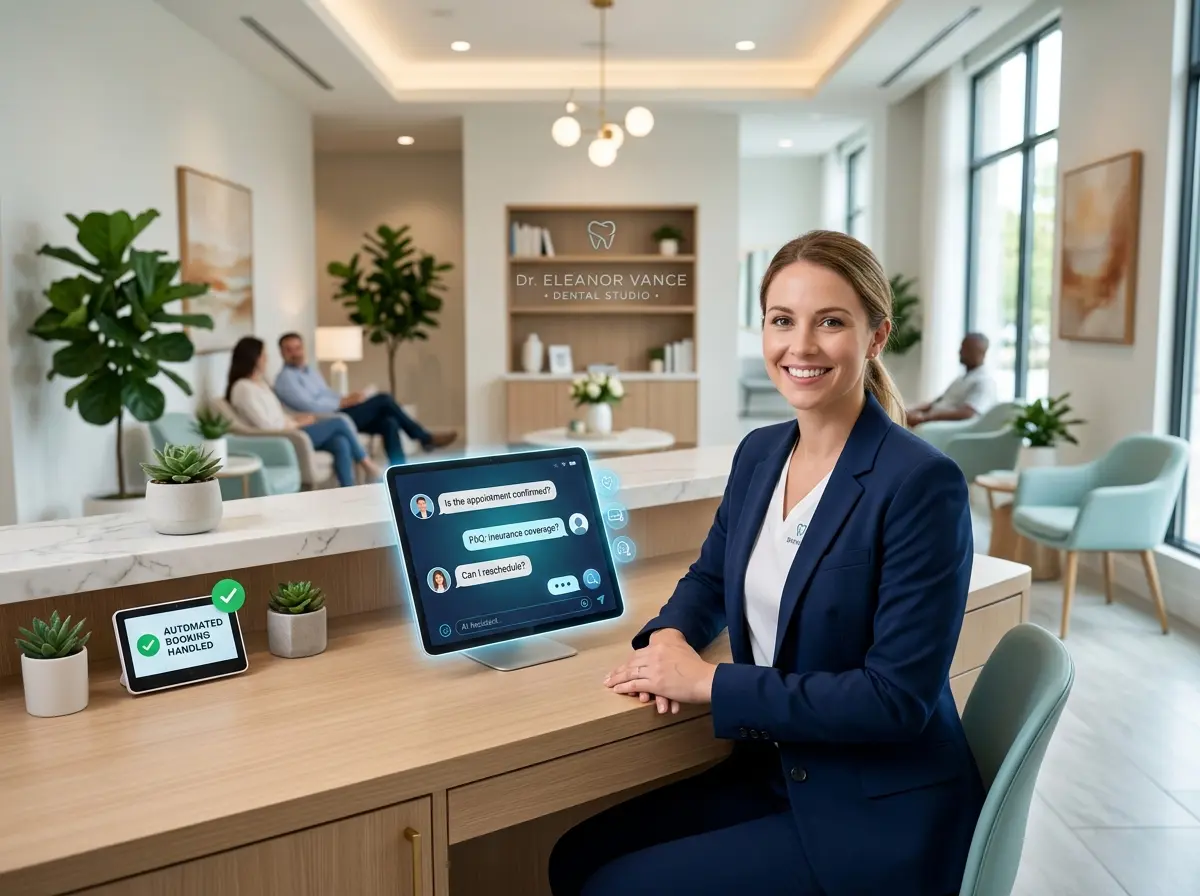
Whether you train clients at a gym, a dedicated studio, or online, managing first impressions and intake is often where the experience starts to crack. Stella, the AI robot employee and phone receptionist, can handle the front-end client experience so nothing slips through the cracks. If you have a physical location, Stella greets walk-ins, answers questions about your services and packages, and proactively promotes current specials — so potential clients get a professional, informed welcome even when you're mid-session with someone else.
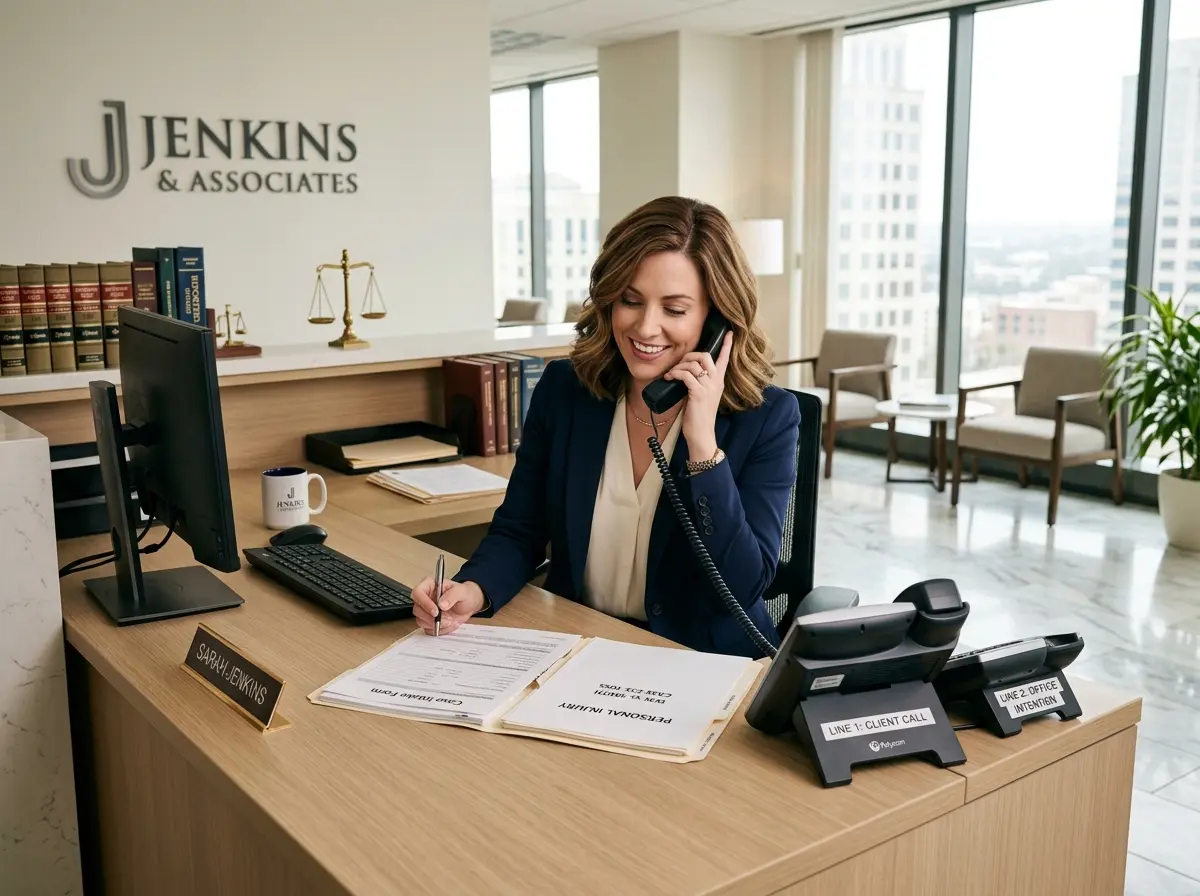
For phone inquiries, Stella answers calls 24/7, collects new client information through conversational intake forms, and feeds that data directly into her built-in CRM with AI-generated contact profiles, custom fields, tags, and notes. That means every prospective client who calls after hours — including the ones who would have just hung up and called your competitor — gets a real response and gets logged in your system, ready for your follow-up.
Building a Referral Strategy That Doesn't Feel Gross
Make Asking for Referrals Part of Your Process, Not an Afterthought
Most personal trainers are deeply uncomfortable asking for referrals. It feels salesy, pushy, or like you're putting your clients in an awkward position. Here's a reframe: if a client is genuinely getting results and loves working with you, they want to tell people about you. You're not asking for a favor — you're giving them an easy way to help someone they care about.
The key is timing. The best moments to ask for a referral are right after a client hits a meaningful milestone, immediately following a session where they expressed excitement about their progress, or after a positive review or compliment. Keep it casual and specific: "I'm really glad the program is clicking for you. If you know anyone who's been thinking about working with a trainer, I'd love an introduction." That's it. No awkward sales pitch required.
Use your CRM to flag these milestone moments so you never miss an optimal ask window. When you know a client just hit their goal weight or completed their first unassisted pull-up, your CRM should be prompting you — not leaving it to chance.
Create a Referral Program Worth Talking About
A structured referral program gives your clients something concrete to offer friends, which makes the conversation easier for everyone involved. Consider offering a free session, a discount on their next package, or branded merchandise for every successful referral. Track these in your CRM so you can follow up, say thank you, and actually deliver on your promises — because nothing kills a referral program faster than forgetting to honor the reward.
The goal is to build a culture where your clients identify as people who work with you. They're not just buying sessions — they're part of something. That identity-based loyalty is what turns a satisfied client into an unpaid ambassador who genuinely recommends you at dinner parties, in group chats, and on social media without being asked twice.
Leverage Reviews and Testimonials Strategically
Referrals aren't just word-of-mouth anymore. Online reviews on Google, social proof on Instagram, and testimonials on your website all function as passive referrals that work around the clock. Use your CRM to identify long-term, satisfied clients and personally reach out to ask if they'd be willing to leave a review or share a short testimonial. A personalized ask — especially one that acknowledges a specific result they achieved — converts far better than a generic follow-up email blasted to your entire list.
Quick Reminder About Stella
Stella is an AI robot employee and phone receptionist designed to work 24/7 without breaks, turnover, or complaints about the temperature in the studio. For just $99/month with no upfront hardware costs, she greets clients at your physical location, answers incoming calls, collects intake information, manages CRM contacts, and promotes your services — all with the consistency your business deserves. She's the front desk staff you always wished you could afford.
Your Next Steps Toward a Thriving, Self-Sustaining Client Base
Here's the honest summary: the personal trainers who build thriving, sustainable businesses aren't just great at fitness — they're great at relationships. And relationships, at scale, require systems. A CRM isn't a cold, corporate tool that makes your business feel transactional. Used correctly, it's what allows you to be more human with every client, because you're not relying on a failing memory or a pile of sticky notes to keep track of the people who trust you with their health.
Start by auditing what you currently know about your clients and where that information lives. If the answer is "mostly in my head and a few unanswered texts," it's time to upgrade. Choose a CRM that lets you add custom fields and tags relevant to fitness — goals, package types, session frequency, injury history. Build out a simple communication cadence for new clients, and create at least one automated check-in for clients who go quiet.
Then, once your retention foundation is solid, build your referral strategy on top of it. Identify your happiest clients, ask at the right moments, and make it easy for them to spread the word. Track everything so you can thank people properly and see what's actually working.
Your clients are already out there telling people whether they love working with you or not. A little system, a little strategy, and the right tools will make sure a lot more of those conversations end with someone picking up the phone to call you — and when they do, you'll be ready for them.