Let's Talk About the Appointment That Got Away
You invested in a beautiful med spa. You hired trained estheticians, stocked premium products, and built a brand that people actually trust. Then someone books a HydraFacial, life happens, and — poof — they cancel the day before. Maybe they meant to reschedule. Maybe they forgot. Maybe they're now browsing your competitor's website because nobody called them back.
Here's the uncomfortable truth: most med spas are leaving serious revenue on the table simply because they have no formal process for recovering cancelled appointments. A cancellation doesn't have to be a loss. With the right recovery call script in your front desk team's hands, it can become a rebooking, a loyalty moment, and occasionally even an upsell opportunity. Yes, really.
The absence of a structured cancellation recovery process isn't a staffing problem — it's a systems problem. And systems problems have systems solutions. Let's walk through exactly how to build one.
The Real Cost of an Unaddressed Cancellation
It's Not Just One Appointment
When a client cancels and nobody follows up, you don't just lose that appointment. You lose the next one, and the one after that. Research from the American Med Spa Association suggests that increasing client retention by just 5% can boost revenue by up to 25%. A single cancelled appointment that goes unrecovered can quietly represent hundreds of dollars in lost lifetime value — especially in a service-based business where loyalty compounds over time.
Think about it this way: a regular client getting quarterly facials, occasional injectables, and holiday skin treatments might represent $2,000–$4,000 per year. If a cancellation slips through the cracks and she ends up at the spa down the street, that's not a $150 loss — it's a four-figure relationship walking out the door permanently. Nobody on your front desk team is thinking about it that way in the moment, which is exactly why you need a script that does the thinking for them.
Why Front Desk Staff Avoid Recovery Calls
Let's be honest about why cancellation recovery calls often just... don't happen. Your front desk staff are fielding walk-ins, answering phones, managing check-ins, and trying to remember which provider is running fifteen minutes behind. Calling a cancelled client back feels awkward, salesy, and low-priority compared to the chaos in front of them. Without a script, they don't know what to say. Without a policy, they don't know when to call. And without accountability, they default to doing nothing — which is very human but very costly.
A formal script removes the awkwardness. It gives staff a clear, professional framework so the call feels like caring customer service rather than a desperate sales pitch. Because that's exactly what it should be.
Building a Recovery Call Script That Actually Works
The Anatomy of a Great Cancellation Recovery Call
A strong cancellation recovery call has four distinct phases: the warm opener, the empathetic acknowledgment, the soft rebooking offer, and the graceful close. Each phase has a job to do, and skipping any of them makes the whole thing feel off.
Here's a framework your front desk team can actually use:
- The Warm Opener: "Hi [Client Name], this is [Staff Name] calling from [Spa Name]. I'm reaching out because we noticed your appointment for [Service] on [Date] was cancelled, and we just wanted to check in and make sure everything is okay."
- The Empathetic Acknowledgment: "We completely understand that life gets busy — no worries at all on our end." This line matters more than people realize. It disarms any guilt the client might feel and keeps the tone warm.
- The Soft Rebooking Offer: "We'd love to get you back on the schedule whenever works best for you. We actually have some availability this week and next — is there a day or time that tends to work well for you?" Notice this isn't "Would you like to rebook?" — that's a yes/no question with an easy exit. This version assumes they want to come back and invites them to collaborate on the logistics.
- The Graceful Close: Whether they rebook or not, end warmly. "Wonderful, we'll send you a confirmation! / No problem at all — we'll keep your info on file and look forward to seeing you whenever the time is right. Take care!"
Timing, Frequency, and Documentation
A great script is useless without a clear protocol around when to use it. Your policy should specify that a recovery call goes out within 24 to 48 hours of a cancellation — not a week later when the moment has completely passed. If there's no answer, leave a brief, warm voicemail and follow up with a text or email the next day. Two touchpoints is reasonable; five is a restraining order waiting to happen.
Every recovery call attempt should be logged. Document when the call was made, whether contact was established, and what the outcome was. This data tells you which staff members are actually making the calls, what your recovery rate is, and whether your script needs adjusting. If you have a CRM, this is exactly the kind of note that belongs in a client's profile — so next time she comes in, her provider knows she had to reschedule that HydraFacial twice and can ask about it in a way that feels personal rather than procedural.
How Technology Can Support (Not Replace) Your Recovery Process
Where Stella Fits Into Your Front Desk Ecosystem
Before we dive into optimizing your human-driven recovery process, it's worth acknowledging that the reason cancellation calls don't get made is often because your front desk team is overwhelmed. That's where Stella, the AI robot employee and phone receptionist, can take a meaningful load off their plate.
Stella answers every incoming call — even after hours — so your team isn't stuck on the phone with someone asking about your hours while a potential rebooking slips into voicemail purgatory. She handles routine questions, promotes current offers, and can collect client information through conversational intake forms right over the phone. Her built-in CRM logs every interaction with AI-generated summaries and contact profiles, so when your team does make that recovery call, they're armed with context rather than guessing who this person is.
The goal isn't to automate empathy — it's to free up your human staff to do the relationship-heavy work (like recovery calls) by letting Stella handle the high-volume, repeatable tasks that otherwise eat their afternoon.
Turning Recovery Calls Into a Revenue Strategy
Training Your Staff to Rebook With Confidence
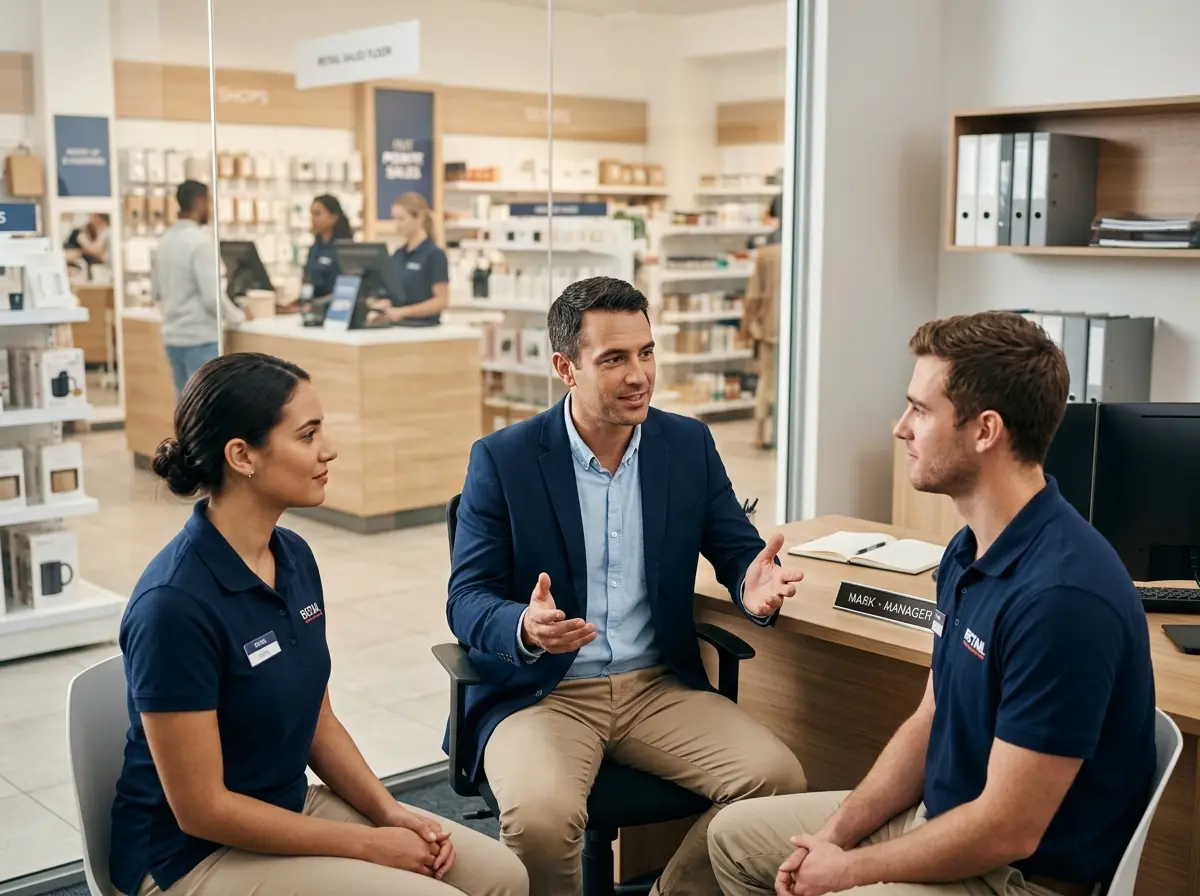
Equipping your team with a script is step one. Actually training them to deliver it naturally is step two — and it's where most spas stop short. Role-playing feels awkward, yes. Do it anyway. Have staff practice with each other until the script stops sounding like a script and starts sounding like a conversation. The goal is muscle memory, not robotic recitation. A client should hang up feeling like she got a personal call from someone who genuinely missed her, not like she was processed through a recovery queue.
Consider building recovery call practice into your monthly team meetings. Spend ten minutes reviewing real-world scenarios, celebrate wins when a rebook happens, and treat the skill like the revenue-generating superpower it actually is.
Using Cancellation Data to Prevent Future Loss
Your cancellation data is telling you something — you just have to listen. If you're seeing a spike in cancellations on Monday mornings, maybe your reminder system needs reinforcement on Sunday evenings. If a particular service has a higher-than-average cancellation rate, consider whether the booking experience, prep instructions, or pricing is creating hesitation. If the same clients cancel repeatedly, that's a conversation worth having in person — not just a recovery call opportunity.
Track your cancellation reasons when clients share them. Over time, patterns emerge that can shape your booking policies, your deposit requirements, and even your service menu. A cancellation recovery program isn't just damage control — it's a feedback loop that makes your entire operation smarter.
The Deposit Question: Prevention and Recovery Working Together
No guide to cancellation recovery would be complete without mentioning deposits. Many med spas are still hesitant to require them, worried about deterring new clients. But the data suggests the opposite — clients who've paid a deposit show up. A modest $25–$50 deposit on higher-ticket services filters out casual browsers, reduces no-shows, and makes the recovery call easier because the client has a financial incentive to reschedule rather than simply walk away. Frame deposits as a commitment to their time, not yours, and most clients will respond positively.
Quick Reminder About Stella
Stella is an AI robot employee and phone receptionist that works in-store as a friendly kiosk and answers calls 24/7 for any type of business. She promotes services, handles intake, manages client data through a built-in CRM, and keeps your front desk focused on what matters most — all for just $99/month with no upfront hardware costs. For a med spa trying to tighten up its client retention game, she's a genuinely useful piece of the puzzle.
Your Next Steps Start Today
If your med spa doesn't have a formal cancellation recovery call script, you now have everything you need to build one this week. Start with the four-phase framework, set a 24–48 hour callback window as official policy, train your team until they can deliver it naturally, and log every attempt in your CRM. Then watch your rebooking rate climb and your "lost revenue" line item shrink.
This isn't about being pushy. It's about being professional, caring, and strategic — which is exactly the kind of spa your clients chose in the first place. A cancelled appointment is a pause, not a goodbye. Your job is to make sure they know the difference.
Start with the script. Train the team. Track the results. Recover the revenue. Your future clients are still out there — some of them are just waiting for someone to call.