Not All Leads Are Created Equal — And Treating Them the Same Is Costing You
Let's be honest: somewhere out there, a business owner is spending the same amount of energy on someone who just wandered in off the street out of curiosity as they are on a customer who's ready to hand over their credit card. That's a little like offering a five-course meal to someone who said they weren't even hungry — generous, sure, but not exactly efficient.
Understanding the difference between a hot lead and a cold lead isn't just marketing jargon reserved for Fortune 500 companies with sprawling sales teams. It's a practical, immediately useful framework for any business owner who wants to stop wasting time and start converting more customers. Whether you run a boutique, a law firm, a gym, or a restaurant, leads are the lifeblood of your business — and knowing how to handle them correctly can be the difference between a thriving operation and one that's perpetually wondering why the phone isn't ringing more.
So let's break it all down: what hot and cold leads actually are, how to identify them, and — most importantly — what to do with each of them.
Understanding the Lead Temperature Scale
What Is a Cold Lead?
A cold lead is someone who has had little to no prior interaction with your business. They may have stumbled across your website, walked past your storefront, or been handed your business card at a networking event. They know you exist — barely — but they haven't expressed any strong interest, made an inquiry, or shown intent to buy. Think of them as someone standing outside a restaurant, glancing at the menu in the window. Interested? Maybe. Ready to sit down and order? Not yet.
Cold leads require nurturing. They need to be warmed up through consistent, value-driven communication — whether that's helpful content, a compelling promotion, or simply a friendly, professional first impression that makes them want to learn more. The mistake most businesses make is either ignoring cold leads entirely or coming in too hard with a sales pitch before any trust has been established. Neither approach works particularly well.
What Is a Hot Lead?
A hot lead, on the other hand, is practically wearing a flashing sign that says "I'm ready to buy." These are people who have already expressed a clear interest in your product or service — they've called to ask about pricing, submitted a contact form, walked into your store with a specific question, or returned to your website multiple times. They've done their research, and they've decided you might be the answer to their problem. What they need now is confirmation, not a sales pitch from square one.
Hot leads have a short shelf life. According to a study by Harvard Business Review, companies that respond to leads within an hour are seven times more likely to have a meaningful conversation with a decision-maker than those who wait even a few hours. Translation: if you let a hot lead go cold, you've essentially handed that customer to your competitor. Not ideal.
The Warm Lead: The Often-Overlooked Middle Ground
Sitting between the two extremes is the warm lead — someone who's shown genuine interest but hasn't quite crossed the threshold into "ready to commit." Maybe they've followed you on social media, opened a few of your emails, or visited your location once without purchasing. Warm leads are arguably the most valuable segment to focus on, because they're already leaning in your direction. A little extra attention, a well-timed promotion, or a personalized follow-up can push them right into hot territory.
How Stella Can Help You Capture and Qualify Leads Around the Clock
Never Miss a Lead, Hot or Cold
Here's the uncomfortable truth: if your business relies on a human to answer every phone call, greet every walk-in, and follow up on every inquiry, you are almost certainly missing leads. People call after hours. People walk in while your staff is busy. People ask questions that no one gets around to answering until it's too late. Stella, the AI robot employee and phone receptionist, was built specifically to solve this problem.
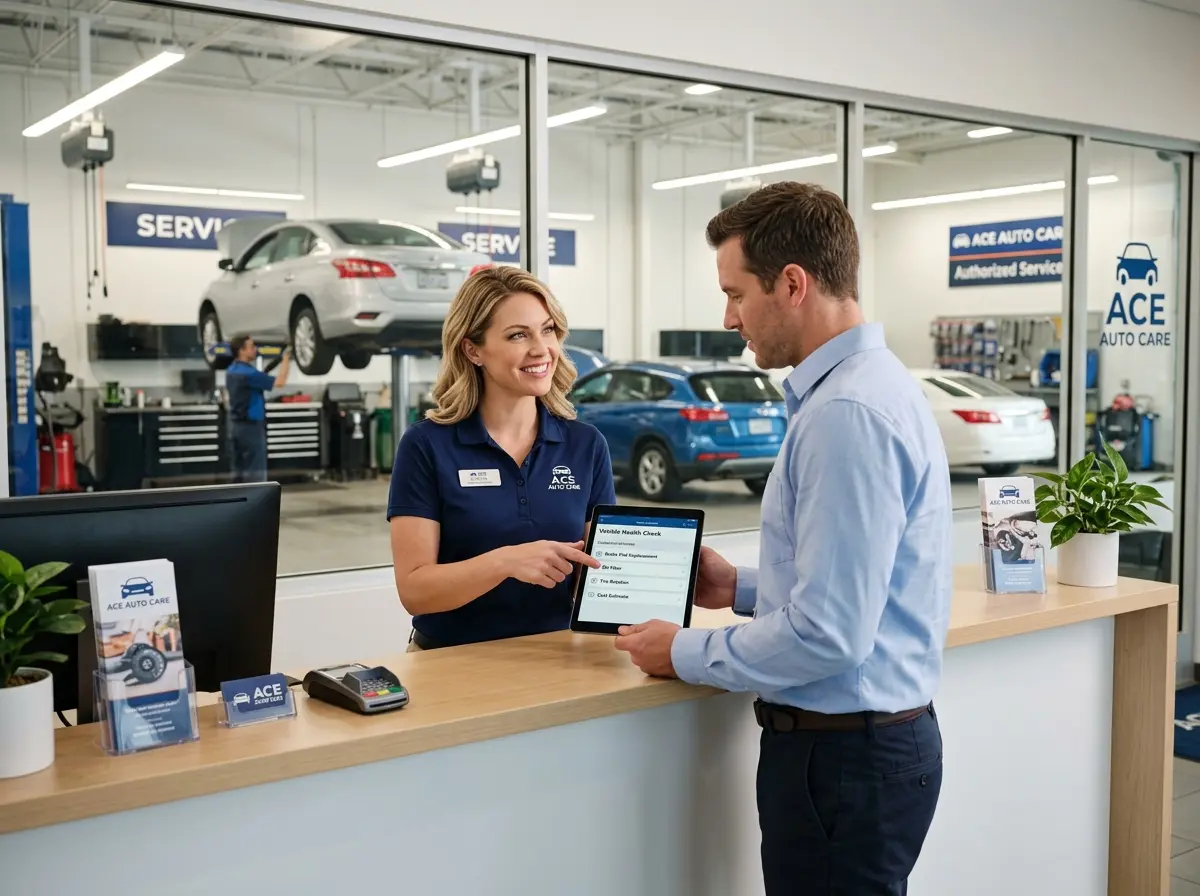
For businesses with a physical location, Stella stands inside your store as a friendly, human-sized AI kiosk — proactively greeting customers, answering questions, promoting current deals, and helping qualify interest in real time. For any business, she also answers phone calls 24/7, collecting customer information through conversational intake forms and logging everything directly into her built-in CRM. Hot lead calls in at 11 PM? Stella's already on it. Cold lead wanders into your shop while your team is slammed? Stella's engaging them, warming them up, and capturing their information before they drift back out the door.
How to Handle Hot Leads vs. Cold Leads
The Right Way to Handle Hot Leads
Speed and personalization are your two best friends when dealing with hot leads. Respond fast — ideally within minutes — and make sure your response is tailored to what they actually asked about. A generic reply to a specific inquiry signals that you're not really paying attention, which is not the impression you want to give someone who's already interested.
When a hot lead contacts you, the goal is to remove friction and build confidence. Answer their specific questions directly. Offer a clear next step — a booking, a consultation, a visit, a purchase. Don't make them work for it. If they asked about pricing, give them pricing. If they asked whether you're available on Friday, check and confirm. The more effortless you make the path forward, the more likely they are to walk down it.
It's also worth noting that hot leads often appreciate exclusivity. A well-timed "We have one opening left this week" or "This promotion ends Sunday" isn't manipulation — it's information that helps a motivated buyer make a decision. Use it honestly and it can be remarkably effective.
The Right Way to Handle Cold Leads
Patience is the operative word with cold leads. Bombarding someone who barely knows your name with aggressive follow-ups is a great way to ensure they never become a customer. Instead, focus on building familiarity and demonstrating value over time. This means consistent, non-pushy touchpoints: a helpful email here, a social media post there, a friendly interaction if they revisit your location.
Segmenting your cold leads is also a smart move. Not all cold leads are equally cold. Someone who visited your website three times this week is more promising than someone whose email you collected at a trade show two years ago. Use whatever CRM or contact management system you have to tag and categorize leads based on their behavior, and tailor your outreach accordingly. The more relevant your communication feels, the more likely it is to actually move the needle.
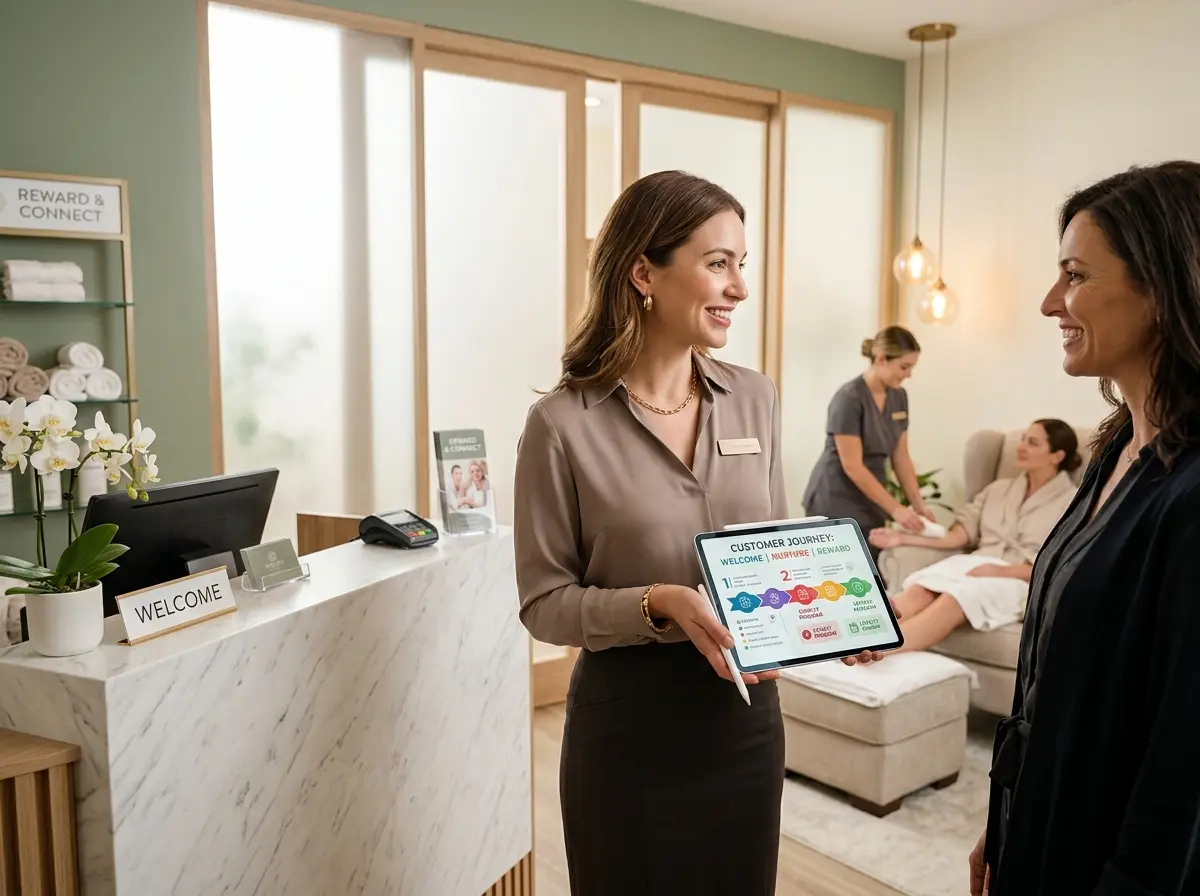
Building a Follow-Up System That Actually Works
The businesses that consistently convert leads — both hot and cold — are the ones that have a system, not just good intentions. A reliable follow-up process should include:
- Clear response time targets — for hot leads, think minutes to an hour; for warm leads, same day; for cold leads, within a few days of initial contact.
- Automated touchpoints — use email sequences, SMS reminders, or AI-assisted outreach to stay on the radar without requiring manual effort for every single contact.
- A defined hand-off process — know exactly when and how a lead transitions from cold to warm to hot, and who on your team (or what system) is responsible at each stage.
- A reason to re-engage — promotions, new product launches, seasonal offers, and personalized check-ins are all legitimate reasons to reach back out to leads that have gone quiet.
Consistency wins the long game. Most leads don't convert on first contact — research suggests it takes an average of five to eight touchpoints before a prospect makes a buying decision. That means giving up after one unanswered email is leaving a lot of money on the table.
A Quick Reminder About Stella
Stella is an AI robot employee and phone receptionist designed to support businesses of all sizes — from solo operators to multi-location shops. She greets in-store customers, answers calls 24/7, promotes your offerings, and manages leads through a built-in CRM with AI-generated profiles and push notifications. At $99/month with no upfront hardware costs, she's one of the most practical tools a business owner can add to their team — without the drama of employee turnover or the awkwardness of asking someone to work Christmas Eve.
Start Treating Your Leads Like the Business Opportunity They Are
Lead temperature isn't a complicated concept, but acting on it consistently is where most businesses fall short. The good news is that you don't have to overhaul your entire operation to start doing this better. A few focused changes — faster response times for hot leads, a nurture sequence for cold ones, a proper system to track and follow up — can produce meaningful results relatively quickly.
Here's your action plan:
- Audit how you're currently handling inquiries. Are hot leads getting a fast, personalized response? Or are they sitting in an inbox for two days?
- Set up a basic lead categorization system. Even simple tags like "hot," "warm," and "cold" in your CRM can help you prioritize your efforts.
- Build a follow-up sequence for cold and warm leads so that staying in touch doesn't rely entirely on someone remembering to do it manually.
- Make sure your business is accessible and responsive after hours — whether through automation, an AI receptionist, or clear instructions for urgent inquiries.
- Review and adjust regularly. What's working? What leads are converting? Where are people dropping off? The data will tell you more than any hunch will.
Your leads — all of them, at every temperature — are potential customers who found their way to your door for a reason. Treat them accordingly, and you might just be surprised how many of them decide to stay.