Not Everyone Who Walks Into Your Hardware Store Wants to Be Bob Vila
Let's be honest — for every seasoned DIYer who walks into your hardware store with a blueprint in one hand and a coffee in the other, there's someone else standing in the power tools aisle looking mildly terrified. Maybe they just bought their first home. Maybe their spouse sent them with a vague note that says "get the thing for the sink." Maybe they confidently Googled "how hard can tiling be?" and now deeply regret it.
These are your DIY-phobic customers, and here's the thing — they're not a lost cause. In fact, they represent a massive, underserved opportunity for hardware stores willing to meet them where they are. According to the North American Retail Hardware Association, the home improvement retail market continues to grow, driven in large part by new homeowners who are enthusiastic but inexperienced. Translation: there are a lot of people out there who want to do it themselves, they just don't know how to start — and they're counting on you to help them figure it out.
The stores that win these customers don't just sell products. They sell confidence. Here's how yours can do the same.
Create an Environment That Doesn't Feel Like a Final Exam
Walk into the average hardware store as a novice and you might feel like you accidentally wandered into an advanced certification course. Rows upon rows of nearly identical fasteners, cryptic aisle labels, and staff who — bless their hearts — sometimes speak exclusively in jargon. If your store feels intimidating to someone who doesn't know the difference between a toggle bolt and a carriage bolt, they'll either buy the wrong thing, give up entirely, or order from a big-box website instead. None of those outcomes are good for you.
Redesign Your Store Layout With the Newcomer in Mind
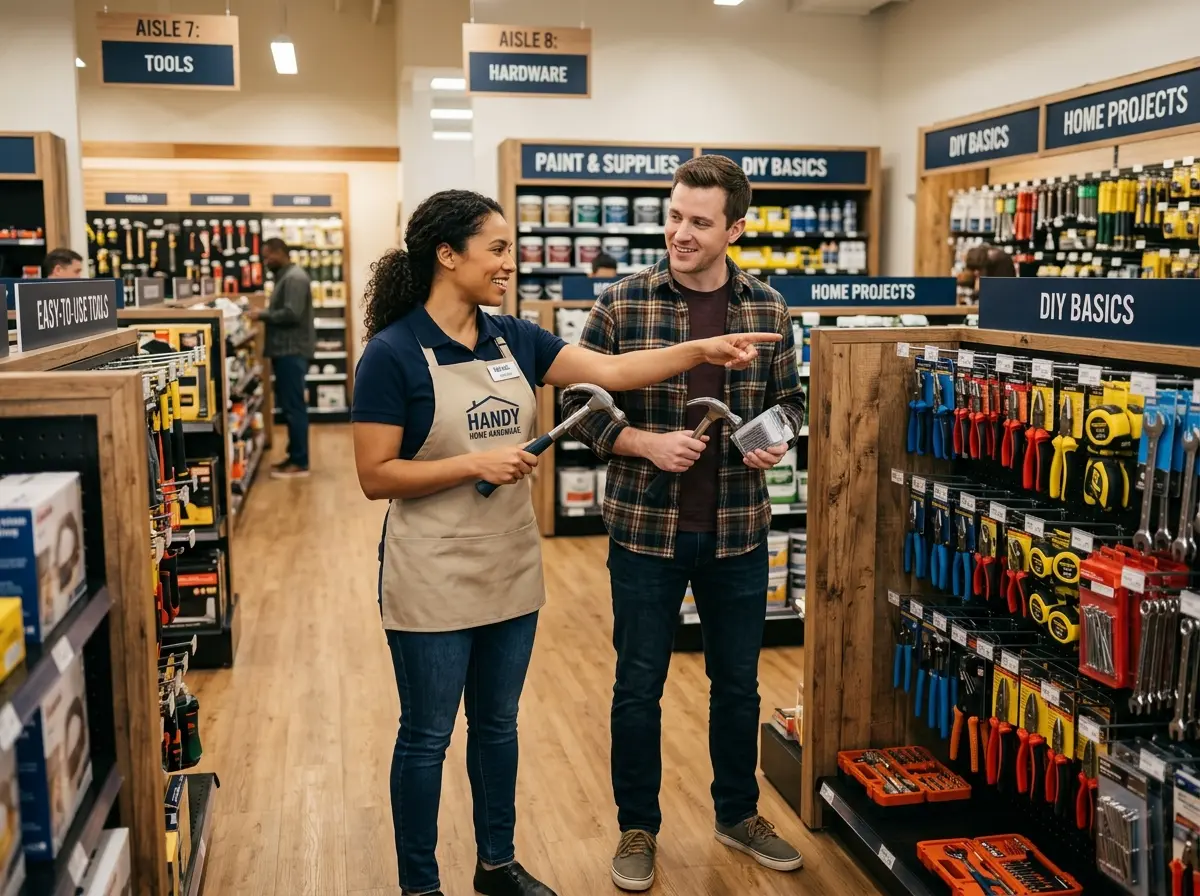
You don't need to overhaul everything. Small, intentional changes can dramatically lower the anxiety barrier. Consider creating a dedicated "First-Timer" or "Weekend Projects" section near the entrance that groups everything needed for common beginner tasks — think drywall patching, basic plumbing fixes, or fence staining. Bundle the products together, label them clearly, and include a laminated card or shelf tag that briefly explains what the project involves and roughly how long it takes. Suddenly, someone who came in for "caulk stuff" can leave with a complete kit, a plan, and a shred of dignity intact.
Clear, plain-language signage throughout the store also goes a long way. Instead of "PVC Fittings — Schedule 40," try "Water Pipe Parts" with a small note underneath for the more technical customers. You can always add detail without leading with it.
Train Your Staff to Teach, Not Just Transact
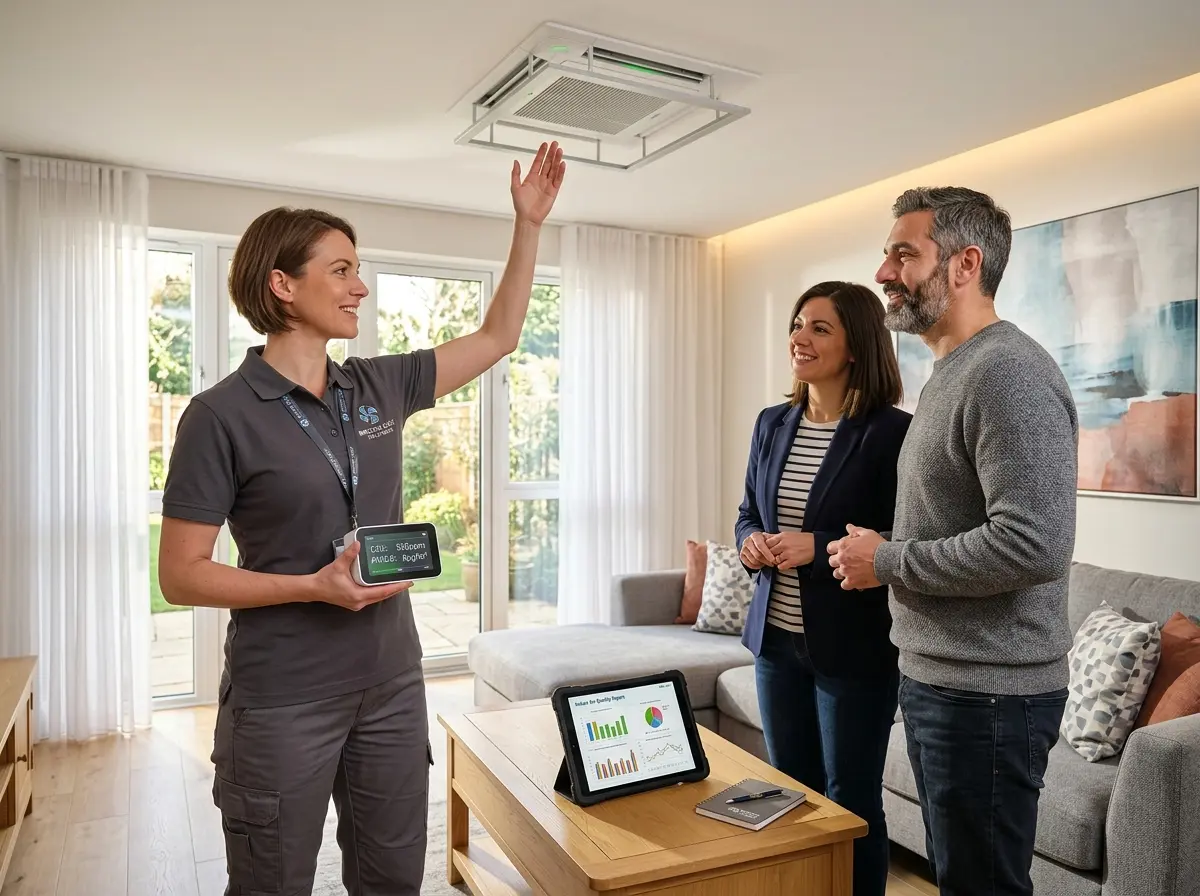
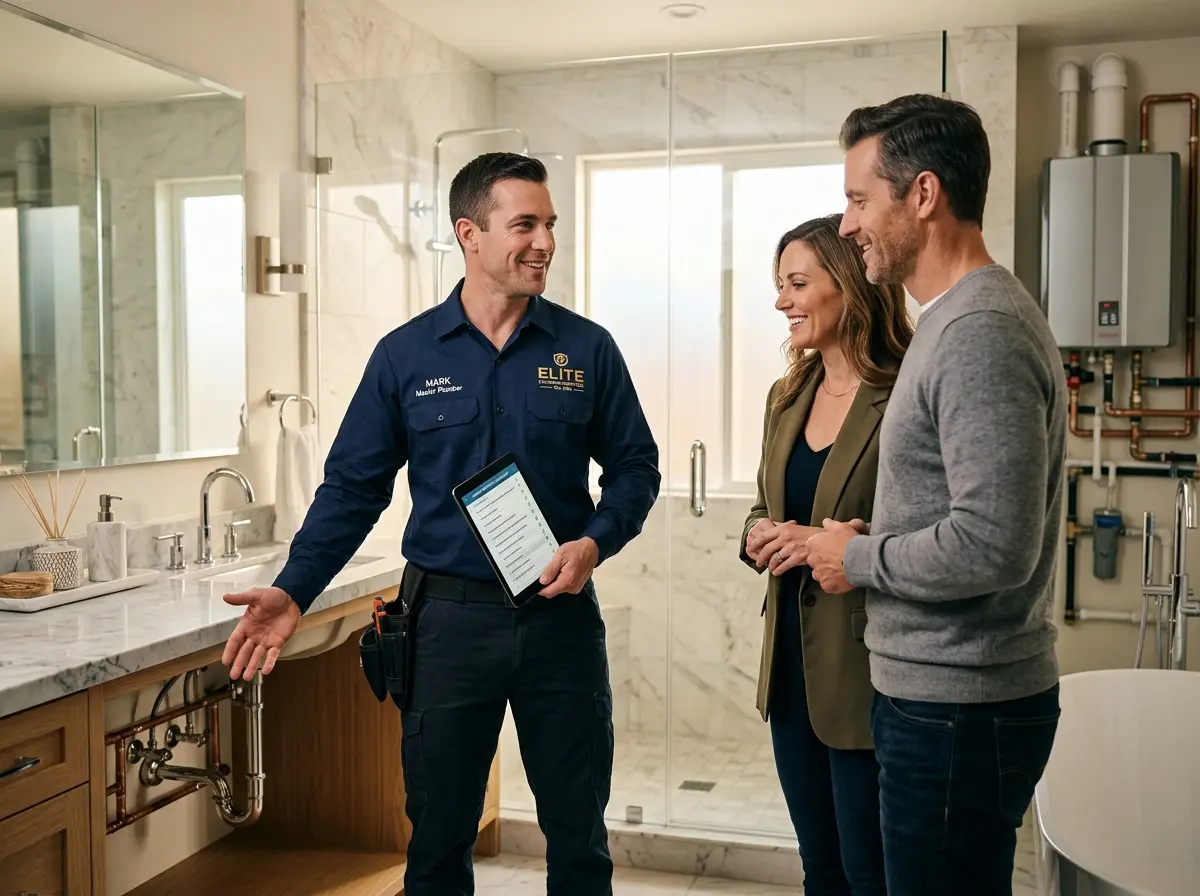
Your experienced staff members are walking goldmines of knowledge, but that knowledge is only valuable if it's delivered in a way the customer can actually receive. Train your team to ask open-ended, non-judgmental questions: "What are you trying to fix?" instead of "What size pipe fitting do you need?" The first question invites a story. The second one assumes knowledge the customer might not have.
Encourage staff to walk customers through the why behind product recommendations, not just the what. When someone understands why they need primer before paint, or why a specific drill bit works better for tile, they don't just buy the product — they trust you. And trust is the thing that brings them back when the next project comes up.
Use Technology to Extend That Welcoming Experience
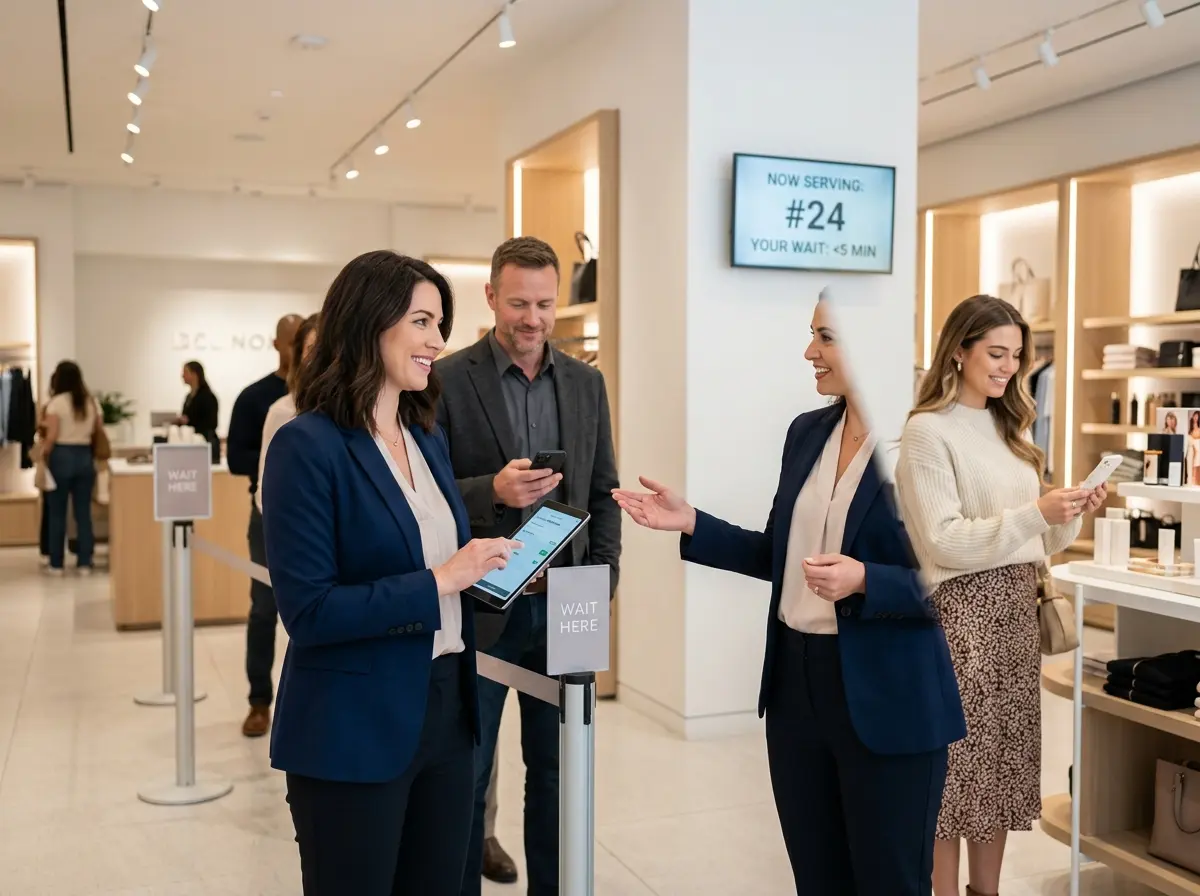
Even the most well-staffed hardware store has its rush hours. When three contractors show up at the same time as six nervous first-timers, someone is going to get ignored. That's where smart technology can fill the gap — and where Stella, the AI robot employee and phone receptionist, can genuinely pull her weight.
Greet and Guide Customers the Moment They Walk In
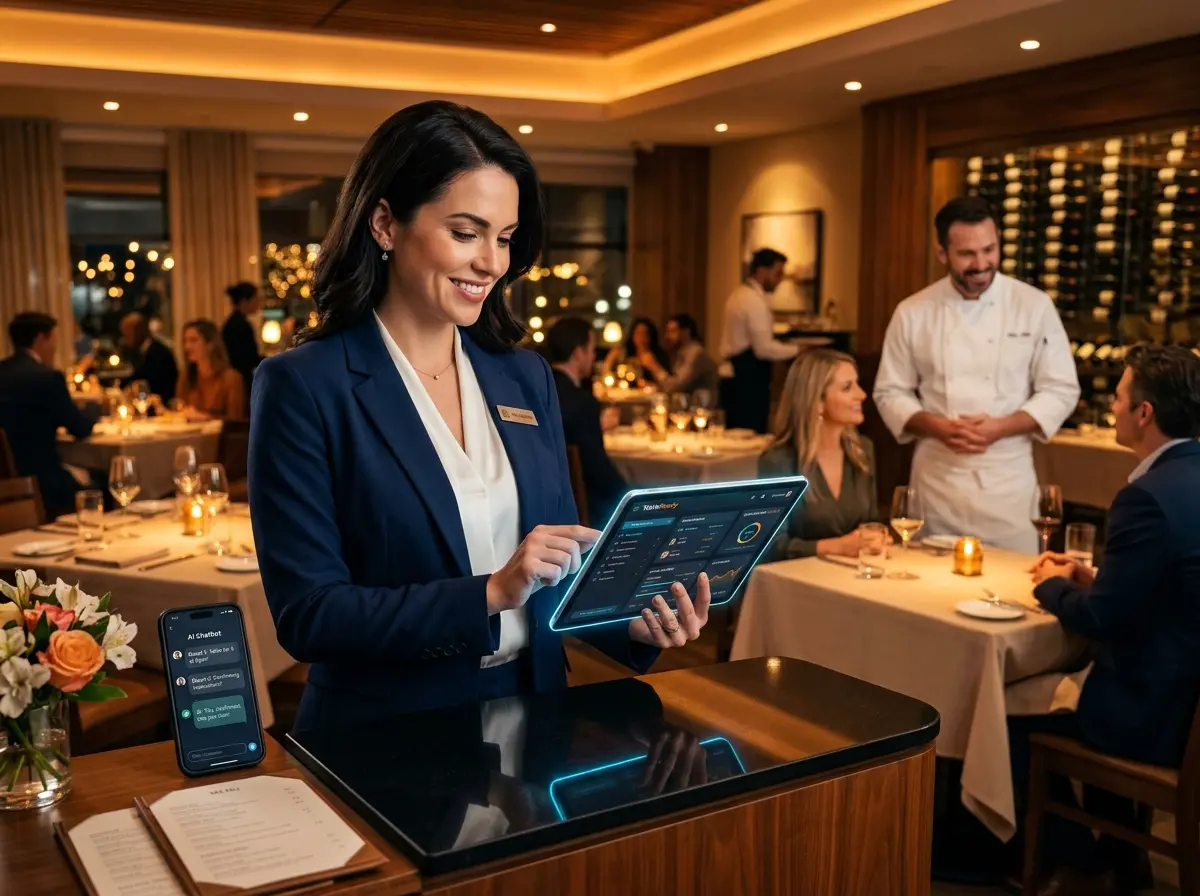
Stella stands inside your store as a friendly, approachable kiosk that proactively greets customers as they walk by. For a DIY-phobic customer who's too embarrassed to flag down a staff member and ask what a joist hanger is, having a no-judgment AI to answer their basic questions is actually a relief. She can point them to the right aisle, explain what a product does in plain language, and even highlight any current deals or bundle promotions you're running. Meanwhile, your human staff can focus on the more complex, hands-on customer interactions that actually require their expertise. Stella also answers your phone calls 24/7, so when a nervous homeowner calls at 7pm to ask whether they need interior or exterior caulk for their bathroom, someone — or something — picks up and gives them a helpful, accurate answer.
Offer Education as a Product, Not Just a Bonus
The most powerful thing you can do to win over DIY-phobic customers is simple: teach them something. When customers learn a skill at your store, your store becomes part of their success story. That's not just good customer service — it's marketing that money can't buy.
Run In-Store Workshops for Beginners
Saturday morning workshops are a staple of successful independent hardware stores for a reason — they work. Keep the topics hyper-practical and beginner-friendly: "How to Fix a Running Toilet," "Painting Your First Room the Right Way," or "Basic Electrical Safety for Homeowners." Charge a small fee to cover materials, or offer them free with a minimum purchase. The goal isn't profit from the workshop itself — it's the loyalty, the word-of-mouth, and the basket full of supplies that follows.
Partner with a local contractor or tradesperson to lead sessions if your staff bandwidth is limited. It builds community goodwill, provides expertise, and gives your store a sense of local credibility that no national chain can replicate.
Create Digital Content That Keeps Customers Coming Back
Not every customer can make it to a Saturday workshop, but almost all of them have a smartphone. A simple YouTube channel or Instagram presence where your staff demonstrates quick, practical tips — shot in your actual store — does double duty. It provides free value to potential customers and keeps your regulars engaged between visits. Keep it casual. Authenticity beats production quality every time when you're a local business. A 90-second video of a staff member showing how to properly patch a hole in drywall, filmed in Aisle 7 with a decent phone camera, will outperform a polished corporate tutorial for your audience every single time.
Build a "Project Planner" Service Into Your Offering
Consider offering a simple, free consultation — in person or over the phone — where customers can describe their project and get a complete, itemized list of everything they'll need. This removes one of the biggest barriers the DIY-phobic customer faces: the fear of getting to the middle of a project and realizing they're missing something. Even a printed "Project Checklist" handout for common jobs, available at the register or on your website, signals that you've thought about your customer's experience end-to-end. That kind of thoughtfulness is rare, and customers remember it.
A Quick Reminder About Stella
Stella is an AI robot employee and phone receptionist designed to help businesses like yours stay responsive, welcoming, and professionally staffed — without the overhead. She greets customers in-store, answers calls around the clock, promotes your current deals, and ensures no customer question goes unanswered, even during your busiest hours. At $99/month with no upfront hardware costs, she's one of the easiest ways to add a reliable, knowledgeable presence to your team.
Your Next Steps: Turn the Intimidated Into the Loyal
Winning over DIY-phobic customers isn't about dumbing things down — it's about meeting people at their level and giving them the confidence to take the next step. The hardware stores that thrive in the long run aren't the ones with the widest inventory or the lowest prices. They're the ones that make customers feel capable.
Here's what you can do starting this week:
- Walk your store as a first-timer would. Note every moment that feels confusing or intimidating, and start fixing those friction points one by one.
- Coach your staff on how to ask better discovery questions and explain recommendations in plain language.
- Plan your first beginner workshop for the next four to six weeks — pick a topic, set a date, and promote it on social media and in-store.
- Create one piece of beginner-friendly content this month, whether that's a video, a blog post, or a printed project checklist.
- Evaluate your in-store and phone customer experience to identify where customers might be falling through the cracks — and consider whether a tool like Stella could help fill those gaps.
The DIY-phobic customer isn't your hardest customer. They're actually your most loyal customer in waiting — if you're willing to invest a little patience and creativity into earning their trust. Give them a reason to believe they can do it, and they'll give you a reason to keep the lights on for years to come.