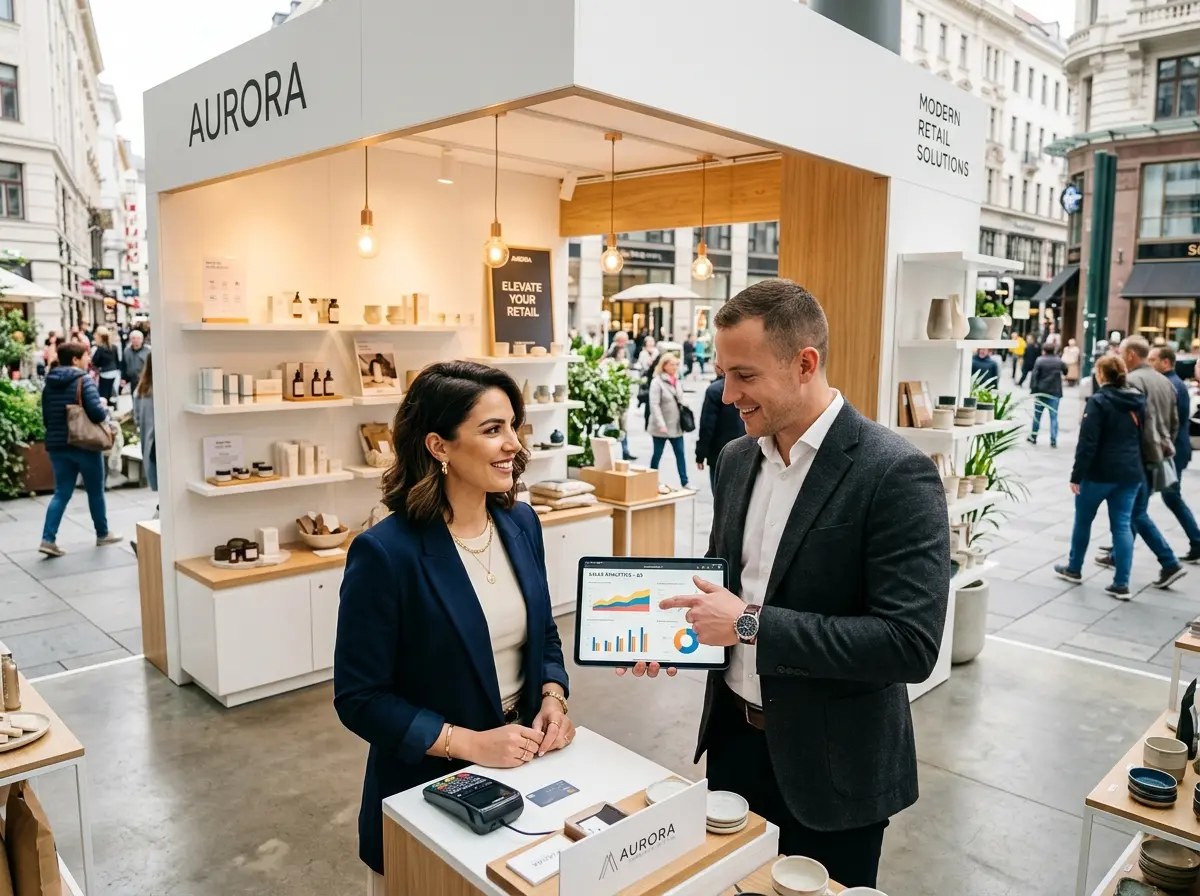
Why Settle for One Location When You Can Test-Drive an Entire Market?
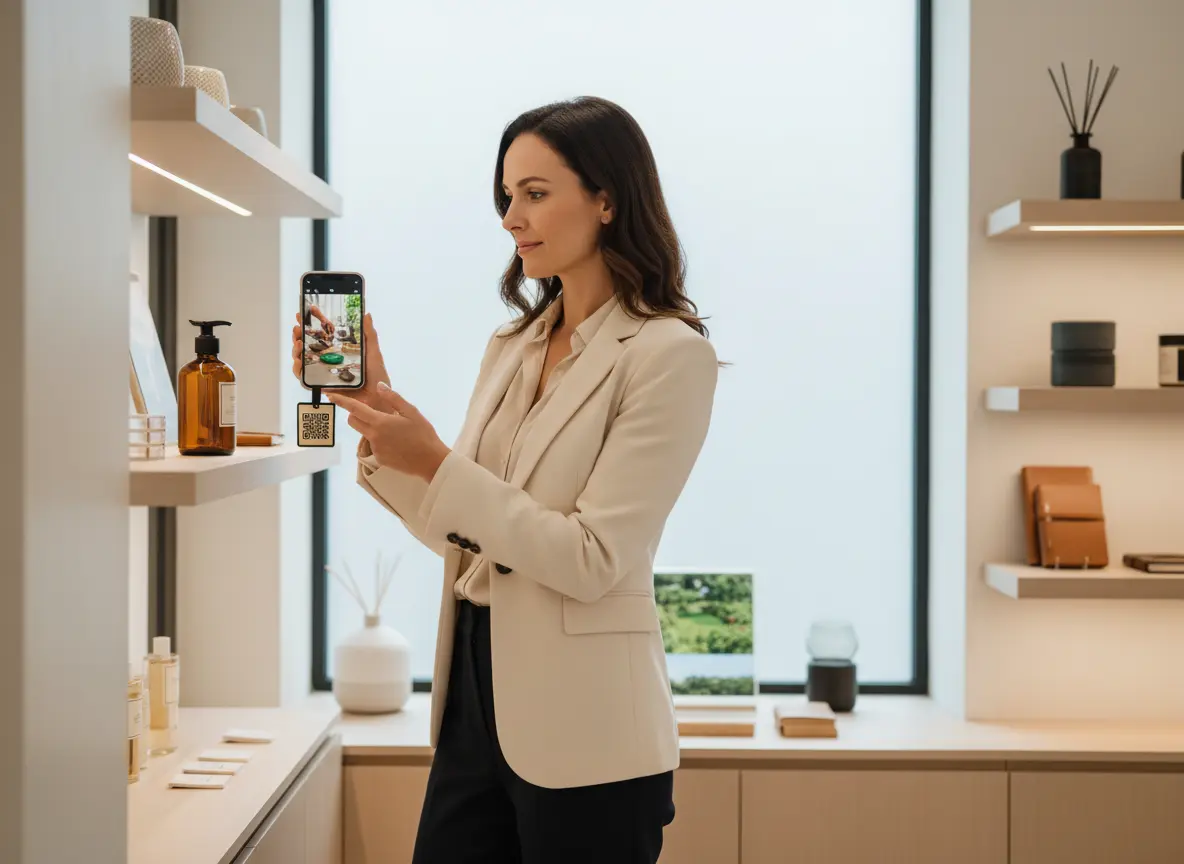
Pop-up retail has exploded in popularity over the past decade, and for good reason. According to PopUp Republic, the pop-up industry generates roughly $80 billion in annual revenue in the United States alone. Brands like Glossier, Warby Parker, and even Amazon have used temporary retail experiences to test markets, generate buzz, and gather real customer data — before committing to permanent locations. If it works for them, it can absolutely work for you.
Planning Your Pop-Up Shop Like You Actually Mean Business
Choosing the Right Location and Format
Setting Clear Goals Before You Set Up a Single Shelf
Budgeting for a Pop-Up Without Crying Into Your Spreadsheets
How Stella Can Keep Things Running While You're Busy Selling
Your AI-Powered Presence — In Store and On the Phone
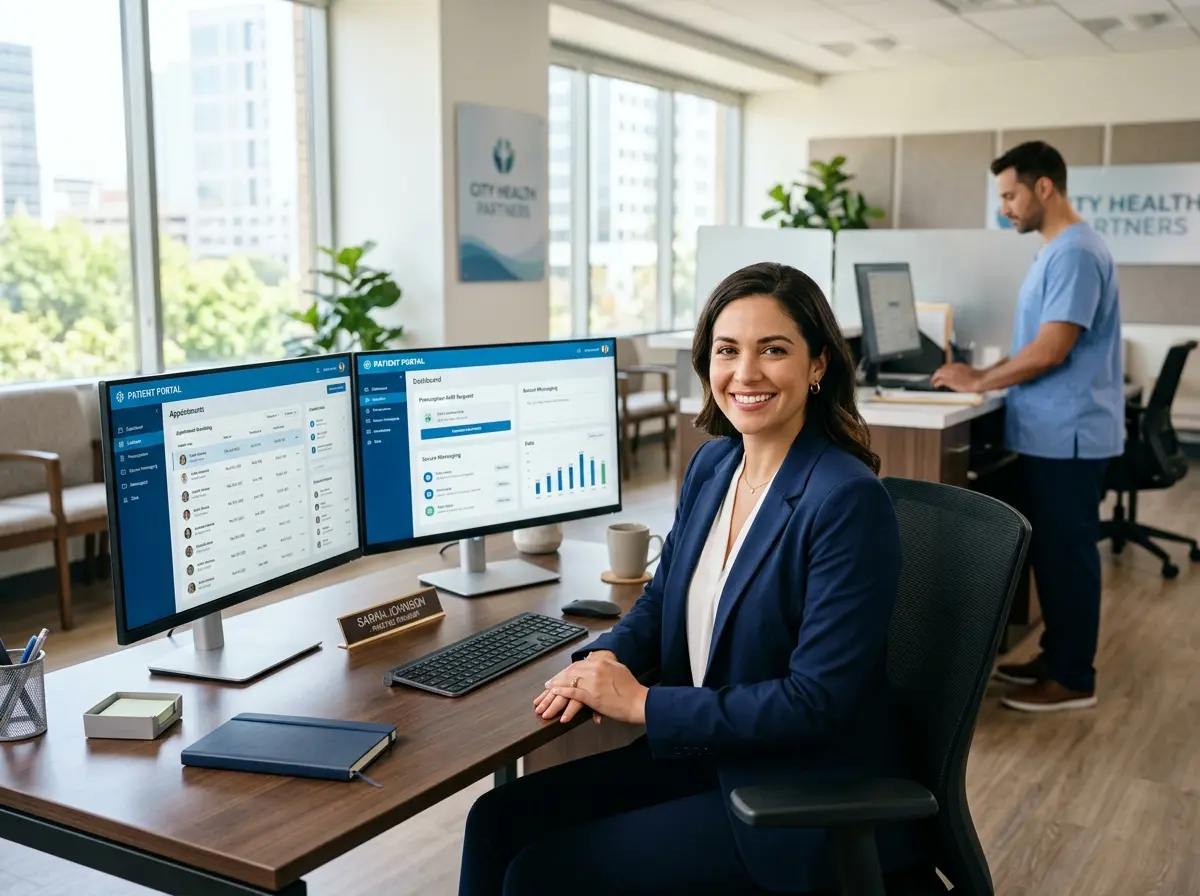
Running a pop-up often means you and your small team are stretched thin. You're handling transactions, answering questions, restocking displays, and trying to have meaningful conversations with potential customers — all at the same time. This is exactly where Stella, the AI robot employee and phone receptionist, earns her keep.
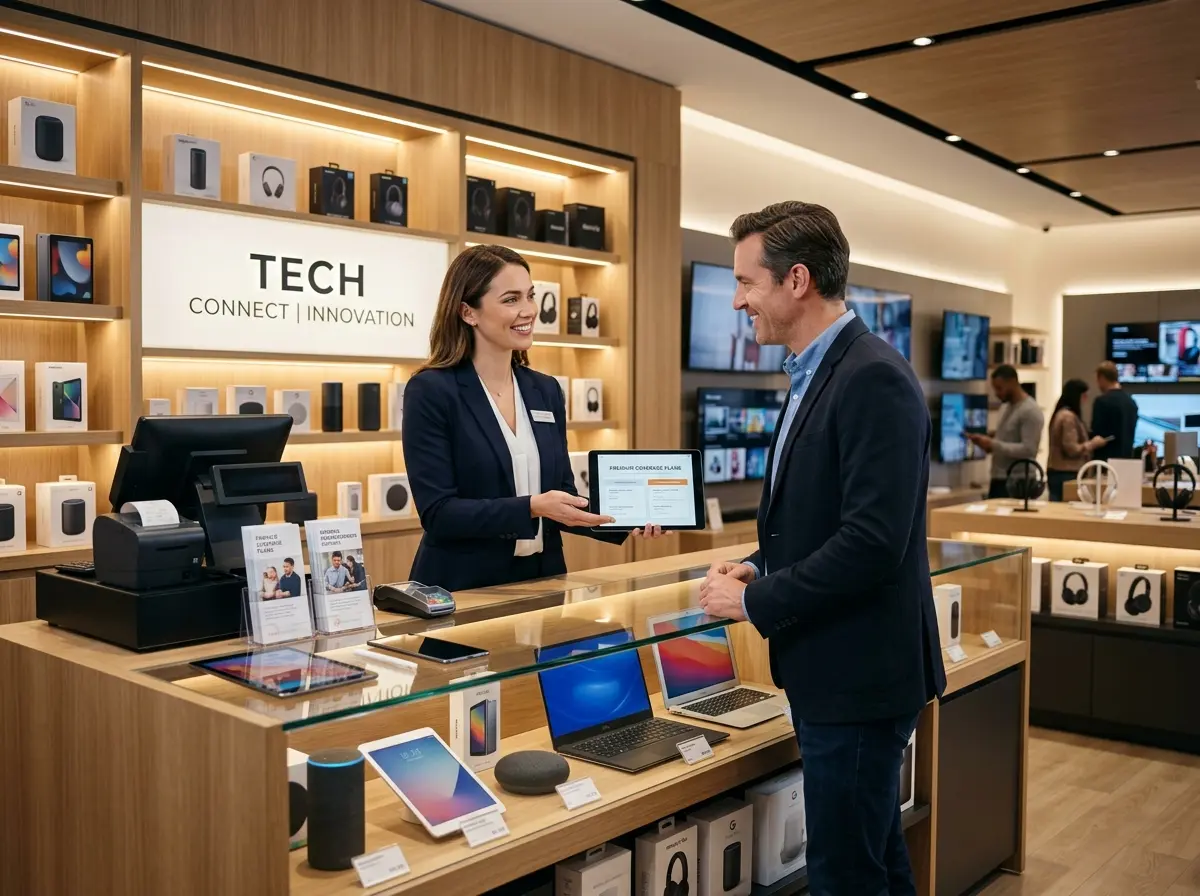
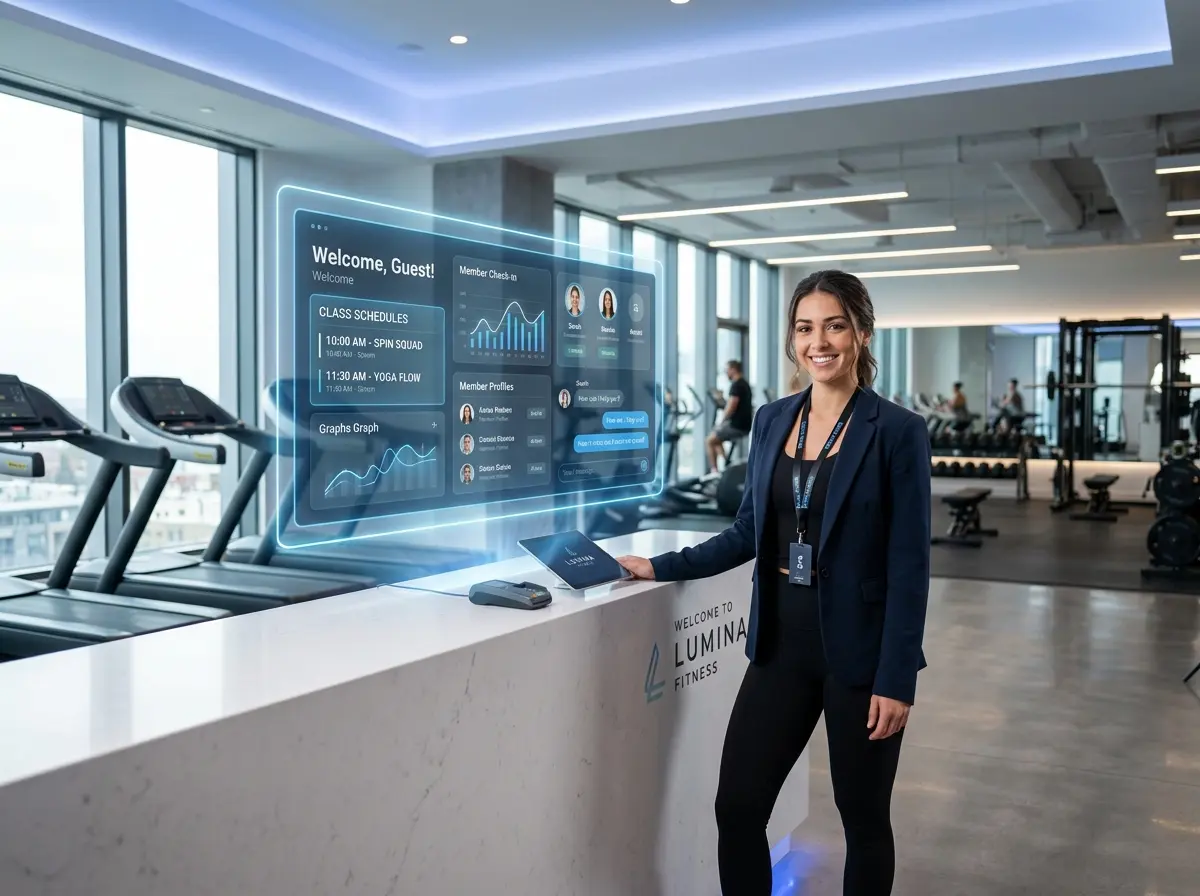
For your physical pop-up, Stella's kiosk presence can proactively greet customers who walk by, answer product questions, highlight current promotions, and even upsell or cross-sell — all without pulling you away from closing a sale. Meanwhile, back at your main business location (or your home office, let's be honest), Stella is answering every phone call 24/7, handling inquiries with the same product knowledge she uses in person. She can collect customer information through conversational intake forms and store everything in her built-in CRM — so you walk away from your pop-up weekend with a clean, actionable contact list, not just a pile of business cards you'll never sort through. At $99/month with no upfront hardware costs, she's considerably more affordable than hiring even one part-time staff member.
Making the Most of Your Pop-Up: Data, Feedback, and Follow-Through
Collecting Real Customer Insights in Real Time
Building Your Customer Base Beyond the Weekend
Analyzing Results and Deciding What Comes Next
A Quick Reminder About Stella
Stella is an AI robot employee and phone receptionist designed to help businesses of all sizes — retail shops, restaurants, service providers, and beyond — deliver a consistent, professional customer experience without the overhead of additional staff. She greets customers in person, answers calls around the clock, promotes your offers, collects customer data, and never once calls in sick on a Saturday. At $99/month with no hardware costs and an easy setup, she's built for businesses that want to grow without burning out.
Ready to Pop Up Somewhere Amazing? Here's How to Start
Here's your action plan for getting started:
- Define your goal — Know exactly what you're trying to learn or achieve before you book a single square foot of space.
- Scout your location — Research local markets, events, shopping centers, and temporary retail opportunities in your target area.
- Build a realistic budget — Account for all costs, including permits, staffing, display, and marketing.
- Design for experience — Your pop-up should feel intentional and branded, not like a hastily assembled garage sale.
- Collect data relentlessly — Sales numbers, customer feedback, email captures — gather everything.
- Follow up fast — Reach out to new contacts within 48 hours while the memory is still warm.
- Analyze and iterate — Use what you learned to make smarter decisions about your next move.