You Did the Work — Now Get Paid Twice
You already spent the time, the energy, and the resources getting a customer through your door. You delivered great service. They left happy. And then... crickets. No rebook. No follow-up purchase. Just a polite smile and a door closing behind them.
If this sounds familiar, you're leaving serious money on the table — and you're not alone. Studies consistently show that repeat customers spend 67% more than new ones, yet most businesses invest the bulk of their energy chasing new clients rather than nurturing the ones they already have. Post-appointment follow-ups are one of the highest-ROI activities a service-based business can implement, and yet they're treated like an afterthought — something you'll "get to eventually" right after you finish that stack of invoices and figure out why the Wi-Fi is down again.
The good news? A solid follow-up strategy isn't complicated. It just requires a little intention, the right timing, and knowing what to say. Let's break it down.
The Anatomy of a Follow-Up That Actually Works
Not all follow-ups are created equal. A generic "Thanks for visiting!" email is better than nothing, but it's not going to drive rebooking or revenue. Effective follow-ups are timely, personalized, and purposeful. Here's what that looks like in practice.
Timing Is Everything (No, Really)
The window for a post-appointment follow-up is shorter than most business owners realize. Research from HubSpot and various CRM platforms consistently shows that outreach within 24 to 48 hours of an appointment produces dramatically higher engagement than messages sent days later. At that point, the customer still remembers you, still has the warm feeling of a good experience, and is far more receptive to a next step.
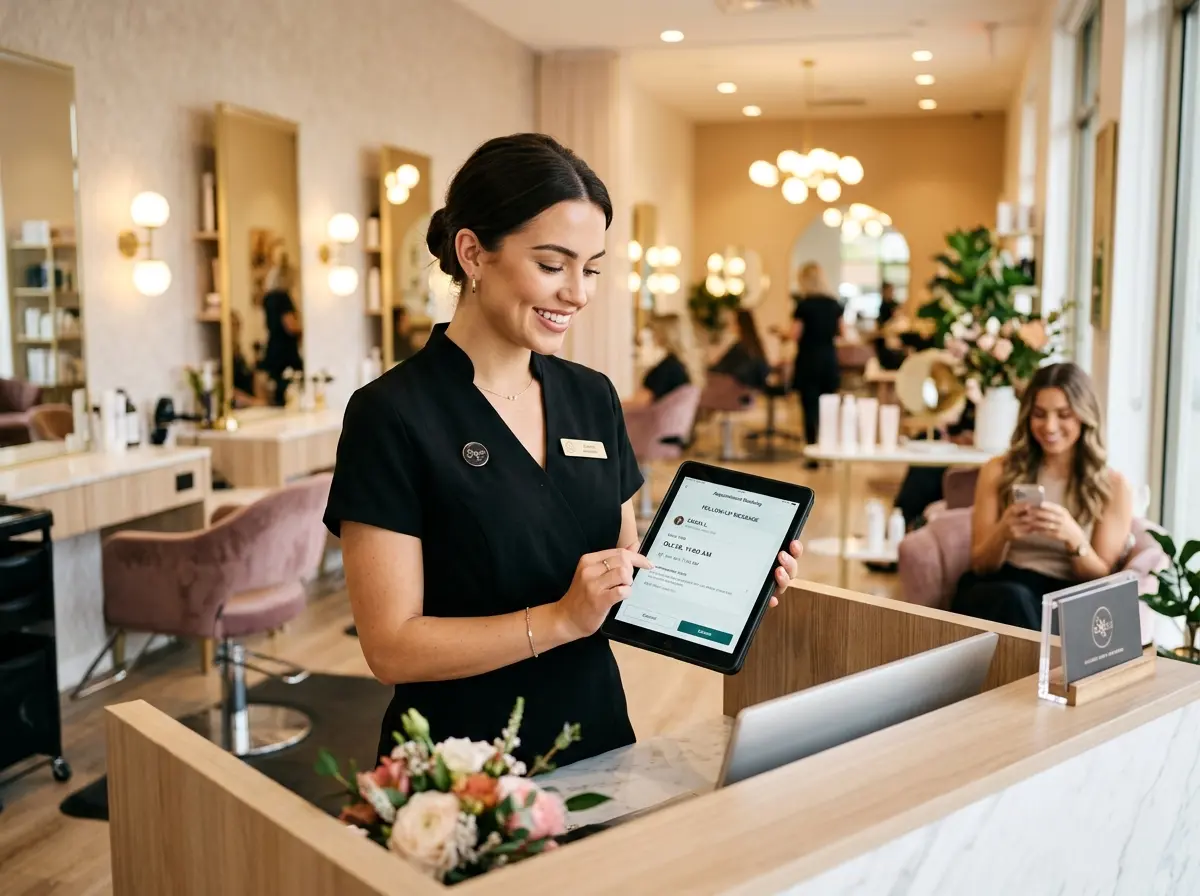
For service businesses like salons, spas, chiropractic offices, or auto shops, a follow-up sent the next morning hits the sweet spot. For higher-ticket services or medical/legal consultations, a same-day follow-up can feel attentive and professional rather than pushy. The key is to match your timing to your industry norms and your customer's likely headspace — because nobody wants to receive a rebook request while they're still in the parking lot.
Personalization Beats Automation (But Automation Beats Nothing)
The best follow-up messages feel like they came from a human who actually paid attention. Referencing the specific service a customer received, the product they asked about, or the concern they mentioned goes a long way toward making them feel valued rather than blasted. "We noticed you asked about our deep conditioning treatment — here's a quick tip to get the most out of it, and we'd love to see you back in 6 weeks!" beats "Dear Valued Customer" every single time.
Now, can you do this manually for every single client? Probably not — unless your idea of a good evening is writing 40 personalized emails after a full workday. This is where CRM-driven automation earns its keep. When you capture detailed customer notes and service history, you can set up templated follow-ups that pull in the right details automatically, making them feel personal without requiring heroic effort.
Make the Ask Specific and Easy
Vague follow-ups produce vague results. If you want a customer to rebook, give them a direct link, a specific timeframe, and a reason to act now. If you want to upsell, mention the exact product or service that complements what they already received — don't make them guess. Something like, "Your color treatment will stay vibrant longer with our at-home gloss kit — we'll have one ready at your next visit if you'd like!" is far more effective than a generic "Check out our products!" nudge.
The friction of booking again should be as low as humanly possible. The more steps between "I should rebook" and "I just rebooked," the more customers you'll lose to inertia and competing priorities.
How Stella Can Streamline Your Follow-Up Game
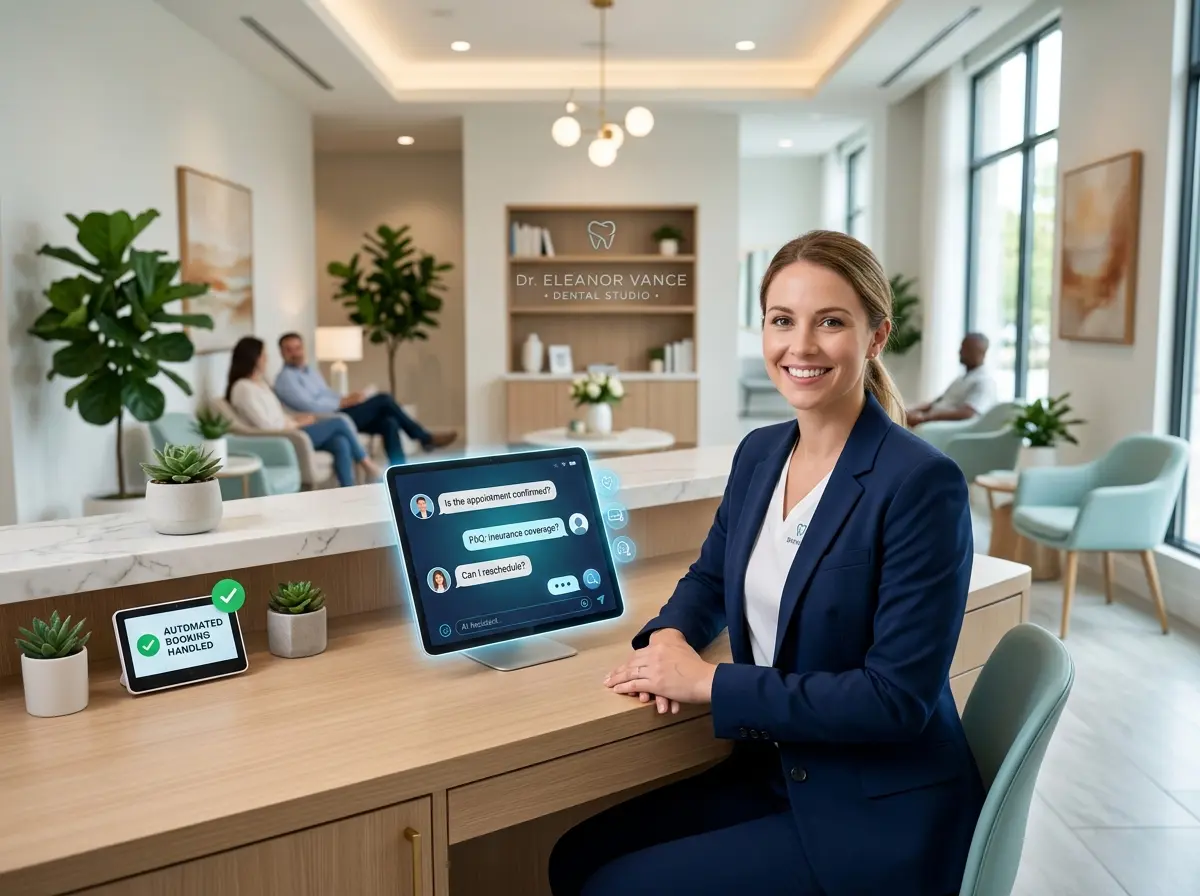
Here's where the right tools make a real difference. Stella — the AI robot employee and phone receptionist — isn't just for greeting customers and answering the phones. Her built-in CRM lets you capture customer information, notes, and service details through conversational intake forms during calls, at the in-store kiosk, or on the web. That means when it's time to follow up, you actually have the data you need to make it personal.
Better Data, Better Follow-Ups
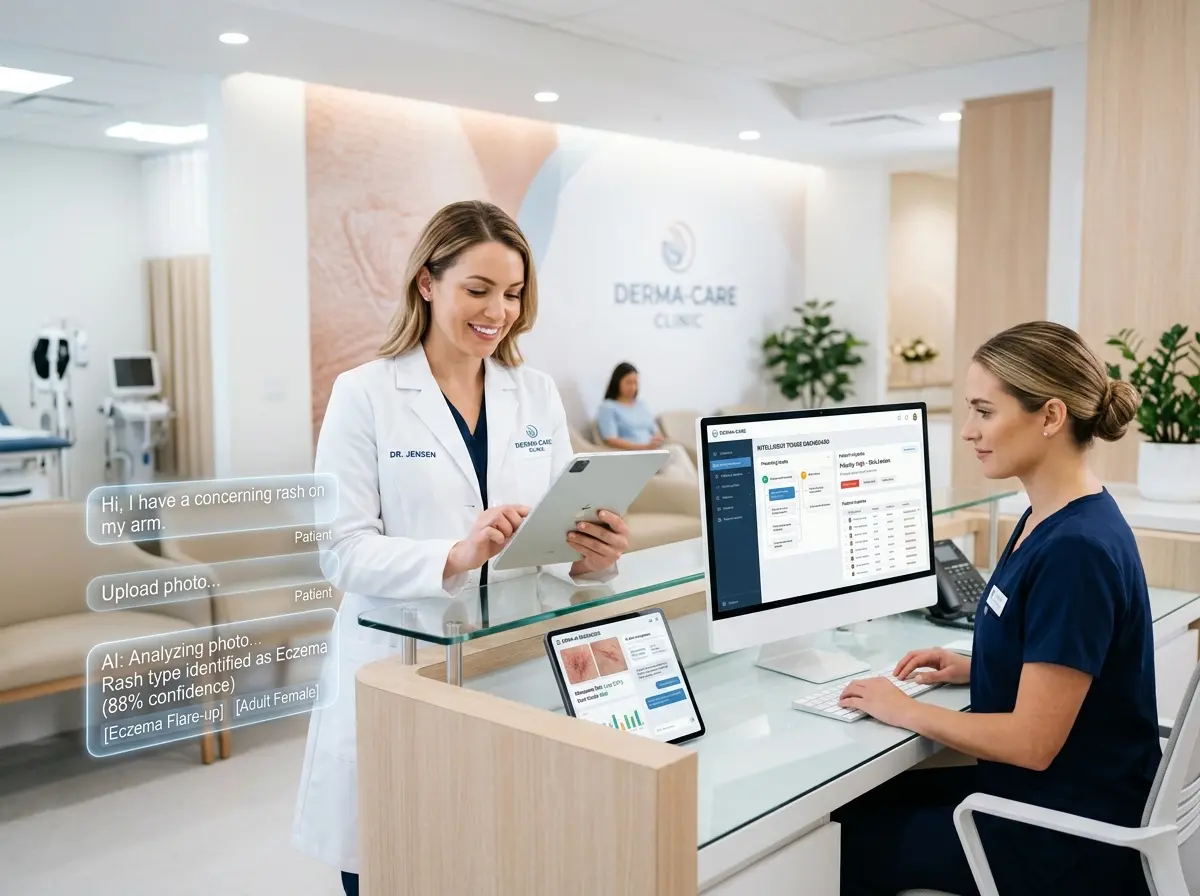
Stella creates AI-generated customer profiles automatically from her interactions — tagging clients, logging preferences, and summarizing conversations so nothing falls through the cracks. For businesses that rely on appointment-based revenue, this kind of structured customer history is the foundation of a genuinely effective follow-up strategy. You know what they came in for, what they asked about, and what they might need next — all without relying on your staff to remember or manually enter every detail after a busy shift.
Building a Rebook and Upsell System That Runs Itself
The goal isn't just to follow up once and hope for the best. The goal is a repeatable system that consistently brings customers back and increases their average spend over time. Here's how to build one that doesn't require you to babysit it.
Map Your Rebooking Windows by Service Type
Every service has a natural rebooking cadence, and knowing yours is the foundation of a proactive follow-up system. Hair color appointments typically last 6–8 weeks. HVAC tune-ups are annual. Personal training works best with weekly or biweekly sessions. Massage therapy clients who rebook within 30 days are significantly more likely to become regulars than those who wait 90.
Map out the ideal rebooking window for each service you offer, and build your follow-up sequences around those timelines. A reminder that arrives right when a customer is due — before they even start thinking about booking — positions you as the obvious choice rather than one option among many they'll search when the pain (or the roots) come back.
Upsell Through Education, Not Sales Pressure
The word "upsell" makes some business owners uncomfortable, because they picture pushy salespeople and customers rolling their eyes. The reality is that upselling, done right, is a service — you're helping customers get more value from what they already came in for. The trick is framing. Instead of pitching, educate. Instead of selling, recommend.
A follow-up email that says, "Based on your last visit, here are three things that can help you maintain your results at home," reads as helpful and expert. One that says, "Don't forget to buy our products!" reads as self-serving. The former builds trust and earns the sale. You can make this a consistent part of every follow-up without it ever feeling like a sales blast — as long as the recommendations are genuinely relevant to the customer's actual visit.
Leverage Loyalty and Referrals While You Have Their Attention
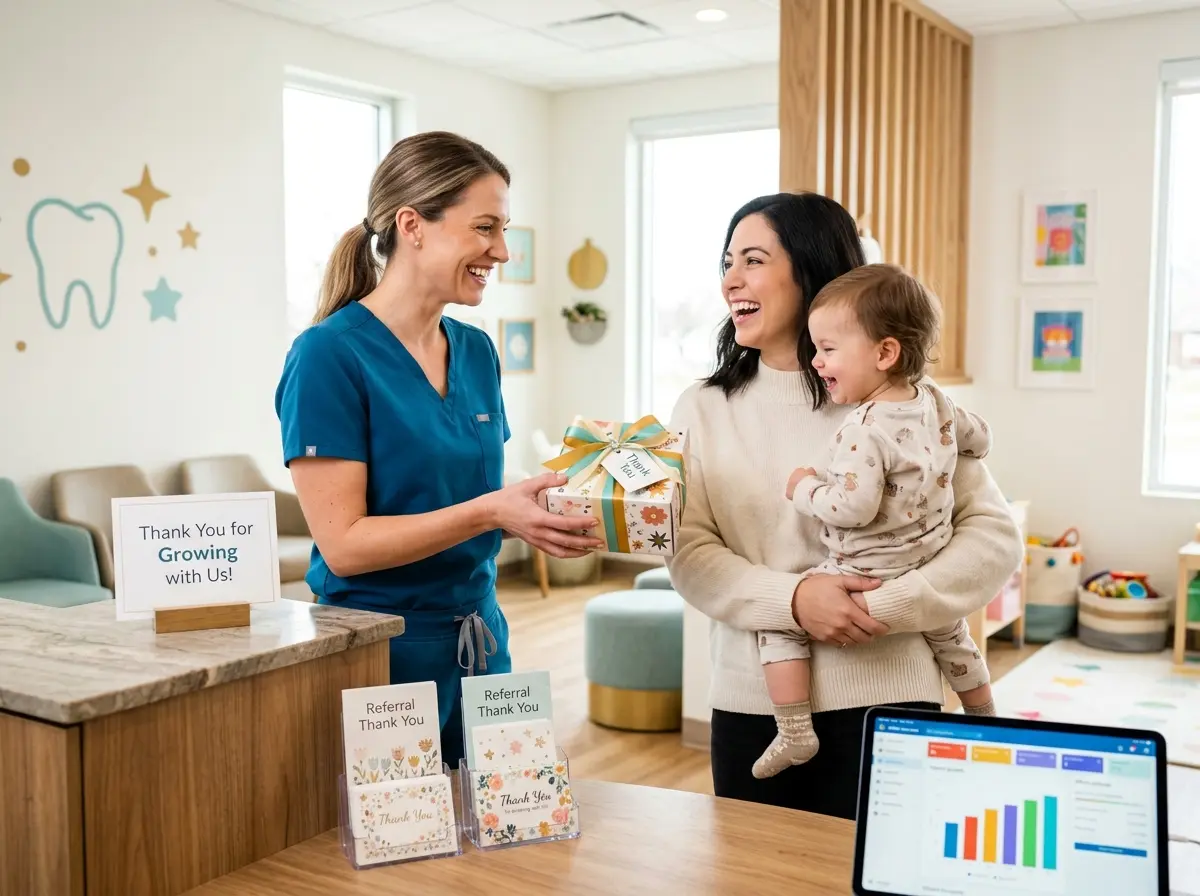
Post-appointment is also the single best time to introduce or reinforce a loyalty program. Customers are feeling good about you — that's the moment to tell them how close they are to their next reward, or to offer a referral incentive while the experience is fresh. A well-timed "Refer a friend this week and you'll both get 15% off your next visit" can turn one happy customer into two or three new ones with almost no additional marketing spend. Most businesses underutilize this window entirely, then wonder why their referral program isn't performing.
Quick Reminder About Stella
Stella is an AI robot employee and phone receptionist that works inside your store as a friendly, human-sized kiosk — greeting customers, promoting deals, and answering questions — while also handling your incoming phone calls 24/7 with the same business knowledge she uses in person. At just $99/month with no upfront hardware costs, she's designed to make businesses like yours run smoother without adding to your headcount or your stress level.
Start Small, Stay Consistent, Scale What Works
If your current post-appointment follow-up strategy is "we try to remember to send something," it's time to level up — but you don't have to overhaul everything at once. Start with one service type, one follow-up sequence, and one clear call to action. Measure your rebooking rate before and after. See what happens to your average transaction value when you include a targeted upsell recommendation. Then refine and expand from there.
The businesses that win on repeat revenue aren't doing anything magical. They're simply more intentional about staying in touch, making it easy to come back, and adding value at every touchpoint. A customer who feels remembered and cared for after their appointment is far more likely to become a loyal regular than one who hears from you only when you're running a slow-month promotion.
Here's your action plan to get started:
- Audit your current follow-up process — or lack thereof. Be honest about what's actually happening after appointments end.
- Define your rebooking windows for your top three to five services.
- Write two or three follow-up message templates — one for rebooking, one for upsell, one for referrals — and make them specific to your services.
- Set up a system to capture customer notes during or after appointments so your follow-ups can actually be personalized.
- Send your first follow-up sequence to recent customers and track responses over 30 days.
Post-appointment follow-ups won't transform your business overnight. But done consistently, they will absolutely transform your revenue over time — and they'll do it using customers you've already earned. That's not a bad return on a well-crafted email and a little bit of intention.