Let's Talk About the Elephant in the Waiting Room
Chronic pain patients are, statistically speaking, some of the most complex, nuanced, and — let's be honest — frequently underserved individuals walking through the doors of a physical therapy practice. They've often bounced between specialists, tried every ointment on the shelf, and arrived at your clinic with a combination of hope, skepticism, and a very thick medical history. If your practice is treating them the same way you treat a post-surgical knee replacement or a sprained ankle from a weekend soccer game, then we need to have a conversation.
The reality is that chronic pain — defined generally as pain lasting longer than three months — affects an estimated 50 million adults in the United States alone. That's not a niche population. That's a significant, underserved segment of patients who require a fundamentally different approach than your standard episode-of-care model. And yet, many physical therapy practices still lack a formal, structured program designed specifically to meet their needs. This isn't just a clinical oversight — it's a business one too.
Whether you're a solo practitioner or managing a multi-location clinic, building a dedicated chronic pain program isn't just the right thing to do for your patients. It's one of the smartest strategic moves you can make for your practice's long-term growth, reputation, and patient retention.
Why a General Approach Simply Doesn't Cut It for Chronic Pain
The Biopsychosocial Reality of Chronic Pain
Chronic pain isn't just a physical problem wearing a fancy name tag. It's a complex interplay of biological, psychological, and social factors — what clinicians call the biopsychosocial model. A patient dealing with chronic lower back pain isn't just experiencing muscle dysfunction. They may also be navigating anxiety, sleep disruption, social isolation, and a deeply held fear of movement (kinesiophobia) that no amount of ultrasound therapy is going to fix on its own.
A general PT protocol isn't designed to account for these layers. Treating a chronic pain patient with a cookie-cutter six-visit plan isn't just ineffective — it can actually reinforce the idea that their pain is untreatable, which sends them right back out into the world feeling defeated. A formal program, on the other hand, acknowledges the full picture and delivers care accordingly: incorporating pain neuroscience education, graded exposure therapy, goal-setting frameworks, and interdisciplinary coordination where appropriate.
Patient Retention and the Dropout Problem
Here's a statistic that should make any practice owner sit up straight: research consistently shows that chronic pain patients have significantly higher dropout rates from physical therapy than acute pain patients. Why? Because they often don't see quick wins, they get frustrated, and without a program designed to set realistic expectations and celebrate incremental progress, they feel like they're failing — even when they're not.
A structured chronic pain program addresses this directly. It creates a clear roadmap for the patient from day one: this is what we're doing, this is why we're doing it, and this is what progress looks like for someone in your situation. That transparency builds trust, improves adherence, and ultimately keeps patients engaged long enough to actually see meaningful results. Better outcomes mean better reviews, more referrals, and a stronger reputation in your community.
Differentiating Your Practice in a Competitive Market
Let's not forget the business angle. Physical therapy is a competitive industry, and most clinics in any given area offer broadly similar services. A formal, well-marketed chronic pain program gives you something your competitors likely don't have: a specialty. Patients who've been failed by general care will actively seek out practices that demonstrate expertise in chronic pain management. Referring physicians will notice. Insurance case managers will notice. And your Google reviews will reflect the difference.
Streamlining Patient Communication and Intake With the Right Tools
First Impressions and Administrative Burden
Running a chronic pain program means more patient touchpoints, more intake data to collect, more follow-up calls, and more nuanced communication than your typical acute care case. That's a lot of administrative weight to put on an already-stretched front desk team. This is where Stella, an AI robot employee and phone receptionist, can take some of that pressure off your plate.
Stella answers phone calls 24/7 and can handle conversational intake forms — collecting patient information, program interest, and scheduling preferences without your staff having to play phone tag with a new chronic pain patient at 7:30pm. For clinics with a physical location, her in-person kiosk presence means she can greet patients as they arrive, answer common questions about your chronic pain program, and ensure no one feels ignored while your therapists are in session. That consistent, professional first impression matters more than most practice owners realize.
Building the Architecture of a Formal Chronic Pain Program
Define Your Program Structure and Patient Eligibility
A formal program needs bones — an actual structure that your staff can follow consistently and that patients can understand clearly. Start by defining what "chronic pain" means within the context of your practice and which patient populations you're equipped to serve. Are you focusing on musculoskeletal chronic pain? Fibromyalgia? Post-surgical chronic pain syndromes? Central sensitization? Your clinical team's expertise should drive this decision.
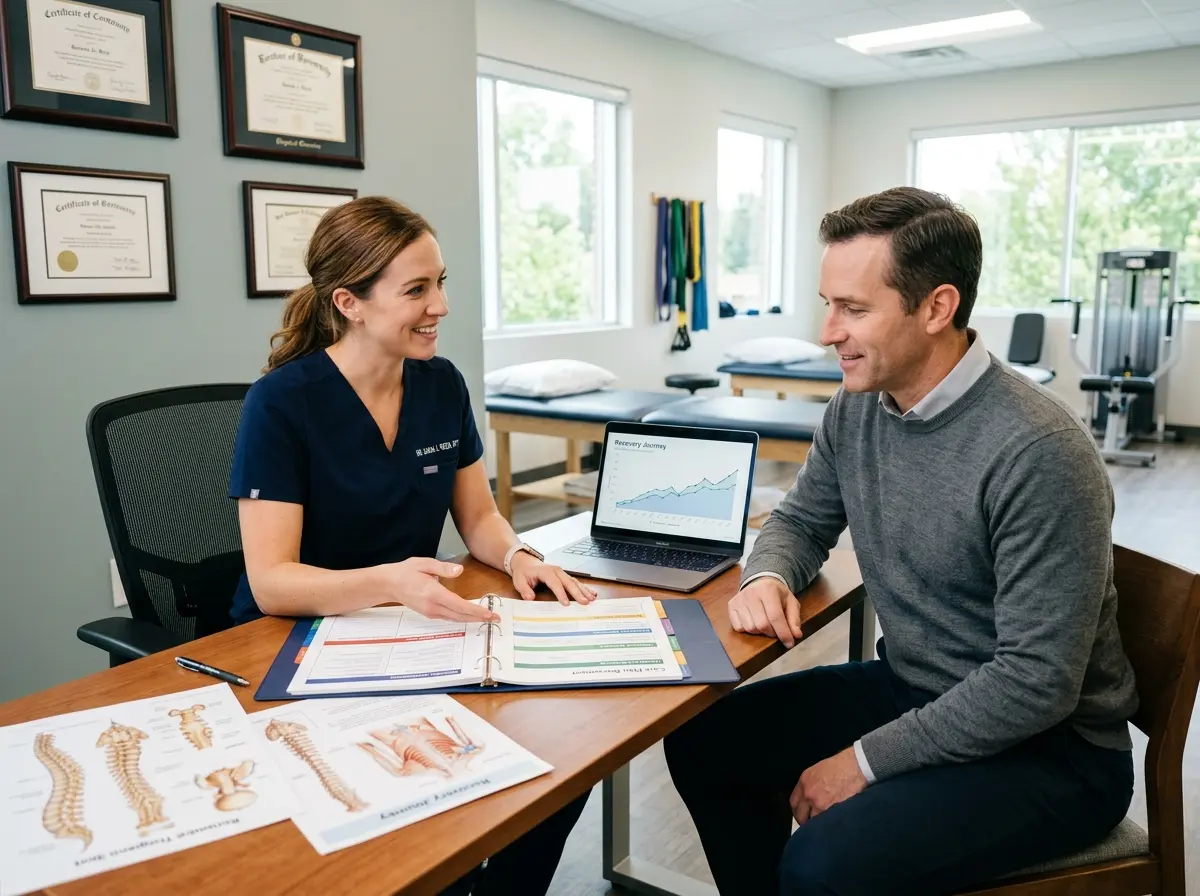
Once you've defined your scope, build a phased program model. A common and effective framework involves an initial comprehensive evaluation (longer than your standard eval, because these cases demand it), followed by a structured series of sessions broken into phases: education and goal-setting, active rehabilitation and graded exposure, and self-management and discharge planning. Each phase should have measurable milestones — not just pain scores, but functional outcome measures like the Patient-Specific Functional Scale or PROMIS tools — so progress feels tangible even when pain levels fluctuate.
Train Your Team on Pain Neuroscience and Communication
Your therapists don't need to become psychologists, but they do need to speak the language of chronic pain fluently. Pain neuroscience education (PNE) is one of the most evidence-based interventions available for chronic pain patients, and it requires your clinical team to shift from a purely biomechanical explanatory framework to one that helps patients understand how their nervous system has become sensitized over time.
Invest in continuing education — whether that's courses through APTA, certifications in pain science, or bringing in a guest educator for an internal training day. Equally important is training your entire team, including front desk staff, on how to communicate with chronic pain patients empathetically. The words used in a first phone call can set the tone for everything that follows. Phrases like "we have a specific program designed for people in your situation" communicate competence and care before the patient has even walked in the door.
Marketing Your Program to the Right Referral Sources
A beautifully designed chronic pain program that nobody knows about is just a really nice internal document. Marketing it effectively — both to patients and to referral sources — is essential. Start by updating your website to include a dedicated page for your chronic pain program, written in plain language that a patient can actually understand. Explain what the program involves, who it's for, and what outcomes patients can expect.
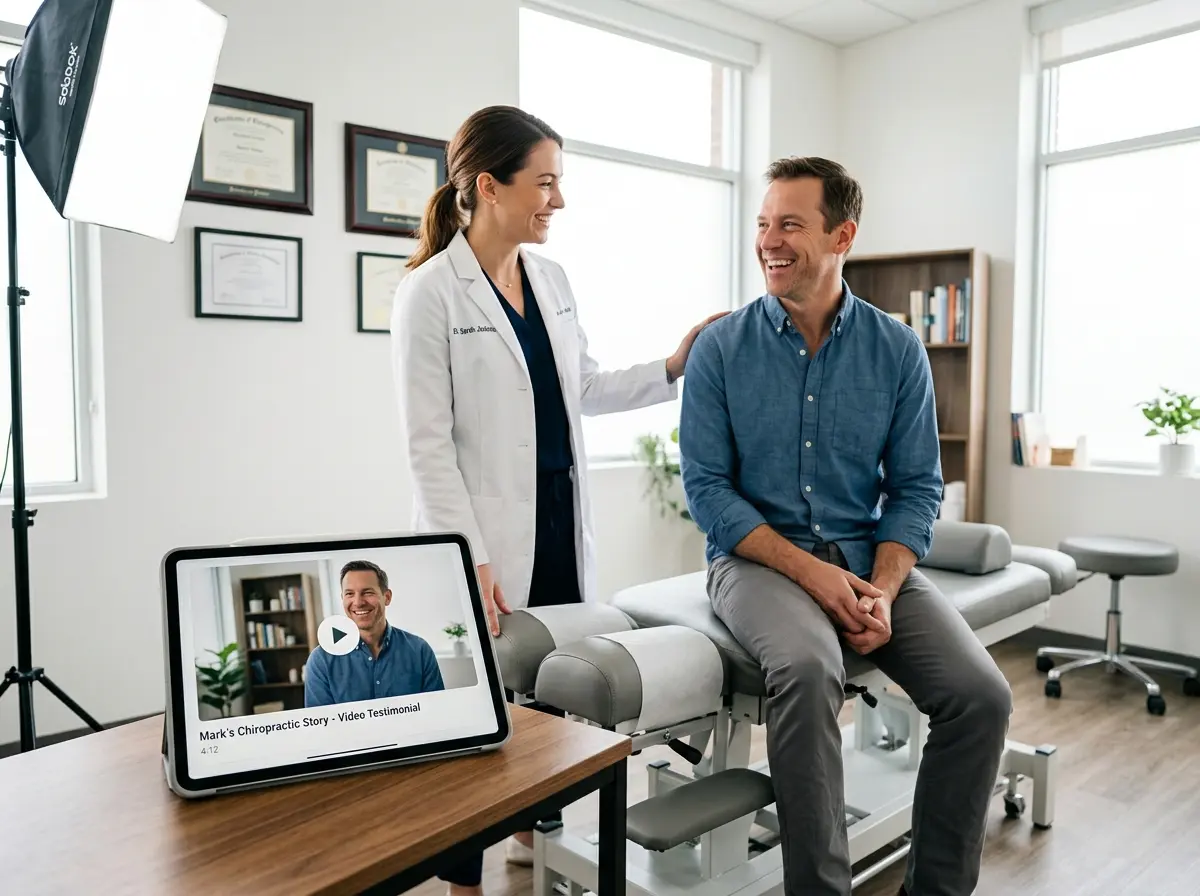
On the referral side, proactively reach out to primary care physicians, pain management specialists, and mental health providers in your area. These are your referral goldmines for chronic pain patients. A one-page program overview and a standing lunch-and-learn invitation go a long way. Don't underestimate the power of patient testimonials either — a chronic pain patient who found meaningful relief after years of struggling is one of the most compelling marketers your practice could ever have, and their story (with permission, of course) can resonate deeply with prospective patients still searching for help.
A Quick Reminder About Stella
Stella is an AI robot employee and phone receptionist built to support businesses exactly like yours — handling calls around the clock, greeting patients at your kiosk, collecting intake information, and keeping your front desk running smoothly without burnout or turnover. At just $99/month with no upfront hardware costs, she's the kind of staff member every practice owner wishes they'd hired sooner.
It's Time to Stop Winging It With Chronic Pain Patients
Chronic pain patients deserve more than a recycled acute care protocol and a sympathetic shrug. They deserve a practice that has taken the time to understand their condition, build a program around their needs, and commit to walking alongside them through what is often a long and nonlinear journey. And your practice deserves the clinical reputation, patient loyalty, and revenue stability that comes with doing this well.
Here's where to start:
- Assess your current state. Audit the last 20 chronic pain patients who came through your door. What was their average number of visits? What were their outcomes? What was your dropout rate? The data will tell you whether you have a problem worth solving.
- Assemble a small internal working group of your most experienced clinicians and design a phased program structure together. Don't let perfect be the enemy of launched.
- Invest in one continuing education course on pain neuroscience education this quarter. Even a single trained clinician becomes a resource and an evangelist for the broader team.
- Update your marketing materials — website, Google Business Profile, and referral one-pagers — to reflect your new specialized offering.
- Tighten your intake and communication workflows so chronic pain patients experience a seamless, professional process from first call to first appointment.
The chronic pain population isn't going anywhere — in fact, it's growing. The practices that take the time to build thoughtful, evidence-based programs now will be the ones leading their markets in five years. That could be your practice. Probably should be, actually.