Introduction: Because "Just Wing It" Is Not a Lead Capture Strategy
Let's be honest — you didn't get into home remodeling because you love chasing down leads, following up with cold prospects, or playing phone tag with homeowners who called once and never left a voicemail. You got into it because you're good at transforming spaces and making clients' renovation dreams a reality. And yet, here you are, reading an article about lead capture systems, which means you've already accepted that the business side of things doesn't run on talent alone.
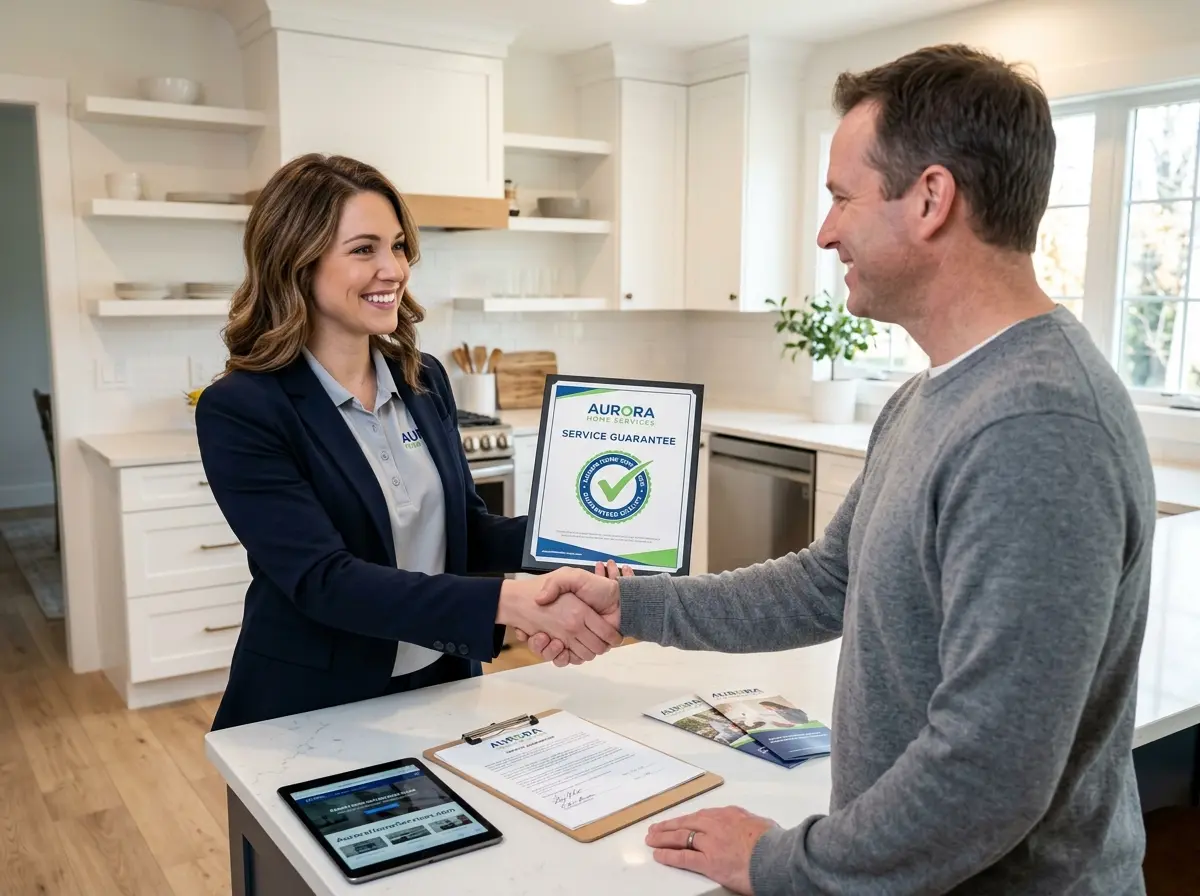
Here's the uncomfortable truth: the home remodeling industry loses a staggering number of potential customers not because of bad work, but because of bad follow-through. According to industry research, up to 50% of leads go to the first business that responds. If your phone isn't answered, your contact form sits unmonitored for hours, or a potential client visits your showroom only to be greeted by a distracted team member who hands them a brochure and walks away — you've already lost ground to the competitor down the street who had their act together.
The good news? Building a solid lead capture system doesn't require a marketing degree or a Fortune 500 budget. It requires the right structure, the right tools, and a commitment to treating every potential client like they're already your best customer. This guide will walk you through exactly how to build that system — practically, professionally, and without losing your mind in the process.
Laying the Foundation: Where Leads Come From (And Where They Go to Die)
Understanding Your Lead Sources
Before you can capture leads effectively, you need to understand where they're actually coming from. Home remodeling businesses typically attract prospects through a mix of channels: organic Google searches, paid ads, referrals, social media, home improvement platforms like Houzz or Angi, and of course, walk-ins to physical showrooms. Each channel has different expectations attached to it, and treating them all the same is a recipe for missed opportunities.
For example, someone who finds you through a Google search at 10 PM on a Tuesday is in research mode — they want information quickly and conveniently. A referral from a happy past client, on the other hand, is already warm and may just need a phone call to convert. Mapping your lead sources helps you tailor your response strategy to meet prospects where they are, rather than forcing everyone through the same generic funnel.
The Leaky Bucket Problem
Most home remodeling businesses don't have a lead generation problem — they have a lead retention problem. Think of your lead pipeline as a bucket. You're constantly pouring water in through advertising, referrals, and foot traffic. But if the bucket has holes — unanswered calls, slow email responses, no follow-up system, information scattered across sticky notes and the back of someone's brain — you're spending money to fill a bucket that's emptying itself.
Common leak points include:
- Phone calls that go to a generic voicemail (or worse, ring endlessly)
- Contact form submissions that sit in an inbox for 24–48 hours
- Walk-in visitors who leave without sharing their contact information
- Leads captured but never entered into any kind of CRM or tracking system
- No structured follow-up sequence after the initial inquiry
Identifying your specific leak points is the first step. Once you know where leads are escaping, you can start plugging the holes with intentional systems — which is exactly what the rest of this article is about.
Setting Your Lead Capture Goals
Not all leads are created equal, and not all remodeling businesses need the same volume of leads to thrive. A boutique firm doing high-end kitchen renovations may only need 10 quality leads per month to stay fully booked. A mid-size company doing bathroom remodels and additions might need 50. Define what success looks like for your business — in terms of lead volume, project value, and conversion rate — before building your system. This gives you a benchmark to measure against and prevents you from optimizing for vanity metrics that don't actually pay the bills.
Tools and Technology That Do the Heavy Lifting
Automating Your First Point of Contact
Speed-to-response is arguably the single most important variable in lead conversion for home remodeling businesses. When a homeowner is excited about a renovation project, they're not going to wait patiently by the phone for two days while you get back to them. They're going to call three more contractors. The solution isn't to hire someone to answer phones 24/7 — that's expensive and logistically impractical. The solution is smart automation that keeps your business responsive at all hours without burning out your team.
This is exactly where Stella fits naturally into a home remodeling business. Stella is an AI robot employee and phone receptionist that answers calls around the clock, engages with visitors in your showroom, collects lead information through conversational intake forms, and manages all of that data through a built-in CRM with custom fields, tags, and AI-generated contact profiles. Whether a prospect calls at 7 AM before your team arrives or wanders into your showroom on a Saturday afternoon, Stella is there — ready, knowledgeable, and professional. She can answer questions about your services, collect project details, and ensure no lead slips through the cracks while your team is focused on the job site.
Converting Interest Into Commitment: The Follow-Up Framework
The Art of the Timely Follow-Up
Capturing a lead is only half the battle. What happens in the 24–72 hours after that first touchpoint often determines whether you get the job or a competitor does. The goal of your follow-up framework is simple: stay top of mind, demonstrate professionalism, and move the prospect toward a consultation appointment as efficiently as possible.
A well-designed follow-up sequence for a home remodeling business might look something like this: an immediate automated confirmation (email or text) acknowledging the inquiry, a personal phone call or email within a few hours during business hours, a follow-up message 48 hours later if there's no response, and a final check-in around day five or six before moving the lead to a long-term nurture sequence. This isn't aggressive — it's attentive. And attentive is exactly what homeowners making a $30,000 to $80,000 remodeling decision want to see from a contractor.
Qualifying Leads Before You Commit Resources
Not every inquiry deserves a two-hour in-home consultation, and learning to qualify leads early will save you an enormous amount of time. Build a simple intake process — whether through a form on your website, a conversation with your AI receptionist, or a brief phone screening — that gathers key information upfront: the type of project, estimated budget range, timeline, and whether they own the property. This allows you to prioritize high-intent, high-fit leads and give them your best, most attentive follow-up experience, while routing lower-priority inquiries into a slower nurture sequence.
Building Long-Term Nurture Into Your System
Some leads aren't ready to commit today. Maybe the timing is off, the budget isn't quite there yet, or they're still in early research mode. That doesn't mean they're not worth keeping. A homeowner who isn't ready for a kitchen remodel in March might be signing a contract by October. A simple email newsletter featuring project spotlights, seasonal promotions, or helpful renovation tips keeps your business in front of these prospects over time — without requiring your team to manually reach out every few weeks. Set it up once, let it run, and let compounding brand familiarity do the work for you.
Quick Reminder About Stella
Stella is an AI robot employee and phone receptionist available for just $99/month with no upfront hardware costs — she greets walk-in visitors at your showroom, answers calls 24/7, collects lead information through conversational intake forms, and keeps everything organized in her built-in CRM. For a home remodeling business where every missed call could be a missed five-figure project, having a reliable, always-on front line of communication isn't a luxury — it's just smart business.
Conclusion: Build the System Once, Benefit From It Every Day
Building a lead capture system for your home remodeling business isn't a one-afternoon project, but it's also not as overwhelming as it might seem when you break it into its component parts. Start by understanding where your leads are coming from and where you're losing them. Plug the most obvious gaps first — particularly around phone response time and showroom engagement. Layer in a structured follow-up framework that moves prospects toward consultations without requiring your team to manually manage every touchpoint. And invest in tools that handle the repetitive, time-sensitive work automatically, so your human team can focus on what they actually do best.
Here are your actionable next steps:
- Audit your current lead sources and identify which channels are sending the most valuable prospects.
- Map your existing process from first inquiry to signed contract, and identify every point where leads could fall through the cracks.
- Set up an automated response for all inbound inquiries so no lead waits more than a few minutes for an acknowledgment.
- Build a simple intake form — on your website, over the phone, or at your showroom — to qualify leads before investing significant time.
- Create a follow-up sequence with specific touchpoints and timelines that your team (or your tools) can execute consistently.
- Start a nurture campaign for leads who aren't ready yet, so your business stays top of mind until they are.
The home remodeling market is competitive, and the contractors who win aren't always the most talented — they're often just the most organized and the most responsive. Build the system, plug the leaks, and watch what happens when every lead actually gets the attention it deserves.