So, You're Still Running Your Store Without AI. How's That Going?
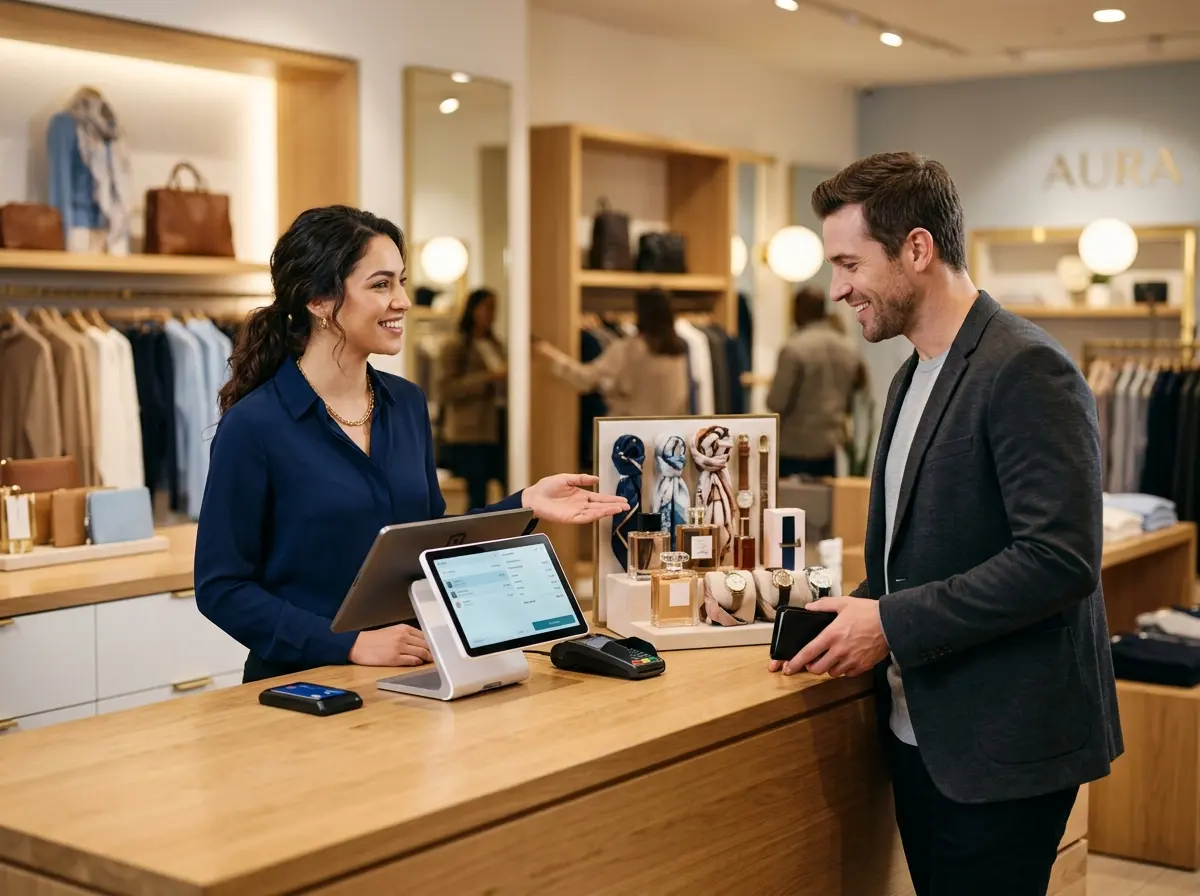
Let's be honest — running an independent retail store in 2025 is not for the faint of heart. You're competing against e-commerce giants with unlimited marketing budgets, navigating rising labor costs, managing inventory that seems to have a mind of its own, and somehow still finding time to actually help the customers standing in front of you. No pressure.
The good news? Artificial intelligence has quietly become the great equalizer. Tools that were once reserved for Fortune 500 companies with dedicated tech teams are now accessible, affordable, and — dare we say — actually useful for independent retailers. We're not talking about robots taking over your shop (well, not entirely). We're talking about smart, practical tools that handle the repetitive stuff so you and your team can focus on what actually moves the needle: building relationships and making sales.
This guide breaks down the AI tools every independent retailer should have on their radar in 2025, from inventory intelligence to customer engagement. Let's get into it.
AI Tools That Are Actually Worth Your Time
Inventory and Demand Forecasting: Stop Guessing
If you've ever found yourself sitting on a mountain of seasonal inventory in January or running out of your best-selling product on a holiday weekend, welcome to the club. Traditional inventory management relies heavily on gut instinct and historical spreadsheets — which is fine, until it isn't. AI-powered inventory tools like Brightpearl, Cin7, and Inventory Planner analyze sales trends, seasonality, supplier lead times, and even external factors like local events to give you smarter reorder recommendations.
For independent retailers, this translates to less cash tied up in slow-moving stock and fewer embarrassing "Sorry, we're out of that" conversations. Some platforms report that retailers using AI-driven demand forecasting reduce overstock by up to 30% and stockouts by as much as 50%. That's not a rounding error — that's real money back in your pocket.
AI-Powered Marketing: Because Writing 12 Emails a Month Is Nobody's Idea of Fun
Content creation and marketing automation have become genuinely accessible for small retailers thanks to tools like Klaviyo (with its built-in AI features), Mailchimp's AI content assistant, and general-purpose tools like ChatGPT or Jasper. These platforms can help you draft promotional emails, generate social media captions, segment your customer list, and even suggest optimal send times based on engagement data.
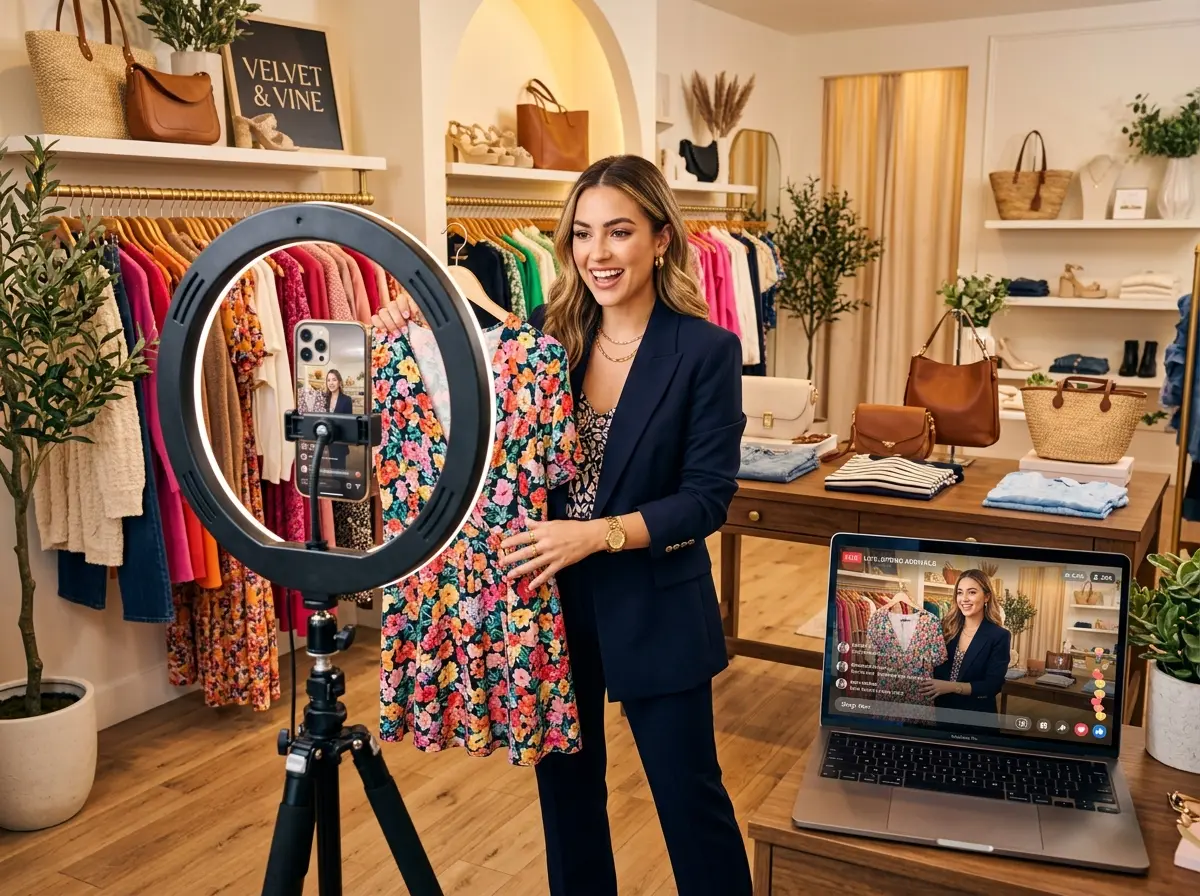
The practical upside is significant: a boutique clothing store, for example, can use AI to automatically send a personalized follow-up email to customers who purchased a summer dress — suggesting matching accessories or notifying them when a complementary item restocks. It's the kind of thoughtful touchpoint that used to require a dedicated marketing hire. Now it's a few clicks and a well-trained automation.
Point-of-Sale Intelligence: Your Cash Register Is Smarter Than You Think
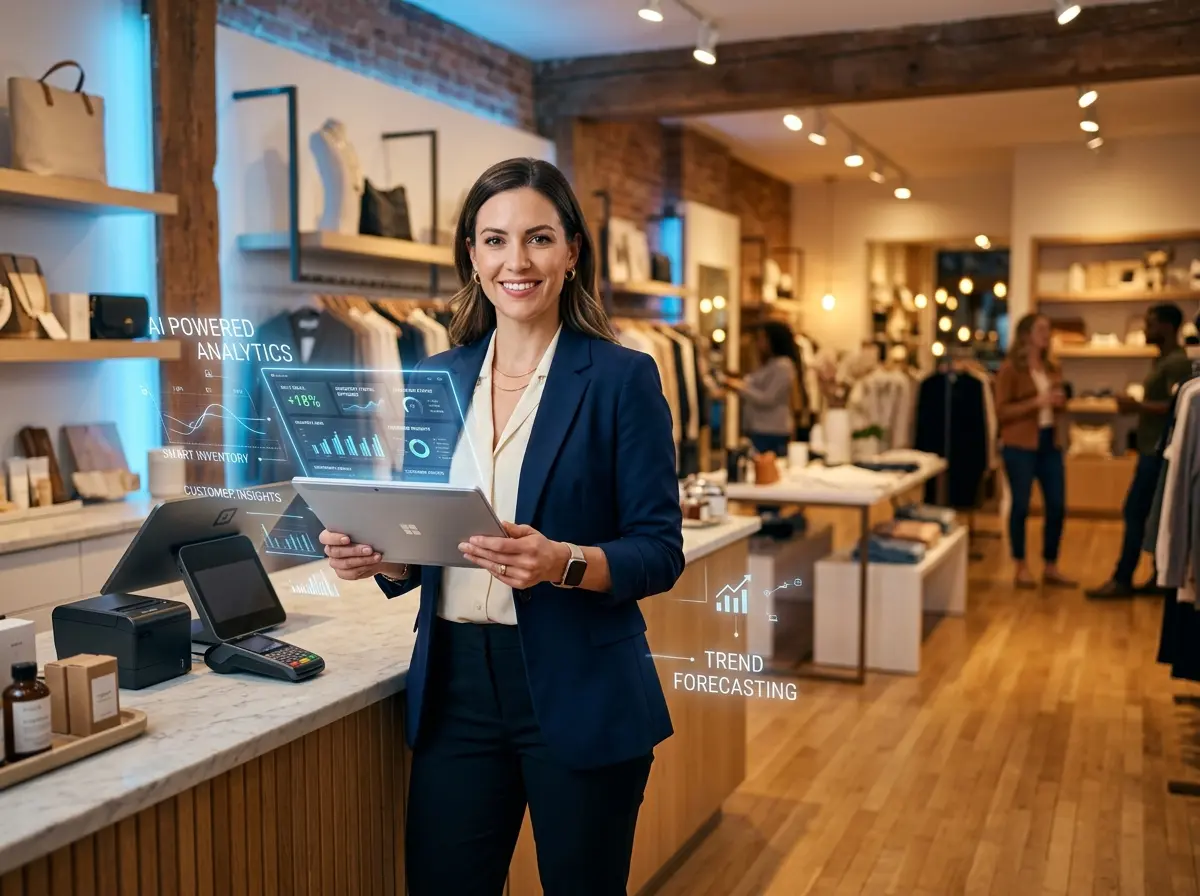
Modern POS systems like Lightspeed, Square for Retail, and Shopify POS have integrated AI features that go well beyond processing payments. They can identify your most profitable products, flag which items are frequently bought together (hello, upsell opportunity), analyze staff performance, and surface insights about peak shopping hours. If you're not digging into these dashboards at least once a week, you're leaving actionable intelligence on the table.
AI for Customer Engagement: The Part Most Retailers Overlook
Your Front Door and Your Phone Line Deserve Attention
Here's a scenario that will feel familiar: A customer walks into your store, looks around for thirty seconds, and leaves because no one acknowledged them. Meanwhile, your staff is helping someone else, stocking a shelf, or handling a phone call. It happens constantly, and it costs you sales every single day without ever showing up on a report.
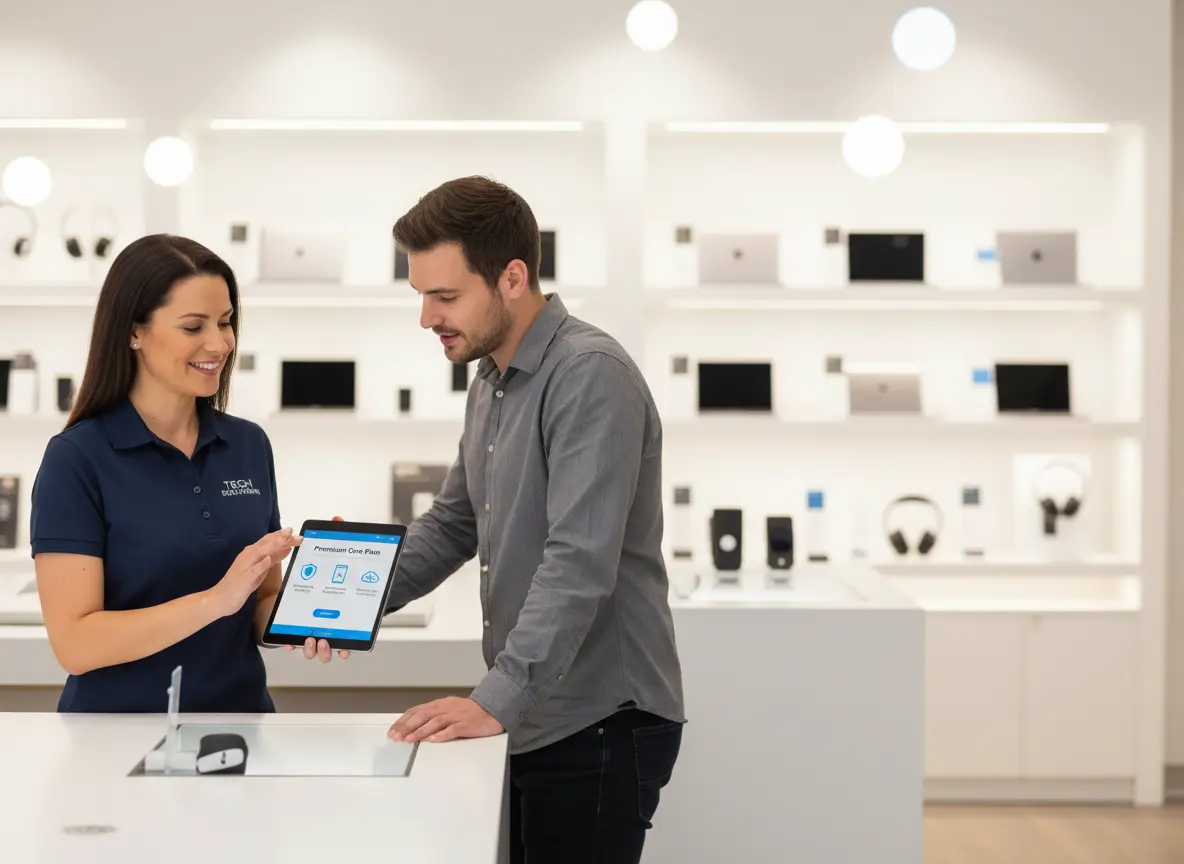
This is exactly where Stella comes in. Stella is a friendly, human-sized AI robot kiosk that stands inside your store and proactively greets every customer who walks by. She can answer questions about products, services, hours, current promotions, and policies — all without pulling your staff away from other tasks. She also doubles as a 24/7 AI phone receptionist, handling incoming calls with the same business knowledge she uses on the floor, forwarding calls to staff when needed, and taking AI-summarized voicemails with push notifications so nothing falls through the cracks.
Stella can also collect customer information through conversational intake forms — whether at the kiosk, over the phone, or on the web — feeding directly into her built-in CRM with custom fields, tags, notes, and AI-generated customer profiles. For independent retailers who want to build genuine customer relationships without hiring an additional person, she's a remarkably practical solution at $99/month with no upfront hardware costs.
AI Tools for Operations and Efficiency
Scheduling and HR: Stop Building Spreadsheet Schedules on Sunday Nights
Labor is typically the largest controllable expense in retail, and scheduling is one of the most time-consuming administrative tasks owners face. AI-powered workforce management tools like Homebase, Deputy, and 7shifts (popular in hospitality but applicable to retail) use historical traffic data, sales forecasts, and employee availability to generate optimized schedules automatically. They also handle time tracking, compliance reminders for break laws, and team communication — all in one place.
The time savings alone are substantial. Owners who switch to AI-assisted scheduling often report reclaiming several hours per week. More importantly, better-optimized schedules mean you're not overstaffed during slow periods or scrambling with two people on the floor during your Saturday rush.
Customer Reviews and Reputation Management: You Can't Afford to Ignore This
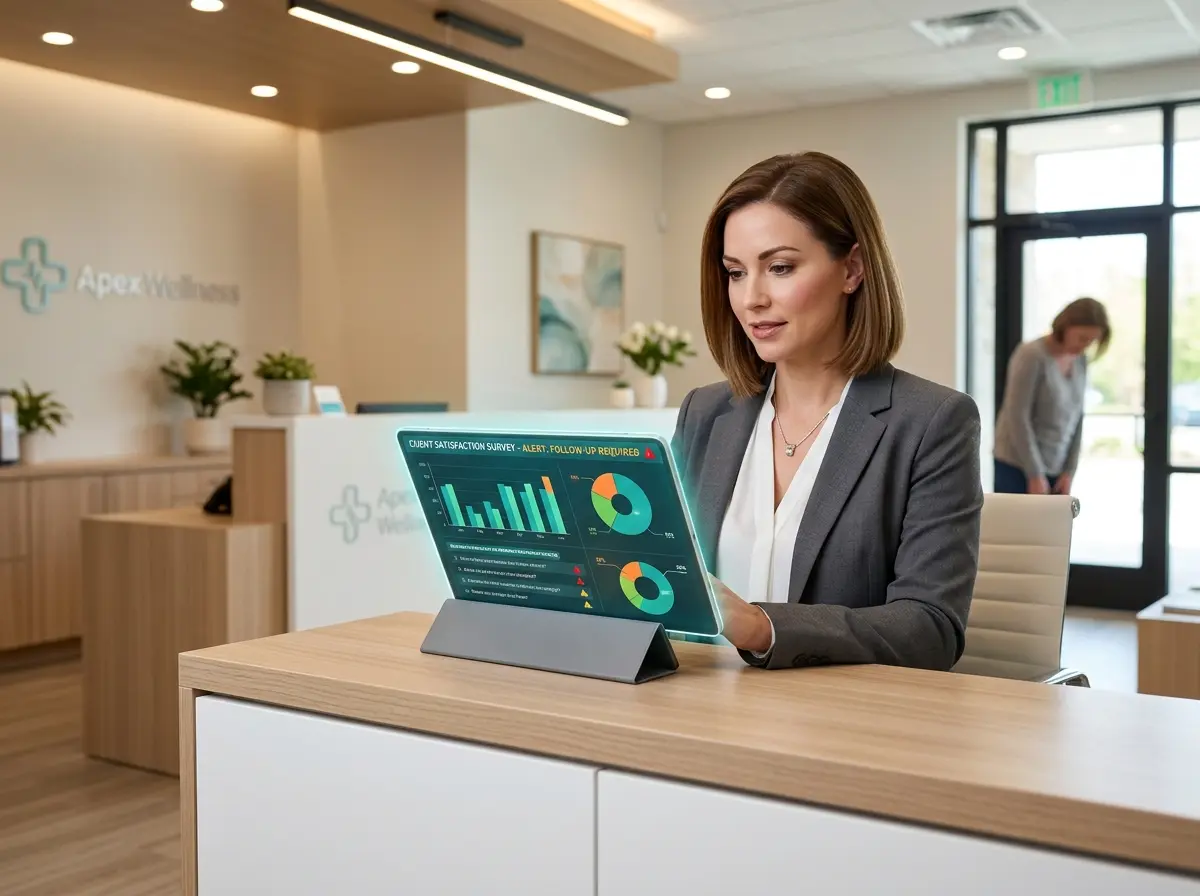
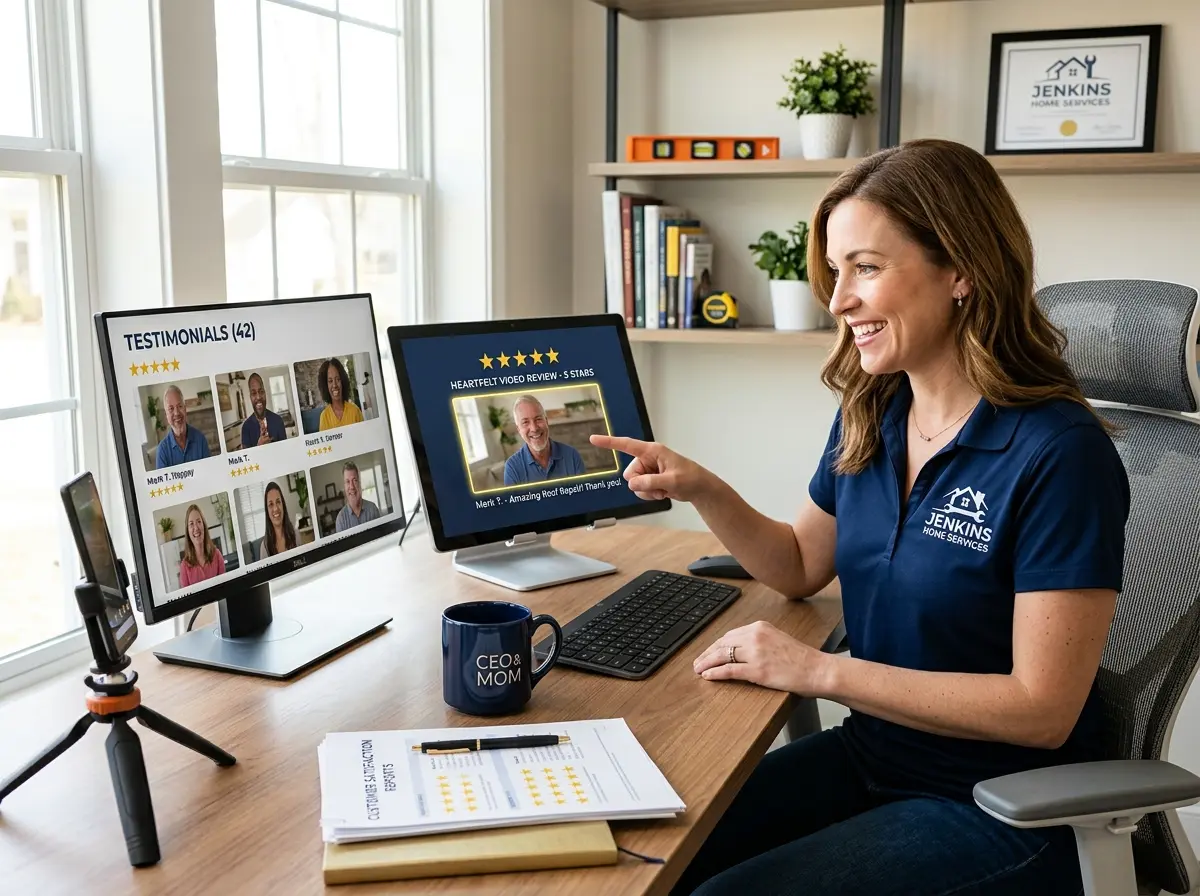
Online reviews are the modern word-of-mouth, and for independent retailers, a strong local reputation on Google and Yelp is a genuine competitive advantage. Tools like Birdeye, Podium, and ReviewTrackers use AI to monitor your reviews across platforms, help you respond professionally and quickly, and even prompt satisfied customers to leave feedback through automated follow-up messages.
Consider this: 93% of consumers say online reviews influence their purchasing decisions, and businesses that respond to reviews — positive and negative — are perceived as significantly more trustworthy than those that don't. AI-assisted review management makes it feasible to stay on top of this without dedicating hours each week to platform-hopping and drafting responses from scratch.
E-Commerce and Omnichannel Tools: Bridging Your Physical and Digital Presence
If you have a physical store and an online presence — or are thinking about building one — AI tools can help bridge the gap between your in-store and digital experience. Platforms like Shopify offer AI-powered product description generators, smart search functionality, and personalized product recommendations for online shoppers. Combine this with in-store data from your POS system, and you start building a genuinely unified picture of your customer. Independent retailers who embrace omnichannel strategies report significantly higher customer retention rates than those operating in silos.
A Quick Reminder About Stella
Stella is an AI robot employee and phone receptionist built specifically for businesses like yours. She greets customers in-store, answers phones around the clock, promotes your deals, handles common questions, and helps collect and manage customer information — all for $99/month with no complicated setup or hardware investment. She works across retail, restaurants, salons, service businesses, and more, and she never calls in sick.
Where to Start: A Practical Path Forward
If you're feeling slightly overwhelmed right now, that's completely normal. The AI tool landscape in 2025 is expansive, and not every solution is right for every business. The key is to resist the urge to overhaul everything at once and instead focus on the highest-friction points in your operation.
Here's a practical framework for getting started:
- Identify your biggest pain point. Is it inventory? Staffing? Customer engagement? Phone calls piling up? Start with the problem that costs you the most time or money today.
- Pick one tool and actually use it. Signing up for six platforms and using none of them deeply is a waste of money and motivation. Commit to one solution for 60–90 days before adding another.
- Measure the impact. Most of these tools come with built-in analytics. Use them. If something isn't moving a metric you care about — time saved, revenue increased, customer retention improved — reassess.
- Build from there. Once a tool becomes part of your workflow, layer in the next one. AI adoption in small retail is a marathon, not a sprint.
Independent retail isn't dying — it's evolving. The store owners who thrive in the next five years will be the ones who embrace practical technology without losing the human touch that makes their businesses worth visiting in the first place. AI tools aren't here to replace what makes your store special. They're here to handle the stuff that gets in the way of it.
Now go do something about that Sunday night scheduling spreadsheet.