When "Just Answer the Phone" Becomes a Full-Time Job
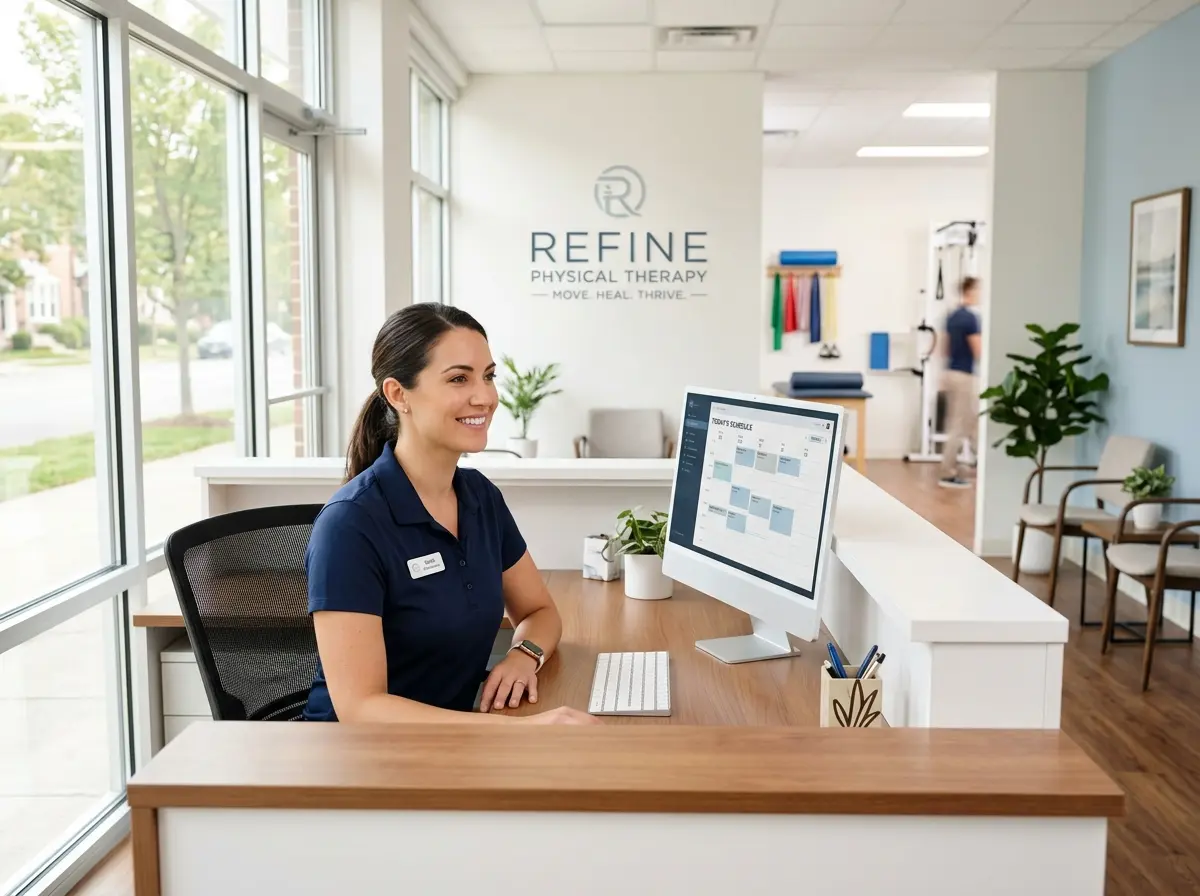
Picture this: your physical therapist is mid-session with a patient, carefully guiding them through a delicate shoulder exercise. The front desk phone rings. Then rings again. A new patient walks in, unsure where to sign in. Someone else wants to know if you accept their insurance. And your front desk coordinator — bless their soul — is somehow expected to handle all of this simultaneously while also managing appointment reminders, processing payments, and maintaining their sanity.
Sound familiar? You're not alone. For physical therapy clinics (and honestly, most healthcare-adjacent small businesses), the front desk has quietly become the most chaotic square footage in the building. The staff you hired to create a warm, welcoming patient experience ends up frazzled, distracted, and stretched impossibly thin.
The good news? One physical therapy clinic found a surprisingly simple solution to this very problem — and it didn't involve hiring three more people or performing a miracle. Let's break down what they did, why it worked, and how you can apply the same thinking to your own practice.
The Front Desk Problem Nobody Likes to Talk About
The Hidden Cost of Constant Interruptions
There's a reason your front desk staff always looks like they're defusing a bomb. Research consistently shows that it takes an average of 23 minutes to fully regain focus after an interruption. Now multiply that by every phone call, every walk-in question, and every "quick" insurance verification request in a typical clinic day. The math is grim.
For physical therapy clinics specifically, the front desk handles an unusually high volume of administrative complexity: scheduling evaluations and follow-ups, verifying insurance benefits, collecting co-pays, answering questions about treatment plans, and managing a revolving door of patients — all while trying to project warmth and professionalism. It's not a job. It's three jobs wearing a lanyard.
Where the Bottlenecks Actually Happen
Most clinic owners assume the problem is volume — too many patients, not enough staff. But when you actually audit where time goes, the real culprits tend to be repetitive, low-complexity tasks that simply don't require a trained human being to handle. Things like:
- Answering "What are your hours?" for the fourteenth time this week
- Explaining parking and check-in procedures to new patients over the phone
- Taking messages for the billing department
- Fielding calls after hours that go straight to voicemail — and get returned two days later
These aren't complex tasks. They're repetitive, predictable, and — critically — they don't need to be handled by your most expensive resource: a trained human employee.
The One Change That Made All the Difference
A physical therapy clinic in a mid-sized metro area was dealing with exactly this scenario. Their single front desk coordinator was handling upwards of 40 inbound calls per day alongside in-person patient management. New patient no-shows were climbing because intake information wasn't being collected consistently. Staff morale was suffering. The owner had already tried hiring a part-time receptionist, but scheduling gaps and turnover made the problem worse, not better.
Their solution wasn't another hire. It was automating the first point of contact — both on the phone and at the front door — so that their human staff could focus on what actually required human judgment and empathy. And the results were immediate.
How AI Receptionist Technology Can Step In
Freeing Your Staff to Do the Work Only Humans Can Do
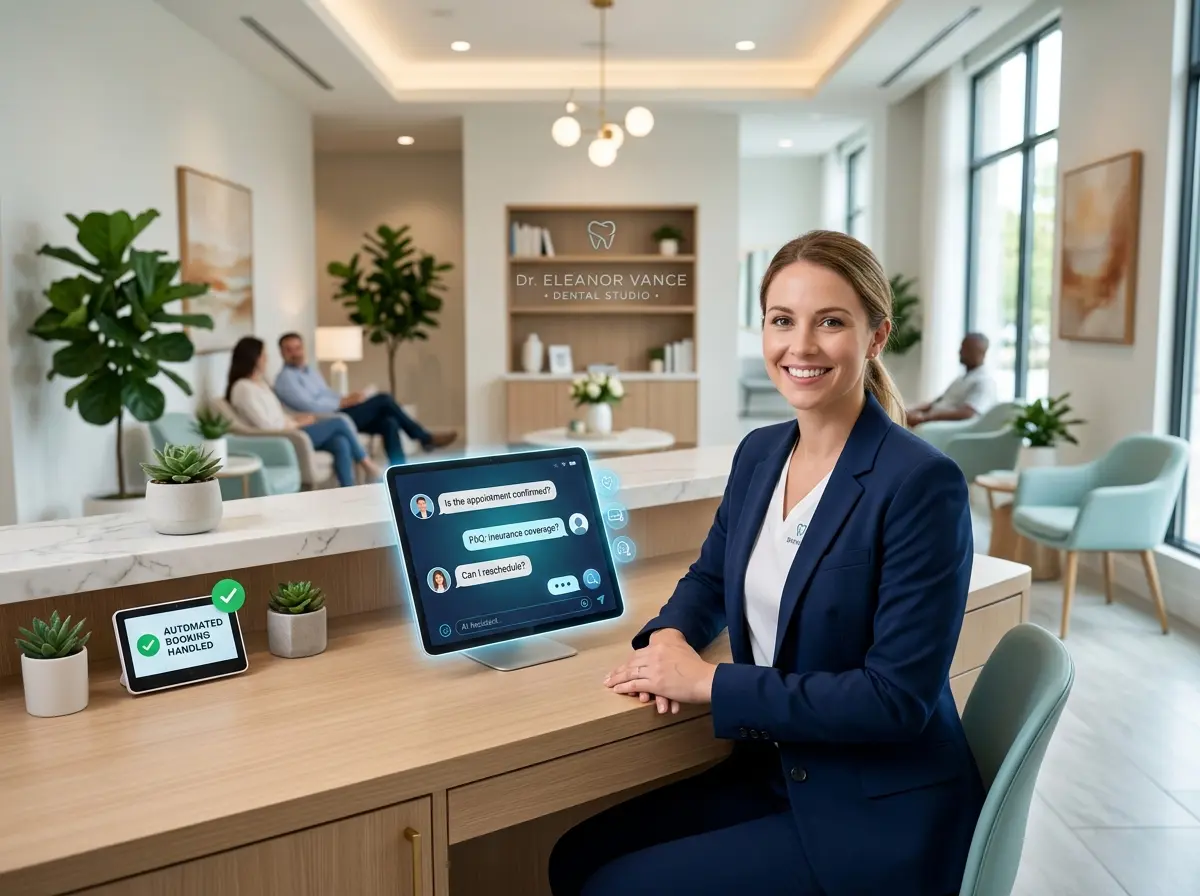
This is where tools like Stella — an AI robot employee and phone receptionist — become genuinely useful rather than gimmicky. For a clinic like the one described above, Stella handled inbound phone calls 24/7, answered common questions about services, hours, insurance processes, and new patient intake, and collected information through conversational intake forms before a human ever got involved. The front desk coordinator went from playing air traffic controller to actually coordinating.
For clinics with a physical waiting area, Stella's in-person kiosk presence means patients who walk in are greeted immediately and guided through check-in without monopolizing staff attention. Her built-in CRM also keeps patient contact information, interaction notes, and AI-generated profiles organized and accessible — which means less time hunting through spreadsheets and more time serving patients. At $99/month with no upfront hardware costs, the ROI conversation is a short one.
Building a Front Desk System That Actually Scales
Standardize Before You Automate
Here's a truth that doesn't get said enough: automation won't fix a broken process. It'll just break it faster, at scale. Before you introduce any new tool or technology into your front desk workflow, you need to document what's actually happening. Map out every touchpoint a patient has with your front desk — from the first phone call to post-appointment follow-up. Identify which tasks are repetitive and rule-based versus which genuinely require human judgment.
For most PT clinics, the repeatable tasks (answering FAQs, collecting basic intake information, confirming appointments, explaining parking) will outnumber the judgment-heavy tasks by a significant margin. That's your automation opportunity. Standardizing these workflows first means that when you do introduce automation, it works cleanly and consistently rather than creating new chaos.
Invest in Your Staff's Highest-Value Work
Once the low-complexity, high-frequency tasks are handled automatically, your front desk staff can redirect their energy toward the work that genuinely moves the needle: building patient relationships, navigating complex insurance situations, coordinating care between providers, and creating the kind of experience that generates referrals.
This isn't about replacing your people — it's about protecting them from burnout and deploying their skills where they actually matter. The physical therapy clinic in our example reported that after implementing their new approach, front desk staff described their workday as "manageable" for the first time in years. Staff retention improved. Patient satisfaction scores went up. And the coordinator — who had been quietly updating her résumé — decided to stay.
Measure What Changes
You can't improve what you don't track. Once you've made changes to your front desk workflow, establish simple benchmarks to monitor progress. Consider tracking:
- Average hold time and missed call rate — are fewer calls going unanswered?
- New patient no-show rate — is better intake collection reducing gaps?
- Staff-reported workload stress — a simple weekly check-in can surface issues early
- Patient satisfaction at the front desk — a short post-visit survey goes a long way
These aren't vanity metrics. They're signals that tell you whether your changes are actually working or just rearranging the deck chairs. Review them monthly, adjust accordingly, and build a culture where front desk operations are treated as a core business system — not an afterthought.
A Quick Reminder About Stella
Stella is an AI robot employee and phone receptionist designed for businesses of all types — including medical and wellness practices like physical therapy clinics. She greets patients in person at your kiosk, answers phone calls around the clock, collects intake information, manages contacts through a built-in CRM, and keeps your staff focused on high-value work — all for $99/month with no complicated setup. Think of her as your most reliable team member, minus the PTO requests.
Your Front Desk Deserves Better — And So Do Your Patients
The physical therapy clinic in this story didn't reinvent their business. They didn't undergo a massive operational overhaul or spend a small fortune on enterprise software. They made one focused change: they stopped asking their human staff to do work that didn't require a human, and they put the right tools in place to handle the rest.
If your front desk is overwhelmed, the path forward probably isn't hiring more bodies — it's being smarter about what those bodies are actually doing. Here's how to get started:
- Audit your front desk for one week. Track every task your coordinator handles and categorize it as repeatable or judgment-required.
- Identify your top five high-frequency, low-complexity tasks — these are your automation candidates.
- Standardize those tasks first. Write scripts, create intake forms, document your FAQs.
- Introduce automation thoughtfully. Start with phone answering and patient intake — the highest-volume, highest-impact touchpoints.
- Track your results and iterate. Give any change 30–60 days before evaluating its effectiveness.
Your patients chose your clinic because they want great care from skilled, attentive professionals. Every minute your staff spends explaining parking directions over the phone is a minute they're not spending on that. Fix the front desk, and everything downstream gets better — patient experience, staff morale, retention, and yes, your bottom line.
The overwhelm isn't inevitable. It's just a system waiting to be improved.