Your Dormant Client List Is a Goldmine — Start Mining It
Here's a fun fact that most med spa owners try not to think about too hard: the average medical spa loses between 20% and 40% of its active client base every year to simple inactivity. Not because those clients found somewhere better. Not because they had a bad experience. Just because life got busy, they forgot to rebook, and nobody reached out. That's it. That's the whole tragedy.
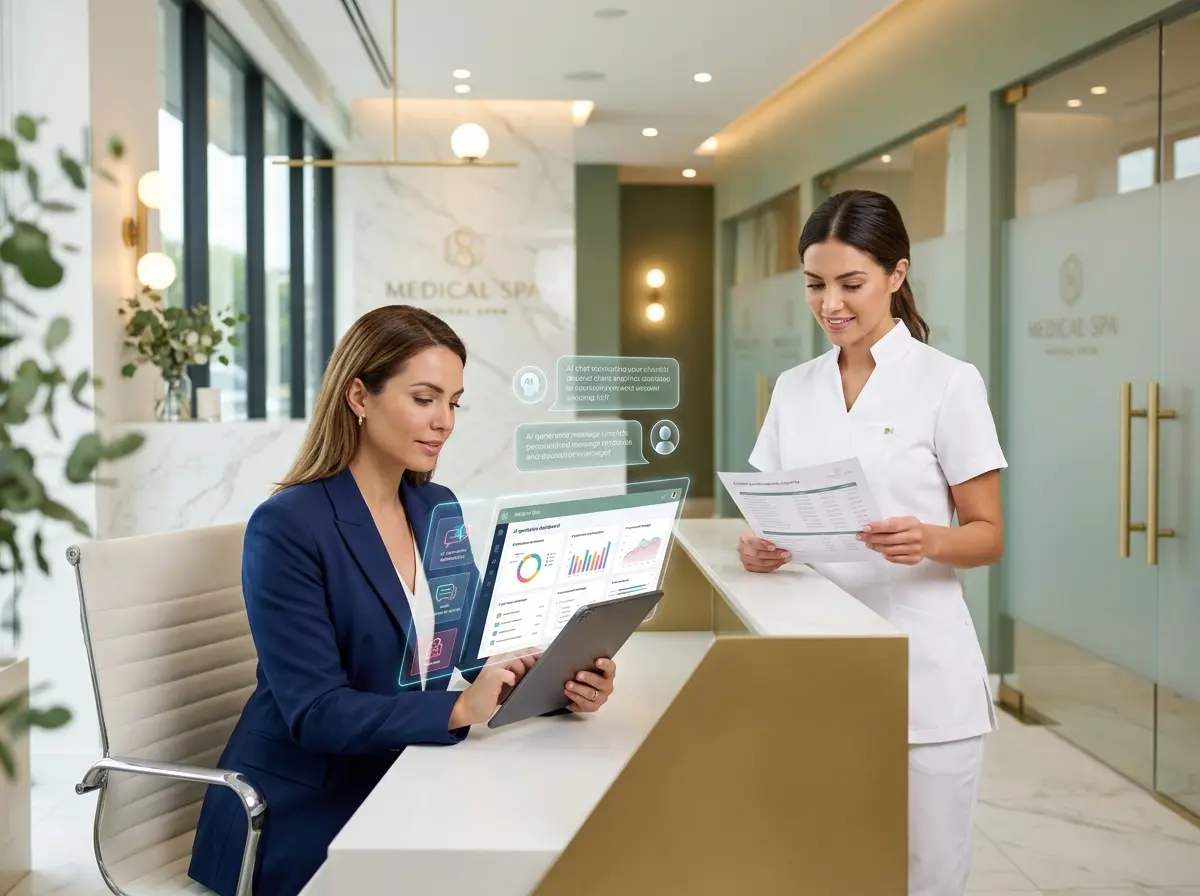
The good news? That dormant client list sitting in your CRM isn't a graveyard — it's a warm audience of people who already trust you, have already experienced your services, and don't need to be convinced from scratch. They just need a nudge. A personalized nudge, specifically, because "Hey, we miss you! Book now!" blasted to 500 people simultaneously is the digital equivalent of handing out flyers in the rain. AI can help you do this better — smarter, faster, and at a scale that would make your human brain tired just thinking about it.
Let's talk about how to actually use AI to bring those sleeping clients back to life — and, more importantly, how to keep them around this time.
Understanding Your Dormant Clients Before You Message Them
Personalization without data is just guessing with extra steps. Before you fire up any AI tool and start generating reactivation messages, you need to do a little homework on your dormant list. The more context you feed into an AI, the better and more genuinely personal the output will be.
Segment Your List Like You Mean It
Not all dormant clients are dormant for the same reason, and treating them like they are will show. Start by breaking your list into meaningful segments based on the data you already have. Consider sorting by last service date (someone who hasn't visited in four months is very different from someone who's been MIA for two years), service history (did they come in for Botox, laser treatments, facials, or a combination?), average spend, and how many times they visited overall. A client who came in once for a single treatment is a cold lead in a warm coat. A client who visited twelve times over two years and then vanished is someone worth a real conversation.
These segments become the foundation for everything that follows. AI tools — whether you're using a dedicated marketing platform, a CRM with AI features, or even a well-prompted large language model — will generate far more relevant and compelling messages when you can tell them exactly who they're talking to.
Identify the "Why" Behind the Silence
Here's where a little detective work pays off. Look at your data and ask: did this client stop coming after a particular service? Did they drop off during a price change or staff transition? Did a large chunk of your dormant list go quiet around the same time period — say, right after a specific promotion ended? These patterns won't always be obvious, but when they are, they're incredibly useful. If someone's last visit was a microneedling session, for example, an AI can craft a reactivation message that references the treatment cycle, explains why their next session is timely, and offers something relevant — not a generic "we miss you" with a 10% discount that has nothing to do with anything they've ever cared about.
Using AI to Craft Messages That Actually Sound Human
This is where the magic happens — or where things go sideways if you're not careful. AI is remarkably good at generating personalized outreach at scale, but only if you give it the right inputs and apply a little human judgment on the output.
Building Effective AI Prompts for Reactivation Messages
Think of your AI prompt as a creative brief. The more specific you are, the better your results. Instead of asking an AI to "write a reactivation email for a client," try something like: "Write a warm, conversational reactivation text message for a med spa client named [First Name] who last came in 6 months ago for a HydraFacial series. She's visited four times in the past, typically spends around $300 per visit, and we're currently running a spring skin refresh promotion. Keep it under 160 characters for SMS, friendly but not pushy, and include a soft call to action to book a complimentary consultation."
That level of specificity transforms generic AI output into something that feels like it was written by a thoughtful human who actually knows the client. You can batch this process using a spreadsheet with client data fields and run it through your preferred AI tool with a consistent prompt template — producing dozens or hundreds of customized messages in the time it would take to write three manually.
Choosing the Right Channel for Each Segment
AI can also help you decide how to reach out, not just what to say. Email works well for longer, more detailed messages — think seasonal treatment guides, updated service menus, or personalized "here's what we recommend for your skin goals" content. SMS is better for short, timely nudges with a direct call to action. A two-step approach often works beautifully: an AI-personalized email that references their specific service history, followed a few days later by a brief, friendly SMS if they haven't opened or responded. Don't underestimate handwritten-style notes or even a personal phone call for your highest-value dormant clients — AI can help you script those too.
How Stella Can Support Your Reactivation Efforts
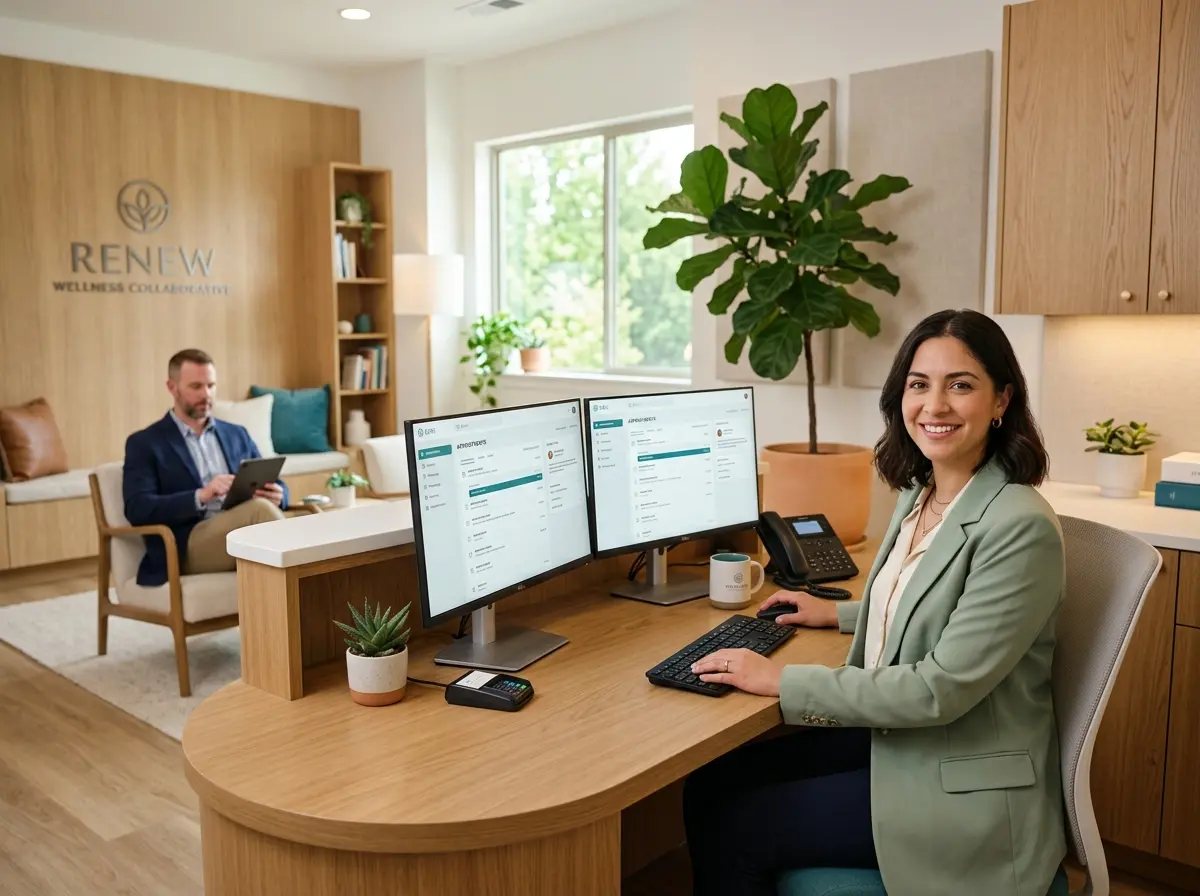
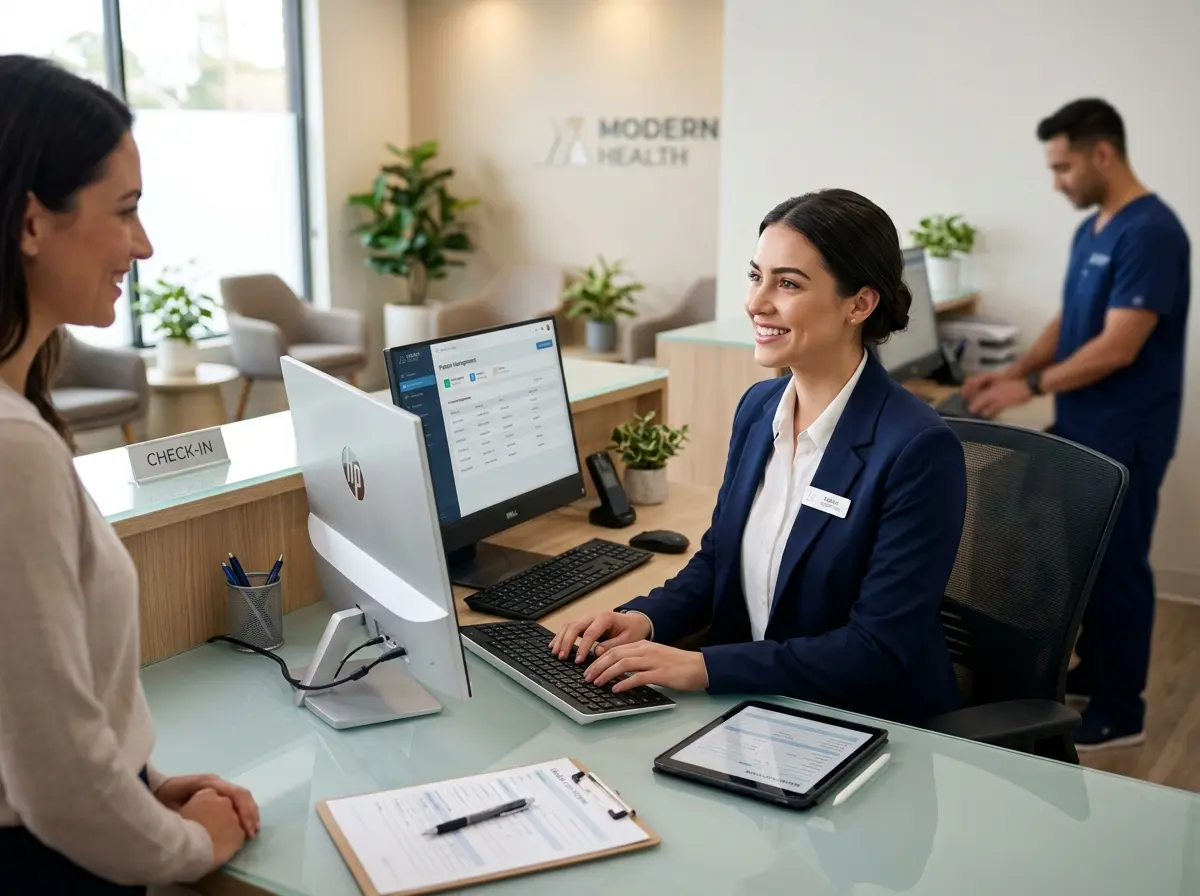
Once your reactivation messages start landing and clients begin responding, you need to make sure your front desk experience is ready to match the momentum. This is where Stella comes in handy. Stella is an AI robot employee and phone receptionist who handles incoming calls 24/7, which means when a client receives your beautifully personalized reactivation text at 9:30 PM and immediately calls to book — because that happens — someone (well, something) is there to answer, take their information, and move them through the booking process without dropping the ball.
Beyond phone answering, Stella also manages a built-in CRM with custom fields, tags, and AI-generated client profiles, and she can collect client information through conversational intake forms. This means the insights you gather from your reactivation campaign — who called, what they asked about, what service they booked — feed back into your client data automatically, making your next campaign even smarter. For med spas with a physical location, Stella's in-store kiosk presence means returning clients are greeted warmly and professionally the moment they walk back through the door, reinforcing that personalized experience you worked so hard to create.
Measuring Results and Refining Your Approach
Sending reactivation messages without tracking the results is like giving someone directions and then immediately leaving before finding out if they got there. You need data to improve, and AI can help you interpret it too.
The Metrics That Actually Matter
For a med spa reactivation campaign, focus on reactivation rate (what percentage of your dormant list booked an appointment), revenue per reactivated client, and retention rate post-reactivation (did they come back a second time, or was the campaign just a one-visit wonder?). Industry benchmarks suggest that a well-executed reactivation campaign can yield a 15% to 25% reactivation rate — meaning even a modest dormant list of 200 clients could realistically bring in 30 to 50 new appointments from a single campaign. Track these numbers per segment so you know which client profiles responded best to which message types.
Iterating With AI in the Loop
After your first campaign wraps up, feed your results back into your AI workflow. Which subject lines got the most opens? Which message variants drove the most bookings? Which segments were the most responsive? AI tools can help you analyze patterns across your results and suggest adjustments for the next campaign. Over time, you'll build a reactivation playbook that's specific to your client base — tested, refined, and genuinely effective rather than just hopeful.
It's also worth building reactivation into your ongoing operations, not just as a one-time campaign. Set automated triggers so that any client who hits a certain inactivity threshold — say, 90 days without a visit — automatically enters a reactivation sequence. AI-driven automation means this runs in the background while you focus on, you know, actually running a business.
A Quick Reminder About Stella
Stella is an AI robot employee and phone receptionist built for businesses exactly like yours — available as a friendly in-store kiosk and as a 24/7 phone answering solution. For just $99/month with no upfront hardware costs, she greets clients, answers questions, promotes your services, manages your CRM, and keeps your front desk running smoothly whether your human team is available or not. She's essentially the world's most reliable employee, minus the turnover and the coffee breaks.
Conclusion: Stop Leaving Money on the Table
Your dormant client list is not a problem to be embarrassed about — every med spa has one, and most of them are doing nothing about it. The businesses that will win over the next few years are the ones that figure out how to use AI not just for content or scheduling, but for genuinely intelligent, data-driven client relationships. Reactivation campaigns are one of the highest-ROI activities you can invest in, especially when AI removes the manual labor that used to make them impractical at scale.
Here's your actionable to-do list to get started:
- Pull your dormant client list — anyone who hasn't visited in 90 days or more is a candidate.
- Segment it by recency, service history, visit frequency, and spend.
- Build your AI prompt template with specific fields for personalization — service history, time since last visit, and current promotions.
- Draft and review your messages before sending — AI is your starting point, not your final answer.
- Choose your channels and stagger your outreach (email first, SMS follow-up).
- Track your results by segment and iterate on what works.
- Automate it so reactivation becomes part of your ongoing client journey, not a quarterly scramble.
Your clients didn't leave because they stopped caring about looking and feeling great. They just got distracted. A smart, personalized message — at the right time, through the right channel — is often all it takes to remind them exactly why they chose you in the first place.