Introduction: Because "Thanks for the Referral" Doesn't Cut It Anymore
Let's be honest — when was the last time a handwritten thank-you card made you feel truly valued as a professional? Exactly. Your top referrers — the physicians, financial advisors, fellow attorneys, and satisfied clients who send business your way — are not doing it for a fruit basket. They're doing it because they trust you. And trust, as any good lawyer knows, is a currency that needs to be continually invested in.
Here's a sobering thought: according to the Clio Legal Trends Report, referrals remain the number one source of new clients for law firms, yet most firms have no formal system in place to appreciate, track, or cultivate those referral relationships. That's not a strategy — that's luck dressed up in a briefcase.
A formal Referral Appreciation Event changes all of that. It transforms a passive, hope-for-the-best referral network into an active, engaged community of advocates who feel genuinely connected to your firm. Done right, it's part networking event, part relationship investment, and part brand experience — and it can pay dividends for years to come. Let's walk through how to build one that actually works.
Planning the Event: Structure Before the Champagne
Define Your Referral Tiers and Guest List
Before you book a venue or select a canapé menu, you need to know who you're celebrating. Not every referrer should receive the same level of appreciation — and that's not elitism, that's smart relationship management. Consider segmenting your referrers into tiers based on the volume and quality of referrals they've sent over the past 12 to 24 months.
Your top tier might include five to fifteen individuals who consistently send high-value cases. Your second tier might be emerging referrers with strong potential. Keeping your event intimate — ideally between 20 and 50 guests — ensures every person feels genuinely seen, not like they've wandered into a generic networking mixer. The moment your referrers start wearing name tags in a hotel ballroom surrounded by strangers, you've lost the plot.
Choose a Format That Reflects Your Firm's Brand
Your event format should feel like an extension of your firm's culture and practice areas. A criminal defense firm might host an edgy cocktail evening at a private bar with a live jazz trio. An estate planning practice might opt for an elegant dinner at a private dining room. A personal injury firm might sponsor a golf outing or charity fundraiser. The point is that the format should feel intentional, not like the planning committee just picked whatever venue had a Saturday open.
Hybrid events are also increasingly popular — combining an in-person gathering with a virtual component for referrers who are geographically distant. Whatever you choose, make sure the environment facilitates genuine conversation. Round tables beat long banquet rows. Cocktail hours before dinner create natural mingling. A rigid slideshow presentation followed by a buffet line does not.
Build a Budget That Reflects the Value of the Relationship
It might feel uncomfortable to assign a dollar figure to gratitude, but your budget is actually a strategic statement. Consider the lifetime value of a strong referral relationship — a single trusted referrer could send dozens of qualified clients over the course of a years-long partnership. Spending $150 to $300 per person on a well-executed event is not an extravagance; it's a measured investment with a calculable return. Track your referral numbers before and after implementing annual appreciation events, and you'll likely find the ROI speaks for itself.
Streamlining Your Referral Tracking and Guest Management
Use Smart Tools to Stay Organized — Like Stella
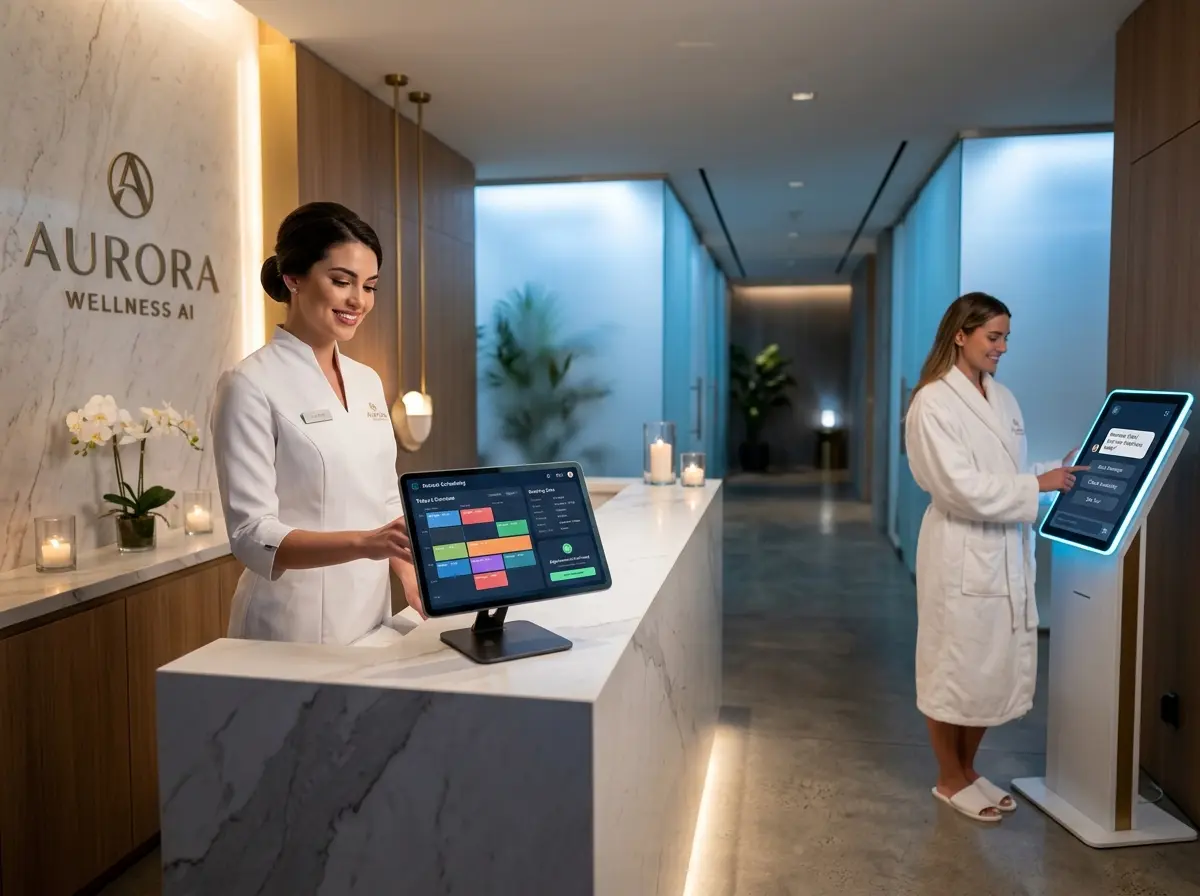
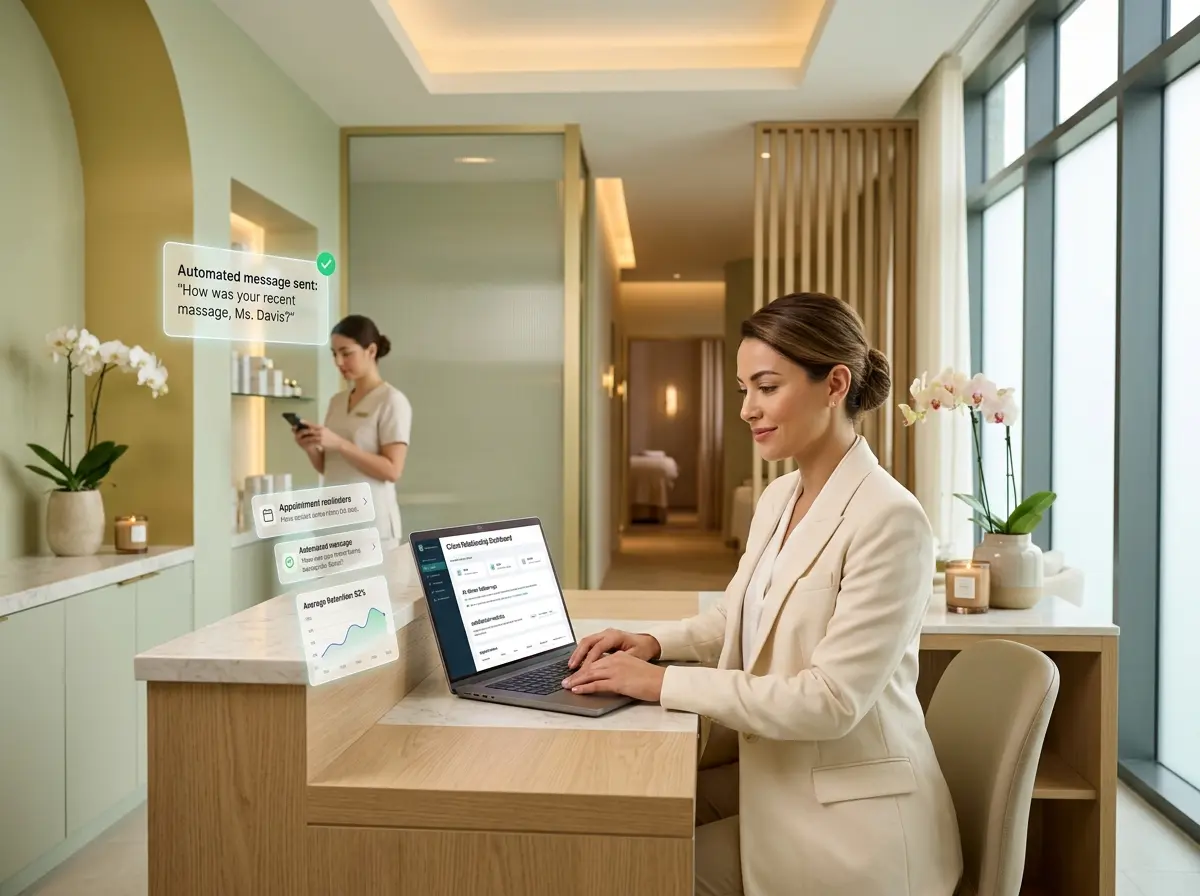
Here's where the planning gets a lot more manageable. Stella, the AI robot employee and phone receptionist built for businesses like yours, can help law firms stay on top of referral relationships year-round — not just at event time. Her built-in CRM allows you to create custom fields and tags for referral sources, track notes on past interactions, and generate AI-powered contact profiles that give you a complete picture of each relationship at a glance. When it's time to build your guest list for the appreciation event, you're not digging through spreadsheets or sticky notes — you've got organized, actionable data ready to go.
Stella also handles intake forms conversationally, whether over the phone or on the web, making it easy to collect RSVP information and event preferences without your staff having to manually chase down responses. And since she answers calls 24/7, any referrer who calls to ask about the event after hours won't be met with voicemail — they'll get a professional, knowledgeable response right away. For a law firm trying to demonstrate that it values relationships, that kind of seamless, always-available experience makes a strong impression.
Running the Event: Making Every Guest Feel Like the Guest of Honor
Open with Genuine Recognition, Not a Sales Pitch
The fastest way to undermine a Referral Appreciation Event is to let it slide into a thinly veiled marketing presentation. Your guests did not accept your invitation to hear about your firm's new practice area expansion or your recently redesigned website. They came to feel appreciated, to connect with your team, and — if the evening is going well — to enjoy themselves.
Open the event with sincere, personalized recognition. This doesn't mean reading a list of names from a podium. It means your attorneys circulating the room before the formal portion begins, engaging in real conversations, referencing specific matters or shared experiences, and making each person feel that their contribution to your firm has been noticed at an individual level. If you can offer a brief, heartfelt toast that acknowledges the collective community in the room without turning it into a firm advertisement, you've nailed the tone.
Add Value Without Asking for Anything in Return
The most effective referral events provide something genuinely useful to attendees — not a coupon for a free consultation, but real professional value. Consider hosting a short panel discussion led by your attorneys on a topic relevant to your referrers' worlds. If your referrers are primarily physicians, a brief discussion on medical malpractice trends is a natural fit. Financial advisors might appreciate insights on estate litigation or business succession planning. Keep it to 20 to 30 minutes, make it conversational, and leave plenty of time for questions. You walk away having demonstrated expertise; they walk away having learned something useful. Everybody wins.
Follow Up in a Way That Continues the Conversation
The event itself is not the finish line — it's the starting point for a deeper relationship. Within 48 hours of the event, every attendee should receive a personalized follow-up from the specific attorney or team member they connected with most during the evening. Not a mass email blast. A genuine note that references something specific from their conversation. Pair this with a small, thoughtful token — a book by a relevant author, a donation made in their name to a charity they mentioned, or a handwritten card — and you've elevated the experience well beyond what most firms bother to do.
From there, build the relationship into your annual calendar. Quarterly check-ins, relevant legal updates, birthday acknowledgments through your CRM, and an annual event invitation create a rhythm of engagement that keeps your firm top of mind without ever feeling pushy. Referrers don't send business to firms they've forgotten about.
Quick Reminder About Stella
Stella is an AI robot employee and phone receptionist that works around the clock for your law firm — greeting walk-in visitors at your physical location and answering calls at any hour with the same professional knowledge your team would bring. At just $99/month with no upfront hardware costs, she's an affordable way to ensure your firm always presents a polished, responsive face to the world, whether you're hosting a referral event or handling a busy Monday morning intake rush.
Conclusion: Build the Event, Build the Relationship, Build the Firm
A formal Referral Appreciation Event is not a party — it's a business development strategy wrapped in a pleasant evening. When executed with intention, it reinforces your firm's reputation, deepens relationships with your most valuable advocates, and creates a community of professionals who feel genuinely connected to what you're building.
Here are your actionable next steps to get started:
- Audit your referral data for the past 12 to 24 months and identify your top referrers by volume and case quality.
- Segment your referrers into tiers and decide on an appropriate event format and budget for each.
- Select a venue and date at least 8 to 10 weeks in advance to give referrers adequate notice.
- Assign relationship owners within your firm so every guest has a specific attorney who takes personal responsibility for their experience.
- Implement a CRM system to track referral activity, event attendance, and follow-up notes year-round.
- Send personalized follow-ups within 48 hours and schedule your next touchpoint before the week is out.
The law firms that consistently grow their referral networks are not the ones with the flashiest marketing — they're the ones that make people feel valued, respected, and remembered. A well-run annual appreciation event is one of the most elegant ways to do exactly that. Now go build something worth attending.