Is Your Cleaning Company Actually Clean? The Case for Quality Assurance Visits
You built your home cleaning business on trust. Customers let you into their homes, hand over their keys, and expect to come back to sparkling countertops and floors you could eat off of. That's a big deal. And yet, a surprising number of cleaning companies operate entirely on the honor system — send the crew, hope for the best, and wait for a complaint to find out something went wrong three weeks ago.
Here's the uncomfortable truth: your cleaners are doing exactly as much as they think they're being watched for. That's not an accusation — it's human nature. Without a structured Quality Assurance (QA) visit program, you're essentially running your business on vibes and five-star reviews that may be more about your friendly team than the dust bunnies quietly multiplying behind the couch.
A Quality Assurance visit program isn't a sign that you don't trust your team. It's a sign that you run a professional operation. This post will walk you through why it matters, how to build one, and how to make sure your standards don't slip the moment you stop looking.
The Real Cost of Skipping Quality Checks
Customer Churn Happens Quietly
Most unhappy cleaning customers don't call to complain. They just… stop booking. According to customer experience research, 96% of unhappy customers don't complain directly — they simply leave. In an industry built on recurring revenue, that silent departure is devastating. You might not even notice a problem until your monthly booking numbers start dipping and you're scratching your head wondering what changed.
A QA visit program gives you a feedback loop that doesn't rely on customers mustering the courage (or the desire) to tell you that your crew missed the baseboards again. You find out first. You fix it. You follow up. That proactive approach is what separates the cleaning companies that scale from the ones that plateau and wonder why.
Inconsistency Is the Enemy of Growth
Consistency is your product. Not just clean homes — reliably clean homes. The moment a customer has a fantastic experience one visit and a mediocre one the next, you've introduced doubt. And doubt is a terrible thing to leave in the mind of someone who was about to refer you to their entire neighborhood Facebook group.
Without structured QA visits, quality becomes crew-dependent rather than system-dependent. One great team member can mask systemic issues. One bad week from your best cleaner can tank a five-year relationship with a loyal customer. A QA program standardizes expectations and gives you the data to coach, improve, and promote the right people.
The Hidden Cost of Rework
When a customer reports a problem and you have to send someone back to re-clean, you're essentially doing that job twice for free. Factor in travel time, labor, and the damage to customer confidence, and a single rework visit can cost you more than the original job was worth. Multiply that by even a handful of incidents per month and the math gets ugly fast. Catching issues during a QA visit — before the customer ever sees them — is almost always cheaper than fixing the fallout after.
How to Build a QA Visit Program That Actually Works
Create a Standardized Inspection Checklist
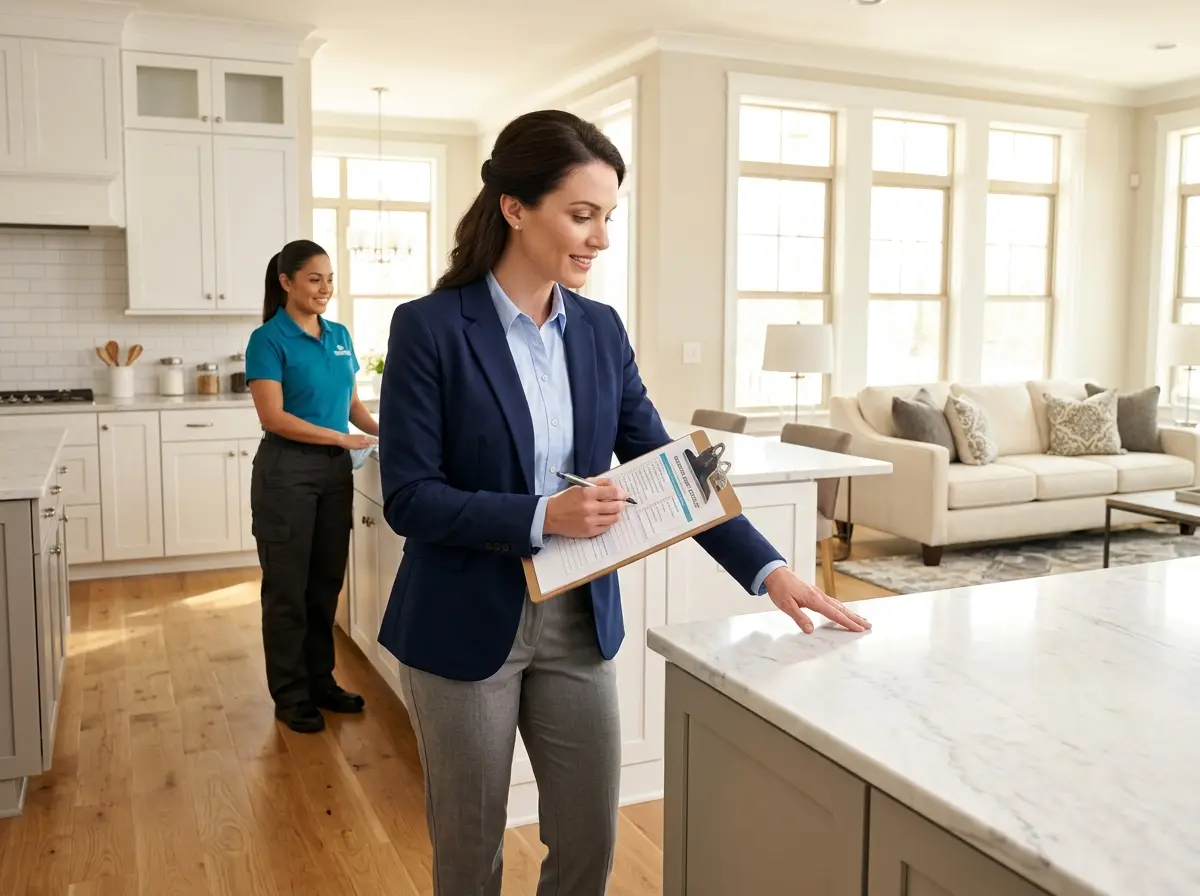
Your QA program is only as good as its checklist. A vague walk-through where someone glances around and nods approvingly is not a quality assurance visit — it's a field trip. Build a detailed, room-by-room checklist that mirrors your service standards exactly. This should include specific items like windowsill dust, grout lines, appliance handles, light switches, and the tops of door frames (yes, those). Use a consistent scoring system so results are comparable over time and across different crews.
Critically, this checklist should be the same document your cleaners use during training. When expectations are aligned from day one, QA visits become confirmation rather than confrontation.
Decide on Frequency and Sampling Strategy
You don't need to inspect every job — that would defeat the efficiency purpose of having a team. A practical approach is to inspect roughly 10–15% of jobs on a rotating schedule, with extra attention on new clients (always inspect the first three visits), new crew members, and any account that has flagged a concern previously. Unannounced visits carry more weight than scheduled ones, so vary your approach. Your team should always feel like a QA visit could happen — not just when they expect one.
Close the Loop — Every Single Time
A QA visit without follow-through is just a paperwork exercise. Every inspection result should feed back into your operations: share scores with team members, acknowledge wins publicly, address issues privately, and track trends over time. If the same room or the same cleaner keeps appearing in your red-flag column, that's a coaching conversation waiting to happen — or a hiring decision. Use the data.
Streamlining Communication Around Your QA Program
Let Technology Handle the Logistics
Running a QA program means more communication — with customers confirming satisfaction, with staff receiving feedback, and with new leads calling to ask about your process. That last one matters more than you'd think: when a potential customer calls and asks "how do you make sure the job is done right?", having a compelling, confident answer closes deals. That's where Stella comes in.
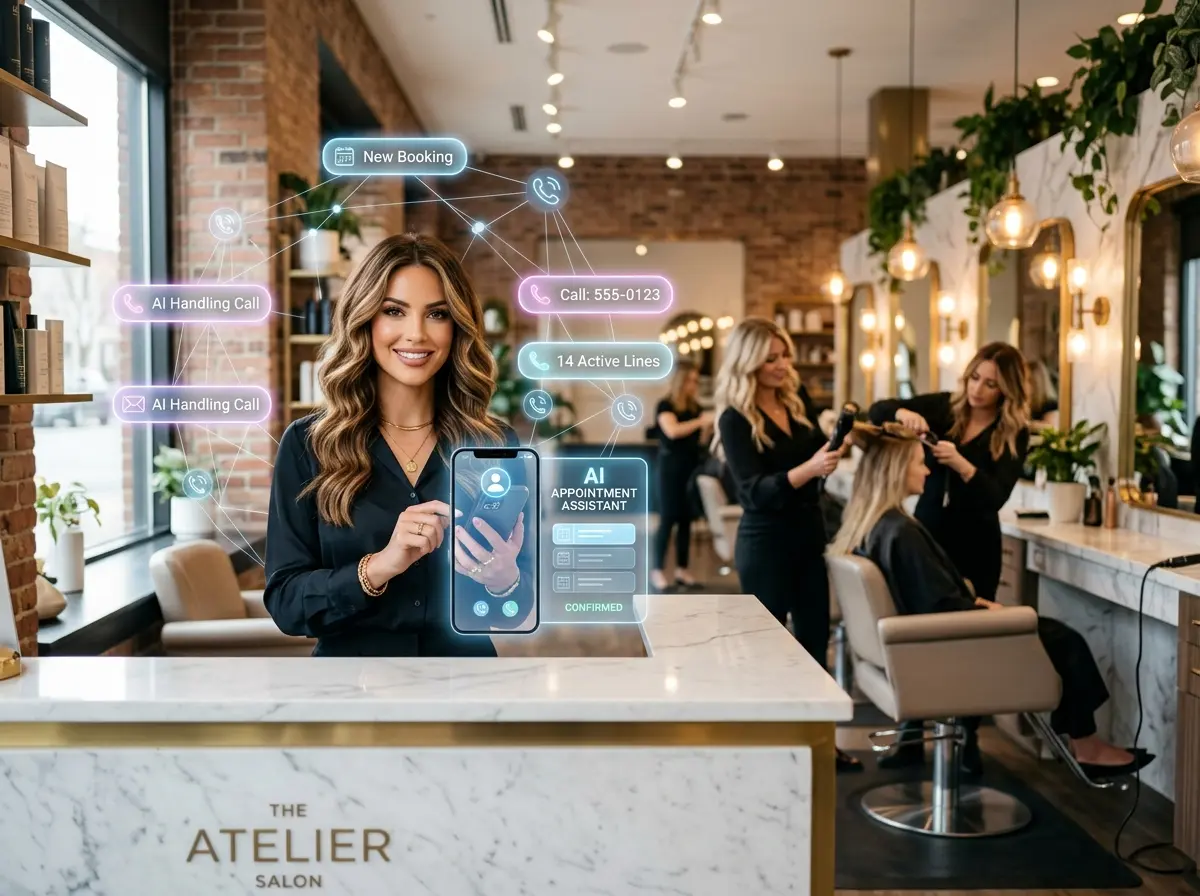
Stella is an AI robot employee and phone receptionist that answers your calls 24/7, promotes your services, and handles customer questions with the same knowledge and professionalism every time. When someone calls after hours asking about your cleaning process or wanting to book a recurring service, Stella answers, captures their information through a conversational intake form, and logs everything in her built-in CRM — complete with AI-generated contact profiles, custom tags, and notes. Your QA program becomes a selling point, and Stella makes sure every caller actually hears about it.
Turning QA Visits Into a Marketing Advantage
Make Your Standards Part of Your Brand
Most of your competitors don't have a formal QA program. That means if you have one, you have something worth talking about. Put it on your website. Mention it in your sales calls. Train your staff to reference it when customers ask what sets you apart. "We conduct regular quality assurance visits on all of our accounts" is a sentence that costs nothing to say and does a lot of heavy lifting for your credibility.
Customers in the home services space are increasingly sophisticated. They've been burned before by inconsistent providers, and they are actively looking for signs that a company takes quality seriously. A documented QA process is exactly that kind of signal.
Use QA Data to Generate Testimonials and Case Studies
When your QA scores are consistently high, you have proof of quality — not just claims. Screenshot those clean inspection reports (with customer permission), share aggregate satisfaction data, and use before/after patterns to tell the story of how your standards have improved over time. Real data is far more persuasive than generic five-star praise, and it positions you as a company that measures what it manages.
Reward the Right Behaviors
A QA program shouldn't just be a stick — it should also be a carrot. Build a recognition structure around your inspection scores. Cleaners with consistently high marks earn bonuses, preferred scheduling, or public acknowledgment in your team communications. When quality is visibly rewarded, it becomes self-reinforcing. Your best employees stay motivated, your newer employees have a clear target, and your culture shifts toward accountability rather than just compliance.
A Quick Reminder About Stella
Stella is an AI robot employee and phone receptionist available for just $99/month — no upfront hardware costs, no training headaches, and no sick days. She answers calls around the clock, promotes your services, collects customer information, and manages contacts through a built-in CRM. Whether you're a solo operator or managing a multi-crew cleaning company, Stella keeps your front-end communications professional while you focus on running the back end.
Build the Program, Protect the Reputation
A Quality Assurance visit program isn't glamorous. It won't trend on social media and it won't make for an exciting team meeting announcement. But it will quietly protect everything you've worked to build — your reputation, your recurring revenue, and your ability to scale without everything falling apart the moment you're not personally on-site.
Here's your actionable starting point:
- Build your inspection checklist this week — room by room, specific and measurable.
- Identify your first wave of QA visits — start with your newest clients and any account with a recent concern.
- Create a simple scoring system that lets you track trends over time.
- Build a feedback loop — every inspection result should go somewhere: coaching, recognition, or process improvement.
- Tell customers about it — update your website, your intake process, and your sales conversations.
The cleaning companies that win long-term aren't necessarily the cheapest or the fastest — they're the ones customers trust to show up and do the job right, every time, without being watched. A QA program is how you build that trust systematically. Start building yours today.