Two Brands Walk Into a Store…
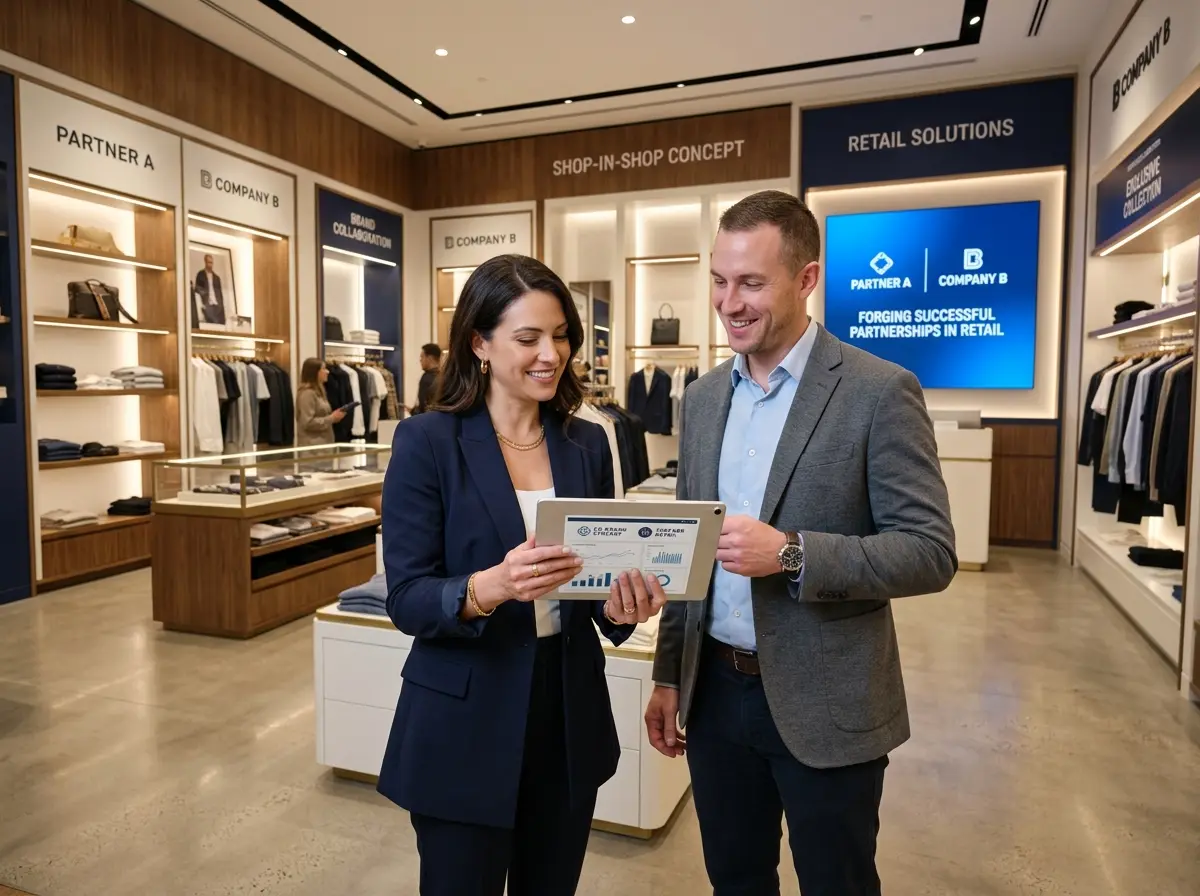
If you've ever wandered into a Target and found yourself suddenly inside a mini Ulta Beauty, you've experienced the quiet genius of the store-within-a-store model. It feels seamless, almost magical — like someone read your mind and decided you shouldn't have to choose between buying dish soap and treating yourself to a new serum. That's not an accident. That's strategy.
The Blueprint: Setting Up a Store-Within-a-Store That Actually Works
Choosing the Right Brand Partner
The ideal partner brand should be complementary, not competitive. Think about your existing customers: what else do they buy? What services do they wish you offered? A children's clothing boutique partnering with a local toy brand? Perfect. That same boutique partnering with a budget adult clothing chain? Less perfect — and potentially brand-damaging. Your customers came to you for a reason, and your partner should feel like a natural extension of that experience, not a jarring detour.
Defining the Terms Before Anyone Moves a Single Shelf
- Space boundaries: Exactly which square footage belongs to them, and what shared areas (like fitting rooms, restrooms, or checkout counters) are accessible.
- Revenue and rent structure: Are they paying flat rent, a percentage of sales, or a hybrid? What happens during your busiest season when their traffic spikes?
- Staffing responsibilities: Who covers their area? Are their employees trained on your store policies? Who handles disputes with customers?
- Brand standards: What signage, fixtures, and visual guidelines must they follow to keep the overall store experience cohesive?
- Exit terms: What's the notice period? What happens if one party wants out early?
Designing the Space for Flow, Not Confusion
Running a Smoother Operation With the Right Tools
Keeping Both Brands Informed Without Losing Your Mind
Adding a second brand to your physical space means more customers, more questions, more phone calls, and more moving pieces. Your staff is already busy — now they're fielding inquiries about both brands' products, hours, promotions, and policies. That's a lot to ask of a team that's also trying to, you know, actually sell things.
This is exactly where Stella, the AI robot employee and phone receptionist, becomes genuinely useful. Inside your store, Stella can be programmed with information about both brands — your products and your partner's — so customers get instant, accurate answers without hunting down a staff member. She'll greet customers as they walk in, highlight current promotions from either brand, and handle the repetitive questions that bog down your team. Meanwhile, her phone answering capabilities ensure that calls about hours, availability, or collaborative events are handled 24/7, even when your human staff is occupied or the store is closed. In a store-within-a-store setup, having a single, always-available point of information isn't just convenient — it's a competitive advantage.
Making the Collaboration Profitable for Both Sides
Cross-Promoting Strategically (Not Constantly)
One of the biggest potential wins of a store-within-a-store arrangement is the built-in marketing opportunity. You each have your own customer base, your own email list, your own social following. When done right, you're essentially doubling your marketing reach without doubling your budget. The key word there is strategically.
Tracking Performance and Knowing When to Pivot
Set clear KPIs before the partnership launches and review them together on a regular cadence — monthly at minimum, weekly during the first few months. If things aren't working, it's far better to identify that early and adjust than to let a struggling collaboration quietly erode both brands' reputations. And if things are working, data gives you the ammunition to double down, expand the partnership, or replicate the model in other locations.
Building for the Long Term Without Overcommitting
A Quick Reminder About Stella
Stella is an AI robot employee and phone receptionist built for businesses exactly like yours — physical retail locations, service providers, and everything in between. She stands in your store, greets customers, answers questions, promotes your offerings, and handles phone calls 24/7, all for $99/month with no upfront hardware costs. In a store-within-a-store setup where information complexity increases overnight, having a reliable, always-on presence that never calls in sick is less of a luxury and more of a sanity-saver.
Making Your Move: Next Steps for a Successful Brand Collaboration
- Identify two or three complementary brands in your market whose customer base overlaps meaningfully with yours. Reach out informally first to gauge interest before drafting anything formal.
- Get your space assessed. Can your current floor plan accommodate a distinct partner zone without sacrificing your own customer experience? If not, what would it take to make it work?
- Draft a partnership framework — even just a one-page outline — covering space, revenue, staffing, and exit terms before any serious conversations begin. This signals professionalism and protects you both.
- Set your KPIs now, before the partnership launches. Decide what success looks like at 30, 60, and 90 days so you're measuring progress against something concrete.
- Think about your operational infrastructure. How will you handle the added customer volume, questions, and communications? Make sure your team — and your tools — are ready before opening day.